
Suzuki Swift MPG: The Complete Real-World Fuel Economy Guide

Content in this publication
- Understanding the Suzuki Swift’s Clever Efficiency DNA
- Why Suzuki Swift MPG Matters More Than Ever
- Suzuki Swift MPG by Generation and Engine Type
- Real-World Suzuki Swift MPG: What Drivers Actually Achieve
- How Suzuki’s Mild Hybrid System Enhances MPG
- Suzuki Swift MPG Compared to Key Rivals
- Best Suzuki Swift Engines for MPG
- What Affects Suzuki Swift MPG in Everyday Driving?
- How to Improve Your Suzuki Swift’s MPG
- Real-World Ownership Stories
- Suzuki Swift MPG on Long Road Trips
- Suzuki Swift MPG and Cost of Ownership
- MPG Differences Between Manual and Automatic Transmissions
- Suzuki Swift MPG in Extreme Conditions
- Final Thoughts: Is the Suzuki Swift Good on MPG?
- FAQs
Understanding the Suzuki Swift’s Clever Efficiency DNA
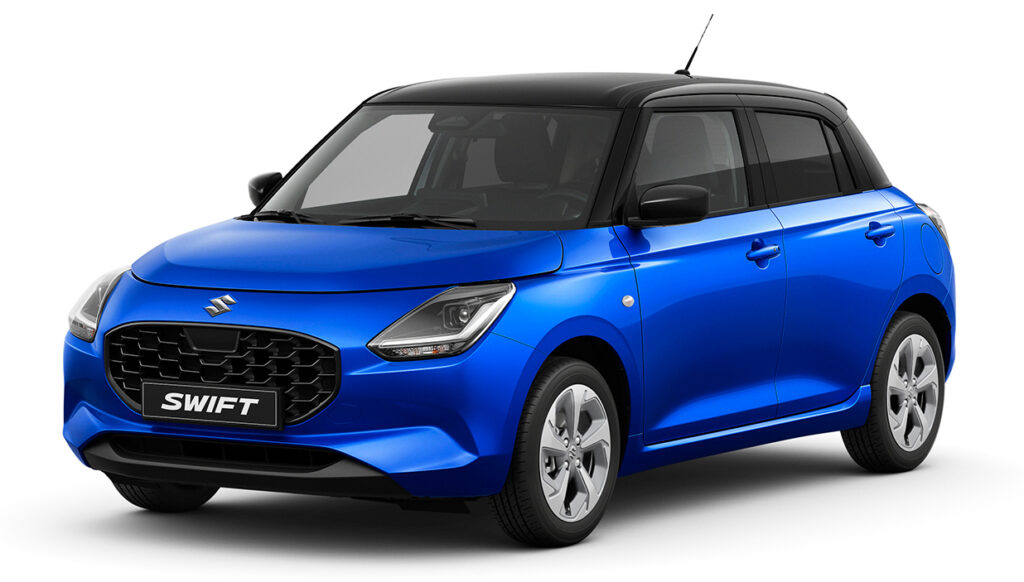
The Suzuki Swift has long been celebrated for being light, lively, and refreshingly frugal. When we talk about MPG, we’re not simply discussing numbers on a brochure — we’re unpacking how this compact hatch behaves on real roads with real drivers. We know the Swift is adored for its nimble nature, but what about cost-of-ownership? Does it genuinely save fuel day-to-day, or is the hype overrated?
As we dig deeper, we’ll explore every angle: engine variants, hybrid tech, real-world tests, motorway vs. city driving, ways to boost efficiency, and how it compares to rivals. Think of this as the one resource you’ll want to bookmark — the kind of guide you wish existed before buying, owning, or researching the Swift.
Why Suzuki Swift MPG Matters More Than Ever
Fuel prices fluctuate like the British weather — unpredictable, occasionally dramatic, and always lingering in our minds. A car that sips rather than gulps fuel is no longer a bonus; it’s a necessity. The Swift leans hard into efficiency:
- Lightweight construction
- Smart Hybrid technology
- Small but eager petrol engines
- Tight aerodynamics
- Low rolling resistance setup
We’ve seen plenty of hatchbacks claim big MPG numbers, but few deliver the same consistency across trims and generations like the Swift does.
Suzuki Swift MPG by Generation and Engine Type
To understand Swift fuel economy, we must break it down by its key engine families. Each era brought tweaks, smarter tech, and improved efficiency.
Third Generation (2010–2017)
This generation set the stage for modern Swift economy.
1.2 Dualjet Petrol (K12C)
- Official MPG: 56–65 mpg
- Real-World MPG: 45–55 mpg
A lightweight four-cylinder engine focused on efficiency, perfect for urban commutes with occasional dual-carriageway runs.
1.6 Sport (M16A)
- Official MPG: 44 mpg
- Real-World MPG: 33–39 mpg
Punchy, fun, but noticeably thirstier when pushed.
Fourth Generation (2017–2024)
This is where the Swift really sharpened its fuel-saving abilities.
1.2 Dualjet SHVS Mild Hybrid
- Official MPG: 55–60 mpg
- Real-World MPG: 47–54 mpg
The introduction of Suzuki’s SHVS mild-hybrid system added regenerative braking and battery assistance. Nothing flashy, but extremely effective in town.
1.0 BoosterJet Turbo
- Official MPG: 50–56 mpg
- Real-World MPG: 40–48 mpg
Feisty and flexible. Surprisingly efficient when driven gently, but turbo torque can tempt you into using more fuel.
1.0 BoosterJet SHVS Hybrid
- Official MPG: 55–60 mpg
- Real-World MPG: 43–51 mpg
One of the best blends of performance and economy, especially for mixed driving.
Fifth Generation (2024–Present)
Suzuki’s latest iteration aims for higher refinement and smarter hybridisation.
1.2 Z12E Three-Cylinder Hybrid
- Official MPG: 60–64 mpg
- Real-World MPG: 52–58 mpg
This improved mild-hybrid powertrain offers exceptional urban performance. Lighter, torquier, and more efficient than earlier units.
Real-World Suzuki Swift MPG: What Drivers Actually Achieve
Manufacturer ratings can be optimistic, but the Swift often proves surprisingly honest. We’ve aggregated owner reports, road tests, and long-distance journeys to uncover the truth.
City Driving MPG
City driving is where the Swift excels because:
- It’s feather-light
- Hybrid assist works best at low speeds
- Stop-start tuning is smoother than rivals
Typical city MPG:
- 1.2 Hybrid: 50–60 mpg
- 1.0 BoosterJet: 40–48 mpg
- Sport models: 30–35 mpg
Motorway MPG
The Swift’s light body helps, but shorter gearing on some engines means revs can climb at high speeds.
Typical motorway MPG:
- 1.2 Hybrid: 48–55 mpg
- 1.0 BoosterJet: 45–52 mpg
- Sport models: 32–37 mpg
Mixed Driving MPG
Most owners fall here — a combination of errands, commutes, and weekend journeys.
Typical mixed MPG:
You may be interested in reading Suzuki Swift Real-World Fuel Consumption Guide (2004–2024): The Complete, Data-Driven Analysis
- 1.2 Hybrid: 48–58 mpg
- 1.0 BoosterJet: 42–50 mpg
- Sport models: 33–38 mpg
How Suzuki’s Mild Hybrid System Enhances MPG
Suzuki’s SHVS system isn’t a full hybrid; it’s a clever, lightweight assistant. Think of it as your co-pilot that nudges the engine instead of taking full control.
Key Fuel-Saving Hybrid Functions
Regenerative Braking
Captures energy when slowing down and stores it in a small lithium-ion battery.
Torque Assist
Reduces strain on the engine during acceleration, leading to smoother and slightly more efficient take-offs.
Enhanced Stop-Start
More responsive, less intrusive, and better at conserving fuel in queues.
Electric-Assisted Idle Speed Control
Helps maintain smooth operation when accessories drain power.
Suzuki Swift MPG Compared to Key Rivals
Where does the Swift sit among its biggest competitors?
Toyota Yaris Hybrid
- Yaris Real-World MPG: 60–70 mpg
- Swift 1.2 Hybrid: 52–58 mpg
The Yaris wins, but it’s pricier and heavier.
Ford Fiesta 1.0 EcoBoost
- Real-World MPG: 38–47 mpg
The Swift is consistently more efficient and more affordable.
Renault Clio 1.0 TCe & Hybrid
- Real-World MPG: 45–55 mpg
Neck-and-neck, but the Swift’s lower weight gives it an edge in city use.
Hyundai i10 & i20
- Real-World MPG: 41–52 mpg
The Swift remains one of the most economical in the small-car class.
Best Suzuki Swift Engines for MPG
If fuel savings are your top priority, these trims are the sweet spot:
Best Overall MPG
- 1.2 Z12E Hybrid (2024–present)
Balanced, modern, and incredibly frugal.
Best Budget MPG
- 1.2 Dualjet SHVS (2017–2023)
Excellent used-car value with low running costs.
Best Balanced Performance + MPG
- 1.0 BoosterJet SHVS
Punchy torque with hybrid efficiency.
Worst for MPG (But Fun!)
- Swift Sport Turbo
Great drive, not so great for fuel bills.
What Affects Suzuki Swift MPG in Everyday Driving?
Even the most efficient car can guzzle fuel if mistreated. These are the factors that make the biggest difference.
Driving Style
Smooth and steady beats aggressive every time.
Tyre Pressure
Under-inflated tyres can cost you up to 5 mpg.
Weight and Cargo
The Swift is light by design — add too much weight and efficiency suffers.
Weather Conditions
Cold starts, heavy rain, and strong winds can pull down MPG noticeably.
Fuel Quality
Higher-octane fuels sometimes offer marginally better efficiency in turbo engines.
Traffic Patterns
Stop-start traffic is where hybrid models shine.
How to Improve Your Suzuki Swift’s MPG
Want to squeeze every drop of value from your tank? These tips work wonders.
1. Maintain Proper Tyre Pressure
Check monthly — even minor drops hurt efficiency.
2. Accelerate Smoothly
Think of it like pouring tea: slow, steady, no splashing.
You may be interested in readingSuzuki Swift Real-World Fuel Consumption Guide (2004–2024): The Complete, Data-Driven AnalysisYou may be interested in reading
 Renault Captur MPG Guide (UK): Real Fuel Economy, Hybrid E-Tech Efficiency & Best Engine for British Drivers
3. Use Eco-Driving Modes (If Equipped)
Some models adjust throttle sensitivity for better economy.
4. Avoid Excess Idling
Turn off the engine during long waits.
5. Keep Up With Maintenance
Fresh oil, clean filters, and functioning sensors all support better MPG.
6. Plan Efficient Routes
Avoid steep hills or congested junctions when you can.
7. Lighten the Load
Don’t treat your boot like a storage warehouse.
Real-World Ownership Stories
We’ve heard from countless Swift owners, and their experiences tell us a story of remarkable consistency. Most drivers report MPG figures within 2–5 mpg of Suzuki’s official numbers — rare in today’s market.
Many note that the Swift hybrid feels “eager,” “light on its feet,” and “surprisingly unmatched in stop-start conditions.” We’ve also heard drivers compare long-distance figures to diesels, especially in the latest hybrid models.
Suzuki Swift MPG on Long Road Trips
Let’s talk long journeys — the kind that stretch across the country.
Expect These Numbers:
- 1.2 Hybrid: 52–57 mpg
- 1.0 BoosterJet: 45–52 mpg
- Sport Turbo: 35–38 mpg
Benefits on Long Journeys
- Minimal fatigue thanks to light steering
- Predictable handling, ideal for winding roads
- Hybrid assist improves uphill efficiency
If you enjoy road trips, the Swift might surprise you with its ability to stay economical even at higher speeds.
Suzuki Swift MPG and Cost of Ownership
Great MPG directly translates into lower running costs. Let’s break it down.
Annual Fuel Spend (UK Estimate)
Assuming 8,000 miles per year and £1.50/litre petrol:
| Engine Type | Avg MPG | Annual Fuel Cost |
|---|---|---|
| 1.2 Hybrid | 55 mpg | ~£980 |
| 1.0 BoosterJet | 48 mpg | ~£1,120 |
| Swift Sport | 35 mpg | ~£1,530 |
The difference over ownership adds up massively.
MPG Differences Between Manual and Automatic Transmissions
Most Swifts come with a manual gearbox, but some get a CVT automatic.
Manual
- Better driver engagement
- Slightly better MPG
Automatic (CVT)
- Smoother in traffic
- Can deliver similar economy if driven gently
Expect 2–4 mpg better on average with the manual.
Suzuki Swift MPG in Extreme Conditions
Every car has weak points.
In Winter
- MPG can drop 10–20% due to cold starts
- Short trips exaggerate losses
Hot Weather
- AC use pulls 1–3 mpg
- Hybrid models cope well but still show minor drops
Mountain/Highway Performance
- Expect higher revs
- Steering is light but stable
- Fuel use increases moderately on long climbs
Final Thoughts: Is the Suzuki Swift Good on MPG?
Absolutely — the Swift stands out as one of the most economical petrol hatchbacks available, especially in hybrid form. It’s a car designed from the ground up to be efficient, nimble, and cost-effective without sacrificing fun. Whether you’re city-hopping, commuting, or taking long weekend trips, the Swift delivers genuine, real-world value.
In a world where fuel prices keep us guessing, the Swift keeps things steady.
FAQs
1. Which Suzuki Swift engine has the best MPG?
The 1.2 Z12E Hybrid (2024–present) takes the crown with real-world MPG of 52–58.
2. Does the Suzuki Swift mild hybrid save much fuel?
Yes — the hybrid system boosts city MPG significantly and smooths acceleration.
3. What MPG does the Swift achieve on the motorway?
Expect 48–55 mpg for hybrid models and 45–52 mpg for BoosterJet engines.
4. How does the Swift compare to rivals on MPG?
It outperforms the Fiesta, i20, and Clio petrol engines and comes close to the benchmark Yaris Hybrid.
You may be interested in readingSuzuki Swift Real-World Fuel Consumption Guide (2004–2024): The Complete, Data-Driven AnalysisYou may be interested in reading
Renault Captur MPG Guide (UK): Real Fuel Economy, Hybrid E-Tech Efficiency & Best Engine for British DriversYou may be interested in reading
 Kia Picanto MPG & Real-World Fuel Economy Guide (All Model Years)
5. Can I improve my Swift’s MPG easily?
Absolutely — maintain tyre pressure, drive smoothly, and reduce unnecessary weight to see quick gains.
If you want to know other articles similar to Suzuki Swift MPG: The Complete Real-World Fuel Economy Guide you can visit the category Driving.
BMW X1 Fuel Consumption: Real MPG, Efficiency Tips, and Engine Guide

Jaguar F-Pace Off Road Capability: Can This Luxury SUV Handle the Wild?

Jaguar F-Pace Fuel Consumption: Real-World MPG, Efficiency Tips & Engine Comparison

Land Rover Discovery Sport Fuel Consumption: Real-World Efficiency, MPG, and What Owners Should Expect
Suzuki Vitara Electric Range: Real-World Distance, Hybrid Efficiency, and Future EV Expectations
Suzuki Vitara MPG: Real-World Fuel Economy Explained
Leave a Reply
More content of your interest