

Suzuki Vitara Clutch Replacement: Cost, Signs, Process, and Expert Tips

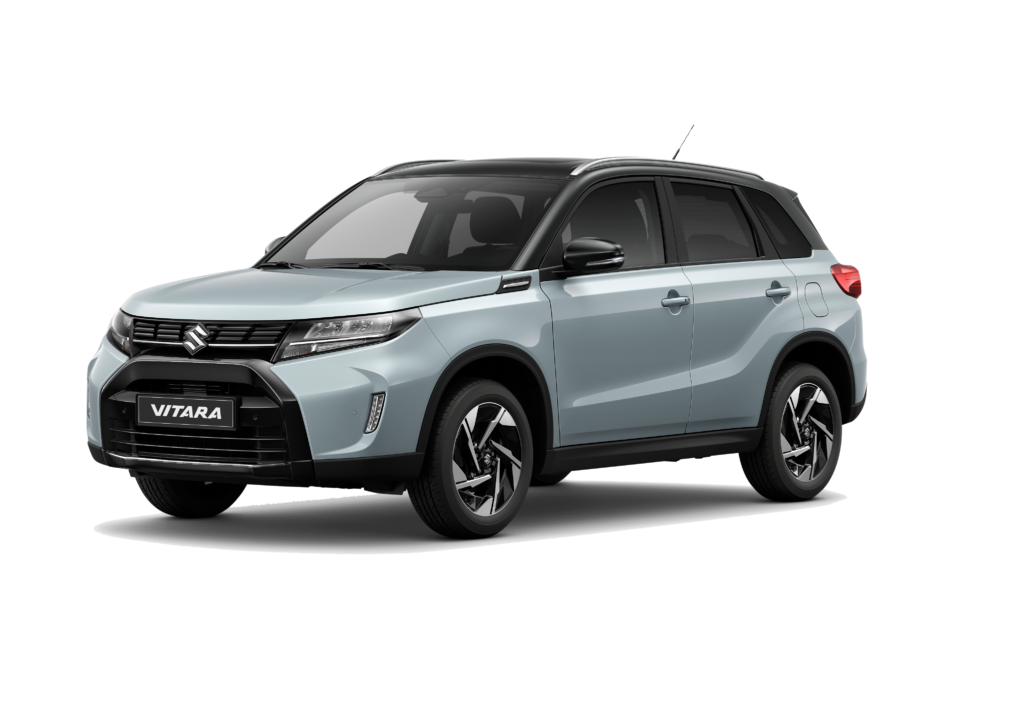
If you’ve ever driven a manual car long enough, you’ll eventually face one inevitable moment: the clutch begins to wear out. It’s like the shoes on your feet—after thousands of steps, they simply lose grip. The same principle applies to your Suzuki Vitara. The clutch is the bridge between the engine and the wheels, and once it starts slipping or grabbing, the driving experience changes instantly.
In this comprehensive guide, we’ll walk through everything about Suzuki Vitara clutch replacement—from warning signs and replacement costs to lifespan, repair steps, and maintenance tips. Whether you’re a Vitara owner trying to diagnose a slipping clutch or someone planning maintenance, this guide will help you understand the whole picture.
Content in this publication
- Understanding the Role of the Clutch in a Suzuki Vitara
- Common Signs Your Suzuki Vitara Clutch Needs Replacement
- How Long Does a Suzuki Vitara Clutch Last?
- Suzuki Vitara Clutch Replacement Cost
- When Should You Replace the Flywheel?
- Step-by-Step Overview of Suzuki Vitara Clutch Replacement
- Tools Needed for Clutch Replacement
- Manual vs Automatic Suzuki Vitara Clutch Systems
- Generations of Suzuki Vitara and Clutch Differences
- Signs of Clutch Hydraulic System Failure
- Can You Drive With a Bad Clutch?
- Tips to Extend Your Suzuki Vitara Clutch Life
- DIY vs Professional Clutch Replacement
- Choosing the Right Replacement Clutch Kit
- Closing Thoughts: Is Clutch Replacement Worth It?
- Frequently Asked Questions
Understanding the Role of the Clutch in a Suzuki Vitara
Before we dive into replacement, it helps to understand what the clutch actually does.
Think of the clutch as the handshake between your engine and transmission. When you press the clutch pedal, you temporarily disconnect the engine from the wheels. That pause allows you to shift gears smoothly.
Without it? Gear changes would be as rough as grinding gravel in a gearbox.
Main Components of the Clutch System
The Suzuki Vitara clutch assembly usually includes:
- Clutch disc (friction plate)
- Pressure plate
- Flywheel
- Release bearing
- Clutch fork
- Hydraulic system (master and slave cylinder)
Each part works together to ensure smooth gear engagement.
When one of them wears out—usually the friction disc—the entire system starts to struggle.
Common Signs Your Suzuki Vitara Clutch Needs Replacement
Clutches rarely fail overnight. Instead, they whisper warnings long before they shout.
Let’s look at the most common symptoms.
1. Clutch Slipping
This is the classic sign.
You press the accelerator, the engine revs, but the car doesn’t accelerate properly.
It feels like running on a treadmill—lots of effort but not much forward motion.
2. Difficulty Changing Gears
If shifting into first or reverse becomes difficult, your clutch may not be fully disengaging.
Signs include:
- Gear grinding
- Stiff gear changes
- Delayed engagement
3. Burning Smell
A worn clutch often produces a burning smell, especially during hill starts or heavy traffic.
That smell is friction material overheating.
4. High Clutch Bite Point
Normally, the clutch engages around the middle of the pedal travel.
If it engages very high near the top, the clutch disc is probably worn.
5. Vibrations When Releasing the Clutch
This issue—sometimes called clutch chatter—can happen when:
- The clutch disc is unevenly worn
- The flywheel is warped
- Oil contaminates the friction surface
How Long Does a Suzuki Vitara Clutch Last?
There’s no single lifespan, but most clutches last between:
60,000 to 120,000 miles (100,000 to 200,000 km)
However, driving style plays a massive role.
Factors That Affect Clutch Lifespan
- Aggressive driving
- Frequent city traffic
- Towing heavy loads
- Riding the clutch
- Poor clutch adjustment
Drivers who mostly cruise on highways may reach 150,000 miles before replacement.
City drivers? Sometimes closer to 70,000 miles.
You may be interested in reading Land Rover Discovery Sport Boot Space: A Practical Guide to Cargo Capacity
Suzuki Vitara Clutch Replacement Cost
One of the biggest concerns is price.
Clutch replacement isn’t cheap because most of the cost comes from labor, not parts.
Average Cost Breakdown
| Item | Cost |
|---|---|
| Clutch kit | $200 – $450 |
| Flywheel resurfacing | $50 – $150 |
| Labor | $500 – $900 |
| Total cost | $700 – $1,300 |
Prices vary depending on:
- Country or region
- Engine type
- Workshop labor rates
For example, turbo engines may cost slightly more due to tighter engine bay access.
When Should You Replace the Flywheel?
Many people ask this question during clutch replacement.
The Honest Answer
Inspect the flywheel carefully.
You should replace or resurface it if you see:
- Heat spots
- Cracks
- Warping
- Uneven surfaces
Skipping flywheel inspection is like putting new tires on bent wheels—it simply won’t work properly.
Step-by-Step Overview of Suzuki Vitara Clutch Replacement
Replacing a clutch is not a quick driveway job for beginners. It requires removing the gearbox.
Here’s a simplified overview.
1. Disconnect the Battery
Safety first. Always disconnect the battery before starting.
2. Remove the Driveshafts
The front axles must be removed to access the transmission.
3. Support the Engine
Because removing the gearbox affects engine mounts, proper support is necessary.
4. Remove the Transmission
This is the most labor-intensive step.
Once removed, the clutch assembly becomes visible.
5. Remove the Old Clutch Assembly
Mechanics remove:
- Pressure plate bolts
- Clutch disc
- Release bearing
6. Inspect the Flywheel
Resurface or replace if necessary.
7. Install the New Clutch Kit
A typical clutch kit includes:
- New clutch disc
- Pressure plate
- Release bearing
8. Reinstall Transmission
After aligning the clutch using a special tool, the gearbox is refitted.
Tools Needed for Clutch Replacement
Professional mechanics usually rely on:
- Transmission jack
- Clutch alignment tool
- Torque wrench
- Socket and ratchet set
- Engine support bar
Without these tools, the job becomes extremely difficult.
Manual vs Automatic Suzuki Vitara Clutch Systems
The term "clutch replacement" usually applies to manual transmissions.
However, modern Vitara models with automatic or hybrid systems may use:
- Dual-clutch transmissions (DCT)
- Torque converter automatics
In those systems, clutch service procedures differ significantly.
Generations of Suzuki Vitara and Clutch Differences
The Vitara has evolved over the years.
You may be interested in readingLand Rover Discovery Sport Boot Space: A Practical Guide to Cargo CapacityYou may be interested in reading
 Land Rover Discovery Sport Size: Dimensions, Space, and Real-World Practicality
Early Vitara (1988–1998)
- Simpler mechanical clutch systems
- Easier access for repairs
Grand Vitara (1998–2015)
- Hydraulic clutch systems
- Slightly more complex transmission removal
Modern Vitara (2015–Present)
- Compact turbo engines
- Tighter engine bays
- Higher labor costs
Signs of Clutch Hydraulic System Failure
Sometimes the clutch itself is fine—the problem lies in the hydraulics.
Watch for:
- Soft clutch pedal
- Fluid leaks
- Pedal sticking to the floor
Possible causes include:
- Master cylinder failure
- Slave cylinder leaks
- Air in the hydraulic line
Replacing these components is far cheaper than replacing the clutch.
Can You Drive With a Bad Clutch?
Technically, yes.
But it’s not a good idea.
Driving with a worn clutch can cause:
- Flywheel damage
- Gearbox wear
- Sudden loss of drive
If the clutch starts slipping heavily, replacement should happen soon.
Tips to Extend Your Suzuki Vitara Clutch Life
Good driving habits make a huge difference.
Smart Clutch Habits
Avoid these common mistakes:
- Resting your foot on the clutch pedal
- Holding the car on hills using the clutch
- Aggressive launches
- Riding the clutch in traffic
Instead:
- Use the handbrake on hills
- Shift smoothly
- Fully release the pedal after shifting
These small habits can add tens of thousands of miles to clutch life.
DIY vs Professional Clutch Replacement
Many enthusiasts consider doing the job themselves.
Let’s be honest.
DIY Pros
- Saves labor costs
- Learning experience
- Complete control over parts used
DIY Cons
- Requires advanced mechanical skill
- Heavy transmission removal
- Risk of improper installation
For most owners, a professional mechanic is the safer choice.
Choosing the Right Replacement Clutch Kit
Not all clutch kits are equal.
Common Options
- OEM clutch kits
- Performance clutch kits
- Heavy-duty clutch kits
For daily driving, OEM-spec kits are usually the best choice.
They balance durability with smooth engagement.
Closing Thoughts: Is Clutch Replacement Worth It?
Absolutely.
A healthy clutch transforms the driving experience. Gear shifts feel crisp, acceleration becomes smooth, and the entire car regains its confidence.
If your Suzuki Vitara shows signs of clutch wear, replacing it sooner rather than later prevents bigger problems down the road.
Think of it like replacing worn running shoes before a marathon. The sooner you swap them, the smoother the journey ahead.
Frequently Asked Questions
1. How much does Suzuki Vitara clutch replacement cost?
Most replacements cost between $700 and $1,300, depending on labor rates and whether the flywheel needs resurfacing.
2. How long does a Suzuki Vitara clutch last?
Typically 60,000–120,000 miles, though gentle drivers may reach 150,000 miles.
3. Can a slipping clutch damage the engine?
Not the engine directly, but it can damage the flywheel and transmission if ignored.
You may be interested in readingLand Rover Discovery Sport Boot Space: A Practical Guide to Cargo CapacityYou may be interested in reading
Land Rover Discovery Sport Size: Dimensions, Space, and Real-World PracticalityYou may be interested in reading
Land Rover Discovery Sport Tyre Pressure: Complete Guide for Safe and Efficient Driving4. Should I replace the flywheel when replacing the clutch?
Not always. However, resurfacing or replacing it is recommended if there are heat spots or warping.
5. Is clutch replacement a difficult job?
Yes. It requires removing the gearbox and is usually best handled by professional mechanics.
If you want to know other articles similar to Suzuki Vitara Clutch Replacement: Cost, Signs, Process, and Expert Tips you can visit the category Service and Parts.
How to Reset Volvo XC60 Infotainment System: The Complete Practical Guide
Volvo XC60 Gearbox Oil Change: The Complete Expert Guide
Volvo XC60 Engine Management Light: Causes, Fixes, and What It Really Means

Skoda Kamiq Size Comparison: Dimensions, Space & Real-World Practicality
Volvo XC60 Headlight Adjustment for Europe: The Complete Practical Guide
Volvo XC60 City Safety Service Required: What It Means, Causes, and Fixes
Leave a Reply
More content of your interest