

Suzuki Vitara Years to Avoid: The Honest Buyer’s Guide We All Need

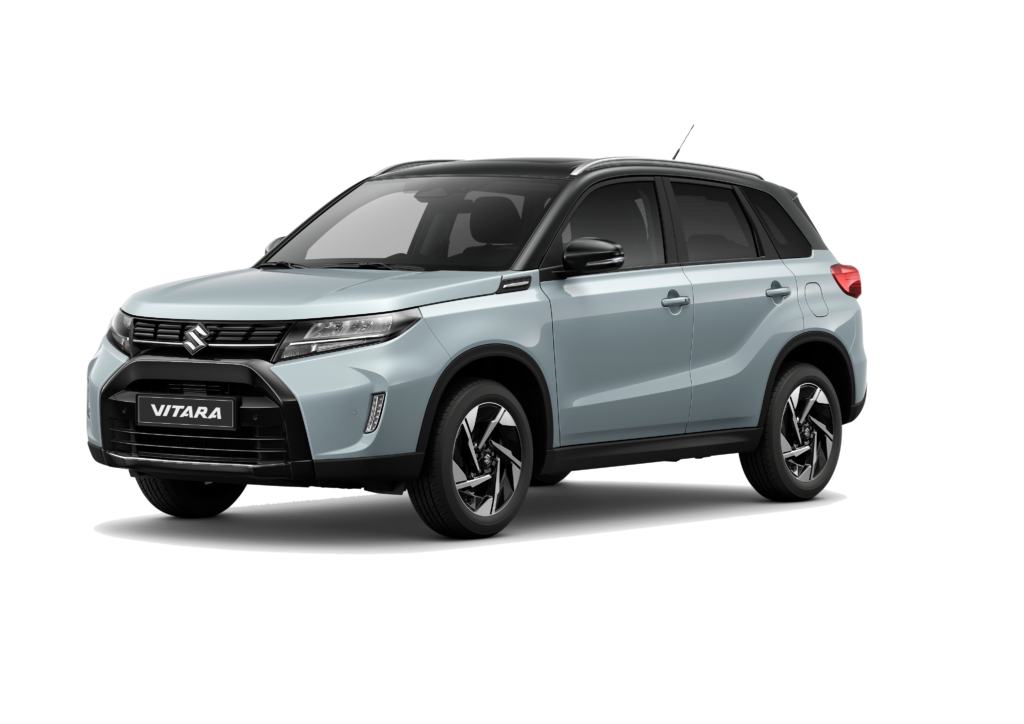
If you're considering a used Suzuki Vitara, you're probably asking the one question that actually matters:
Which Suzuki Vitara years should we avoid?
And that’s smart. Because while the Vitara has built a reputation for being affordable, efficient, and surprisingly capable, not every model year is created equal. Some are smooth and dependable. Others? Let’s just say they test your patience — and your wallet.
Today, we’re diving deep. No fluff. No sugarcoating. Just a clear, structured, human breakdown of the Suzuki Vitara years to avoid — and which ones are safer bets.
Content in this publication
- Why Model Year Matters More Than You Think
- A Quick Overview of Suzuki Vitara Generations
- Suzuki Vitara 2015: The Year We’d Approach Carefully
- Suzuki Vitara 2016: Improved, But Not Perfect
- Suzuki Vitara 2017: The Middle Child Syndrome
- Years We’d Feel More Comfortable Buying
- Common Suzuki Vitara Problems Across All Years
- Diesel vs Petrol: Does It Matter?
- Manual vs Automatic: Which Is Riskier?
- Red Flags When Buying a Used Vitara
- Is the Suzuki Vitara Reliable Overall?
- Should We Completely Avoid 2015–2016 Models?
- How Does the Vitara Compare to Rivals?
- Ownership Costs to Consider
- The Bottom Line: Suzuki Vitara Years to Avoid
Why Model Year Matters More Than You Think
Buying a used car is like adopting a dog. Some are loyal and low-maintenance. Others chew through your sofa and your savings.
The Vitara has gone through generational shifts, engine updates, gearbox tweaks, and software changes. And with every redesign comes risk. Early production years often carry teething problems.
So instead of just saying “avoid this one,” we’re going to explain why.
A Quick Overview of Suzuki Vitara Generations
Before we point fingers at specific years, we need context.
First Modern Generation (2015–2018)
Launched globally in 2015, this generation marked a complete redesign of the Vitara.
Facelifted Generation (2019–Present)
Refreshed styling, updated infotainment, improved safety tech, and mild-hybrid options.
Most reliability discussions revolve around 2015–2017 models.
Suzuki Vitara 2015: The Year We’d Approach Carefully
Why 2015 Raises Eyebrows
The 2015 model was the first year of the redesigned Vitara. And first-year models often carry growing pains.
Commonly reported concerns include:
- Infotainment system glitches
- Touchscreen freezing or rebooting
- Electrical sensor warnings
- Interior rattles and trim issues
- Occasional gearbox hesitation (automatic models)
Transmission Hesitation
Some automatic versions reported jerky shifting at low speeds. Not catastrophic — but noticeable. And annoying.
Electrical Gremlins
Random warning lights popping up? Owners have mentioned intermittent ABS and traction control alerts.
Nothing dramatic. But enough to frustrate.
Verdict: Not a disaster year — but we’d only buy one with full service history and documented fixes.
Suzuki Vitara 2016: Improved, But Not Perfect
By 2016, Suzuki ironed out some early issues. But a few problems lingered.
Boosterjet Engine Concerns
The 1.4L Boosterjet turbo engine became popular. It’s punchy and efficient — but some early units experienced:
- Hesitation under acceleration
- Software calibration issues
- Occasional turbo lag complaints
Most were resolved via ECU updates.
Interior Quality Complaints
Hard plastics and squeaks remained a common talking point. Not a reliability killer — but noticeable.
You may be interested in reading Suzuki Vitara Reliability: Honest Long-Term Ownership Guide
Verdict: Safer than 2015, but still not the strongest year in the lineup.
Suzuki Vitara 2017: The Middle Child Syndrome
2017 is interesting. Not terrible. Not exceptional.
Reported Issues
- Occasional infotainment lag
- Minor electrical faults
- Paint quality concerns in certain markets
But overall? Reliability improved compared to 2015.
Verdict: Not a primary “avoid,” but inspect carefully.
Years We’d Feel More Comfortable Buying
Now let’s flip the script.
Suzuki Vitara 2019 (Facelift Model)
The facelifted Vitara addressed many early weaknesses.
Improvements included:
- Updated infotainment system
- Better material quality
- Refined automatic gearbox
- Improved safety tech
Reliability data suggests fewer widespread complaints.
Suzuki Vitara 2020–2023
These later models benefit from refinement and mild-hybrid integration.
Common strengths:
- Strong fuel economy
- Reliable naturally aspirated engines
- Fewer electrical complaints
- Solid manual gearbox durability
These years are generally considered safe buys.
Common Suzuki Vitara Problems Across All Years
Even reliable cars have patterns. Let’s be transparent.
1. Infotainment Glitches
Freezing screens, slow boot times.
2. Interior Rattles
Especially in earlier builds.
3. Suspension Noise
Occasional knocking from front suspension over rough roads.
4. DPF Concerns (Diesel Models)
Short city drives can clog diesel particulate filters.
Diesel vs Petrol: Does It Matter?
Yes. It absolutely does.
Diesel Models
- Better torque
- Risk of DPF blockage
- More sensitive to short trips
Petrol Models
- Lower maintenance risk
- Simpler long-term ownership
- Better for city drivers
If we’re being practical? The petrol versions are usually the safer used bet.
Manual vs Automatic: Which Is Riskier?
Manual gearboxes in the Vitara are generally robust.
Automatic transmissions (particularly early 2015–2016 units) showed occasional hesitation.
If choosing early models, manual may be the safer option.
You may be interested in readingSuzuki Vitara Reliability: Honest Long-Term Ownership GuideYou may be interested in reading
 Suzuki Vitara Insurance Group: The Real Cost of Covering This Compact SUV
Red Flags When Buying a Used Vitara
When inspecting:
- Check infotainment responsiveness
- Listen for suspension knocks
- Scan for dashboard warning lights
- Test smooth acceleration
- Confirm full service history
And if possible — get a pre-purchase inspection.
Is the Suzuki Vitara Reliable Overall?
Yes. Broadly speaking, the Suzuki Vitara ranks above average in reliability among compact SUVs.
It’s not a luxury SUV. It’s not flashy. But it’s dependable when maintained properly.
The key? Avoid early production quirks.
Should We Completely Avoid 2015–2016 Models?
Not necessarily.
But:
- Only buy with documented repairs
- Prefer manual over early automatic
- Avoid heavily modified examples
- Check recall completion
A well-maintained 2016 can outperform a neglected 2020.
Condition beats calendar year.
How Does the Vitara Compare to Rivals?
Compared to competitors like the Nissan Qashqai, the Vitara often has:
- Lower repair costs
- Simpler engine options
- Better long-term durability
But slightly cheaper interior feel.
Ownership Costs to Consider
Typical running costs include:
- Affordable servicing
- Moderate insurance groups
- Good fuel economy
- Reasonable parts pricing
It’s not a wallet-drainer.
The Bottom Line: Suzuki Vitara Years to Avoid
If we had to narrow it down:
Most Cautious Years
- 2015
- Early 2016 automatic models
Safer Choices
- 2018 onward
- 2019 facelift and newer
The Vitara isn’t a lemon. It’s just a car that matured nicely over time.
Conclusion: Buy Smart, Not Blind
The Suzuki Vitara is like a sturdy hiking boot. Not glamorous. But reliable once broken in.
Avoid early teething years unless fully verified. Focus on facelifted models if budget allows. And always prioritize service history over shiny paint.
When we shop smart, we drive happy.
FAQs About Suzuki Vitara Years to Avoid
1. Is the 2015 Suzuki Vitara unreliable?
Not outright unreliable, but it had early infotainment and minor electrical issues.
2. Which Vitara engine is most reliable?
The naturally aspirated petrol engines tend to be simplest and most dependable.
3. Are automatic Vitaras problematic?
Early automatic models showed minor hesitation issues. Later ones improved significantly.
You may be interested in readingSuzuki Vitara Reliability: Honest Long-Term Ownership GuideYou may be interested in reading
Suzuki Vitara Insurance Group: The Real Cost of Covering This Compact SUVYou may be interested in reading
 Suzuki Vitara Tyre Pressure Reset: The Complete TPMS Guide for Every Driver
4. Is the Vitara good for long-term ownership?
Yes, especially 2018 and newer models with proper maintenance.
5. Should I avoid diesel Vitaras?
Only if you mainly do short city drives. Diesel works best with regular longer trips.
If you want to know other articles similar to Suzuki Vitara Years to Avoid: The Honest Buyer’s Guide We All Need you can visit the category Blog.
Volvo XC60 Quality: A Deep Dive Into Premium Craftsmanship and Everyday Excellence
Volvo XC60 Reliability by Year: The Complete Owner’s Guide
Which Ford Kuga Engine Is Best? The Ultimate Buyer’s Guide
Pros and Cons Mazda CX-30: The Real-World Ownership Breakdown
Peugeot 308 Years to Avoid: The Ultimate Buyer’s Guide
Dacia Duster Reliability: The Real Story Behind This Budget SUV
Leave a Reply
More content of your interest