

The Most Common Ford Kuga Problems: Full Guide to Issues, Symptoms & Real Fixes


Content in this publication
- Understanding Ford Kuga Reliability at a Glance
- Why These Ford Kuga Problems Matter
- Powershift Transmission Problems in the Ford Kuga
- Steering System Issues in the Ford Kuga
- Brake System Failures Affecting the Ford Kuga
- Electrical Problems in the Ford Kuga
- Ford Kuga Engine Oil Leaks
- Climate Control and Air Conditioning Problems
- Additional Problems Ford Kuga Owners Often Encounter
- Preventive Maintenance Checklist for Ford Kuga Owners
- Long-Term Costs Associated With Ford Kuga Problems
- When to Seek Professional Diagnosis
- Conclusion: Is the Ford Kuga a Problematic Car?
Understanding Ford Kuga Reliability at a Glance
The Ford Kuga has earned a reputation as a stylish, capable family SUV, but real ownership reveals a set of recurring problems across various model years. We break down every major issue—from transmission faults to electrical gremlins—offering precise symptoms, technical causes, and proven repair actions so owners can safeguard the vehicle’s long-term performance.
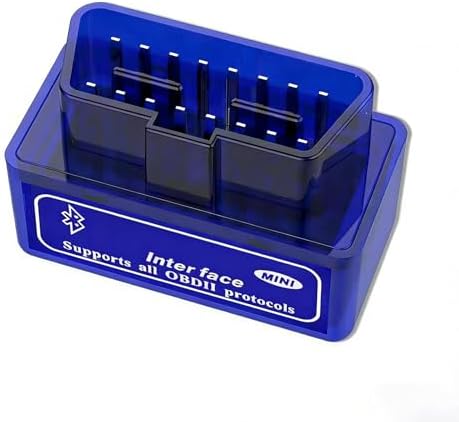
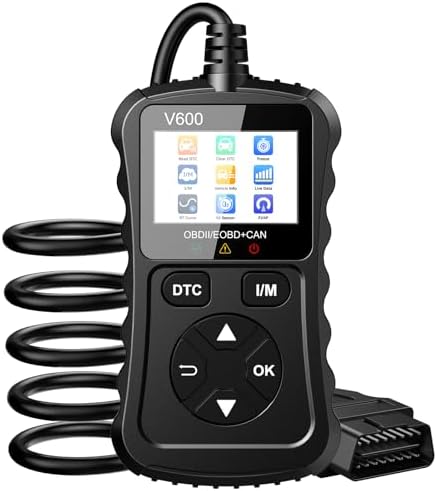

Why These Ford Kuga Problems Matter
Recurring mechanical and electronic faults affect running costs, safety, and driving comfort. By identifying issues early, owners can avoid expensive full-system failures and maintain consistent reliability across petrol, diesel, hybrid, and EcoBoost engines.
Powershift Transmission Problems in the Ford Kuga
The Powershift Issue: What Fails and Why It Happens
The dual-clutch Powershift gearbox (notably the DCT450 and DCT250 units) is one of the most documented Ford Kuga faults, especially in vehicles built before 2016. Slipping, hesitation, and harsh shifts stem from clutch pack degradation, mechatronic wear, and outdated TCM (Transmission Control Module) software.
Typical Symptoms to Watch For
- Delay when accelerating from standstill
- Jerking or shuddering in low gears
- Warning lights related to transmission overheating
- Difficulty engaging reverse
- Loud metallic clicks during gear changes
Proven Solutions
- Reprogramming or updating the TCM
- Replacing the dry clutch packs and seals
- Full mechatronic calibration
- Gearbox fluid and filter renewal where applicable
Preventive Maintenance Measures
- Avoid aggressive low-speed driving in heavy traffic
- Stick to fluid change intervals recommended by Ford specialists
- Run early diagnostics if any shift irregularity appears
Steering System Issues in the Ford Kuga
Why Steering Problems Develop
Hydraulic and electric-assisted steering units in the Kuga can suffer from pump wear, belt deterioration, hydraulic leaks, and EPS (Electronic Power Steering) module faults, particularly in high-mileage units.
Key Warning Signs
- Heavy steering at low speeds
- Whining noise from the engine bay
- Intermittent loss of steering assist
- Steering wheel vibrations
Confirmed Fixes
- Replace the power steering pump
- Renew worn auxiliary belts
- Inspect and refill hydraulic fluid
- Diagnose the EPS module for stored fault codes
Brake System Failures Affecting the Ford Kuga
What Goes Wrong with the Brakes
A considerable number of owners report premature wear of discs and pads, ABS sensor malfunctions, and vibration under braking due to warped rotors.
Recognisable Symptoms
- Vibration or pulsing via the brake pedal
- Grinding noise when braking
- Reduced stopping power
- ABS light activating during normal driving
Effective Solutions
- Replace discs and pads as a matched set
- Perform ABS system calibration and sensor replacement
- Flush and renew brake fluid every two years
- Inspect rear calipers for sticking mechanisms
Electrical Problems in the Ford Kuga
Why Electrical Faults Are Common
The Kuga’s complex electrical infrastructure—including multiple ECUs, CAN-bus modules, and infotainment units—makes it vulnerable to communication failures, grounding issues, and rapid battery discharge.
You may be interested in reading Ford 1.5 EcoBoost Engine Problems: The Definitive, Data-Driven Guide
Commonly Reported Electrical Issues
- Battery draining overnight
- Infotainment unit freezes or reboots
- Central locking glitches
- Faulty sensors triggering warning lights
- Headlights and daytime running lights malfunctioning
Recommended Repair Actions
- Test battery and alternator output
- Inspect vehicle grounds and fusebox for corrosion
- Update SYNC infotainment software
- Replace malfunctioning BCM, ECU, or gateway modules when diagnostics confirm failure
Ford Kuga Engine Oil Leaks
Where the Oil Leaks Occur
Oil leaks tend to appear around:
- Rocker cover gasket
- Oil pan gasket
- Turbo oil feed lines
- Crankshaft oil seals
Older diesel and EcoBoost petrol engines show increased leak risk due to pressure buildup and hardened gaskets.
Management and Repair
- Replace affected gaskets or seals
- Clean contaminated areas to verify the leak source
- Validate PCV (Positive Crankcase Ventilation) valve operation
- Always use high-quality, Ford-approved engine oil
Climate Control and Air Conditioning Problems
Why the HVAC System Fails
Issues arise from refrigerant loss, AC compressor faults, blend door actuator failures, and clogged cabin filters restricting airflow.
Indicators of Fault
- Air conditioning blows warm air
- Weak airflow from vents
- Clicking sounds from dashboard actuators
- Cabin misting even with AC on
Tested Fixes
- Recharge system with R134a or R1234yf refrigerant
- Replace failing AC compressors or condensers
- Fit new cabin/pollen filters
- Diagnose blend door actuators using Ford-specific scan tools
Additional Problems Ford Kuga Owners Often Encounter
1. Diesel Particulate Filter (DPF) Issues
- Frequent regeneration cycles
- Loss of power
- Increased fuel consumption
Solutions: Perform forced regeneration, inspect temperature/pressure sensors, and ensure long enough drives for passive regen.
2. EcoBoost Overheating Concerns
- Coolant loss
- Engine overheating warnings
- Potential engine damage if ignored
Solutions: Pressure-test cooling system, inspect degas pipes, replace water pump, and check for updated coolant hoses.
3. Rear Differential and AWD Faults
- Clunking during acceleration
- AWD malfunction message
- Vibration at higher speeds
Solutions: Change rear differential fluid, inspect Haldex pump, clean strainer, and replace worn bearings.
You may be interested in readingFord 1.5 EcoBoost Engine Problems: The Definitive, Data-Driven GuideYou may be interested in reading
 Ford Kuga FHEV Problems: The Complete, Accurate, Real-World Reliability Guide
4. EGR Valve Failures (Diesel)
- Rough idling
- Reduced power
- Smoke from exhaust
Solutions: Clean or replace EGR valve and recalibrate via diagnostic tools.
Preventive Maintenance Checklist for Ford Kuga Owners
Keeping the Ford Kuga in peak condition requires proactive servicing. Below is the maintenance pattern that reduces the probability of major failures:
Essential Tasks
- Oil and filter change every 10,000–12,000 km
- Transmission diagnostic checks annually
- Brake inspection every 15,000 km
- Coolant pressure checks twice a year
- AC system service every 24 months
- Software updates for all ECUs and infotainment modules
Visual Inspection Points
- Look for early oil leaks
- Inspect tyres for uneven wear (indicating steering or suspension faults)
- Check battery voltage regularly
- Ensure all exterior lights function
Long-Term Costs Associated With Ford Kuga Problems
Understanding common repair costs allows owners to prepare realistic maintenance budgets.
Average Repair Cost Ranges
- Powershift repairs: €650–€2,200
- Steering pump replacement: €300–€800
- Brake system overhaul: €250–€600
- Electrical system diagnostics & repair: €120–€900
- Oil leak repairs: €150–€700
- AC system repair: €120–€1,000
These ranges vary based on engine type, mileage, and workshop expertise.
When to Seek Professional Diagnosis
Seek immediate professional assessment if you notice:
- Overheating under normal driving
- Harsh gear changes in any Powershift model
- Loss of braking effectiveness
- Repeated electrical warning lights
- Sudden steering heaviness
Ignoring these symptoms can result in system failure or costly full-component replacement.
You may be interested in readingFord 1.5 EcoBoost Engine Problems: The Definitive, Data-Driven GuideYou may be interested in reading
Ford Kuga FHEV Problems: The Complete, Accurate, Real-World Reliability GuideYou may be interested in reading
 Ford Kuga Key Not Detected: The Complete Troubleshooting Guide
Conclusion: Is the Ford Kuga a Problematic Car?
The Ford Kuga remains a capable, reliable SUV when maintained proactively. The issues listed above are common but manageable, and most are preventable with timely servicing, proper diagnostics, and software updates. By addressing symptoms early and following structured maintenance, owners can expect long-term dependability, safe performance, and reduced repair costs.
If you want to know other articles similar to The Most Common Ford Kuga Problems: Full Guide to Issues, Symptoms & Real Fixes you can visit the category Common Problems.
Volvo XC60 360 Camera Not Working: Complete Troubleshooting & Fix Guide
Volvo XC60 Key Fob Not Working: Causes, Fixes, and Expert Solutions
Volvo XC60 Low Battery Warning: Causes, Fixes, and Prevention Guide
Volvo XC60 No Sound: Causes, Fixes, and Complete Troubleshooting Guide
Volvo XC60 Common Problems: What Owners Really Experience
Volvo XC60 Issues: The Truth Behind This Popular SUV
Leave a Reply
More content of your interest