

The Most Common Kia Ceed Problems: Complete Guide to Issues, Causes, Symptoms & Fixes

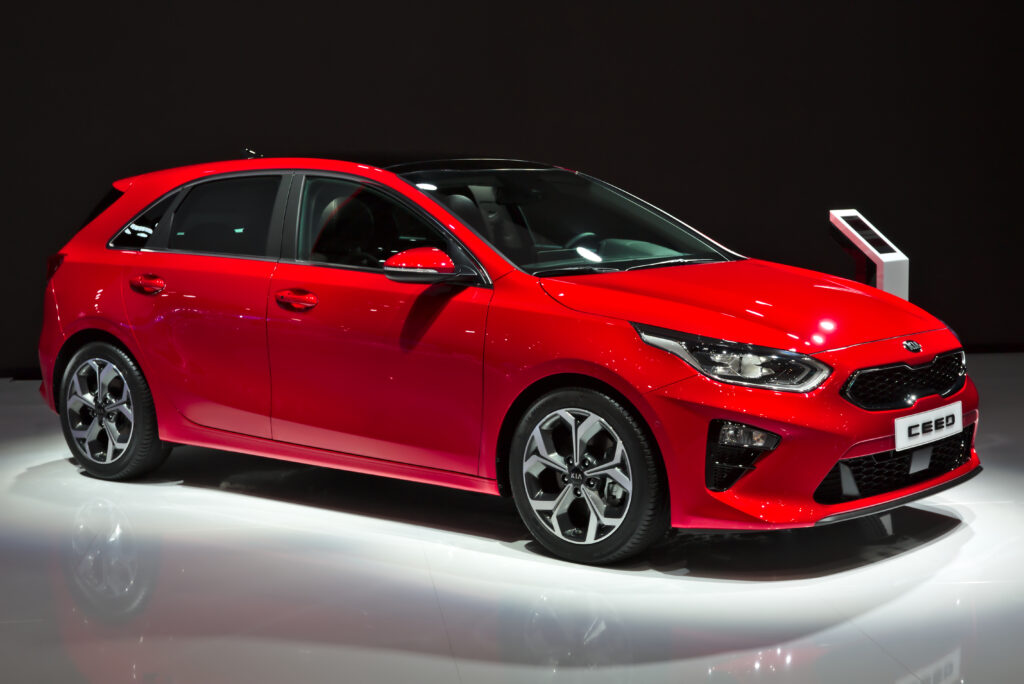
Content in this publication
- Understanding the Kia Ceed’s Problem Profile
- Engine Problems in the Kia Ceed
- Transmission Problems Affecting the Kia Ceed
- Premature Brake Wear in the Kia Ceed
- Suspension Problems in the Kia Ceed
- Electrical Problems in the Kia Ceed
- Exhaust System Problems in the Kia Ceed
- Additional Issues Reported by Kia Ceed Owners
- Maintenance Habits That Prevent Most Kia Ceed Problems
- When Professional Help Is Needed
- Conclusion
- FAQs
Understanding the Kia Ceed’s Problem Profile
We often see the Kia Ceed praised across Europe and the UK for its balance of style, value, technology, and efficiency. Yet, like any long-running model line, it carries a pattern of recurring faults reported by owners across multiple generations (2007–present).
This deep-dive explores each major issue along with symptoms, causes, repair strategies, and prevention methods—equipping you with everything needed to keep the Ceed running reliably for years.
Engine Problems in the Kia Ceed
Engine-related complaints show up frequently, especially on high-mileage 1.4, 1.6 GDI, and older CRDi diesel units.
Common Symptoms of Engine Issues
- Noticeable loss of power during acceleration
- Rough idle or engine vibration
- Check Engine Light illumination
- Unusual knocking, rattling, or ticking sounds
- Misfires under load
- Increased fuel consumption
Likely Causes
- Carbon buildup in GDI intake ports
- Faulty ignition coils or worn spark plugs
- Oil sludge from extended intervals
- Injector contamination
- EGR valve sticking (diesel engines)
How to Fix Engine Faults
- Perform a full diagnostic scan to identify fault codes
- Clean GDI intake system or conduct walnut blasting
- Replace all ignition coils if misfires are recurrent
- Use high-quality fuel system cleaners
- Follow strict oil-change intervals (max 10,000 miles or annually)
Prevention
Keeping the engine healthy revolves around proactive oil maintenance, periodic injector cleaning, and addressing early warning lights without delay.
Transmission Problems Affecting the Kia Ceed
Transmission trouble appears mainly in higher-mileage cars and models equipped with DCT (dual-clutch) gearboxes.
Warning Signs
- Jerky gear shifts
- Delayed acceleration
- Slipping in higher gears
- Grinding sounds
- Transmission overheating alerts
Root Causes
- Degraded transmission fluid
- Software calibration issues
- Worn clutch packs in DCT gearboxes
- Faulty shift solenoids
Recommended Repairs
- Replace transmission fluid using OEM-grade fluid
- Perform gearbox software updates
- Adjust clutch adaptions
- Inspect internal components if slippage persists
Long-Term Avoidance
Regular fluid changes and early software updates drastically reduce long-term gearbox wear.
Premature Brake Wear in the Kia Ceed
Excessive brake wear is widely reported, particularly in urban-driven models.
Typical Symptoms
- Grinding or squealing noises
- Reduced stopping efficiency
- Vibrations during braking
- Frequently worn pads (sometimes under 20,000 miles)
Main Causes
- Stop-start city driving
- Budget aftermarket brake components
- Sticky calipers or seized slide pins
Brake System Remediation
- Replace pads and discs with high-quality OEM or premium units
- Clean and lubricate caliper pins
- Inspect brake hydraulics for uneven wear
How to Minimise Brake Wear
Consistent inspections every 10,000 miles and smooth braking habits significantly extend component life.
Suspension Problems in the Kia Ceed
Suspension complaints are common in older generations, though not exclusive to them.
You may be interested in reading Kia Ceed Clutch Problems: The Complete Guide To Symptoms, Causes, Fixes, And Costs
Signs of Suspension Wear
- Rattling or knocking over speed bumps
- Uneven tyre wear
- A harsher ride than usual
- Instability at motorway speeds
What Causes These Issues?
- Worn shock absorbers
- Broken coil springs
- Degraded bushings
- Misaligned wheels
Corrective Repairs
- Replace worn shocks/struts in pairs
- Install new springs when sagging or cracked
- Conduct a full four-wheel alignment
- Renew lower-arm bushes when excessive play appears
Preventive Measures
Routine underbody inspections help identify worn components before handling and comfort deteriorate.
Electrical Problems in the Kia Ceed
Electrical faults range from minor annoyances to issues that prevent the vehicle from starting.
Common Electrical Fault Symptoms
- Flickering or non-functioning headlights
- Dashboard warning light malfunctions
- Intermittent sensor failures
- No-start conditions despite a healthy battery
What’s Usually Behind the Faults
- Weak battery or corroded terminals
- Faulty alternator output
- Wiring-loom degradation
- Failing sensors: crankshaft, ABS, TPS, MAP, O2, etc.
Fixing Electrical Issues
- Test battery health and voltage
- Check alternator charging rate
- Replace blown fuses and inspect relays
- Run a diagnostic scan for sensor-related codes
Reducing Electrical Failures
Regular battery tests, keeping terminals clean, and addressing warning lights early minimise electrical instability.
Exhaust System Problems in the Kia Ceed
The exhaust system—especially diesels with DPF filters—has its own set of recurring problems.
Symptoms Associated With Exhaust Issues
- Deep or metallic exhaust noises
- Excess soot at the tailpipe
- Bad fuel economy
- DPF warning lights
- Reduced engine performance
Potential Causes
- Clogged DPF on diesel engines
- Exhaust leaks at gaskets or joints
- Faulty oxygen sensors
- Broken hangers or corroded pipes
Repair Solutions
- Conduct a DPF regeneration or professional cleaning
- Replace rusted exhaust sections
- Fit new O2 sensors when readings are out of range
- Inspect for cracks and seal any leaks
Preventing Future Exhaust Problems
Longer motorway drives help keep diesel DPF systems clean and prevent soot accumulation.
Additional Issues Reported by Kia Ceed Owners
Beyond the major mechanical areas, some owners experience smaller but recurring problems worth noting.
Common Minor Problems
- Door lock actuator failures
- AC not cooling due to low refrigerant or condenser leaks
- Rear wiper motor failures
- Infotainment touchscreen lag or freezing
- TPMS sensor failures after tyre changes
Fixes and Recommendations
Replacing faulty components early prevents domino-effect failures across electrical subsystems.
Maintenance Habits That Prevent Most Kia Ceed Problems
Proper preventive care eliminates the majority of common Ceed issues.
You may be interested in readingKia Ceed Clutch Problems: The Complete Guide To Symptoms, Causes, Fixes, And CostsYou may be interested in reading
 Kia Ceed Not Starting: Complete Troubleshooting Guide to Fix a No-Start Issue
Essential Maintenance Actions
- Strictly follow Kia’s service schedule
- Change engine oil at shorter intervals
- Inspect brakes and suspension annually
- Replace filters (air, fuel, cabin) when due
- Use high-quality OEM fluids and components
- Run periodic full diagnostic scans
- Address minor noises or warning lights early
Strong maintenance discipline dramatically improves long-term reliability and reduces unexpected repair costs.
When Professional Help Is Needed
While many issues can be identified through symptoms, persistent electrical, transmission, or engine performance problems should always be evaluated by a qualified technician using manufacturer-grade diagnostic equipment. Early intervention saves money and prevents more serious mechanical failures.
Conclusion
The Kia Ceed remains a dependable and well-regarded hatchback, yet recurring engine, suspension, brake, electrical, and exhaust problems mean owners must stay vigilant. With early detection, correct servicing, and proper maintenance habits, nearly all these issues can be controlled or eliminated.
By understanding each fault category in detail, we ensure that your Kia Ceed delivers smooth performance, long-term reliability, and confidence on every journey.
FAQs
1. Are Kia Ceed engines reliable in the long term?
Yes—when serviced at correct intervals. Poor-quality oil or carbon buildup is the main cause of premature issues.
2. What is the most common Kia Ceed problem?
Engine performance issues and premature brake wear are among the most frequently reported.
3. How long does a Kia Ceed DCT gearbox last?
With fluid changes and software updates, many exceed 120,000 miles. Neglect reduces lifespan significantly.
4. Why does my Kia Ceed produce rattling sounds over bumps?
Worn shock absorbers, top mounts, or suspension bushings are common reasons.
5. Does the Kia Ceed experience electrical failures often?
Not excessively, but ageing batteries, sensors, and wiring-loom wear can trigger recurring faults.
You may be interested in readingKia Ceed Clutch Problems: The Complete Guide To Symptoms, Causes, Fixes, And CostsYou may be interested in reading
Kia Ceed Not Starting: Complete Troubleshooting Guide to Fix a No-Start IssueYou may be interested in reading
 Kia Ceed Reversing Camera Not Working: The Complete Troubleshooting Guide
If you want to know other articles similar to The Most Common Kia Ceed Problems: Complete Guide to Issues, Causes, Symptoms & Fixes you can visit the category Common Problems.
Ford Mondeo Tyre Pressure Sensor Malfunction: Complete Guide to Diagnosis, Fixes, and Prevention
Ford Mondeo Engine Malfunction: Causes, Fixes, and Prevention Guide

Volvo XC60 360 Camera Not Working: Complete Troubleshooting & Fix Guide
Volvo XC60 Key Fob Not Working: Causes, Fixes, and Expert Solutions
Volvo XC60 Low Battery Warning: Causes, Fixes, and Prevention Guide
Volvo XC60 No Sound: Causes, Fixes, and Complete Troubleshooting Guide
Leave a Reply
More content of your interest