
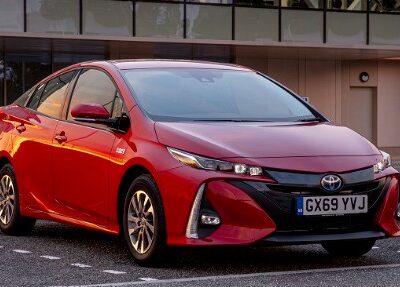
Toyota Prius Check Hybrid System: Causes, Fixes & Expert Guide

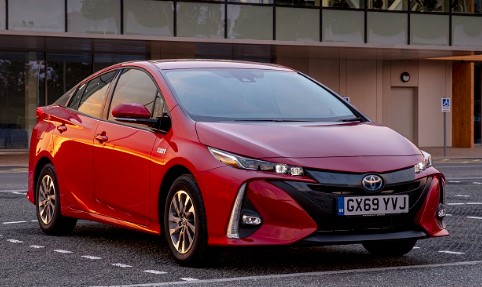
When your Toyota Prius suddenly flashes the dreaded “Check Hybrid System” warning, it feels like your car is speaking a foreign language—and not a friendly one. One moment you're gliding silently like a futuristic spaceship, the next you're staring at a warning that sounds expensive.
So what does it actually mean? Is it serious? Can you still drive? And most importantly—how do we fix it without draining our wallet?
Let’s break it down together, step by step, like we’re diagnosing it in our own driveway.
Content in this publication
- What Does “Check Hybrid System” Mean?
- Why This Warning Matters More Than You Think
- Most Common Causes of the “Check Hybrid System” Warning
- Symptoms You Should Never Ignore
- Can You Still Drive With This Warning?
- How to Diagnose the Problem (Like a Pro)
- Quick Fixes You Can Try at Home
- When You Need a Professional Repair
- Cost Breakdown: What Should You Expect?
- How to Prevent This Warning in the Future
- Is It Always the Hybrid Battery? (Spoiler: No)
- How Long Does It Take to Fix?
- Real-World Scenario: What Usually Happens
- Should You Buy a Prius With This Warning?
- Expert Tips Most Owners Don’t Know
- Closing Thoughts: Don’t Panic, Diagnose
- FAQs
What Does “Check Hybrid System” Mean?
At its core, this warning is your Prius telling you:
“Hey… something in the hybrid system isn’t working properly.”
Unlike a simple check engine light, this message relates specifically to the hybrid components—those clever systems that blend gasoline and electricity.
Key Systems Involved
- Hybrid battery (traction battery)
- Inverter and converter
- Electric motor
- Battery cooling system
- Wiring and sensors
Think of it like a team of players—if one underperforms, the whole system notices.
Why This Warning Matters More Than You Think
This isn’t just a “check it later” alert.
When the hybrid system fails:
- Fuel efficiency drops instantly
- Performance becomes sluggish
- The car may enter limp mode
- In worst cases… it won’t start at all
It’s like your Prius switching from “eco genius” to “bare survival mode.”
Most Common Causes of the “Check Hybrid System” Warning
Let’s get practical. These are the real-world culprits we see most often.
1. Hybrid Battery Degradation
Over time, the hybrid battery naturally wears out.
Signs:
- Reduced fuel economy
- Sudden drops in battery charge
- Warning appears intermittently
Typical lifespan: 8–15 years or 150,000–250,000 miles
2. Inverter Failure
The inverter converts DC power from the battery into AC power for the motor.
If it fails:
- The car may shut down suddenly
- Warning appears immediately
- You may lose acceleration
3. Faulty Battery Cooling System
The hybrid battery needs proper cooling.
Common issues:
- Blocked air vents
- Dirty cooling fan
- Fan motor failure
Result: overheating → system warning
4. 12V Auxiliary Battery Issues
Surprisingly, a weak 12V battery can trigger this warning.
Why? Because it powers the electronics that control the hybrid system.
5. Wiring or Sensor Problems
Loose connections or damaged wires can confuse the system.
Think of it like a broken conversation between components.
You may be interested in reading Toyota Prius Common Problems: The Real Truth Behind the Hybrid Icon
6. Software or ECU Glitches
Sometimes… it’s not hardware at all.
- Software bugs
- ECU miscommunication
- Temporary faults
These can often be reset.
Symptoms You Should Never Ignore
When the warning appears, your Prius might behave differently.
Watch for:
- Reduced power or acceleration
- Loud engine noise (engine working harder)
- Battery not charging properly
- Car stuck in electric-only or gas-only mode
- Complete shutdown
If it feels “off,” trust that instinct.
Can You Still Drive With This Warning?
Short answer: sometimes… but not safely for long.
Safe vs Risky Scenarios
Possibly safe (short distance):
- Warning appears briefly
- No performance issues
- Car drives normally
Unsafe:
- Loss of power
- Overheating
- Car won’t accelerate properly
Driving like this is like walking on thin ice—you might be fine… until you’re not.
How to Diagnose the Problem (Like a Pro)
Before panicking, let’s get some clarity.
Step 1: Scan for Error Codes
Use an OBD2 scanner.
Common codes:
- P0A80 → Battery replacement needed
- P0A93 → Cooling system issue
- P0A94 → Inverter failure
Step 2: Check the 12V Battery
- Measure voltage (should be ~12.6V when off)
- Replace if weak
Step 3: Inspect Battery Cooling Vent
- Usually located near rear seat
- Remove dust and debris
Step 4: Listen for the Cooling Fan
- If silent → possible failure
Quick Fixes You Can Try at Home
Let’s be honest—we all want the cheapest solution first.
Try These Before Going to a Mechanic:
- Disconnect 12V battery for 10–15 minutes (reset system)
- Clean battery cooling vent
- Replace weak 12V battery
- Tighten loose connections
Sometimes, the fix is surprisingly simple.
When You Need a Professional Repair
If the issue persists, it’s time to escalate.
Repairs That Require a Mechanic:
- Hybrid battery replacement
- Inverter repair
- ECU diagnostics
- Electrical wiring fixes
These are not DIY-friendly unless you’re highly experienced.
Cost Breakdown: What Should You Expect?
Let’s talk money—because that’s the real anxiety trigger.
Estimated Costs:
- 12V battery: $100–$300
- Cooling fan repair: $200–$600
- Inverter replacement: $1,000–$3,000
- Hybrid battery replacement:
- Refurbished: $1,000–$2,500
- New: $2,500–$4,500
It’s a wide range—but knowing it helps you stay in control.
How to Prevent This Warning in the Future
Prevention is always cheaper than repair.
Smart Habits:
- Keep battery vents clean
- Avoid extreme heat exposure
- Drive regularly (don’t let it sit too long)
- Check battery health periodically
Your Prius thrives on consistency—like a well-trained athlete.
Is It Always the Hybrid Battery? (Spoiler: No)
Many people jump to conclusions.
But here’s the truth:
You may be interested in readingToyota Prius Common Problems: The Real Truth Behind the Hybrid IconYou may be interested in reading
Toyota Prius Not Starting: The Complete Troubleshooting Guide We Wish We Had Sooner- Not every warning = battery failure
- Many cases are minor issues
- Misdiagnosis is common
That’s why scanning codes is crucial.
How Long Does It Take to Fix?
It depends on the issue.
Typical Timeframes:
- Battery reset: 15 minutes
- Cooling fan cleaning: 1 hour
- Battery replacement: 2–4 hours
- Inverter repair: 3–6 hours
Some fixes are quick wins. Others… require patience.
Real-World Scenario: What Usually Happens
Let’s paint a realistic picture.
You’re driving. The warning pops up. You panic.
But then:
- You restart the car → warning disappears
- You keep driving → it returns later
This cycle usually points to:
- Battery degradation
- Cooling issue
- Intermittent electrical fault
It’s like a warning whisper before it starts shouting.
Should You Buy a Prius With This Warning?
If you’re considering a used Prius…
Proceed with caution:
- Always scan for codes
- Check battery health report
- Negotiate price aggressively
A Prius with this warning can be a bargain—or a money pit.
Expert Tips Most Owners Don’t Know
Let’s go a level deeper.
- Hybrid batteries rarely fail suddenly—they degrade gradually
- Heat is the #1 enemy of battery life
- Frequent short trips can worsen battery health
- A clogged vent can mimic serious failures
Sometimes, the smallest detail makes the biggest difference.
Closing Thoughts: Don’t Panic, Diagnose
Seeing “Check Hybrid System” can feel like your Prius is about to give up on you.
But here’s the reality:
- It’s a warning—not a death sentence
- Many causes are fixable
- Early diagnosis saves money
Think of it like a check-up, not an emergency—unless you ignore it.
Treat your Prius well, listen to its signals, and it’ll keep rewarding you with that smooth, silent efficiency we all love.
FAQs
1. Can I reset the “Check Hybrid System” warning?
Yes, by disconnecting the 12V battery—but if the issue is real, it will return.
2. How long does a Prius hybrid battery last?
Typically 8–15 years depending on usage and climate.
3. Is it safe to drive with this warning on?
Only for short distances if there are no performance issues—but not recommended long-term.
4. What is the most common cause of this warning?
Hybrid battery degradation and cooling system issues are the most common.
5. Can a bad 12V battery trigger this warning?
Yes, surprisingly—it can affect system communication and trigger the alert.
You may be interested in readingToyota Prius Common Problems: The Real Truth Behind the Hybrid IconYou may be interested in reading
Toyota Prius Not Starting: The Complete Troubleshooting Guide We Wish We Had SoonerYou may be interested in reading
 How to Fix Fiat 500 Clutch Problems: Symptoms and Solutions
If you want to know other articles similar to Toyota Prius Check Hybrid System: Causes, Fixes & Expert Guide you can visit the category Common Problems.
Toyota Prius Not Starting: The Complete Troubleshooting Guide We Wish We Had Sooner
Toyota Prius Common Problems: The Real Truth Behind the Hybrid Icon

Bluetooth Greyed Out on Vauxhall Mokka: Causes, Fixes & Expert Solutions

VW Touareg Not Recognizing Key: Complete Fix & Troubleshooting Guide

SEAT Leon Navigation Database Not Available: Complete Fix Guide
SEAT Leon No Heat in Car: Causes, Fixes, and Hidden Solutions We Often Overlook
Leave a Reply
More content of your interest