
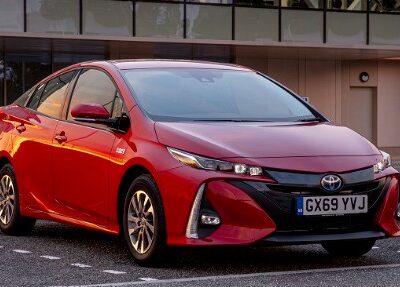
Toyota Prius VSC Warning Light: Causes, Fixes, and What It Really Means

Content in this publication
- Understanding the VSC Warning Light in Your Toyota Prius
- What Does VSC Stand For?
- Why the VSC Light Comes On
- Common Causes of the Toyota Prius VSC Warning Light
- When the VSC Light Comes With Other Lights
- Can You Drive With the VSC Light On?
- How to Reset the VSC Light
- When to See a Mechanic
- Diagnostic Tools: What Mechanics Use
- How Much Does It Cost to Fix?
- Preventing the VSC Warning Light
- Is the VSC System Always Active?
- What Happens If You Turn Off VSC?
- VSC vs Traction Control: What’s the Difference?
- Real-World Scenario: What It Feels Like
- Should You Panic When the VSC Light Appears?
- Closing Thoughts: Your Prius Is Talking—Listen to It
- FAQs About Toyota Prius VSC Warning Light
Understanding the VSC Warning Light in Your Toyota Prius
If you’ve ever been cruising comfortably in your Toyota Prius and suddenly noticed the VSC warning light, you probably felt that subtle wave of concern creep in. What does it mean? Is it dangerous? Can you keep driving?
We’ve all been there—dashboard lights flashing like cryptic messages from a machine that speaks its own language. But don’t worry. Let’s break it down together in plain, human terms.
What Does VSC Stand For?
Vehicle Stability Control Explained
VSC stands for Vehicle Stability Control, a safety system designed to keep your car stable during slippery or sudden driving conditions.
Think of it like a silent co-pilot:
- It detects when your car starts to skid
- It automatically adjusts braking power
- It helps you regain control without even noticing
In simple terms, VSC prevents you from losing control—especially on wet roads, sharp turns, or emergency maneuvers.
Why the VSC Light Comes On
Not Always a Disaster
Here’s the truth: the VSC light doesn’t always mean something is broken.
Sometimes, it’s just your Prius saying:
“Hey, I had to step in for a moment.”
But other times… it’s asking for help.
Common Causes of the Toyota Prius VSC Warning Light
1. Temporary Loss of Traction
This is the most harmless reason.
- Wet roads
- Gravel surfaces
- Sudden acceleration
Your VSC system activates, the light flashes, and then disappears.
👉 No action needed.
2. Faulty Wheel Speed Sensors
These sensors monitor how fast each wheel spins.
If one fails:
- The system gets confused
- VSC can’t function properly
- The light stays on
3. Issues with the ABS System
The VSC system works closely with ABS (Anti-lock Braking System).
If ABS fails:
- VSC may shut down
- You may see multiple lights:
- VSC
- ABS
- Traction control
4. Low Brake Fluid Levels
Sounds simple, but it matters.
- Low fluid affects braking performance
- VSC relies on braking adjustments
- Result: warning light
5. Steering Angle Sensor Problems
This sensor tells the car which direction you’re steering.
If it misreads:
- The system thinks you’re out of control
- Even if you’re driving perfectly straight
6. Engine or Hybrid System Issues
Sometimes, the VSC light is triggered by something unrelated.
In many cases:
You may be interested in reading Toyota Prius Life Expectancy: How Long Does a Prius Really Last?
- Check Engine Light + VSC Light = engine-related issue
Your Prius might disable stability control as a precaution.
When the VSC Light Comes With Other Lights
The “VSC + Check Engine” Combo
This is where things get interesting.
If both lights are on:
- It’s often not a stability problem
- It’s usually an engine issue affecting performance
Examples:
- Loose gas cap
- Faulty oxygen sensor
- Emissions-related fault
Can You Drive With the VSC Light On?
Short Answer: Yes… But Be Careful
Let’s be real—we don’t always have the luxury to stop immediately.
You can drive, but:
- Your stability system may not work
- You’re more vulnerable in slippery conditions
👉 Think of it like driving without a safety net.
How to Reset the VSC Light
Simple Fixes You Can Try First
Before heading to a mechanic, try these:
1. Restart the Vehicle
- Turn off the car
- Wait a few minutes
- Restart
Sometimes, it’s just a glitch.
2. Check the Gas Cap
- Tighten it properly
- Drive for a few miles
Yes, something this small can trigger the light.
3. Disconnect the Battery
- Leave it off for 10–15 minutes
- Reconnect
⚠️ Note: This resets all systems, not just VSC.
When to See a Mechanic
Don’t Ignore These Signs
You should get professional help if:
- The light stays on constantly
- Multiple warning lights appear
- You notice handling issues
- Braking feels unusual
Diagnostic Tools: What Mechanics Use
OBD-II Scanners
Technicians plug into your car using an OBD-II scanner to read error codes.
These codes reveal:
- Exact faulty components
- System failures
- Hidden issues
How Much Does It Cost to Fix?
Estimated Repair Costs
Here’s a rough breakdown:
- Wheel sensor replacement: $100–$300
- ABS module repair: $300–$800
- Steering angle sensor: $200–$600
- Brake fluid service: $50–$150
👉 Costs vary depending on your location and Prius model year.
Preventing the VSC Warning Light
Simple Habits That Go a Long Way
We often overlook maintenance… until the dashboard reminds us.
To avoid issues:
- Regularly check brake fluid
- Maintain tire pressure
- Avoid aggressive driving
- Keep sensors clean
- Schedule periodic inspections
Is the VSC System Always Active?
Yes—But It Works in the Background
You rarely notice it because it’s designed to be invisible.
It only steps in when:
- You’re about to skid
- You lose traction
- Sudden steering changes occur
What Happens If You Turn Off VSC?
Manual Override
Some Prius models allow you to disable VSC.
You may be interested in readingToyota Prius Life Expectancy: How Long Does a Prius Really Last?You may be interested in reading
Toyota Prius 1.8 Hybrid Fuel Consumption: The Real-World Efficiency GuideWhy would you do that?
- Driving in deep snow or sand
- When you need wheel spin
But generally?
👉 It’s safer to keep it ON.
VSC vs Traction Control: What’s the Difference?
They Work Together, But They’re Not the Same
- Traction Control: prevents wheel spin
- VSC: keeps the car stable during turns
Think of traction control as grip management, and VSC as balance control.
Real-World Scenario: What It Feels Like
Imagine this:
You’re taking a sharp turn on a rainy night.
Suddenly:
- The car feels like it’s sliding
- The VSC kicks in
- Brakes adjust automatically
And just like that—you stay in control.
That’s VSC doing its job.
Should You Panic When the VSC Light Appears?
Absolutely Not
Let’s put it into perspective:
- Sometimes it’s normal behavior
- Sometimes it’s a minor issue
- Rarely is it something catastrophic
The key is understanding the context.
Closing Thoughts: Your Prius Is Talking—Listen to It
The VSC warning light isn’t your enemy—it’s a messenger.
It’s your Toyota Prius telling you:
“Something needs attention… let’s fix it before it becomes a bigger problem.”
If we treat these signals as guidance rather than threats, we stay ahead of costly repairs and dangerous situations.
So next time that light flickers on, instead of panic—respond with curiosity.
FAQs About Toyota Prius VSC Warning Light
1. Why does my VSC light turn on and off randomly?
It’s usually due to temporary traction loss. If it disappears quickly, it’s normal.
2. Can a bad battery cause the VSC light?
Yes, especially in hybrid systems where voltage stability is crucial.
3. Does VSC affect fuel economy?
Not directly, but issues triggering the light might impact efficiency.
Indirectly. Hybrid system faults can disable VSC as a safety measure.
5. How urgent is it to fix the VSC warning light?
If it’s persistent, you should address it soon—especially for safety reasons.
You may be interested in readingToyota Prius Life Expectancy: How Long Does a Prius Really Last?You may be interested in reading
Toyota Prius 1.8 Hybrid Fuel Consumption: The Real-World Efficiency GuideYou may be interested in reading
 Toyota Corolla AE86 Engine Swap – The Ultimate Guide
If you want to know other articles similar to Toyota Prius VSC Warning Light: Causes, Fixes, and What It Really Means you can visit the category Blog.
Toyota Prius Life Expectancy: How Long Does a Prius Really Last?
Toyota Prius Insurance Group: Costs, Ratings & How to Save Big

Is the SEAT Leon a Good First Car? A Complete Buyer’s Guide
Are SEAT Leon Good Cars? A Complete, Honest Buyer’s Guide

Bad Years for Volkswagen Passat Sedan 4D: What We Really Need to Know Before Buying

How Reliable Are Nissan Jukes? A Complete, Honest Guide
Leave a Reply
More content of your interest