
Toyota RAV4 vs Subaru Forester (2025 Comparison): Which SUV Should You Buy?

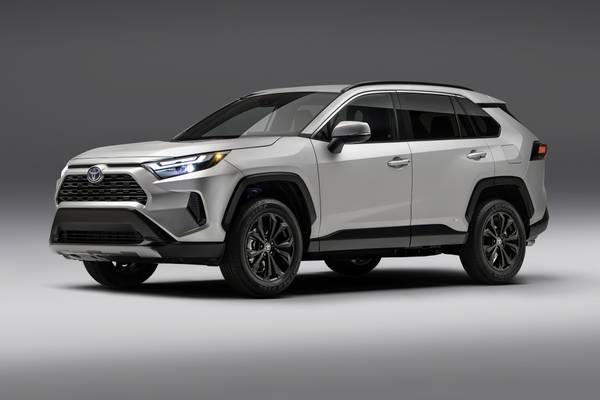
The 2025 Toyota RAV4 and 2025 Subaru Forester remain two of the most trusted compact SUVs in America. Both are reliable, safe, and versatile — but which delivers the better value, performance, and ownership experience for U.S. drivers?
We’ve analyzed pricing, performance, fuel economy, interior space, safety, and tech to help you decide which SUV suits your lifestyle.
Content in this publication
- Overview: Two Compact SUV Giants Face Off
- Performance and Engine Power
- Fuel Economy: RAV4 Wins in Efficiency
- Interior Space and Cargo Capacity
- Driving and Handling
- Safety and Driver Assistance
- Comfort and Convenience Features
- Infotainment and Connectivity
- Reliability and Ownership Costs
- Trim Level Flexibility
- Resale Value and Warranty
- Recommended for U.S. Drivers
- Verdict: Toyota RAV4 Edges Out the Forester
- Final Thoughts
Overview: Two Compact SUV Giants Face Off
| Specification | 2025 Toyota RAV4 LE FWD | 2025 Subaru Forester Base AWD |
|---|---|---|
| Starting MSRP | $28,850 | $29,995 |
| Drivetrain | FWD (AWD optional) | Standard AWD |
| Horsepower | 203 hp | 180 hp |
| Torque | 184 lb-ft | 178 lb-ft |
| Transmission | 8-speed automatic | CVT |
| EPA Combined MPG | 30 mpg | 29 mpg |
| Cargo Space (behind 2nd row) | 37.6 cu. ft. | 29.6 cu. ft. |
| Max Cargo (rear seats folded) | 69.8 cu. ft. | 74.4 cu. ft. |
Performance and Engine Power
Toyota RAV4: More Muscle, More Confidence
The RAV4’s 2.5-liter four-cylinder engine delivers 203 horsepower and 184 lb-ft of torque, giving it a punchier response for highway merging and passing. Its 8-speed automatic transmission ensures smooth gear shifts, offering a refined drive that feels controlled and predictable.
Front-wheel drive comes standard, while Dynamic Torque Vectoring AWD is available for those who need extra grip on snowy or rough terrain.
Subaru Forester: Standard AWD, Less Power
The Forester’s 2.5-liter SUBARU BOXER® engine produces 180 horsepower and 178 lb-ft of torque. While it provides balanced handling, its CVT (continuously variable transmission) lacks the snappy gear feel of the RAV4’s traditional automatic.
Subaru’s Symmetrical All-Wheel Drive is standard — an advantage for drivers in northern states where traction matters most.
Fuel Economy: RAV4 Wins in Efficiency
| Condition | RAV4 | Forester |
|---|---|---|
| City | 27 mpg | 26 mpg |
| Highway | 35 mpg | 33 mpg |
| Combined | 30 mpg | 29 mpg |
Toyota’s hybrid experience pays off even in the standard RAV4. It’s slightly more efficient across all drive cycles, saving you fuel money year-round.
Interior Space and Cargo Capacity
Passenger Comfort
Both SUVs offer two rows of comfortable seating, but the RAV4’s cabin feels slightly sportier, while the Forester’s boxier design provides more headroom.
| Measurement | RAV4 | Forester |
|---|---|---|
| Front Legroom | 41.0 in | 43.3 in |
| Rear Legroom | 37.8 in | 39.4 in |
| Front Headroom | 37.7 in | 41.2 in |
| Rear Headroom | 39.5 in | 39.6 in |
The Forester offers more headroom, ideal for taller passengers, but the RAV4’s cabin design feels more upscale and refined with better materials and ergonomics.
You may be interested in reading Toyota RAV4 vs Mazda CX-5 (2025): Which SUV Delivers the Best Balance of Power, Comfort and Value?
Cargo Space
The RAV4 shines with 37.6 cu. ft. of cargo room behind the second row — significantly more than the Forester’s 29.6 cu. ft.
However, with the seats folded flat, the Forester slightly edges out the RAV4 (74.4 vs. 69.8 cu. ft.) thanks to its more squared-off tailgate design.
Driving and Handling
- RAV4: Tighter steering and firmer suspension make it feel more dynamic and composed around corners. The available AWD system adds stability and confidence.
- Forester: Its low-center-of-gravity BOXER engine enhances balance and ride comfort, especially on uneven roads. It’s softer and smoother but less engaging for spirited driving.
Safety and Driver Assistance
Both vehicles are loaded with advanced driver-assistance systems, but Toyota’s Safety Sense 2.5™ suite offers a few extra features that elevate confidence.
| Safety Feature | RAV4 LE | Forester Base |
|---|---|---|
| Pre-Collision System w/ Auto Braking | ✔ Included | ✔ Included |
| Lane Departure Alert w/ Steering Assist | ✔ Included | ✔ Included |
| Dynamic Radar Cruise Control | ✔ Included | ✔ Included |
| Blind Spot Monitor | Optional | Not Available |
| Rear Cross-Traffic Alert | Optional | Not Available |
| Hill-Start Assist | ✔ Included | ✔ Included |
| Stability & Traction Control | ✔ Standard | ✔ Standard |
Verdict: The RAV4 offers more available safety tech, particularly blind-spot and rear cross-traffic alerts, which are absent in the base Forester.
Comfort and Convenience Features
| Feature | RAV4 LE | Forester Base |
|---|---|---|
| Dual-zone automatic climate control | Optional | Standard |
| Heated front seats | Optional | Optional |
| Power driver’s seat | Optional | Optional |
| Heated side mirrors | Optional | Not Available |
| One-touch power windows (front & rear) | Standard | Driver only |
| Keyless entry & push-button start | Optional | Optional |
While both SUVs cater to practicality, Toyota includes more convenience features even in its base trim, such as full one-touch windows and optional heated mirrors.
Infotainment and Connectivity
Both SUVs provide modern infotainment setups, but Toyota takes the lead in audio power and screen size flexibility.
| Infotainment Element | RAV4 | Forester |
|---|---|---|
| Touchscreen | 8.0 in (10.5 in optional) | 8.0 in |
| Apple CarPlay® / Android Auto™ | Standard | Standard |
| Bluetooth / Voice Control | Standard | Standard |
| Number of Speakers | 6 | 4 |
| Navigation System | Optional | Optional |
| Wireless Charging | Optional | Optional |
Toyota’s multimedia interface feels more polished, with a crisp display and faster response times.
Reliability and Ownership Costs
Toyota continues its legacy of dependability, ranking near the top in long-term reliability surveys by J.D. Power and Consumer Reports. Subaru also enjoys a reputation for durability, particularly in harsh weather climates, but its CVT transmissions can require more maintenance over time.
Estimated 5-Year Ownership Costs:
| Category | RAV4 | Forester |
|---|---|---|
| Maintenance & Repairs | $4,300 | $4,900 |
| Fuel (5-year average) | $7,200 | $7,500 |
| Depreciation | $11,200 | $10,900 |
| Insurance | $6,000 | $6,100 |
Trim Level Flexibility
Toyota offers six RAV4 trims (LE, XLE, XLE Premium, Adventure, TRD Off-Road, and Limited), plus hybrid variants — giving buyers a wide range of choices.
Subaru provides five Forester trims (Base, Premium, Sport, Limited, and Touring).
Toyota RAV4 vs Mazda CX-5 (2025): Which SUV Delivers the Best Balance of Power, Comfort and Value?You may be interested in reading
 2025 Kia Sportage vs Toyota RAV4 — U.S. Market Comparison & Buyer’s Guide
However, Toyota’s hybrid options give it a unique edge for fuel-conscious buyers.
Resale Value and Warranty
- RAV4: Retains higher resale value after 5 years, especially hybrid versions.
- Forester: Strong resale as well, but CVT-related depreciation slightly lowers residuals.
Warranty Comparison:
| Coverage | Toyota RAV4 | Subaru Forester |
|---|---|---|
| Basic | 3 years / 36,000 miles | 3 years / 36,000 miles |
| Powertrain | 5 years / 60,000 miles | 5 years / 60,000 miles |
| Hybrid Battery (if applicable) | 10 years / 150,000 miles | N/A |
Recommended for U.S. Drivers
Choose the Toyota RAV4 if you want:
- A more powerful engine and smoother automatic transmission
- Better fuel efficiency
- More standard tech and convenience features
- Optional hybrid and off-road variants
- Stronger resale value
Choose the Subaru Forester if you want:
- Standard all-wheel drive without added cost
- More headroom and slightly more max cargo capacity
- A softer, more cushioned ride ideal for long trips
Verdict: Toyota RAV4 Edges Out the Forester
While both SUVs deliver safety, reliability, and everyday usability, the 2025 Toyota RAV4 emerges as the more complete package for U.S. buyers. It delivers better power, superior fuel economy, and richer feature content at a slightly lower price — making it a smart long-term investment.
Final Thoughts
For most American drivers, the Toyota RAV4 represents the smarter buy. It blends performance, technology, efficiency, and reliability better than any competitor in its segment — including the Subaru Forester.
However, for those living in regions with heavy snow or who prefer Subaru’s signature AWD confidence, the Forester remains a dependable choice.
FAQs
1. Which has better fuel economy, the RAV4 or Forester?
The Toyota RAV4 achieves 30 mpg combined versus 29 mpg in the Forester.
2. Does the Forester come with all-wheel drive?
Yes. Subaru’s Symmetrical AWD is standard on all trims.
3. Which SUV has more cargo space?
The Forester offers slightly more space with the rear seats folded, but the RAV4 provides more usable cargo room with seats upright.
4. Is the RAV4 available as a hybrid?
Yes, Toyota offers several RAV4 Hybrid trims and even a plug-in hybrid (RAV4 Prime).
5. Which one holds value better?
The RAV4 typically retains a higher resale value due to Toyota’s reliability and hybrid availability.
Toyota RAV4 vs Mazda CX-5 (2025): Which SUV Delivers the Best Balance of Power, Comfort and Value?You may be interested in reading
2025 Kia Sportage vs Toyota RAV4 — U.S. Market Comparison & Buyer’s GuideYou may be interested in reading
 Ford Edge vs Toyota RAV4 (U.S. Comparison Guide 2025): Which SUV Wins?
If you want to know other articles similar to Toyota RAV4 vs Subaru Forester (2025 Comparison): Which SUV Should You Buy? you can visit the category Blog.
Volvo XC60 Quality: A Deep Dive Into Premium Craftsmanship and Everyday Excellence
Volvo XC60 Reliability by Year: The Complete Owner’s Guide
Which Ford Kuga Engine Is Best? The Ultimate Buyer’s Guide
Pros and Cons Mazda CX-30: The Real-World Ownership Breakdown
Peugeot 308 Years to Avoid: The Ultimate Buyer’s Guide
Dacia Duster Reliability: The Real Story Behind This Budget SUV
Leave a Reply
More content of your interest