

Vauxhall Corsa 3-Cylinder Engine Problems: A Complete Owner’s Survival Guide

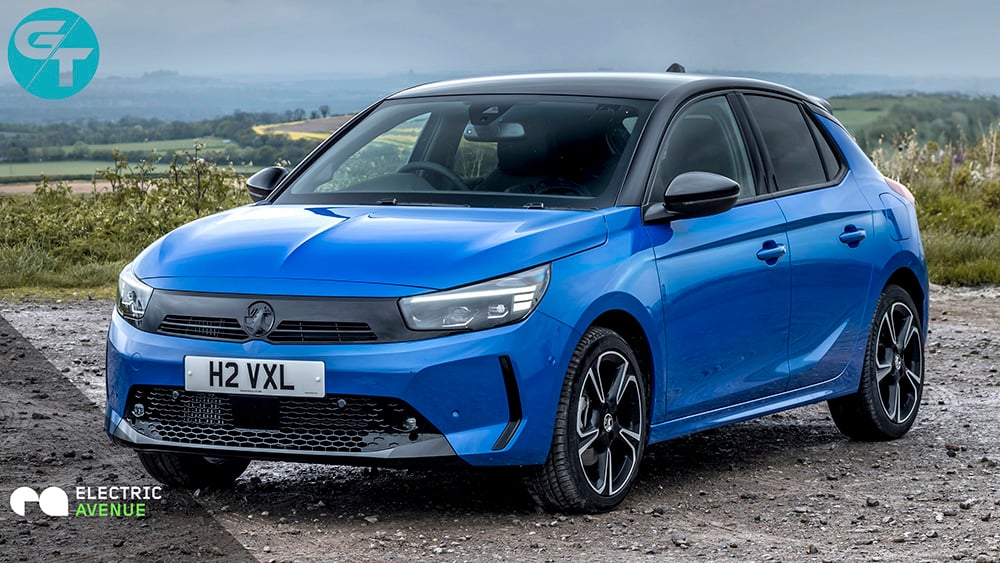
If you drive a Vauxhall Corsa with a 3-cylinder engine, you’ve probably noticed something: it’s brilliant when it behaves, but when it misfires, vibrates, or rattles like a coffee tin full of bolts, it can test your patience faster than morning traffic on the M1.
We’ve spent years around Corsas. We’ve bought them, broken them (accidentally, promise), fixed them, and driven them again. So today, we’re diving deep into Vauxhall Corsa 3-cylinder engine problems — not to scare you, but to arm you with knowledge. Because a prepared car owner is a powerful one.
Think of this as the friendly, real-life guide you wish the dealer handed you.
Content in this publication
- Understanding the Vauxhall Corsa 3-Cylinder Engines
- The Most Common Vauxhall Corsa 3-Cylinder Engine Problems
- 1. Rough Idle & Shaking (Vibrations)
- 2. Timing Chain Rattle on Startup
- 3. Turbo Issues on 1.0 & 1.2 Turbo Models
- 4. Misfires & Coil Pack Failures
- 5. Carbon Buildup (Direct Injection Models)
- 6. EGR & PCV System Issues
- 7. Overheating and Cooling System Leaks
- 8. Fuel Pump & Injector Wear
- 9. Wet Timing Belt Issues (New 1.2 Turbo)
- Driving Habits That Make These Problems Worse
- Preventive Maintenance Checklist
- DIY Troubleshooting Guide
- When It’s Time To See a Mechanic
- Should You Avoid The Corsa 3-Cylinder?
- Final Thoughts
- FAQs
Understanding the Vauxhall Corsa 3-Cylinder Engines
Why Vauxhall Chose 3 Cylinders
Three-cylinder engines are like drinking espresso instead of a full mug of coffee — smaller, lighter, more efficient, but capable of surprising punch. Vauxhall designed them to:
- Reduce fuel consumption
- Cut emissions
- Improve city agility
- Keep running costs low
Popular Vauxhall Corsa 3-Cylinder Variants
| Engine Code | Fuel | Capacity | Turbo | Typical Models |
|---|---|---|---|---|
| A10XEP | Petrol | 1.0L | No | Corsa D |
| B10XEP | Petrol | 1.0L | Yes (EcoTec) | Corsa E |
| 1.2 Turbo | Petrol | 1.2L | Yes | Corsa F |
| 1.2 Non-Turbo | Petrol | 1.2L | No | Corsa F base trims |
These punchy little motors are fun — until something hiccups.
The Most Common Vauxhall Corsa 3-Cylinder Engine Problems
1. Rough Idle & Shaking (Vibrations)
The classic 3-cylinder “wobble” — everyone knows it.
A mild vibration is normal. A washing-machine-on-spin shake? Not so much.
Likely Causes:
- Faulty engine mounts
- Misfire (spark plug/coil issue)
- Carbon buildup
- Blocked fuel injector
- Weak idle control valve (older models)
Fix Tips:
- Replace spark plugs/coils every ~30k-45k miles
- Use quality fuel
- Engine mount inspection at every service
2. Timing Chain Rattle on Startup
Three-cylinder timing chains can sound like a bag of spanners when worn.
Symptoms:
- Rattle on cold start
- Metal grinding noise
- Check engine light (sometimes)
- Sluggish response
Cause: Timing chain tensioner wear or stretched chain.
Fix: Replace chain kit — do not delay, or it may jump a tooth. That equals engine heartbreak (and a wallet funeral).
3. Turbo Issues on 1.0 & 1.2 Turbo Models
Turbos love oil. Bad oil = turbo tantrum.
Symptoms:
- Loss of boost
- Whistling noise
- Smoke from exhaust
- “Low oil pressure” warnings
Common Reasons:
You may be interested in reading Vauxhall Corsa Juddering When Accelerating
- Oil starvation
- Low-quality oil
- Oil dilution from short trips
Pro Tip: Always use the correct Dexos-approved oil and avoid cheap alternatives.
4. Misfires & Coil Pack Failures
These engines chew coil packs like teenagers chew gum.
Symptoms:
- Engine judder
- Flashing engine light
- Power drop
Fixes:
- Replace coils and plugs as a set
- Avoid bargain-basement ignition parts
Real-World Tip: Always keep a spare coil in the boot. Trust us.
5. Carbon Buildup (Direct Injection Models)
Direct injection = power + economy. It also means valves get dirty.
Signs:
- Loss of power
- Hesitation
- Rough idle
Remedy:
- Walnut blasting every 60k-80k miles
- Fuel additives help — but prevention only
6. EGR & PCV System Issues
These systems control emissions and crankcase gases. When they clog or fail, chaos follows.
Symptoms:
- Whistling or sucking noise
- Idle surge
- Oil leaks
- Engine codes
7. Overheating and Cooling System Leaks
The Corsa isn’t immune to coolant drama.
Look For:
- Coolant smell
- Low coolant warning
- Steam from bonnet (bad day!)
Common Leakers:
- Thermostat housing
- Water pump
- Radiator seams
8. Fuel Pump & Injector Wear
Small engines work hard — fuel delivery matters.
Symptoms:
- Long crank
- Stalling
- Weak acceleration
Solution: Replace pump/injectors, use top-tier fuel, avoid letting tank run dry.
You may be interested in readingVauxhall Corsa Juddering When AcceleratingYou may be interested in reading
 Skoda Octavia 1.5 TSI 150 HP Problems & Solutions: The Complete Expert Guide
9. Wet Timing Belt Issues (New 1.2 Turbo)
New 1.2 wet-belt models can develop belt deterioration if oil quality is ignored.
Watch For:
- Belt flakes in oil
- Reduced oil pressure
- Rattling sound
Action: Strict 6k-10k mile oil changes — no exceptions.
Driving Habits That Make These Problems Worse
Short Trip Syndrome
Short city trips = cold engine + unburned fuel = sludge and carbon.
Cheap Oil = Expensive Repairs
If the bottle looks suspiciously cheap, your turbo will file a complaint.
Aggressive Driving
Three-cylinders love boost, but daily red-lining shortens their life.
Ignoring Warning Lights
That engine light isn’t “a suggestion.”
Preventive Maintenance Checklist
| Action | Interval | Notes |
|---|---|---|
| Oil & filter | 6k-10k mi | Dexos spec only |
| Spark plugs | 30k-45k mi | Iridium preferred |
| Coil packs | 50k-60k mi | Replace in sets |
| Coolant flush | 5 yrs | Keeps temps safe |
| Intake cleaning | 60k-80k mi | Walnut blast ideal |
| Turbo inspection | Yearly | Listen for whine |
DIY Troubleshooting Guide
Signs Your Engine Needs Immediate Attention
- Loud rattling
- White/blue/black smoke
- Sudden power loss
- Engine warning + limp mode
Basic At-Home Checks
- Inspect oil level/colour
- Check coolant tank
- Listen for misfires
- Plug in OBD scanner
💡 Tip: A £25 OBD scanner can save thousands in random guessing.
When It’s Time To See a Mechanic
If your Corsa sounds like it’s beatboxing or smells like burning toast — take it in.
Should You Avoid The Corsa 3-Cylinder?
Not at all. When maintained, they:
- Sip fuel
- Pull well in town
- Stay cheap to insure
- Handle great for city life
But they need love — think of them like a gym-obsessed friend who only eats “clean” and collapses if they miss a smoothie.
Final Thoughts
Three-cylinder Corsas are efficient and charming — but they demand proper maintenance. Treat them well and they’ll reward you with zippy commuting and low bills. Ignore warning signs, and you’ll fund your mechanic’s next holiday.
FAQs
Are Corsa 3-cylinder engines reliable?
Yes — with consistent servicing and quality oil.
Which Corsa 3-cyl engine is best?
The 1.0 Turbo EcoTec is smooth and playful when maintained.
Do all 3-cyl engines vibrate?
A little is normal. Excess vibration = problem.
How long do these engines last?
100k-150k miles with proper maintenance.
You may be interested in readingVauxhall Corsa Juddering When AcceleratingYou may be interested in reading
Skoda Octavia 1.5 TSI 150 HP Problems & Solutions: The Complete Expert GuideYou may be interested in reading
 Skoda Octavia Wheel Bearing Problems — Symptoms, Causes & Repair Guide (Expert Edition)
Is turbo vs non-turbo more reliable?
Non-turbo is simpler, but turbo is stronger when cared for.
If you want to know other articles similar to Vauxhall Corsa 3-Cylinder Engine Problems: A Complete Owner’s Survival Guide you can visit the category Common Problems.
Ford Fiesta Jerks When Accelerating: Causes, Fixes, and What Every Driver Should Know

BMW X1 Problems: Common Issues, Reliability Concerns, and What Owners Should Know

Jaguar F-Pace Not Starting: Causes, Fixes, and Expert Troubleshooting Guide

Jaguar F-Pace Gearbox Fault: Causes, Symptoms, Fixes, and Costs Explained

Jaguar F-Pace Keyless Entry Not Working: Causes, Fixes, and Troubleshooting Guide
Jaguar F-Pace Engine Light On: Causes, Fixes, and What to Do Next
Leave a Reply
More content of your interest