

Vauxhall Mokka 1.4 Turbo Problems: What Really Goes Wrong and Why It Matters

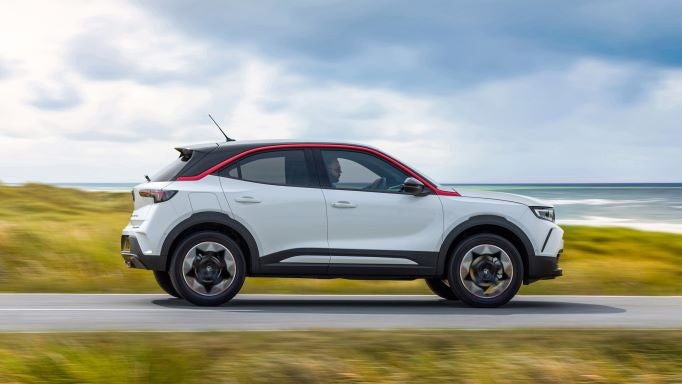
The Vauxhall Mokka 1.4 Turbo arrived with big promises. Compact SUV styling, punchy turbocharged performance, and the everyday usability we all crave. On paper, it looked like the perfect middle ground—practical yet lively, sensible yet a little fun. But as many owners have discovered, living with the 1.4 Turbo isn’t always smooth sailing.
We’ve spent years analysing owner reports, workshop feedback, and real-world driving experiences to separate myth from mechanical reality. In this guide, we walk through the most common Vauxhall Mokka 1.4 Turbo problems, explain why they happen, how they show up, and—most importantly—what you can do about them.
This isn’t doom and gloom. Plenty of these cars run well for years. But if you own one, or you’re thinking of buying one, it pays to know where the cracks can appear.
Content in this publication
- Understanding the Vauxhall Mokka 1.4 Turbo Engine
- Why the 1.4 Turbo Has a Mixed Reputation
- Most Common Vauxhall Mokka 1.4 Turbo Problems
- Excessive Oil Consumption
- Cooling System Problems
- Ignition Coil and Spark Plug Issues
- Automatic Gearbox Complaints (Where Fitted)
- Boost Leaks and Hose Failures
- Engine Warning Lights That Won’t Stay Off
- Is the Vauxhall Mokka 1.4 Turbo Reliable Overall?
- How to Reduce Problems and Extend Engine Life
- Buying a Used Mokka 1.4 Turbo: What to Check
- Repair Costs: What Owners Typically Pay
- Should You Avoid the 1.4 Turbo Altogether?
- Final Thoughts on Vauxhall Mokka 1.4 Turbo Problems
- Frequently Asked Questions
Understanding the Vauxhall Mokka 1.4 Turbo Engine
What Engine Are We Talking About?
The Mokka 1.4 Turbo typically uses GM’s 1.4-litre petrol turbocharged engine, found across several Vauxhall and Opel models. It delivers solid mid-range torque and a refined motorway drive—when it’s behaving.
Key basics:
- Turbocharged petrol engine
- Usually paired with manual or automatic gearboxes
- Popular in UK and European markets
On good days, it feels eager and responsive. On bad days, it can feel like it’s constantly asking for attention.
Why the 1.4 Turbo Has a Mixed Reputation
Design Strengths vs Real-World Weaknesses
From an engineering standpoint, the engine isn’t fundamentally flawed. The problems arise from:
- Heat management issues
- Ageing plastic components
- Tight tolerances combined with turbo pressure
In short, it’s an engine that demands good maintenance. Skip services, ignore warning signs, or push it too hard when cold, and issues start stacking up like dominoes.
Most Common Vauxhall Mokka 1.4 Turbo Problems
Turbocharger Failure
Why the Turbo Fails
The turbo works hard—constantly spinning at high speeds under intense heat. Over time, oil starvation or degraded oil can cause internal wear.
Common causes include:
- Extended oil change intervals
- Low-quality engine oil
- Blocked oil feed lines
Symptoms to Watch For
- Loss of power
- Whining or siren-like noises
- Blue or grey exhaust smoke
- Engine warning light
Turbo failure isn’t subtle. When it goes, you’ll know—and your wallet will feel it.
Timing Chain Stretch and Rattle
A Problem That Creeps In Quietly
Unlike timing belts, timing chains are meant to last longer. In the Mokka 1.4 Turbo, however, chain stretch is a known issue—especially on higher-mileage cars.
Early Warning Signs
- Rattling noise on cold starts
- Rough idle
- Engine fault codes
Left unchecked, a stretched chain can jump teeth. That’s when minor annoyance turns into catastrophic engine damage.
PCV Valve Failure
Small Part, Big Headache
The Positive Crankcase Ventilation (PCV) system is a frequent troublemaker. The diaphragm inside the valve can split, causing vacuum leaks.
What Drivers Notice
- Whistling noises
- Rough idle
- Increased oil consumption
- Engine management light
It’s a tiny component, but when it fails, the engine behaves like it’s lost its manners.
Excessive Oil Consumption
Why the Mokka 1.4 Turbo Drinks Oil
Many owners report topping up oil more often than expected. This is often linked to:
You may be interested in reading Vauxhall Mokka Coolant Leak: Causes, Symptoms, Fixes, and Real-World Advice
- Worn piston rings
- PCV system faults
- Turbo oil seal wear
Signs You’re Burning Oil
- Low oil warnings
- Blue smoke on acceleration
- Frequent top-ups between services
Ignoring oil consumption is like running a marathon while dehydrated—it ends badly.
Cooling System Problems
Overheating and Coolant Loss
Cooling issues crop up more often than they should, particularly as the car ages.
Common culprits:
- Failing thermostat housings
- Coolant leaks from plastic components
- Water pump wear
Typical Symptoms
- Temperature gauge fluctuations
- Sweet smell from the engine bay
- Coolant warning light
Plastic parts don’t age gracefully under heat, and the Mokka’s engine bay runs hot.
Ignition Coil and Spark Plug Issues
Misfires That Come and Go
Ignition problems are surprisingly common and often misdiagnosed.
Look out for:
- Hesitation under acceleration
- Rough idle
- Poor fuel economy
Worn spark plugs or failing coil packs can make the engine feel like it’s stumbling over its own feet.
Automatic Gearbox Complaints (Where Fitted)
Not the Engine’s Fault—But Still Relevant
While not strictly an engine issue, many 1.4 Turbo models with automatic gearboxes report:
- Jerky gear changes
- Delayed engagement
- Hesitation when pulling away
Often, these problems worsen when engine issues—like misfires or boost leaks—are present.
Boost Leaks and Hose Failures
When Pressure Escapes
Turbo engines rely on airtight systems. Ageing rubber hoses can crack, split, or loosen.
Symptoms include:
- Reduced acceleration
- Hissing sounds
- Poor fuel efficiency
It’s like trying to inflate a balloon with holes in it—no matter how hard you try, it won’t work properly.
Engine Warning Lights That Won’t Stay Off
A Dashboard Christmas Tree
Owners often complain about recurring warning lights, even after repairs.
Common triggers:
- Sensor failures
- Vacuum leaks
- Misfires
Sometimes it’s a genuine fault. Other times, it’s the car crying wolf—but you can’t afford to ignore it.
Is the Vauxhall Mokka 1.4 Turbo Reliable Overall?
The Honest Answer
Reliability depends heavily on:
You may be interested in readingVauxhall Mokka Coolant Leak: Causes, Symptoms, Fixes, and Real-World AdviceYou may be interested in reading
 Vauxhall Mokka Engine Problems: Causes, Symptoms, and Real-World Fixes
- Service history
- Driving habits
- Preventative maintenance
A well-maintained example can be dependable. A neglected one can feel like a bottomless pit.
How to Reduce Problems and Extend Engine Life
Maintenance That Actually Matters
We recommend:
- Oil changes every 6,000–8,000 miles
- High-quality fully synthetic oil
- Regular coolant inspections
- Listening for unusual noises
Treat the engine gently when cold. Let the turbo cool down after hard driving. Small habits make a big difference.
Buying a Used Mokka 1.4 Turbo: What to Check
Pre-Purchase Red Flags
Before buying, always:
- Check for cold start rattles
- Look for oil leaks or smoke
- Scan for fault codes
- Review full service history
A cheap Mokka can quickly become an expensive lesson.
Repair Costs: What Owners Typically Pay
Realistic Cost Expectations
Approximate costs:
- Turbo replacement: high
- Timing chain repair: high
- PCV valve replacement: low
- Ignition components: moderate
Preventative repairs are always cheaper than reactive ones.
Should You Avoid the 1.4 Turbo Altogether?
Not Necessarily
If you value:
- Smooth motorway driving
- Compact SUV practicality
- Reasonable performance
…and you’re prepared to maintain it properly, the Mokka 1.4 Turbo can still make sense.
But if you want “fill it up and forget it” reliability, this may not be your perfect match.
Final Thoughts on Vauxhall Mokka 1.4 Turbo Problems
The Vauxhall Mokka 1.4 Turbo is a bit like a talented musician who needs constant tuning. When everything’s in harmony, it performs beautifully. When neglected, it quickly falls out of rhythm.
We don’t believe it’s a bad engine—but it’s an honest one. It reflects how it’s treated. Know its weaknesses, respect its limits, and you’ll avoid most of the horror stories that float around online.
Frequently Asked Questions
Is the Vauxhall Mokka 1.4 Turbo engine unreliable?
Not inherently, but it’s sensitive to poor maintenance and skipped services.
What is the most common problem with the Mokka 1.4 Turbo?
Turbo-related issues and PCV valve failures top the list.
Does the Mokka 1.4 Turbo suffer from timing chain problems?
Yes, especially at higher mileages or with infrequent oil changes.
How long does a Mokka 1.4 Turbo engine last?
With proper care, many exceed 120,000 miles, sometimes much more.
You may be interested in readingVauxhall Mokka Coolant Leak: Causes, Symptoms, Fixes, and Real-World AdviceYou may be interested in reading
Vauxhall Mokka Engine Problems: Causes, Symptoms, and Real-World FixesYou may be interested in reading
 Vauxhall Mokka Key Not Detected – Causes, Fixes, and Real-World Solutions
Is it worth buying a used Mokka 1.4 Turbo?
Yes—if it has a solid service history and passes a thorough inspection.
If you want to know other articles similar to Vauxhall Mokka 1.4 Turbo Problems: What Really Goes Wrong and Why It Matters you can visit the category Common Problems.
Volvo XC60 360 Camera Not Working: Complete Troubleshooting & Fix Guide
Volvo XC60 Key Fob Not Working: Causes, Fixes, and Expert Solutions
Volvo XC60 Low Battery Warning: Causes, Fixes, and Prevention Guide
Volvo XC60 No Sound: Causes, Fixes, and Complete Troubleshooting Guide
Volvo XC60 Common Problems: What Owners Really Experience
Volvo XC60 Issues: The Truth Behind This Popular SUV
Leave a Reply
More content of your interest