
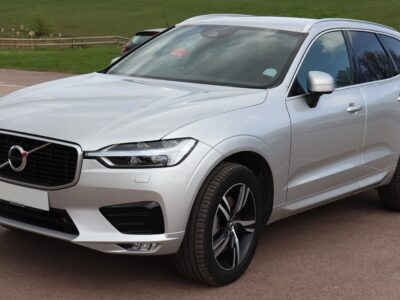
Volkswagen ID.3 Battery Capacity: Powering the Electric Everyday

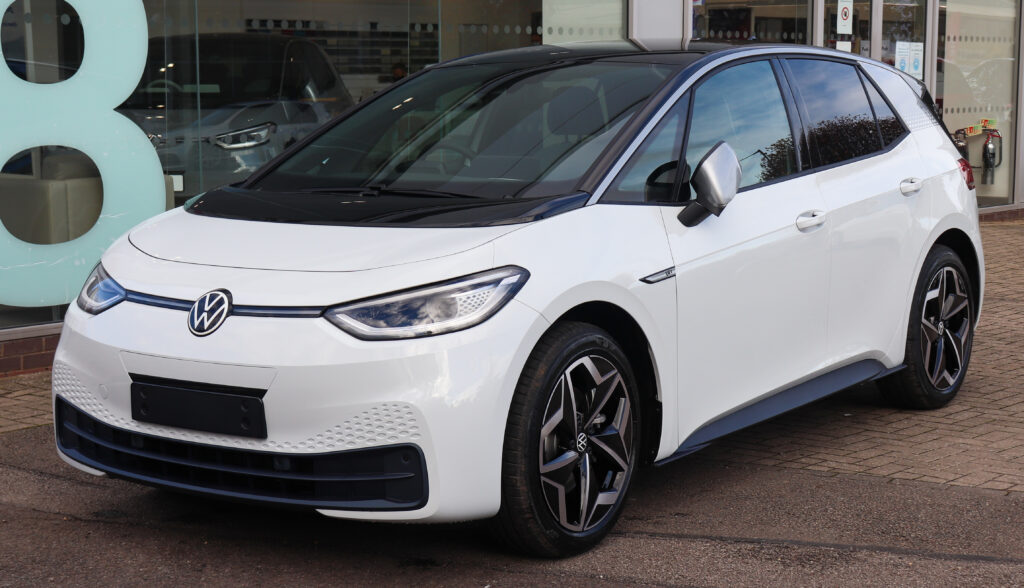
When we talk about electric cars, we’re really talking about batteries. They’re the heart, lungs, and pulse of the vehicle. And in the case of the Volkswagen ID.3, battery capacity isn’t just a spec on a brochure—it’s the difference between a relaxed road trip and a nervous glance at the range meter.
The ID.3 was Volkswagen’s statement piece: this is what the electric future looks like. But what really defines how livable that future feels is the battery under the floor. Let’s unpack what “battery capacity” actually means in the ID.3, how it changes between versions, and—most importantly—how it shapes real-world driving.
Content in this publication
- Understanding Battery Capacity in the ID.3
- Volkswagen ID.3 Battery Options Explained
- How Battery Capacity Translates Into Daily Life
- Real-World Range vs WLTP Numbers
- Charging Behavior by Battery Size
- Battery Longevity and Degradation
- Does Bigger Battery Mean Better Performance?
- Choosing the Right Battery Capacity
- Battery Capacity and Resale Value
- The Emotional Side of Capacity
- Closing Thoughts
- FAQs
Understanding Battery Capacity in the ID.3
Battery capacity is measured in kilowatt-hours (kWh). Think of it as the size of your fuel tank—but instead of liters, it’s energy.
In the ID.3 lineup, Volkswagen offers multiple battery sizes to suit different lifestyles:
- 45 kWh (Pure / Pro S entry trims)
- 58 kWh (Pro)
- 77 kWh (Pro S / Tour)
Each step up gives you more range, more flexibility, and a little more peace of mind.
But capacity isn’t just about distance—it’s about freedom. Freedom to take the scenic route. Freedom to skip a charging stop. Freedom to drive like you used to, without planning every mile.
Volkswagen ID.3 Battery Options Explained
45 kWh Battery – The Urban Specialist
This is the smallest pack in the ID.3 family, aimed at city drivers and short commuters.
- Ideal for urban use
- Lighter weight = nimble feel
- Faster percentage charging due to smaller size
- Real-world range: ~160–190 miles
It’s perfect if your world revolves around school runs, errands, and short commutes. Think of it as an electric hatchback in its purest form—simple, efficient, and stress-free.
58 kWh Battery – The Balanced All-Rounder
The 58 kWh version is the sweet spot for most drivers.
- Excellent balance of price and range
- Suitable for mixed city and highway driving
- Real-world range: ~220–260 miles
- Most popular configuration in Europe
This is where the ID.3 becomes a true “only car” household option. You can commute all week and still hit the motorway on Friday night without anxiety.
77 kWh Battery – The Long-Distance Companion
The big battery transforms the ID.3 into a proper road-trip machine.
- Longest range in the lineup
- Ideal for highway-heavy lifestyles
- Real-world range: ~280–330 miles
- Supports faster DC charging
With this pack, the ID.3 stops feeling like “an electric car” and starts feeling like… just a car. One that happens to be quiet, smooth, and future-proof.
How Battery Capacity Translates Into Daily Life
Battery size shapes your routine more than you might expect.
- Small battery: charge more often, but faster
- Medium battery: charge once or twice a week
- Large battery: forget about charging for days
It’s like choosing between a backpack, a suitcase, or a travel trunk. All will carry your things—but one fits your lifestyle better.
You may be interested in reading Volkswagen ID.3 Battery Life: How Long It Really Lasts
Real-World Range vs WLTP Numbers
WLTP figures look impressive on paper, but real driving tells the truth.
Factors that affect range:
- Speed (highways drain faster)
- Temperature (cold weather reduces efficiency)
- Driving style (hard acceleration = higher consumption)
- Load (passengers, luggage, roof racks)
A 58 kWh ID.3 rated at 265 miles WLTP may realistically deliver:
- ~240 miles in mild mixed driving
- ~210 miles in winter
- ~190 miles at constant motorway speed
Battery capacity gives you headroom. More kWh means more margin when conditions aren’t perfect.
Charging Behavior by Battery Size
AC Home Charging
All ID.3 versions can charge overnight at home:
- 7 kW wallbox:
- 45 kWh → ~7 hours
- 58 kWh → ~9 hours
- 77 kWh → ~12 hours
Plug in after dinner. Wake up to a “full tank.”
DC Fast Charging
Fast chargers are where battery capacity shines.
| Battery | Max DC Speed | 10–80% Time |
|---|---|---|
| 45 kWh | ~50–100 kW | ~30 min |
| 58 kWh | up to 120 kW | ~30–35 min |
| 77 kWh | up to 170 kW | ~35–40 min |
Bigger battery = more miles gained per minute.
Battery Longevity and Degradation
A common fear: “Will the battery fade like an old phone?”
Volkswagen engineers designed the ID.3 pack for durability:
- Liquid-cooled battery system
- Active thermal management
- Software-controlled charging curves
- 8-year / 100,000-mile warranty
Typical degradation:
- ~2–3% in the first year
- ~1% per year afterward
After 8 years, most owners still see 85–90% capacity. Your 58 kWh pack becomes a 52–54 kWh pack—still more than enough for daily life.
Does Bigger Battery Mean Better Performance?
Not exactly. All ID.3 versions share similar motor outputs, but:
- Larger battery = heavier car
- Slightly slower acceleration in real terms
- Better sustained performance on long drives
It’s not about speed. It’s about stamina.
You may be interested in readingVolkswagen ID.3 Battery Life: How Long It Really LastsYou may be interested in reading
 Volkswagen ID.3 Battery Range Loss: Why It Happens and How We Beat It
Choosing the Right Battery Capacity
Ask yourself:
- How far do I drive daily?
- Do I have home charging?
- How often do I take long trips?
- Do I enjoy planning… or avoiding it?
Quick Guide
- City-only, short commutes → 45 kWh
- Mixed use, one-car household → 58 kWh
- Frequent highway trips → 77 kWh
Battery capacity is a lifestyle choice, not a bragging right.
Battery Capacity and Resale Value
Larger battery ID.3 models:
- Hold value better
- Appeal to wider audience
- Age more gracefully
Future buyers will always favor more range, especially as charging networks evolve.
The Emotional Side of Capacity
This might sound strange, but battery size changes how you feel about driving.
With a small pack, you think ahead.
With a big pack, you just… go.
It’s the difference between carrying a phone at 20% and one at 90%. Same device. Totally different mindset.
Closing Thoughts
The Volkswagen ID.3 battery capacity isn’t just a technical spec—it’s the personality of the car. From the compact 45 kWh urban warrior to the 77 kWh long-distance cruiser, each version tells a different story.
We don’t buy battery numbers. We buy freedom. We buy confidence. We buy the feeling that tomorrow’s drive won’t need a spreadsheet.
Choose the capacity that fits your rhythm—and let the road unfold quietly beneath you.
FAQs
1. What is the standard battery size of the VW ID.3?
Most markets consider the 58 kWh version the “standard” model.
2. Can the ID.3 battery be upgraded later?
No. Battery size is fixed at purchase.
3. How long does the ID.3 battery last?
Typically 10–15 years with moderate degradation.
4. Is a bigger battery always better?
Not if you mainly drive short distances and have home charging.
Volkswagen ID.3 Battery Life: How Long It Really LastsYou may be interested in reading
Volkswagen ID.3 Battery Range Loss: Why It Happens and How We Beat ItYou may be interested in reading
 BMW 1 Series Boot Space: How Practical Is BMW’s Smallest Hatch?
5. Does battery size affect insurance costs?
Only slightly—larger packs may increase vehicle value.
If you want to know other articles similar to Volkswagen ID.3 Battery Capacity: Powering the Electric Everyday you can visit the category Service and Parts.
How to Reset Volvo XC60 Infotainment System: The Complete Practical Guide
Volvo XC60 Gearbox Oil Change: The Complete Expert Guide
Volvo XC60 Engine Management Light: Causes, Fixes, and What It Really Means
Skoda Kamiq Size Comparison: Dimensions, Space & Real-World Practicality
Volvo XC60 Headlight Adjustment for Europe: The Complete Practical Guide
Volvo XC60 City Safety Service Required: What It Means, Causes, and Fixes
Leave a Reply
More content of your interest