
Volkswagen ID.3 Battery Size: Everything You Need to Know

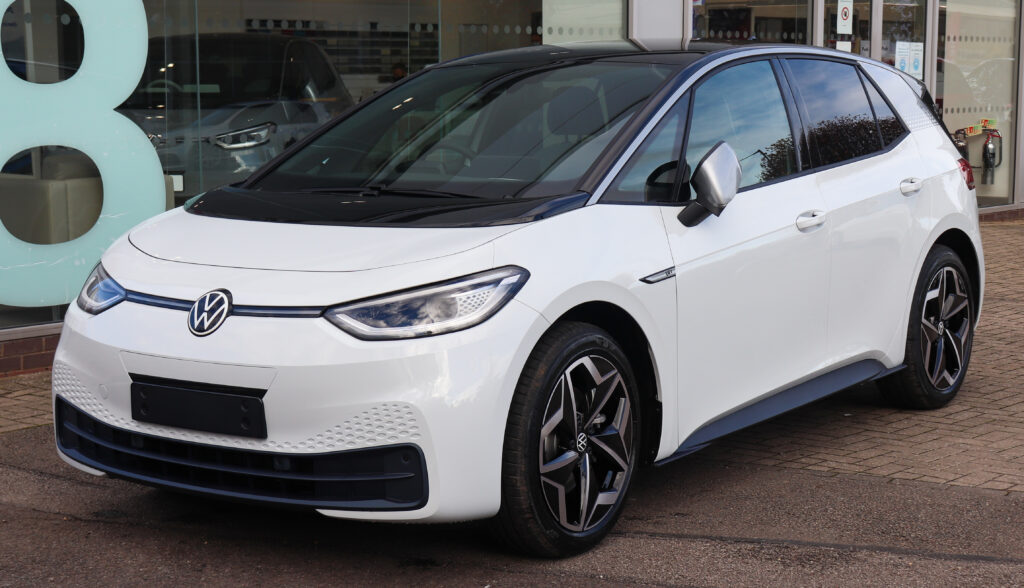
Electric cars are rewriting the rules of the road, and the Volkswagen ID.3 sits right at the center of that revolution. But if there’s one question that keeps popping up, it’s this: What battery size should I choose?
Battery size isn’t just a spec on a brochure—it’s the heartbeat of your EV experience. It defines how far you’ll go, how often you’ll charge, how much you’ll pay, and even how the car feels to drive. Let’s unpack everything about the Volkswagen ID.3 battery size in a way that actually makes sense.
We’ll explore every option, how they affect real-world range, charging behavior, performance, and which one fits your lifestyle best.
Content in this publication
- Why Battery Size Matters in the ID.3
- Volkswagen ID.3 Battery Options Explained
- The 45 kWh Battery – Urban Minimalist
- The 58 kWh Battery – The Sweet Spot
- The 77 kWh Battery – The Long-Distance King
- Real-World Range vs WLTP Figures
- Charging Speeds by Battery Size
- Home Charging Times
- How Battery Size Changes the Driving Feel
- Battery Size and Performance
- Battery Degradation Over Time
- Which Battery Size Should You Choose?
- Cost Differences Between Battery Sizes
- Battery Size and Resale Value
- Environmental Impact of Bigger Batteries
- Future-Proofing Your ID.3
- Closing Thoughts
- FAQs
Why Battery Size Matters in the ID.3
Think of the battery as your fuel tank—but smarter. A larger battery:
- Stores more energy
- Delivers longer range
- Adds weight and cost
- Takes longer to charge
A smaller battery:
- Costs less upfront
- Charges faster
- Weighs less
- Limits your distance per trip
The ID.3 gives us choices, and that’s the beauty of it. You can tailor the car to your life instead of adapting your life to the car.
Volkswagen ID.3 Battery Options Explained
Volkswagen offers the ID.3 with three core battery sizes:
| Battery Pack | Usable Capacity | Gross Capacity |
|---|---|---|
| Small | ~45 kWh | ~48 kWh |
| Medium | ~58 kWh | ~62 kWh |
| Large | ~77 kWh | ~82 kWh |
Each one feels like a different personality of the same car.
The 45 kWh Battery – Urban Minimalist
Who It’s For
City drivers. Daily commuters. Anyone who plugs in at home and rarely drives long distances.
What It Delivers
- WLTP range: ~217 miles (350 km)
- Real-world range: 160–180 miles
- Lightest ID.3 variant
- Quickest to charge from empty
This version feels nimble, like a go-kart with a conscience. It’s perfect if your driving world is made of school runs, grocery trips, and short commutes.
The 58 kWh Battery – The Sweet Spot
Who It’s For
Most drivers. The “do-everything” crowd. People who want flexibility without overpaying.
What It Delivers
- WLTP range: ~265 miles (426 km)
- Real-world range: 210–230 miles
- Balanced weight and performance
- Excellent resale appeal
This is the battery most ID.3 owners choose—and for good reason. It’s the Goldilocks option: not too small, not too big, just right.
The 77 kWh Battery – The Long-Distance King
Who It’s For
Road-trippers. Highway commuters. Anyone who hates charging stops.
What It Delivers
- WLTP range: ~347 miles (559 km)
- Real-world range: 260–290 miles
- Best motorway efficiency
- Highest upfront cost
This is the ID.3 that laughs at range anxiety. It turns the car into a genuine long-distance cruiser.
Real-World Range vs WLTP Figures
WLTP numbers are optimistic. Real life isn’t.
Here’s what most drivers experience:
You may be interested in reading Volkswagen ID.3 Charger Type: Everything We Need to Know Before Plugging In
- 45 kWh: 160–180 miles
- 58 kWh: 210–230 miles
- 77 kWh: 260–290 miles
Cold weather, high speeds, and heavy loads shrink those numbers. City driving often beats them.
Charging Speeds by Battery Size
Battery size affects not only how far you go—but how fast you get back on the road.
| Battery | Max DC Speed | 10–80% Time |
|---|---|---|
| 45 kWh | ~50 kW | ~35 min |
| 58 kWh | ~120 kW | ~30 min |
| 77 kWh | ~170 kW | ~35 min |
Bigger battery ≠ slower charging. The larger packs actually accept more power.
Home Charging Times
On a typical 7 kW home wallbox:
- 45 kWh: ~7 hours
- 58 kWh: ~9 hours
- 77 kWh: ~12 hours
Overnight charging works for all of them.
How Battery Size Changes the Driving Feel
Larger batteries add weight, but they also:
- Improve high-speed stability
- Deliver smoother power delivery
- Enhance motorway comfort
Smaller batteries feel:
- More agile
- Lighter on their feet
- More “hot hatch” in character
Same car. Different soul.
Battery Size and Performance
Motor output stays similar, but:
- The 77 kWh version maintains power longer
- Larger packs handle repeated acceleration better
- Smaller packs feel punchier at low speeds
In traffic? All feel fast. On the motorway? Big battery wins.
Battery Degradation Over Time
Modern VW batteries degrade slowly:
- ~2–3% in first year
- ~1% per year after
After 8 years, most packs retain 85–90% capacity.
Volkswagen backs this with:
8-year / 100,000-mile battery warranty (minimum 70% health)
Which Battery Size Should You Choose?
Choose 45 kWh if you:
- Drive under 40 miles daily
- Charge at home
- Rarely road-trip
Choose 58 kWh if you:
- Want flexibility
- Drive mixed routes
- Plan occasional long trips
Choose 77 kWh if you:
- Travel long distances
- Rely on public charging
- Hate stopping
Cost Differences Between Battery Sizes
Battery size directly affects price:
- 45 kWh: Lowest entry cost
- 58 kWh: Mid-range value
- 77 kWh: Premium tier
But remember: larger battery = higher resale value.
You may be interested in readingVolkswagen ID.3 Charger Type: Everything We Need to Know Before Plugging InYou may be interested in reading
 Volkswagen ID.3 Charging Time: The Real-World Guide We All Needed
Battery Size and Resale Value
Used buyers love range. The 58 kWh and 77 kWh versions:
- Sell faster
- Hold value better
- Appeal to wider markets
The 45 kWh shines in cities—but is niche elsewhere.
Environmental Impact of Bigger Batteries
Larger batteries:
- Require more raw materials
- Have higher manufacturing emissions
- Take longer to “pay back” carbon-wise
If you drive mostly urban miles, the smaller pack is greener long-term.
Future-Proofing Your ID.3
Charging networks are improving—but range anxiety still exists.
Ask yourself:
- Will your driving habits change?
- Will you move?
- Will you travel more?
Battery size is about tomorrow, not just today.
Closing Thoughts
The Volkswagen ID.3 battery size isn’t a technical detail—it’s a lifestyle choice. Each option reshapes how the car fits into your world.
The 45 kWh is a city sprinter.
The 58 kWh is the all-rounder.
The 77 kWh is the marathon runner.
None is “best.” Only right for you.
Electric driving is freedom. Battery size decides how far that freedom reaches.
FAQs
1. What is the largest battery in the Volkswagen ID.3?
The largest option is the 77 kWh battery (about 82 kWh gross), offering up to 347 miles WLTP range.
2. Which ID.3 battery size is most popular?
The 58 kWh version is the most popular thanks to its balance of price, range, and usability.
3. Does a bigger battery mean slower charging?
No. Larger batteries accept higher charging speeds, often charging just as fast in real time.
4. How long do ID.3 batteries last?
Volkswagen expects them to last well over 10 years, with slow degradation and an 8-year warranty.
5. Is the 45 kWh battery enough for daily use?
Yes. For urban and suburban driving with home charging, it’s more than sufficient.
You may be interested in readingVolkswagen ID.3 Charger Type: Everything We Need to Know Before Plugging InYou may be interested in reading
Volkswagen ID.3 Charging Time: The Real-World Guide We All NeededYou may be interested in reading
 VW ID.3 Service Reset: The Complete Owner’s Guide
If you want to know other articles similar to Volkswagen ID.3 Battery Size: Everything You Need to Know you can visit the category Service and Parts.
How to Reset Volvo XC60 Infotainment System: The Complete Practical Guide
Volvo XC60 Gearbox Oil Change: The Complete Expert Guide
Volvo XC60 Engine Management Light: Causes, Fixes, and What It Really Means
Skoda Kamiq Size Comparison: Dimensions, Space & Real-World Practicality
Volvo XC60 Headlight Adjustment for Europe: The Complete Practical Guide
Volvo XC60 City Safety Service Required: What It Means, Causes, and Fixes
Leave a Reply
More content of your interest