

Volkswagen Passat Coolant – Everything We Need to Know to Keep the Engine Happy

Content in this publication
- Why Coolant Matters More Than Most Drivers Think
- What Exactly Is Volkswagen Passat Coolant?
- Understanding Volkswagen Coolant Colors and Types
- How the Passat Cooling System Works
- Signs Our Passat Coolant Needs Attention
- Checking Coolant Level in a Volkswagen Passat
- How Often Should We Change Passat Coolant?
- Choosing the Right Coolant for Our Passat
- Mixing Coolant With Water – The Proper Ratio
- Common Volkswagen Passat Coolant Problems
- Diagnosing Coolant Loss Without Visible Leaks
- Topping Up Passat Coolant Safely
- Flushing the Volkswagen Passat Cooling System
- Bleeding Air From the Passat Cooling System
- Coolant and Passat Heater Performance
- Environmental and Safety Considerations
- Cost of Volkswagen Passat Coolant Service
- DIY or Professional – What Should We Choose?
- Passat Generations and Coolant Nuances
- Protecting the Water Pump With Proper Coolant
- Seasonal Tips for Passat Owners
- Closing Thoughts on Volkswagen Passat Coolant
- Frequently Asked Questions
Why Coolant Matters More Than Most Drivers Think
We often treat coolant like the quiet background character in a movie—always there, rarely noticed, yet absolutely essential. In our Volkswagen Passat, coolant is the lifeblood that keeps the engine from turning into a boiling kettle in summer or a frozen brick in winter. Without the right fluid, at the right level, and in good condition, even the most reliable Passat can begin to complain.
Think of coolant as the thermostat of the engine’s emotions. Too hot, and it gets angry. Too cold, and it refuses to move. Our job as owners is to keep that temperature perfectly balanced.
What Exactly Is Volkswagen Passat Coolant?
Coolant, also called antifreeze, is a specially blended liquid made from ethylene glycol or propylene glycol mixed with water and additives. In the Passat, Volkswagen uses specific formulations—commonly G12, G12+, G13, or the newest G12evo. These are not just fancy colors; they are carefully engineered recipes.
The coolant flows through channels in the engine block, absorbing heat like a sponge, then releasing it through the radiator. At the same time, it protects metal surfaces from corrosion and keeps seals flexible.
Core Jobs Coolant Performs
- Regulates engine temperature
- Prevents freezing in cold climates
- Stops corrosion inside aluminum components
- Lubricates the water pump
- Helps cabin heating work efficiently
Understanding Volkswagen Coolant Colors and Types
If we open the Passat expansion tank, we might see pink, purple, or violet fluid. Volkswagen color-codes its coolants, but the shade alone doesn’t tell the whole story.
Popular Passat Coolant Specifications
- G12 (Pink/Red): Older generation, long-life formula
- G12+ / G12++ (Pink/Violet): Improved corrosion protection
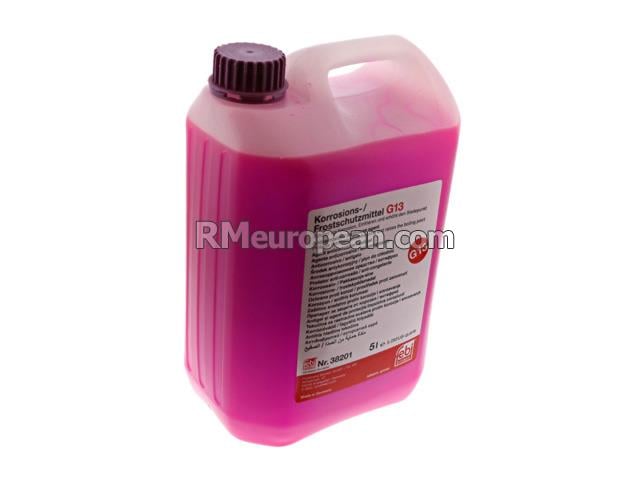
- G13 (Purple): Eco-friendly glycerin base
- G12evo: Latest standard for modern engines
Mixing the wrong types is like blending two different personalities at a party—sometimes they clash badly.
How the Passat Cooling System Works
Imagine a small river running inside the engine. The water pump pushes coolant through passages around hot cylinders, then toward the radiator where airflow cools it down. A thermostat acts like a gatekeeper, deciding when the fluid should circulate.
When everything works, the temperature gauge sits calmly in the middle. When something fails, the gauge becomes a nervous dancer.
Signs Our Passat Coolant Needs Attention
Visual and Driving Clues
- Sweet smell inside or outside the car
- Dashboard temperature climbing
- Low coolant warning light
- Heater blowing cold air
- Puddles under the vehicle
Each of these signs whispers a message. Ignoring them is like ignoring a leaking roof during a storm.
Checking Coolant Level in a Volkswagen Passat
We don’t need to be mechanics to perform a simple inspection.
Step-by-Step Glance
- Park on level ground
- Let the engine cool completely
- Open the hood
- Locate the translucent expansion tank
- Confirm level between MIN and MAX marks
Never open a hot cap—steam can bite harder than a dog.
How Often Should We Change Passat Coolant?
Volkswagen often states long intervals, sometimes up to five years. Yet real life is messier than manuals. Short trips, extreme heat, or high mileage can age coolant faster.
Practical Intervals We Trust
- Inspection every service
- Replacement every 4–5 years
- Earlier if contamination appears
Choosing the Right Coolant for Our Passat
Standing in an auto parts store can feel like staring at a wall of colorful potions. The safest path is following the specification printed on the expansion tank or owner’s manual.
You may be interested in reading Volkswagen Passat Engine – Everything We Need to Know About Power, Reliability, and Real-World Performance
What to Avoid
- Universal green coolant
- Mixing G11 with G12
- Tap water with high minerals
Our Passat prefers a specific diet. Feeding it the wrong drink causes stomach aches.
Mixing Coolant With Water – The Proper Ratio
Coolant isn’t meant to be pure concentrate. The usual blend is 50/50 with distilled water, offering protection around –36°C and boiling above 100°C.
Why Distilled Water Matters
- Prevents mineral deposits
- Protects aluminum surfaces
- Keeps additives effective
Tap water is like throwing sand into a smoothie.
Common Volkswagen Passat Coolant Problems
Leaks From Typical Areas
- Water pump seals
- Radiator end tanks
- Heater core
- Plastic flanges
- Expansion tank cracks
The Passat, especially B6 and B7 generations, sometimes suffers from brittle plastic parts as they age.
Diagnosing Coolant Loss Without Visible Leaks
Not every problem leaves a puddle. Sometimes coolant disappears like a magician’s coin.
- Faulty head gasket
- EGR cooler failure
- Internal heater core leak
- Evaporation from loose cap
A pressure test often reveals the invisible culprit.
Topping Up Passat Coolant Safely
When the level drops slightly, we can top up ourselves.
Quick Guide
- Use correct G12/G13 fluid
- Mix 50/50 with distilled water
- Fill to MAX when cold
- Tighten cap firmly
Small sips are better than big gulps.
Flushing the Volkswagen Passat Cooling System
Over time, coolant becomes tired, like old coffee. Flushing renews the system.
Basic Flush Outline
- Drain old fluid
- Rinse with distilled water
- Refill with fresh mixture
- Bleed air from system
Air pockets are the enemy; they create hot spots.
Bleeding Air From the Passat Cooling System
After any work, trapped air can mimic serious faults.
Symptoms of Air Lock
- Erratic temperature
- No cabin heat
- Gurgling sounds
Most Passats self-bleed, but sometimes we must massage hoses or use diagnostic mode.
Coolant and Passat Heater Performance
If winter arrives and the cabin stays cold, coolant flow is often to blame. The heater core depends on hot fluid just like a kettle needs water.
You may be interested in readingVolkswagen Passat Engine – Everything We Need to Know About Power, Reliability, and Real-World PerformanceYou may be interested in reading
 Volkswagen Passat Oil – Everything We Need to Know for a Happy Engine
Things That Disrupt Heating
- Low coolant level
- Blocked heater matrix
- Failed thermostat
Environmental and Safety Considerations
Coolant is toxic to pets and wildlife. That sweet smell attracts them, which is heartbreaking.
Responsible Habits
- Store securely
- Clean spills immediately
- Dispose at recycling centers
Cost of Volkswagen Passat Coolant Service
Prices vary by region and generation.
Typical Ranges
- Coolant bottle: modest cost
- Full flush at garage: mid range
- Water pump replacement: higher investment
Prevention is always cheaper than overheating repairs.
DIY or Professional – What Should We Choose?
We love doing small checks ourselves, but some tasks deserve a trained hand.
DIY Friendly
- Level inspection
- Minor top-up
Better for Experts
- System flush
- Leak diagnosis
- Water pump change
Passat Generations and Coolant Nuances
B5 and B5.5
Older but sturdy, often using G12.
B6 and B7
More plastic components, sensitive to correct spec.
B8 Modern Passat
Prefers newest G12evo, complex thermal management.
Protecting the Water Pump With Proper Coolant
The water pump is the heart of circulation. Wrong fluid wears its seal like sandpaper on silk.
Seasonal Tips for Passat Owners
Summer
- Check before long trips
- Watch temperature in traffic
Winter
- Ensure antifreeze strength
- Verify heater output
Closing Thoughts on Volkswagen Passat Coolant
Caring for our Passat coolant is like caring for our own hydration. Ignore it, and headaches arrive. Respect it, and the car rewards us with smooth, silent miles. The cooling system may be hidden, but it deserves center stage in our maintenance routine.
Frequently Asked Questions
Can I mix different Volkswagen coolant types in my Passat?
Mixing is risky. Combining G12 with older G11 can create sludge. We should stick to one approved specification.
Why does my Passat lose coolant but I see no leak?
Hidden leaks, head gasket issues, or a failing EGR cooler can consume coolant internally without drips.
Is it normal for coolant level to drop slightly?
A tiny change over months can be normal, but frequent top-ups signal a problem worth investigating.
Can I use universal antifreeze in a Passat?
It’s not recommended. Volkswagen formulations contain special additives tailored to aluminum engines.
You may be interested in readingVolkswagen Passat Engine – Everything We Need to Know About Power, Reliability, and Real-World PerformanceYou may be interested in reading
Volkswagen Passat Oil – Everything We Need to Know for a Happy EngineYou may be interested in reading
 Volkswagen Passat Weight – Everything We Need to Know About Size, Mass, and Real-World Impact
How long can I drive with low coolant?
Not long at all. Low coolant can overheat the engine within minutes, risking severe damage.
If you want to know other articles similar to Volkswagen Passat Coolant – Everything We Need to Know to Keep the Engine Happy you can visit the category Service and Parts.
How to Reset Volvo XC60 Infotainment System: The Complete Practical Guide
Volvo XC60 Gearbox Oil Change: The Complete Expert Guide
Volvo XC60 Engine Management Light: Causes, Fixes, and What It Really Means

Skoda Kamiq Size Comparison: Dimensions, Space & Real-World Practicality
Volvo XC60 Headlight Adjustment for Europe: The Complete Practical Guide
Volvo XC60 City Safety Service Required: What It Means, Causes, and Fixes
Leave a Reply
More content of your interest