

Volkswagen Passat Door Lock Problem

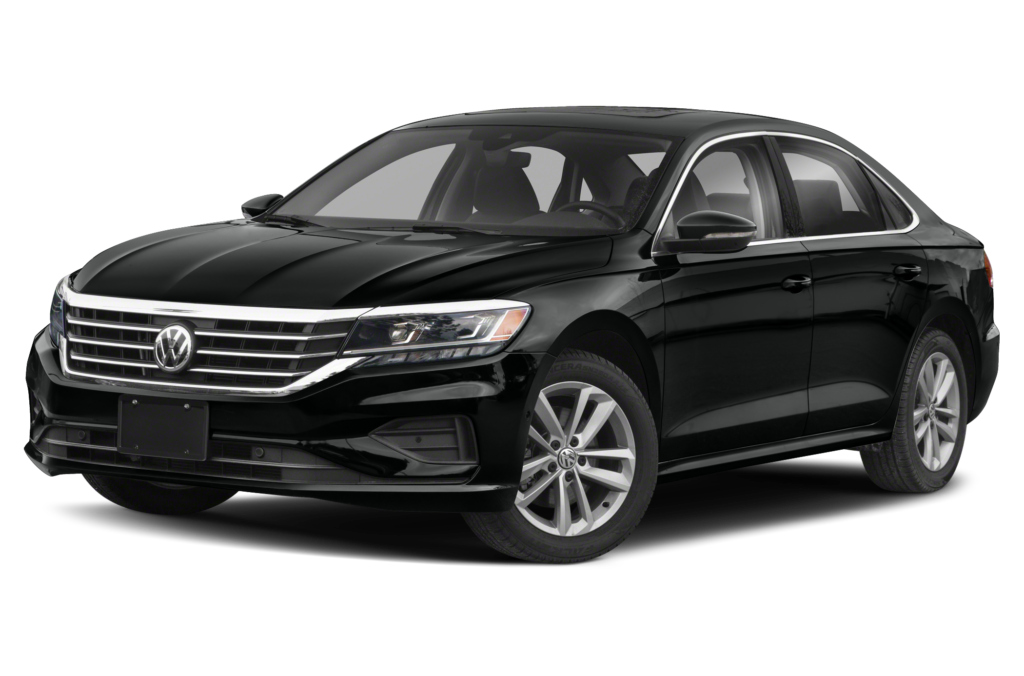
Content in this publication
- Living With a Stubborn Passat Door
- Why Door Locks Matter More Than We Think
- Common Symptoms We Encounter
- The Usual Suspects Behind the Trouble
- Generational Differences in the Passat
- How We Diagnose at Home
- When the Driver Door Misbehaves Alone
- Rear Door Lock Mysteries
- Random Locking While Driving
- DIY Repair Paths We Can Walk
- Tools That Become Our Friends
- When Professional Help Makes Sense
- Costs We Might Face
- Preventive Habits for the Future
- Security Concerns We Shouldn’t Ignore
- Keyless Entry Complications
- The Role of the Car Battery
- Software Updates and Recalls
- Real-Life Stories From Owners
- A Step-by-Step Troubleshooting Map
- Choosing Quality Replacement Parts
- Weather and Its Mischief
- Child Locks and Safety Features
- Closing Thoughts on the Journey
- FAQs
Living With a Stubborn Passat Door
We’ve all had that moment—arms full of groceries, rain tapping on the roof, and the Volkswagen Passat decides it simply won’t unlock. A door lock problem can feel like a small annoyance at first, yet it quickly grows into something that disrupts daily life. The Passat is a dependable machine, but even loyal companions develop quirks. Today we walk together through the maze of Volkswagen Passat door lock problems, exploring causes, fixes, and ways to keep those doors behaving like well-trained guards rather than moody teenagers.
Why Door Locks Matter More Than We Think
A car door lock is like the handshake of the vehicle—it welcomes us in and keeps the outside world at bay. When that handshake turns limp or refuses altogether, security and convenience suffer. We rely on the Passat not only to transport us but to protect our families and belongings. Understanding the problem is the first step toward restoring trust between driver and machine.
Common Symptoms We Encounter
Before grabbing tools or calling a mechanic, we should listen to what the car is trying to say. Passat door lock problems often whisper before they shout.
- Doors refusing to lock or unlock with the remote
- One door behaving differently from the others
- Random locking while driving
- Clicking noises from inside the panel
- Interior lights staying on as if a door is open
- Alarm triggering without reason
Each symptom is a clue, like breadcrumbs leading through a forest of wires and modules.
The Usual Suspects Behind the Trouble
Worn Door Lock Actuator
The actuator is the muscle that moves the lock. Over years of use it grows tired, just like our knees after too many stairs. When it weakens, the mechanism may hesitate or fail completely.
Faulty Microswitch
Hidden inside the latch assembly lives a tiny microswitch that tells the car whether the door is open or closed. When this little messenger lies, the whole system becomes confused.
Broken Wiring in the Door Loom
Between the door and the body stretches a bundle of wires that bends every time we open the door. Imagine bending a paperclip again and again—eventually it snaps. The same fate can meet those wires.
Central Locking Module Glitches
The Passat’s brain sometimes catches a cold. Software hiccups or water damage can scramble commands sent to the locks.
Key Fob and Battery Issues
Not every problem lives inside the door. A tired key fob battery or damaged remote can mimic more serious faults.
Generational Differences in the Passat
B5 and B5.5 Models
These older heroes often suffer from microswitch failure and broken solder joints. Their door modules are sensitive souls.
B6 and B7 Models
Here we see more wiring loom fatigue and actuator wear. The design improved, yet time still leaves fingerprints.
B8 Modern Passats
Technology brought keyless entry and more complexity. Problems may involve sensors or software rather than pure mechanics.
How We Diagnose at Home
We don’t always need a lab coat. With patience we can perform simple checks.
You may be interested in reading Volkswagen Passat Not Starting – A Complete Troubleshooting Guide
- Listen to the door – Does the actuator click?
- Test with the key blade – Mechanical operation tells us much.
- Check interior lights – Do they respond to door movement?
- Inspect the rubber boot – Any visible wire damage?
- Swap fob batteries – The cheapest experiment first.
Diagnosis is like having a conversation with the car, asking gentle questions before assuming the worst.
When the Driver Door Misbehaves Alone
The driver door is the busiest entrance, like the front porch of a house. Its actuator works harder and fails sooner. If only this door rebels, the culprit is usually inside that specific panel rather than the central system.
Rear Door Lock Mysteries
Rear doors often show problems after years of children slamming them or winter ice forcing the mechanism. A silent rear door that won’t respond to the remote typically points toward a tired actuator or broken wire in the hinge area.
Random Locking While Driving
Few things startle more than hearing locks dance while cruising down the road. This usually means the car believes a door is opening and closing repeatedly. The lying microswitch is again our prime suspect.
DIY Repair Paths We Can Walk
Replacing the Actuator
- Remove the door card carefully
- Peel back the moisture barrier
- Unbolt the latch assembly
- Disconnect cables and wiring
- Install the new unit like fitting a fresh heart
This job demands patience more than strength. Think of it as surgery rather than hammer work.
Repairing Broken Wires
- Pull back the rubber boot
- Locate cracked insulation
- Solder and heat-shrink repairs
- Ensure flexibility remains
A repaired loom should bend like a willow, not a dry twig.
Cleaning and Lubrication
Sometimes dirt is the villain. A gentle clean and proper grease can revive a sticky mechanism, much like oiling a squeaky gate.
Tools That Become Our Friends
- Trim removal tools
- Torx bit set
- Multimeter
- Soldering iron
- Silicone grease
With these companions we feel braver opening the door’s inner world.
When Professional Help Makes Sense
We should admit when the mountain is too steep. If coding, module replacement, or airbag-adjacent work is required, a professional garage becomes the safest harbor. Modern Passats speak in digital languages that need specialized translators.
Costs We Might Face
- Actuator replacement: moderate expense
- Wiring repair: often affordable
- Module replacement: heavier on the wallet
- Diagnostic scan: small fee that saves guessing
Thinking of costs as investments rather than punishments eases the sting.
Preventive Habits for the Future
- Avoid slamming doors like angry drums
- Keep locks clean from winter salt
- Replace fob batteries yearly
- Listen to early warning signs
Care today is a shield against headaches tomorrow.
Security Concerns We Shouldn’t Ignore
A faulty lock isn’t just an inconvenience; it can leave the car vulnerable. We wouldn’t leave our home with a broken front door, and the Passat deserves the same respect.
Keyless Entry Complications
On newer models, antennas and sensors join the party. Interference, water ingress, or low vehicle battery can confuse the system, making the car act like a forgetful butler.
You may be interested in readingVolkswagen Passat Not Starting – A Complete Troubleshooting GuideYou may be interested in reading
 Volkswagen Passat No Heat: A Practical Guide to Warming Up Your Drive
The Role of the Car Battery
Low voltage makes electronics misbehave. Before blaming the door, we should ensure the car’s main battery is healthy and connections are tight.
Software Updates and Recalls
Volkswagen occasionally releases updates addressing locking behavior. Checking for outstanding campaigns can feel like finding a free umbrella before the storm.
Real-Life Stories From Owners
Many drivers share tales of a single winter morning when the door froze and never returned to normal, or of a child lock that decided to become permanent. These stories remind us we’re not alone on this road.
A Step-by-Step Troubleshooting Map
- Start with the key fob battery
- Test mechanical key operation
- Observe interior light logic
- Scan for fault codes
- Inspect wiring loom
- Consider actuator replacement
Following this map keeps us from wandering in circles.
Choosing Quality Replacement Parts
Not all parts are born equal. Genuine or reputable aftermarket actuators may cost more but behave better, like choosing sturdy shoes over flimsy sandals for a long hike.
Weather and Its Mischief
Cold contracts metal, heat expands it. Moisture sneaks where it shouldn’t. Door locks live in a harsh neighborhood, and weather often triggers underlying weaknesses.
Child Locks and Safety Features
Sometimes the problem is simply a switched child lock. Checking the obvious saves embarrassment and unnecessary labor.
Closing Thoughts on the Journey
The Volkswagen Passat door lock problem can feel like a riddle wrapped in steel, yet with understanding it becomes manageable. We’ve learned to read the symptoms, respect the mechanics, and choose the right remedy. A cooperative door restores harmony between driver and car, turning daily routines smooth again, like a well-oiled hinge on a favorite garden gate.
FAQs
1. Why does only one Passat door fail to unlock?
Usually a single-door issue points to that door’s actuator or wiring loom rather than the central locking module.
2. Can a low car battery affect door locks?
Yes, weak voltage confuses electronic modules and may cause random locking or failure to respond.
3. Is it safe to drive with a faulty door lock?
It’s not ideal. Security and airbag logic can be affected, so repairs should be made promptly.
4. How long does actuator replacement take?
For an experienced DIYer, two to three hours per door is typical.
5. Do aftermarket actuators work well?
Quality brands perform reliably, but very cheap units may fail early.
Volkswagen Passat Not Starting – A Complete Troubleshooting GuideYou may be interested in reading
Volkswagen Passat No Heat: A Practical Guide to Warming Up Your DriveYou may be interested in reading
 Volkswagen Passat Sensor Problems
If you want to know other articles similar to Volkswagen Passat Door Lock Problem you can visit the category Common Problems.
Volvo XC60 360 Camera Not Working: Complete Troubleshooting & Fix Guide
Volvo XC60 Key Fob Not Working: Causes, Fixes, and Expert Solutions
Volvo XC60 Low Battery Warning: Causes, Fixes, and Prevention Guide
Volvo XC60 No Sound: Causes, Fixes, and Complete Troubleshooting Guide
Volvo XC60 Common Problems: What Owners Really Experience
Volvo XC60 Issues: The Truth Behind This Popular SUV
Leave a Reply
More content of your interest