

Volkswagen Passat Engine – Everything We Need to Know About Power, Reliability, and Real-World Performance

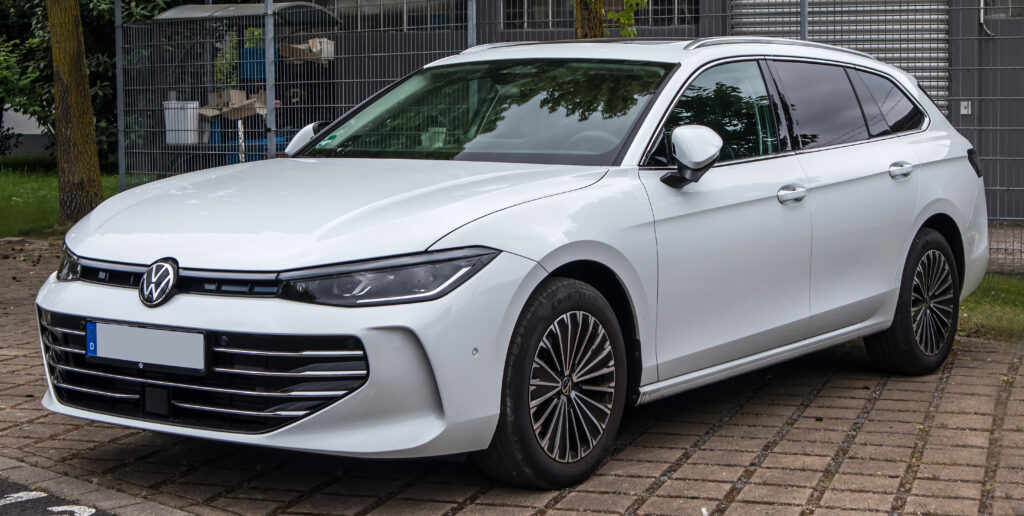
We’ve all heard the saying that the engine is the heart of a car, and with the Volkswagen Passat that statement feels especially true. The Passat has been cruising roads for decades, wearing many faces and hosting a wide family of engines beneath its hood. Some are calm and economical like a morning coffee, others punchy and eager like an espresso shot before work. In this guide we dive deep into the Volkswagen Passat engine story—how it evolved, what makes it tick, which versions shine brightest, and how we can keep them healthy for the long haul.
Content in this publication
- A Quick Journey Through Passat Engine History
- Understanding the Core Engine Families
- How Volkswagen Passat Engines Actually Work
- Popular Volkswagen Passat Engine Options
- Reliability – Can We Trust a Passat Engine?
- Maintenance Tips We Shouldn’t Ignore
- Driving Experience With Different Engines
- Fuel Economy – What Can We Expect?
- Comparing Passat Engines to Rivals
- Which Passat Engine Fits Our Lifestyle?
- Tuning Potential – Can We Add More Spice?
- Buying a Used Passat – Engine Checklist
- Environmental Considerations
- The Emotional Side of an Engine
- Future of Passat Engines
- Final Thoughts on Volkswagen Passat Engine
- Frequently Asked Questions
A Quick Journey Through Passat Engine History
From Humble Beginnings to Modern Powerhouses
When the first Passat rolled out in the 1970s, engines were simple, mechanical creatures. Over the years we’ve watched them transform into highly intelligent machines packed with turbochargers, sensors, and software. Each generation of Passat brought new ideas—better fuel injection, lighter materials, smarter cooling, and tighter emissions control.
Why the Passat Became an Engine Icon
We believe the Passat’s secret sauce has always been balance. It never chased wild supercar numbers, yet it avoided dull mediocrity. Instead, Volkswagen aimed for engines that felt confident on the highway, gentle in the city, and affordable at the pump. That recipe made the Passat a favorite for families, commuters, and taxi drivers alike.
Understanding the Core Engine Families
Petrol Engines – Smooth and Versatile
The petrol range has included classics like the 1.4 TSI, 1.8 TSI, and 2.0 TSI. These engines use turbocharging to squeeze more power from smaller blocks, like teaching a small dog to bark with the voice of a big one.
- Lively acceleration
- Quiet cabin manners
- Good balance of economy and power
- Ideal for urban and mixed driving
Diesel Engines – The Long-Distance Heroes
Passat diesels, especially the famous TDI units, built a reputation for mile-eating stamina. We often compare them to marathon runners—steady, efficient, and hard to exhaust.
- Exceptional fuel economy
- Strong low-end torque
- Great for towing and highway trips
- Durable when maintained correctly
Hybrid and Modern Electrified Options
Recent Passat generations welcomed plug-in hybrids like the GTE. These engines blend petrol power with electric assistance, giving us the best of both worlds.
- Silent electric commuting
- Lower emissions
- Instant torque feel
- Smart energy regeneration
How Volkswagen Passat Engines Actually Work
Turbocharging Explained in Human Words
A turbo is like a fan that breathes extra air into the engine. More air means more controlled explosions, and more explosions mean more power. We love how this allows small engines to feel muscular without drinking fuel like a thirsty camel.
Direct Injection – Precision Cooking
Instead of spraying fuel roughly, direct injection delivers it with surgeon-like accuracy. Think of seasoning a meal pinch by pinch rather than dumping the whole salt jar.
Engine Management Systems
Modern Passat engines carry tiny computers that adjust timing, fuel, and airflow every millisecond. It’s as if a conductor keeps an orchestra perfectly in rhythm.
Popular Volkswagen Passat Engine Options
The 1.4 TSI – The Everyday Champion
This engine often feels like the sweet spot.
- Around 120–150 hp depending on version
- Light and efficient
- Affordable maintenance
- Great for city families
The 2.0 TSI – Power With a Smile
For drivers who want extra sparkle:
- Up to 220 hp in some trims
- Strong overtaking ability
- Smooth DSG gearbox pairing
- Sporty character without drama
The 2.0 TDI – The Legend
Probably the most talked-about Passat engine.
- Massive torque from low revs
- 50+ mpg in real conditions
- Perfect for long commutes
- Known for durability
Reliability – Can We Trust a Passat Engine?
Common Strengths
We’ve seen many Passats cross 200,000 miles with original engines. Regular oil changes and quality fuel often reward owners with years of faithful service.
Typical Weak Spots
No engine is perfect. Some owners report:
You may be interested in reading Volkswagen Passat Oil – Everything We Need to Know for a Happy Engine
- Timing chain stretch on older TSI units
- EGR and DPF issues on diesels
- Water pump wear
- Coil pack failures
Knowing these quirks helps us avoid nasty surprises.
Maintenance Tips We Shouldn’t Ignore
Oil Is the Engine’s Blood
Skipping oil changes is like skipping sleep—we might survive, but not gracefully. Stick to the recommended intervals and correct VW specifications.
Listen to Small Warnings
A tiny rattle today can become tomorrow’s expensive headache. We always tell friends: treat warning lights like text messages from your car’s brain.
Use Quality Parts
Cheap filters and bargain fluids can turn a noble Passat into a grumpy mule. OEM or trusted brands keep harmony under the hood.
Driving Experience With Different Engines
City Cruising
Petrol TSIs feel nimble in traffic, light on the steering and quick off the line. They behave like friendly neighbors who never make noise at night.
Highway Touring
Diesels stretch their legs here. At 70 mph the engine hums lazily, sipping fuel like iced tea on a summer porch.
Sporty Back Roads
The 2.0 TSI with DSG can surprise us with hot-hatch manners. The Passat suddenly forgets it’s a sensible sedan and dances through corners.
Fuel Economy – What Can We Expect?
- 1.4 TSI: around 40–45 mpg
- 2.0 TSI: 32–38 mpg
- 2.0 TDI: 50–60 mpg
- GTE hybrid: up to 30 electric miles + petrol backup
Real life depends on our right foot, of course.
Comparing Passat Engines to Rivals
Versus Ford Mondeo
We find the Passat smoother and more refined, while the Mondeo sometimes feels sportier but less elegant.
Versus Toyota Camry
The Camry wins reliability contests, yet the Passat often offers more engaging European driving flavor.
Versus Skoda Superb
Cousins under the skin—engines feel similar, but the Passat usually carries a more premium polish.
Which Passat Engine Fits Our Lifestyle?
For Daily Commuters
The 1.4 TSI or 2.0 TDI makes sense—easy running costs and relaxed manners.
For Enthusiast Parents
The 2.0 TSI blends school-run practicality with weekend fun.
For Eco-Minded Drivers
The GTE plug-in hybrid lets us glide to work almost silently.
You may be interested in readingVolkswagen Passat Oil – Everything We Need to Know for a Happy EngineYou may be interested in reading
 Volkswagen Passat Weight – Everything We Need to Know About Size, Mass, and Real-World Impact
Tuning Potential – Can We Add More Spice?
ECU Remapping
A gentle software tune can unlock extra horses without touching hardware.
- +20–40 hp on many TSIs
- Improved throttle response
- Keep warranty in mind
Hardware Upgrades
Bigger intercoolers, exhausts, and intakes can wake the engine up, but we recommend balanced setups rather than wild experiments.
Buying a Used Passat – Engine Checklist
- Cold start behavior
- Service history
- Timing belt/chain records
- Smoke from exhaust
- Smooth idle
- DSG service proof
We treat this list like a shopping recipe—skip an ingredient and the meal might disappoint.
Environmental Considerations
Emissions Standards
Newer Passat engines meet strict Euro regulations. AdBlue systems on diesels help clean the air we all share.
Real-World Responsibility
Choosing the right engine isn’t just about us; it’s about neighbors, kids, and city skies.
The Emotional Side of an Engine
We sometimes forget cars are more than metal. The Passat engine becomes part of daily stories—road trips, first jobs, late-night airport runs. Its hum is a soundtrack to ordinary life.
Future of Passat Engines
Electrification on the Horizon
We see Volkswagen moving toward more hybrids and full EVs. Traditional engines may slowly pass the torch, like wise grandparents handing keys to a new generation.
Will the Soul Remain?
Even with batteries, we hope the Passat keeps its trademark balance of comfort and confidence.
Final Thoughts on Volkswagen Passat Engine
The Volkswagen Passat engine is not a single creature but a whole family tree. Some branches favor economy, others performance, yet all aim for reliability and everyday joy. When we choose carefully and maintain lovingly, a Passat engine can feel like a loyal companion rather than a mere machine.
Frequently Asked Questions
1. Which Volkswagen Passat engine is most reliable?
Most owners praise the 2.0 TDI for longevity, while later 1.4 TSI units also show strong reliability when serviced properly.
2. Are Passat diesel engines expensive to maintain?
Not necessarily. Routine service costs are reasonable, but components like DPF or injectors can be pricey if neglected.
3. How long can a Passat engine last?
With good care many reach 200,000 miles or more, proving these engines are built for the long road.
4. Is the 2.0 TSI good for family use?
Absolutely. It mixes safety, power, and smoothness, perfect for school runs and vacations.
5. Should we choose petrol, diesel, or hybrid?
It depends on driving style—city users may love petrol or hybrid, while highway travelers benefit from diesel efficiency.
You may be interested in readingVolkswagen Passat Oil – Everything We Need to Know for a Happy EngineYou may be interested in reading
Volkswagen Passat Weight – Everything We Need to Know About Size, Mass, and Real-World ImpactYou may be interested in reading
 Volkswagen Passat Clutch Replacement Cost
If you want to know other articles similar to Volkswagen Passat Engine – Everything We Need to Know About Power, Reliability, and Real-World Performance you can visit the category Service and Parts.
How to Reset Volvo XC60 Infotainment System: The Complete Practical Guide
Volvo XC60 Gearbox Oil Change: The Complete Expert Guide
Volvo XC60 Engine Management Light: Causes, Fixes, and What It Really Means
Skoda Kamiq Size Comparison: Dimensions, Space & Real-World Practicality
Volvo XC60 Headlight Adjustment for Europe: The Complete Practical Guide
Volvo XC60 City Safety Service Required: What It Means, Causes, and Fixes
Leave a Reply
More content of your interest