
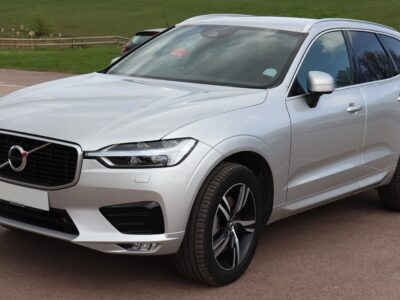
Volkswagen Passat Generations – A Journey Through Time, Style, and Engineering

Content in this publication
- Why the Passat Story Matters
- The Birth of a Name – Setting the Stage
- First Generation (B1: 1973–1981) – The Humble Beginning
- Second Generation (B2: 1981–1988) – Stretching Its Legs
- Third Generation (B3: 1988–1993) – A Bold Redesign
- Fourth Generation (B4: 1993–1997) – Polishing the Diamond
- Fifth Generation (B5: 1996–2005) – The Premium Turn
- Fifth Generation Facelift (B5.5: 2001–2005) – Makeup That Worked
- Sixth Generation (B6: 2005–2010) – Technology Takes the Wheel
- Seventh Generation (B7: 2010–2014) – The Confident Middle Age
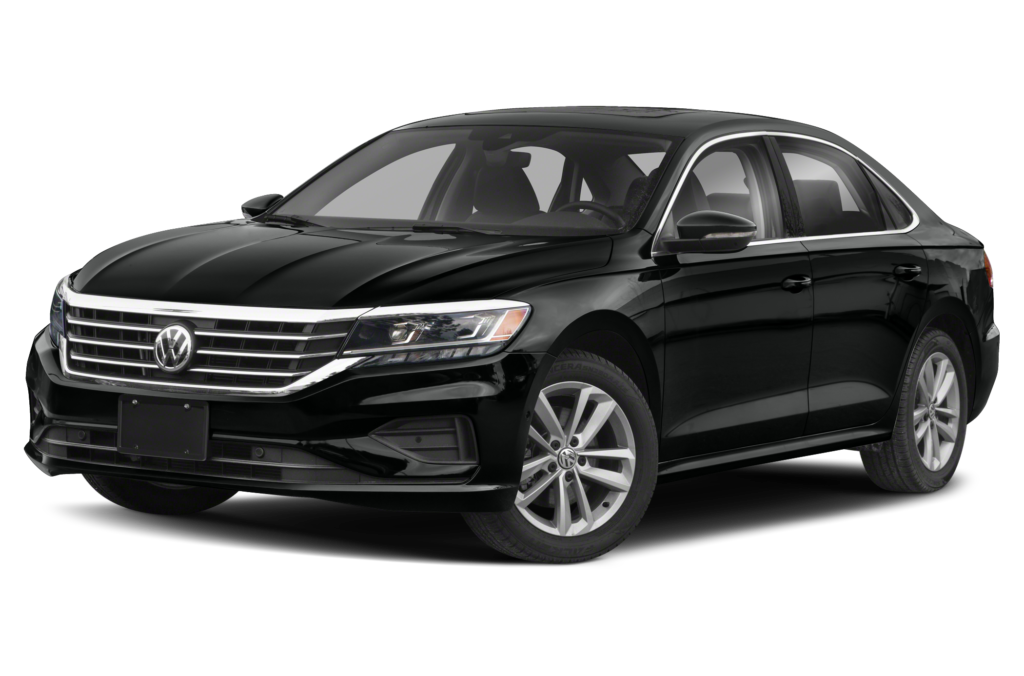
- Eighth Generation (B8: 2014–2023) – Modern Masterpiece
- Regional Variations – One Name, Many Flavors
- Engines Through the Ages – The Beating Hearts
- Body Styles – More Than a Sedan
- Safety Evolution – From Seatbelts to Sensors
- Reliability Reputation – Myth and Reality
- Cultural Impact – More Than Metal
- What Makes Each Generation Unique – Quick Glance
- Choosing Your Favorite Generation
- The Road Ahead – Electric Winds
- Closing Thoughts – Why the Passat Endures
- FAQs
Why the Passat Story Matters
When we think about cars that have quietly shaped family life, business commutes, and long Sunday drives, the Volkswagen Passat often sits in the front row like the dependable friend who never misses a birthday. We’ve watched it grow from a modest European saloon into a global icon. Exploring Volkswagen Passat generations feels a bit like leafing through a family photo album—each page shows new haircuts, new fashions, and smarter ideas.
But how did this model evolve? What made each generation different, and why do so many drivers still trust the Passat today? Let’s take a relaxed walk through history together.
The Birth of a Name – Setting the Stage
Before diving into each era, we should remember what the Passat was meant to be. Volkswagen wanted a mid-size car that blended comfort with German engineering discipline. The name “Passat,” borrowed from the trade winds, hinted at smooth, steady travel. From the start, it wasn’t about flash—it was about getting things right.
First Generation (B1: 1973–1981) – The Humble Beginning
A Fresh Face for the 1970s
The original Passat arrived wearing the fashion of its decade: sharp lines, simple interiors, and honest mechanics. We could call it the plain loaf of bread that fed millions—nothing fancy, but exactly what families needed.
Key Traits of the B1
- Front-wheel drive layout
- Shared DNA with the Audi 80
- Hatchback and estate options
- Frugal petrol engines
This generation taught Volkswagen how to build a practical middle-class car. It was the seed that would grow into a forest.
Second Generation (B2: 1981–1988) – Stretching Its Legs
Growing Taller and Wiser
With the B2, the Passat felt like a teenager getting new shoes. It became larger, more confident, and more comfortable. We began to see better rust protection and improved safety.
What Changed
- More interior space
- Introduction of five-cylinder engines
- Better ride comfort
- Wider global reach
The B2 proved that the Passat could travel beyond Germany and feel at home anywhere.
Third Generation (B3: 1988–1993) – A Bold Redesign
No More Grille, More Personality
Remember the surprise of seeing a Passat without a traditional front grille? The B3 looked futuristic, almost like it had shaved its beard. Volkswagen shifted to a fully in-house platform, breaking from Audi roots.
Highlights
- Aerodynamic styling
- VR6 engine debut
- Improved safety structure
- Roomier cabin
We started to sense that the Passat was no longer just practical—it was becoming desirable.
Fourth Generation (B4: 1993–1997) – Polishing the Diamond
Refinement Over Revolution
Rather than reinvent the wheel, Volkswagen smoothed the rough edges. The B4 was like repainting a beloved house instead of building a new one.
Notable Additions
- Dual airbags
- TDI diesel popularity
- Better interior quality
- Classic family estate body
This generation cemented the Passat as a reliable long-distance companion.
You may be interested in reading Volkswagen Passat Trim Levels – A Complete Guide to Choosing the Perfect Version
A Touch of Luxury
Here the Passat dressed up in a suit. Shared again with Audi underpinnings, it felt more upscale, quieter, and more refined. Many of us still see B5 models cruising proudly today.
Why the B5 Stood Out
- Multi-link front suspension
- Elegant interior design
- Strong TDI engines
- All-wheel-drive 4Motion
The Passat began flirting with the executive class, and the relationship worked.
Fifth Generation Facelift (B5.5: 2001–2005) – Makeup That Worked
Small Tweaks, Big Impact
With new headlights and smarter electronics, the facelifted version aged gracefully—like a favorite actor who looks better with time.
Sixth Generation (B6: 2005–2010) – Technology Takes the Wheel
Brains Meet Beauty
The B6 brought modern gadgets and sharper styling. Electronic parking brakes and DSG gearboxes entered the chat.
Core Features
- Direct-injection engines
- Improved crash safety
- Touches of chrome
- Sedan and estate choices
We felt the Passat stepping firmly into the digital age.
Seventh Generation (B7: 2010–2014) – The Confident Middle Age
Evolution Instead of Chaos
The B7 refined what worked: better materials, quieter cabins, and efficient engines. It was the calm adult in a room of noisy rivals.
Eighth Generation (B8: 2014–2023) – Modern Masterpiece
Built on the MQB Platform
This era transformed the Passat into a tech-rich cruiser. We saw digital dashboards, plug-in hybrids, and driver-assistance systems that felt almost like a co-pilot.
Standout Elements
- Lighter body
- Adaptive cruise control
- GTE plug-in hybrid
- Sleek LED lighting
The B8 became a bridge between tradition and the electric future.
Regional Variations – One Name, Many Flavors
Europe vs. America vs. China
Not every Passat wore the same shoes. The U.S. received a roomier, softer version, while China enjoyed long-wheelbase luxury editions. It’s like the same recipe cooked with local spices.
Engines Through the Ages – The Beating Hearts
From Carburetors to Hybrids
- Early petrol fours
- Legendary TDI diesels
- VR6 performance units
- Modern TSI and GTE electrification
Each engine era reflected the world’s changing mood about fuel and performance.
Body Styles – More Than a Sedan
Choices for Every Life
- Hatchbacks in early years
- Classic saloons
- Practical estates
- Alltrack rugged wagons
The Passat always tried to fit our lifestyles like a well-tailored jacket.
You may be interested in readingVolkswagen Passat Trim Levels – A Complete Guide to Choosing the Perfect VersionYou may be interested in reading
 Volkswagen Passat vs Skoda Superb: Which Executive Companion Truly Wins?
Safety Evolution – From Seatbelts to Sensors
Growing Protection
What began with simple belts matured into airbags, ABS, ESC, and radar systems. The Passat learned to look after us like a careful guardian.
Reliability Reputation – Myth and Reality
The Good and the Tricky
Most generations earned respect for durability, though some engines demanded careful maintenance. Like any long marriage, it needed attention to stay happy.
Cultural Impact – More Than Metal
A Car in Our Memories
Taxis, family road trips, company fleets—the Passat has been background music to countless lives. It’s not loud, but it’s always there humming.
What Makes Each Generation Unique – Quick Glance
- B1: The pioneer
- B2: The globe-trotter
- B3: The rebel without a grille
- B4: The dependable parent
- B5: The executive
- B6: The tech student
- B7: The mature professional
- B8: The digital native
Choosing Your Favorite Generation
Questions We Ask Ourselves
Do we value classic simplicity or modern gadgets? Diesel thrift or hybrid silence? Picking a Passat generation is like choosing between different chapters of the same novel.
The Road Ahead – Electric Winds
Is the Passat Saying Goodbye?
With SUVs and electrification rising, the Passat story is changing. Yet its spirit lives on in new forms, like a river finding fresh paths to the sea.
Closing Thoughts – Why the Passat Endures
We’ve traveled through five decades of Volkswagen Passat generations, and one truth stays clear: this car succeeded by listening to ordinary people. It never shouted; it spoke calmly. It wasn’t a sports hero, but a loyal teammate. Perhaps that’s why so many of us still glance back at a parked Passat with a small, grateful smile.
FAQs
1. Which Volkswagen Passat generation is most reliable?
Many enthusiasts point to the B5 and B7 for balanced reliability, especially with well-maintained TDI engines.
2. When did the Passat become more premium?
The B5 generation marked the strongest move toward executive comfort and upscale materials.
3. What is the newest Passat generation?
The B8 represents the latest major generation with advanced digital and hybrid technology.
4. Are all Passats the same worldwide?
No, regional versions differ in size, engines, and features, particularly between Europe and North America.
5. Will there be an electric Passat?
Volkswagen is shifting toward electric ID models, but Passat DNA influences future EV sedans and wagons.
Volkswagen Passat Trim Levels – A Complete Guide to Choosing the Perfect VersionYou may be interested in reading
Volkswagen Passat vs Skoda Superb: Which Executive Companion Truly Wins?You may be interested in reading
 Volkswagen Passat vs Jetta: Which Sedan Truly Fits Our Drive?
If you want to know other articles similar to Volkswagen Passat Generations – A Journey Through Time, Style, and Engineering you can visit the category Models.
Volvo XC60 vs Mazda CX-60: The Ultimate SUV Showdown
Volvo XC60 vs BMW X5: The Ultimate SUV Showdown
Volvo XC60 vs Ford Kuga: The Ultimate SUV Showdown
Volvo XC60 vs Kia Sportage: The Ultimate SUV Showdown
Volvo XC60 vs Toyota RAV4: Which SUV Truly Wins Our Hearts?
Volvo XC60 vs Lexus NX: Which Premium SUV Truly Wins?
Leave a Reply
More content of your interest