

Volkswagen Passat No Heat: A Practical Guide to Warming Up Your Drive

We’ve all been there—sliding into the driver’s seat of a Volkswagen Passat on a frosty morning, twisting the temperature dial with hope, and feeling… nothing. No comforting warmth, no gentle defrost breeze, just cold air blowing like an unwelcome winter guest. When a Passat has no heat, the problem can feel mysterious, but it rarely is. Together we’ll walk through the causes, the fixes, and the little habits that keep the cabin cozy like a well-worn sweater.
Content in this publication
- Why a Passat Loses Its Warmth
- How the Passat Heating System Actually Works
- Common Symptoms We Notice
- Low Coolant: The Silent Culprit
- Thermostat Stuck Open
- Heater Core Problems
- Blend Door and Actuator Failures
- Electrical Gremlins in the HVAC System
- Water Pump Weakness
- Airlocks After Coolant Service
- Step-by-Step Troubleshooting We Recommend
- DIY Fixes vs Professional Help
- Preventive Habits for Reliable Heat
- Cost Expectations
- Model-Specific Notes Across Passat Generations
- Driving Without Heat: Is It Safe?
- When to Act Immediately
- Our Warm Conclusion
- Frequently Asked Questions
Why a Passat Loses Its Warmth
Heat in any car is a simple miracle. The engine creates warmth, coolant carries it, the heater core shares it, and the blower delivers it. If one link in that chain snaps, the cabin turns into an icebox. In our experience, most “no heat” complaints stem from a handful of usual suspects.
How the Passat Heating System Actually Works
The Journey of Warm Coolant
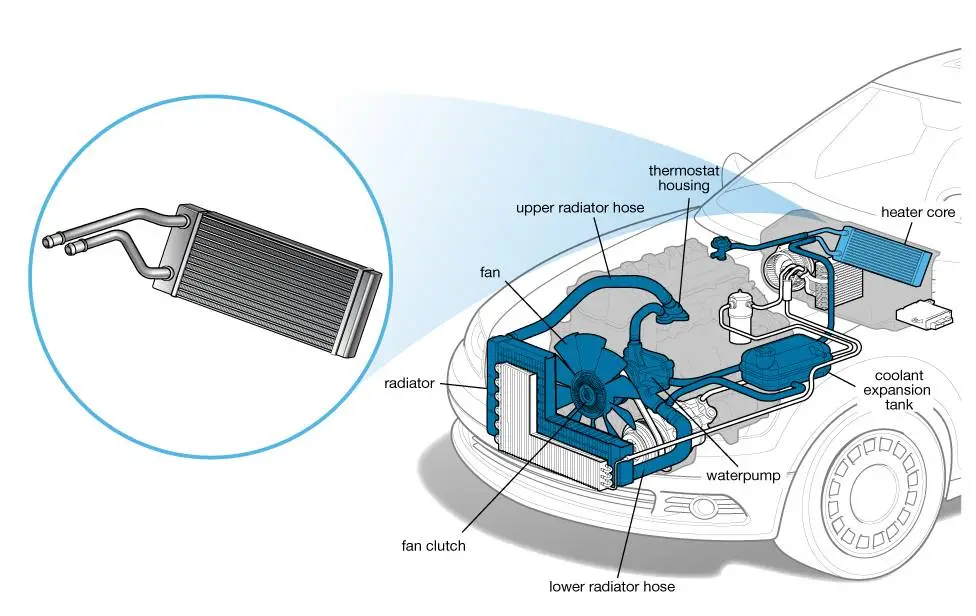
Think of the heating system as a river. Hot coolant flows from the engine through narrow channels to the heater core, a tiny radiator tucked behind the dashboard. Air passes over it, picks up heat, and blows through the vents. If the river dries, the cabin chills.
Key Components Involved
- Engine coolant and thermostat
- Heater core
- Blend door actuators
- HVAC control module
- Blower motor and resistor
- Coolant hoses and valves
Any of these parts can play the villain in our story.
Common Symptoms We Notice
Cold Air Only, Even at Full Heat
The classic sign. Temperature set to “HI,” fan roaring, but the air feels like a mountain wind.
Heat Only While Driving
If warmth appears only when the car is moving, we often suspect low coolant or a weak water pump.
Uneven Heating Between Vents
One side warm, the other cold? That usually points toward blend doors or dual-zone control issues.
Low Coolant: The Silent Culprit
Why Level Matters
Without enough coolant, the heater core starves. The engine may run fine, yet the cabin shivers.
Checking Safely
We always check coolant when the engine is cold. The reservoir should sit between MIN and MAX like a calm lake between two shores.
Thermostat Stuck Open
How It Affects Cabin Heat
A thermostat stuck open keeps coolant circulating too freely. The engine struggles to reach operating temperature, and the heater never gets truly warm.
Telltale Signs
- Temperature gauge stays low
- Fuel economy drops
- Cabin heat feels lukewarm at best
Replacing the thermostat often feels like giving the Passat a winter coat.
Heater Core Problems
Clogged Core
Over years, sediment can clog the tiny passages of the heater core. Warmth gets trapped like sunlight behind dusty blinds.
You may be interested in reading Volkswagen Passat Sensor Problems
Leaking Core
A sweet coolant smell or foggy windows hints at a leak. Ignoring it is like living with a dripping roof.
Blend Door and Actuator Failures
What Blend Doors Do
These small flaps decide how much hot or cold air mixes before reaching the vents.
When They Go Rogue
A failed actuator can leave the door stuck in “cold,” no matter how persuasively we twist the knob.
Electrical Gremlins in the HVAC System
Control Module Issues
Modern Passats rely on electronic brains. A glitchy module can forget how to make heat, much like a sleepy barista forgetting the coffee.
Blower Motor and Resistor
If the fan doesn’t push air, even a perfect heater core can’t help.
Water Pump Weakness
Reduced Circulation
A tired pump moves coolant lazily. The engine may stay cool, and the cabin colder.
Warning Noises
Whining or grinding from the front of the engine often tells the tale.
Airlocks After Coolant Service
Trapped Bubbles
After repairs, air can hide in the system. These bubbles block flow like corks in a bottle.
Bleeding the System
Proper bleeding restores the smooth river of warmth.
Step-by-Step Troubleshooting We Recommend
- Check coolant level and condition
- Feel heater hoses – both should be hot
- Monitor engine temperature gauge
- Listen for blend door movement
- Scan for fault codes
These simple steps often reveal the truth faster than guesswork.
DIY Fixes vs Professional Help
Jobs We Can Tackle at Home
- Topping up coolant
- Replacing thermostat on some engines
- Checking fuses and relays
Tasks Better Left to Experts
- Heater core replacement
- Dashboard removal
- Advanced electrical diagnosis
We like to be brave, but we also respect the complexity behind that elegant Passat dash.
Preventive Habits for Reliable Heat
Regular Coolant Changes
Fresh coolant is like clean blood in the veins—vital and protective.
You may be interested in readingVolkswagen Passat Sensor ProblemsYou may be interested in reading
 Nissan Micra Problems – An Honest, Owner-Style Guide
Annual System Check
Before winter bites, a quick inspection saves frozen fingers later.
Cost Expectations
- Coolant top-up: minimal
- Thermostat replacement: moderate
- Heater core: higher
- Blend door actuator: varies
Prices dance with labor time, engine type, and region, but knowing the range calms the nerves.
Model-Specific Notes Across Passat Generations
B6 and B7 Quirks
These generations sometimes suffer from blend door failures and clogged cores.
B8 Modern Systems
More electronic control means more comfort—and occasionally more complex diagnostics.
Driving Without Heat: Is It Safe?
Beyond comfort, heat clears fog and frost. Without it, visibility suffers. We treat cabin warmth as a safety feature, not a luxury.
When to Act Immediately
- Sweet smell in cabin
- Overheating engine
- Rapid coolant loss
- Electrical burning odor
These signs shout louder than winter wind.
Our Warm Conclusion
A Volkswagen Passat with no heat can feel like a loyal friend catching a cold. The good news? The cure is usually straightforward once we understand the system’s rhythm. By checking coolant, thermostat, heater core, and blend doors, we almost always coax the warmth back. Think of the heating system as a cozy fireplace—tend it well, and it will reward every journey with comfort.
Frequently Asked Questions
1. Why does my Passat only blow hot air while driving?
This often points to low coolant or a weak water pump that can’t circulate fluid at idle.
2. Can a bad battery cause no heat?
Indirectly yes—low voltage may disrupt HVAC controls and blend door actuators.
3. How long does a heater core last?
Many last the life of the car, but poor coolant maintenance can shorten it dramatically.
4. Is it expensive to fix no heat issues?
Costs range from cheap coolant top-ups to pricier heater core jobs; diagnosis is key.
5. Can I drive my Passat without fixing the heat?
You can, but defrosting and safety may suffer, so we don’t recommend it.
You may be interested in readingVolkswagen Passat Sensor ProblemsYou may be interested in reading
Nissan Micra Problems – An Honest, Owner-Style GuideYou may be interested in reading
 Nissan Micra Boot Won’t Open – Causes, Fixes, and Real-World Solutions
If you want to know other articles similar to Volkswagen Passat No Heat: A Practical Guide to Warming Up Your Drive you can visit the category Common Problems.
Volvo XC60 360 Camera Not Working: Complete Troubleshooting & Fix Guide
Volvo XC60 Key Fob Not Working: Causes, Fixes, and Expert Solutions
Volvo XC60 Low Battery Warning: Causes, Fixes, and Prevention Guide
Volvo XC60 No Sound: Causes, Fixes, and Complete Troubleshooting Guide
Volvo XC60 Common Problems: What Owners Really Experience
Volvo XC60 Issues: The Truth Behind This Popular SUV
Leave a Reply
More content of your interest