

Volkswagen Passat Reliability – A Real-World Owner’s Guide

Content in this publication
- Why We’re Talking About Passat Reliability
- A Snapshot of the Passat’s Reputation
- How Reliability Has Evolved Over Generations
- Engines: The Heart of the Matter
- Gearboxes – Friend or Foe?
- Electronics: The Modern Battlefield
- Suspension and Brakes
- Real-World Mileage Expectations
- Servicing: The Secret Sauce
- Common Problems to Watch
- Best and Worst Years
- Ownership Costs
- How It Compares With Rivals
- Buying Used – Our Checklist
- Owner Habits That Kill Reliability
- Why Many Owners Stay Loyal
- Is the Passat Reliable Overall?
- Final Thoughts
- FAQs
Why We’re Talking About Passat Reliability
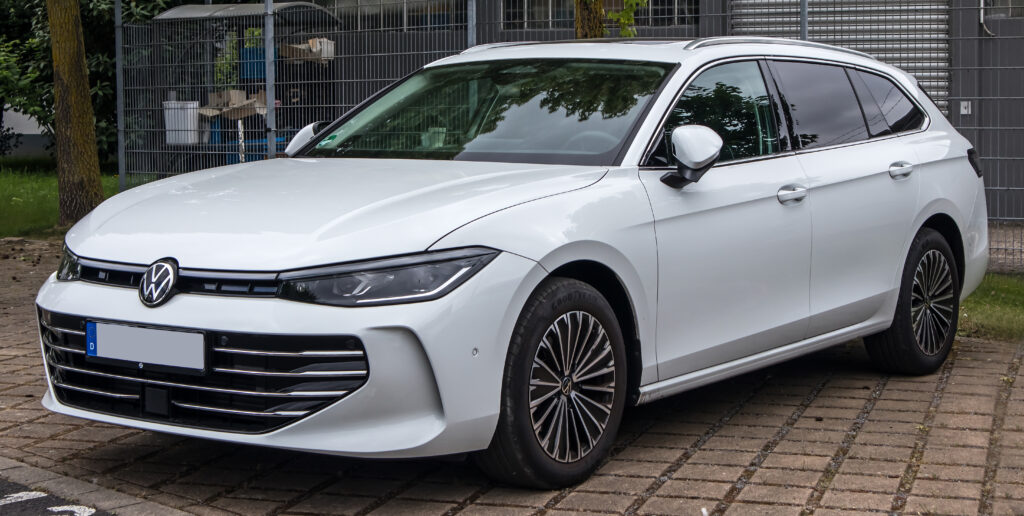
When we picture a dependable family saloon, the Volkswagen Passat often rolls into mind like a steady train on familiar tracks. For decades it has been the sensible suit in Volkswagen’s wardrobe—practical, comfortable, and quietly confident. But reliability is more than a badge on the grille. We want to know how the Passat behaves after the honeymoon period, when the miles pile up and life gets messy. Does it stay loyal, or does it start acting like a moody teenager?
In this guide we explore the truth about Volkswagen Passat reliability from the perspective of everyday drivers and seasoned mechanics. We’ll wander through common problems, best engines, maintenance habits, and the years worth hunting down—or avoiding.
A Snapshot of the Passat’s Reputation
The Passat has generally worn a respectable reliability halo. It’s not a bare-bones budget car, nor a fragile luxury diva. Think of it as the dependable middle child—balanced and mature.
What usually works in its favor
- Solid German engineering and corrosion protection
- Comfortable long-distance cruiser
- Widely available parts and expertise
- Strong diesel engines known for high mileage
Where doubts sometimes creep in
- Complex electronics on newer generations
- Costly dual-clutch gearbox repairs
- Emissions hardware on modern diesels
How Reliability Has Evolved Over Generations
Early 2000s Models – The Rugged Era
Older B5 and early B6 Passats were mechanical workhorses. Many still roam roads with 200,000 miles on the clock like old sailors refusing to retire. Their simplicity is their strength.
2010–2014 – Technology Starts Sneaking In
This period introduced more electronics and the famous DSG gearbox. Comfort improved, but so did potential headaches.
2015 Onwards – The Digital Passat
Modern Passats feel like smartphones on wheels—clever, connected, and occasionally temperamental. Reliability depends heavily on maintenance discipline.
Engines: The Heart of the Matter
Petrol Options
- 1.4 TSI: Efficient and smooth, but early versions had timing chain issues.
- 1.8 TSI: Great balance of power; watch for oil consumption.
- 2.0 TSI: Punchy performer; needs regular servicing to stay happy.
Diesel Heroes
- 1.6 TDI: Frugal commuter’s dream.
- 2.0 TDI: The marathon runner—often the most reliable choice when cared for.
Which Is the Safest Bet?
If reliability were a football league, the 2.0 TDI would usually lift the trophy. It handles mileage like a camel handles deserts.
Gearboxes – Friend or Foe?
Manual Transmissions
Simple, sturdy, and generally trustworthy. Clutches may wear around 100k miles—normal aging rather than betrayal.
You may be interested in reading Volkswagen Passat Insurance Group: What Every Driver Needs to Know
DSG Automatic
The DSG is brilliant when healthy, shifting like a caffeinated pianist. But neglect it and it can demand expensive therapy.
Common DSG concerns
- Mechatronic unit failures
- Judder at low speeds
- Need for strict fluid changes
Electronics: The Modern Battlefield
Newer Passats carry more sensors than a hospital ward. Most behave well, yet some owners report:
- Parking sensor glitches
- Infotainment freezes
- Keyless entry mood swings
- Adaptive cruise hiccups
These issues rarely leave you stranded, but they can irritate like a dripping tap at night.
Suspension and Brakes
The Passat rides like a well-tailored sofa, but comfort components wear.
- Front suspension arms around 80–100k
- Rear bushings on estates
- Electronic parking brake motors
None are deal breakers, just part of adult life with a big saloon.
Real-World Mileage Expectations
A properly serviced Passat can reach:
- Petrol: 150k–180k miles
- Diesel: 200k–250k+ miles
We’ve seen taxis and company cars exceed these figures, proving the platform’s stamina.
Servicing: The Secret Sauce
Reliability is a recipe, not luck. The Passat rewards owners who:
- Change oil every 10k miles
- Use quality filters
- Replace DSG fluid on schedule
- Don’t ignore warning lights
Treat it like a loyal dog—feed it well and it stays by your side.
You may be interested in readingVolkswagen Passat Insurance Group: What Every Driver Needs to KnowYou may be interested in reading
 Volkswagen Passat Quality: A Deep Drive Into What Makes This Sedan Stand Tall
Common Problems to Watch
Diesel-Specific
- DPF clogging on short trips
- EGR valve carbon buildup
- AdBlue system faults
Petrol-Specific
- Coil pack failures
- Water pump leaks
- Carbon deposits on direct injection
General
- Wheel speed sensors
- Air-con compressors
- Door lock modules
Best and Worst Years
Generally Strong
- 2012–2014 facelift models
- 2017–2019 with sorted electronics
Approach Carefully
- Early DSG years (2006–2009)
- First batch of new-shape 2015 cars
Ownership Costs
The Passat isn’t cheap like a hatchback, but it’s kinder than premium rivals.
- Insurance: moderate
- Parts: widely available
- Fuel economy: excellent on diesels
- Depreciation: gentle curve
How It Compares With Rivals
Against the Ford Mondeo, Toyota Camry, and Mazda 6, the Passat sits in the sensible middle—more premium feel than Ford, more character than Toyota, cheaper to fix than many Audis.
Buying Used – Our Checklist
- Full service history
- DSG fluid proof
- Listen for suspension knocks
- Test every electronic toy
- Check for uneven tire wear
- Scan for fault codes
Owner Habits That Kill Reliability
Even a saint can be corrupted by bad habits.
- Skipping oil changes
- Short diesel journeys
- Ignoring gearbox services
- Cheap aftermarket parts
Why Many Owners Stay Loyal
Despite occasional tantrums, the Passat grows on people. It’s the car equivalent of a reliable friend who helps you move house without complaining.
Is the Passat Reliable Overall?
Yes—with an asterisk the size of a teacup. Maintained properly, it’s one of the most dependable large family cars. Neglected, it can feel like a complicated relationship.
Final Thoughts
Volkswagen Passat reliability isn’t a fairy tale, but it’s a solid, believable story. The car rewards commitment, sensible servicing, and choosing the right engine and year. Treat it well and it will carry kids, dogs, and dreams for hundreds of thousands of miles.
FAQs
1. Is the Volkswagen Passat reliable after 100k miles?
Absolutely, especially diesel models with full service history. Many exceed 200k miles comfortably.
2. Which Passat engine is most reliable?
The 2.0 TDI is widely regarded as the toughest and most economical long-term option.
3. Are DSG gearboxes a problem?
They can be if fluid changes are skipped. With proper maintenance they perform brilliantly.
4. Do Passats have electrical issues?
Some newer models experience infotainment or sensor glitches, usually minor rather than critical.
You may be interested in readingVolkswagen Passat Insurance Group: What Every Driver Needs to KnowYou may be interested in reading
Volkswagen Passat Quality: A Deep Drive Into What Makes This Sedan Stand TallYou may be interested in reading
 Volkswagen Passat Years to Buy
5. Is a Passat expensive to maintain?
Costs are moderate—cheaper than premium brands and similar to other large family cars.
If you want to know other articles similar to Volkswagen Passat Reliability – A Real-World Owner’s Guide you can visit the category Blog.
Volvo XC60 Quality: A Deep Dive Into Premium Craftsmanship and Everyday Excellence
Volvo XC60 Reliability by Year: The Complete Owner’s Guide

Which Ford Kuga Engine Is Best? The Ultimate Buyer’s Guide
Pros and Cons Mazda CX-30: The Real-World Ownership Breakdown
Peugeot 308 Years to Avoid: The Ultimate Buyer’s Guide
Dacia Duster Reliability: The Real Story Behind This Budget SUV
Leave a Reply
More content of your interest