

Volkswagen Passat Sensor Problems

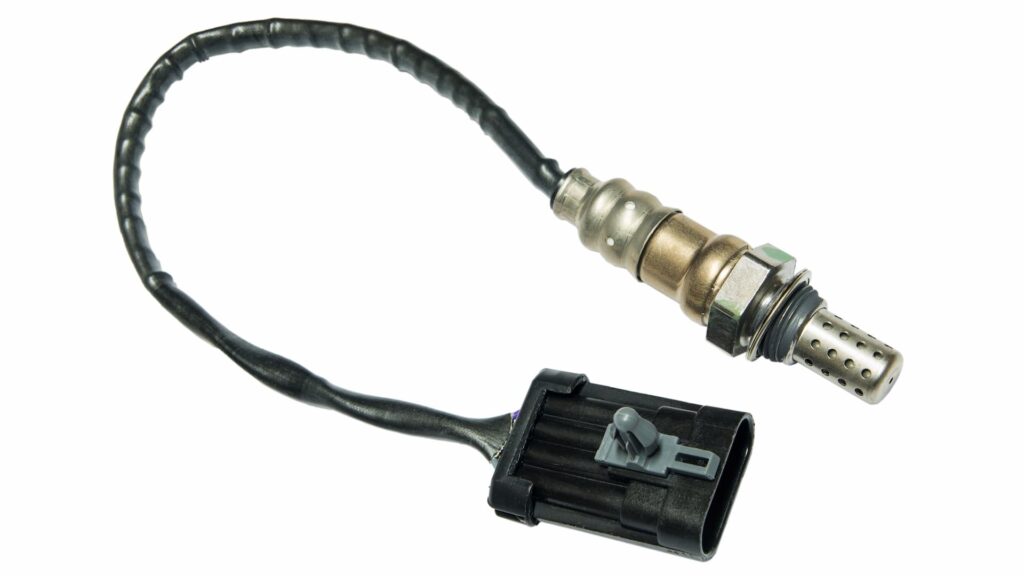
We’ve all been there—cruising along in a Volkswagen Passat, feeling like the captain of a well-built ship, when suddenly a warning light pops up like an uninvited guest at dinner. Modern Passats are packed with sensors that act as the car’s nervous system, and when one misbehaves, the whole experience can feel shaky. Today we’re going to sit down together and unpack Volkswagen Passat sensor problems in plain, human language—no robotic jargon, no fluff, just the kind of talk you’d have with a knowledgeable friend leaning over the hood.
Content in this publication
- Understanding the Role of Sensors in the Passat
- Why Do Passat Sensors Fail So Often?
- Most Common Volkswagen Passat Sensor Problems
- Electrical Gremlins Behind Sensor Errors
- Diagnosing Passat Sensor Problems at Home
- Volkswagen Passat Parking Sensor Malfunctions
- Transmission Sensor Issues in Automatic Passats
- Throttle Position Sensor Headaches
- AdBlue and NOx Sensor Problems in Diesel Models
- Can Software Updates Fix Sensor Problems?
- DIY vs Professional Repair
- Cost of Fixing Volkswagen Passat Sensor Problems
- Preventing Future Sensor Failures
- How Weather Affects Passat Sensors
- Recognizing False Sensor Alarms
- Choosing Quality Replacement Sensors
- Final Thoughts on Volkswagen Passat Sensor Problems
- FAQs
Understanding the Role of Sensors in the Passat
Sensors in the Passat are like tiny messengers running between components. They measure temperature, pressure, speed, and dozens of other signals. Without them, the engine would be blindfolded, guessing instead of thinking. When a sensor fails, the car may still run, but it’s like trying to cook with your eyes closed—possible, yet messy.
Why Do Passat Sensors Fail So Often?
We often wonder why such small parts cause such big headaches. The truth is simple:
- Heat and vibration wear them down
- Moisture sneaks into connectors
- Cheap replacement parts confuse the system
- Software glitches misread good sensors
It’s not always the sensor’s fault; sometimes the wiring is the real villain wearing a disguise.
Most Common Volkswagen Passat Sensor Problems
1. Oxygen (O2) Sensor Issues
The oxygen sensor is the Passat’s nose. It sniffs exhaust gases and tells the engine how much fuel to burn. When it goes bad, fuel economy drops like a stone in a lake.
Symptoms we notice:
- Poor MPG
- Rough idle
- Check engine light
- Strong fuel smell
2. Mass Air Flow (MAF) Sensor Failures
Think of the MAF sensor as the car’s lungs. If it can’t measure incoming air, the engine breathes unevenly.
Typical signs:
- Hesitation during acceleration
- Random stalling
- Jerky throttle response
3. ABS Wheel Speed Sensor Problems
The ABS sensors guard your braking like loyal watchdogs. When one sleeps on duty, the dashboard lights up like a Christmas tree.
You may see:
- ABS warning light
- Traction control disabled
- Cruise control acting strange
4. Crankshaft Position Sensor Troubles
Without this sensor, the engine doesn’t know where it is in its own rhythm. It’s like a drummer losing the beat.
Common clues:
- Hard starting
- Engine cutting out
- No-start condition
5. Coolant Temperature Sensor Defects
This sensor is the Passat’s thermometer. If it lies, the engine overheats or runs too rich.
You may be interested in reading Nissan Micra Problems – An Honest, Owner-Style Guide
Electrical Gremlins Behind Sensor Errors
We’ve learned that not every sensor code means a bad sensor. Corroded plugs, frayed wires, or weak batteries often mimic true failures. It’s like blaming the singer when the microphone cable is broken.
Diagnosing Passat Sensor Problems at Home
You don’t need to be a wizard to begin diagnosis. With a simple OBD2 scanner we can:
- Read fault codes
- Check live data
- Clear temporary glitches
But we should resist the urge to replace parts blindly. Guessing is expensive.
Volkswagen Passat Parking Sensor Malfunctions
Parking sensors are supposed to be our extra pair of eyes. When they fail, parallel parking feels like threading a needle in the dark.
Causes include:
- Dirt covering the sensor
- Water ingress
- Bumper impacts
- Control module faults
Transmission Sensor Issues in Automatic Passats
The gearbox relies on speed and pressure sensors. When they misbehave, shifts feel like hiccups.
We might experience:
- Delayed gear changes
- Limp mode
- Harsh engagement
Throttle Position Sensor Headaches
This sensor translates our right foot into engine language. If it stutters, the car acts moody.
AdBlue and NOx Sensor Problems in Diesel Models
Diesel Passats carry extra environmental guardians. NOx sensors and AdBlue level sensors often trigger warnings that refuse to disappear.
Can Software Updates Fix Sensor Problems?
Surprisingly, yes. Sometimes the brain just needs a new pair of glasses. Dealers release updates that recalibrate sensors and cure phantom codes.
DIY vs Professional Repair
We like saving money, but sensors can be tricky.
DIY friendly:
- Wheel speed sensors
- Parking sensors
- MAF cleaning
Better for professionals:
You may be interested in readingNissan Micra Problems – An Honest, Owner-Style GuideYou may be interested in reading
 Nissan Micra Boot Won’t Open – Causes, Fixes, and Real-World Solutions
- NOx sensors
- Transmission sensors
- Complex wiring faults
Cost of Fixing Volkswagen Passat Sensor Problems
Prices swing like a pendulum:
- O2 sensor: $120–$250
- MAF sensor: $100–$300
- ABS sensor: $80–$180
- NOx sensor: $300–$700
Labor can double those numbers.
Preventing Future Sensor Failures
We can’t stop time, but we can slow the damage:
- Keep connectors clean
- Avoid pressure washing the engine
- Use quality fuel
- Replace batteries on time
Treat the car gently and it will return the favor.
How Weather Affects Passat Sensors
Cold mornings stiffen wiring; hot summers cook electronics. Sensors live a hard life beneath the hood, like sailors in a storm.
Recognizing False Sensor Alarms
Not every warning is a true emergency. Low voltage, loose fuel caps, or temporary misfires can fool the system. Patience saves wallets.
Choosing Quality Replacement Sensors
We’ve learned the hard way: cheap sensors are like paper umbrellas in a hurricane. OEM or trusted brands speak the same language as the Passat.
Final Thoughts on Volkswagen Passat Sensor Problems
Owning a Passat is a bit like having a clever but sensitive friend. Sensors make it smart, yet also delicate. When one acts up, the car tells stories through lights and codes. By listening carefully and diagnosing calmly, we keep the relationship smooth. We don’t need to fear sensors—we just need to understand their whispers.
FAQs
1. Can I drive with a bad sensor?
Sometimes yes, but it may increase fuel use or disable safety systems. We recommend fixing it soon.
2. Do sensors need programming after replacement?
Many are plug-and-play, but NOx and transmission sensors often need coding.
3. How long do Passat sensors last?
Typically 60,000–100,000 miles depending on heat and driving style.
4. Can a weak battery cause sensor codes?
Absolutely. Low voltage confuses the car’s brain.
5. Are aftermarket sensors safe?
Quality ones are fine, but bargain brands often create more problems than they solve.
Nissan Micra Problems – An Honest, Owner-Style GuideYou may be interested in reading
Nissan Micra Boot Won’t Open – Causes, Fixes, and Real-World SolutionsYou may be interested in reading
 Nissan Micra Not Starting – A Complete Guide to Causes, Fixes, and Peace of Mind
If you want to know other articles similar to Volkswagen Passat Sensor Problems you can visit the category Common Problems.
Volvo XC60 360 Camera Not Working: Complete Troubleshooting & Fix Guide
Volvo XC60 Key Fob Not Working: Causes, Fixes, and Expert Solutions
Volvo XC60 Low Battery Warning: Causes, Fixes, and Prevention Guide
Volvo XC60 No Sound: Causes, Fixes, and Complete Troubleshooting Guide
Volvo XC60 Common Problems: What Owners Really Experience
Volvo XC60 Issues: The Truth Behind This Popular SUV
Leave a Reply
More content of your interest