

Volkswagen Passat Tire Pressure – The Complete Driver’s Guide

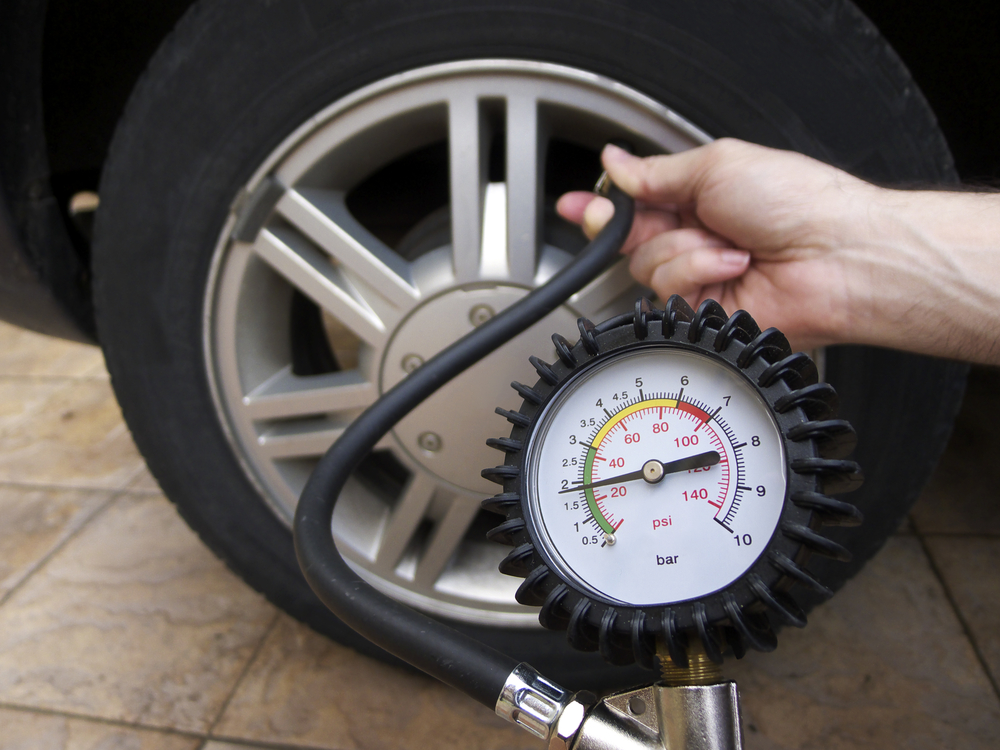
We’ve all felt it—that moment when the car doesn’t glide the way it should, when the steering feels a touch heavy, or when the fuel gauge seems to drop faster than usual. Often, the invisible culprit is something simple: tire pressure. With the Volkswagen Passat, keeping the correct inflation is like giving the car a steady heartbeat. In this guide, we walk together through everything about Volkswagen Passat tire pressure—the right numbers, seasonal changes, warning lights, and everyday habits that keep your Passat rolling like a well-tuned orchestra.
Content in this publication
- Why Tire Pressure Matters More Than Most Drivers Think
- Understanding the Recommended Volkswagen Passat Tire Pressure
- Where to Find the Official Pressure Label
- How Temperature Affects Passat Tire Pressure
- Step-by-Step: Checking Tire Pressure Correctly
- The Volkswagen Passat TPMS System Explained
- Resetting the Passat Tire Pressure Light
- Under-Inflation: The Slow Thief of Performance
- Over-Inflation: Hard Ride, Hard Lessons
- Load and Towing Adjustments
- Tire Pressure for Different Passat Wheel Sizes
- Nitrogen vs Regular Air in a Passat
- Seasonal Tire Change and Pressure
- Common Mistakes Passat Owners Make
- How Tire Pressure Influences Fuel Economy
- Reading Tire Wear Patterns
- Digital Gauges vs Gas Station Pumps
- What About the Spare Tire?
- Professional Service Intervals
- Closing Thoughts
- Frequently Asked Questions
Why Tire Pressure Matters More Than Most Drivers Think
Tires are the only part of the Passat that kiss the road. Imagine wearing shoes two sizes too big—you’d stumble, waste energy, and wear them out unevenly. Under-inflated or over-inflated tires do the same to your car.
- Safety: Proper pressure improves braking distance and cornering grip.
- Fuel economy: Correctly inflated tires reduce rolling resistance.
- Comfort: The ride becomes smoother and quieter.
- Tire lifespan: Even wear saves hundreds in replacement costs.
We like to think of tire pressure as the silent co-pilot—rarely noticed, always essential.
Understanding the Recommended Volkswagen Passat Tire Pressure
Every Passat generation has its own sweet spot. The magic numbers are printed on the driver’s door jamb or inside the fuel flap. Most modern models fall within:
- Front tires: 32–36 PSI
- Rear tires: 30–35 PSI
These figures can shift depending on wheel size, engine weight, and whether the car is loaded with passengers or luggage. The Passat is a chameleon; its needs change with how we use it.
Where to Find the Official Pressure Label
Many drivers search online while the answer is sitting quietly in the car.
Common locations
- Driver’s side door frame
- Fuel cap flap
- Owner’s manual specification page
That small sticker is like the Passat’s birth certificate—it tells the truth no matter what the internet says.
How Temperature Affects Passat Tire Pressure
Air behaves like a moody traveler. For every 10°C drop, pressure can fall by about 1–2 PSI.
Winter reality
- Tires lose pressure overnight
- TPMS lights appear more often
- Grip on wet roads decreases
Summer reality
- Pressure rises during long drives
- Over-inflation risk increases
- Center tread wears faster
We treat seasons like wardrobe changes—your Passat needs them too.
Step-by-Step: Checking Tire Pressure Correctly
Checking pressure isn’t rocket science; it’s more like making good coffee—timing matters.
- Measure when tires are cold
- Use a reliable digital gauge
- Compare with door-label values
- Inflate or deflate gently
- Recheck after adjustment
Five minutes of care can save months of trouble.
The Volkswagen Passat TPMS System Explained
The Passat speaks through its Tire Pressure Monitoring System. When the yellow symbol appears, the car is tapping your shoulder.
What triggers the light?
- Slow air leaks
- Seasonal temperature swings
- After tire rotation
- Sensor battery aging
The TPMS is not an enemy; it’s a cautious friend.
Resetting the Passat Tire Pressure Light
Different model years use slightly different rituals.
Infotainment reset method
- Open “Car” menu
- Select “Tires”
- Choose “Set” or “Store pressure”
- Confirm
- Locate SET button in glove box
- Hold for 3 seconds
- Wait for confirmation chime
It’s like telling the Passat, “Yes, I’ve taken care of it.”
You may be interested in reading Volkswagen Passat Dashboard Symbols and Warning Lights: Complete Troubleshooting Guide (2001–2024)
Under-Inflation: The Slow Thief of Performance
Driving on soft tires is like running in sand.
- Higher fuel consumption
- Sluggish steering response
- Heat buildup leading to blowouts
- Shoulder tread wear
Many Passats on the road quietly suffer this every day.
Over-Inflation: Hard Ride, Hard Lessons
Too much air turns tires into balloons.
- Reduced contact patch
- Longer braking distance
- Bouncy, uncomfortable ride
- Center tread wear
Balance is the art the Passat appreciates.
Load and Towing Adjustments
Planning a family road trip with a trunk full of memories?
- Add 2–4 PSI when fully loaded
- Follow “laden” values on the sticker
- Return to normal after unloading
Your Passat changes its shoes depending on the journey.
Tire Pressure for Different Passat Wheel Sizes
16-inch wheels
- Typical range: 32 PSI front / 30 PSI rear
17-inch wheels
- Usually: 34 PSI front / 32 PSI rear
18-19 inch sport setups
- Often: 35–36 PSI front / 33–34 PSI rear
Bigger wheels wear pressure like a tighter jacket.
Nitrogen vs Regular Air in a Passat
We’re often asked if nitrogen is worth it.
Pros
- Slower pressure loss
- Less moisture inside tire
- Stable in temperature swings
Cons
- Harder to refill
- Small real-world difference
For most Passat owners, good habits beat fancy gas.
Seasonal Tire Change and Pressure
Switching between summer and winter tires isn’t just about tread.
- Winter tires may need +2 PSI
- After storage, pressure drops
- Always recalibrate TPMS
Think of it as waking the tires from hibernation.
Common Mistakes Passat Owners Make
- Checking pressure after highway driving
- Trusting the eye test
- Ignoring rear tires
- Forgetting the spare
We’ve all been there—learning is part of the road.
How Tire Pressure Influences Fuel Economy
A Passat on correct pressure breathes easier.
You may be interested in readingVolkswagen Passat Dashboard Symbols and Warning Lights: Complete Troubleshooting Guide (2001–2024)You may be interested in reading
 Volkswagen Passat Key Fob Battery Replacement
- Up to 3% better MPG
- Smoother coasting
- Less strain on DSG or manual gearbox
Small air, big savings.
Reading Tire Wear Patterns
Your tires leave clues like footprints in snow.
- Edges worn: under-inflation
- Center worn: over-inflation
- One side worn: alignment issue
The Passat whispers; we just need to listen.
Digital Gauges vs Gas Station Pumps
Not all tools are equal.
Digital gauge advantages
- Accurate to 0.5 PSI
- Easy night reading
- Consistent results
Gas station pumps can be like old clocks—sometimes right, often not.
What About the Spare Tire?
The forgotten hero under the trunk floor.
- Usually needs 60 PSI (space saver)
- Check twice a year
- Include in TPMS learning if applicable
A flat spare is a cruel joke on a rainy night.
Professional Service Intervals
We recommend:
- Check monthly
- Before long trips
- After hitting potholes
- At every oil service
Treat pressure checks like brushing teeth—simple, essential.
Closing Thoughts
Caring for Volkswagen Passat tire pressure isn’t glamorous, yet it shapes every kilometer we drive. It’s the quiet guardian of safety, economy, and comfort. When the numbers are right, the Passat feels lighter, happier—like a boat finding the perfect current. We don’t just maintain tires; we maintain the relationship between car and road.
Frequently Asked Questions
1. What is the ideal Volkswagen Passat tire pressure?
Most models range between 32–36 PSI front and 30–35 PSI rear, but always follow the door-label for your exact version.
2. Can I drive when the TPMS light is on?
You can, but it’s a warning sign. Check pressure as soon as possible to avoid uneven wear or safety risks.
3. How often should I check Passat tire pressure?
At least once a month and before long journeys, especially during seasonal changes.
4. Does tire pressure affect DSG gearbox performance?
Indirectly yes—incorrect pressure alters rolling resistance and shift behavior.
5. Should winter tires have higher pressure?
Usually 1–2 PSI more helps compensate for cold-weather pressure loss.
Volkswagen Passat Dashboard Symbols and Warning Lights: Complete Troubleshooting Guide (2001–2024)You may be interested in reading
Volkswagen Passat Key Fob Battery ReplacementYou may be interested in reading
 Volkswagen Passat Coolant – Everything We Need to Know to Keep the Engine Happy
If you want to know other articles similar to Volkswagen Passat Tire Pressure – The Complete Driver’s Guide you can visit the category Service and Parts.
How to Reset Volvo XC60 Infotainment System: The Complete Practical Guide
Volvo XC60 Gearbox Oil Change: The Complete Expert Guide
Volvo XC60 Engine Management Light: Causes, Fixes, and What It Really Means

Skoda Kamiq Size Comparison: Dimensions, Space & Real-World Practicality
Volvo XC60 Headlight Adjustment for Europe: The Complete Practical Guide
Volvo XC60 City Safety Service Required: What It Means, Causes, and Fixes
Leave a Reply
More content of your interest