

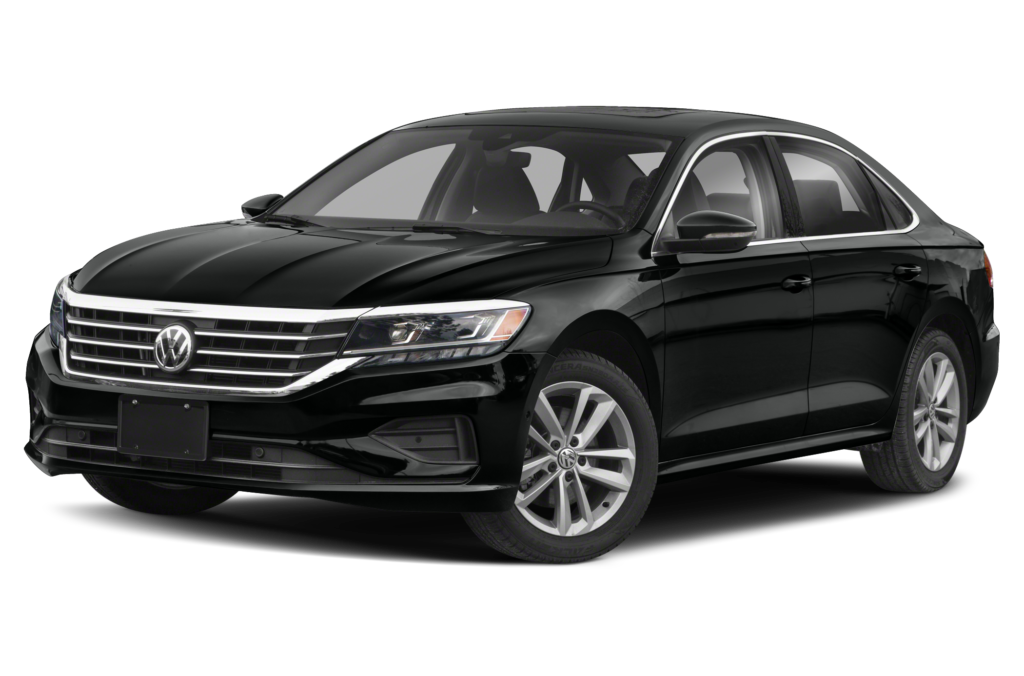
Volkswagen Passat Years to Avoid

Content in this publication
- Why We Even Talk About “Years to Avoid”
- A Quick Snapshot of the Passat Legacy
- How We Judge the “Bad” Years
- Volkswagen Passat Years to Avoid – The Short List
- Engines That Caused the Most Headaches
- Electrical Issues – The Invisible Villain
- Cost of Owning the Wrong Year
- Years Generally Considered Safer
- Warning Signs When Shopping Used
- Test Drive Red Flags
- Maintenance Makes or Breaks a Passat
- Should You Ever Buy an Avoid Year?
- Comparing Passat to Rivals
- Insurance and Resale Impact
- Real Owner Wisdom
- Simple Checklist Before Buying
- Our Final Take
- Closing Thoughts
- FAQs
Why We Even Talk About “Years to Avoid”
We’ve all heard the phrase at the dealership or whispered in online forums: “Great car… but avoid certain years.” The Volkswagen Passat is like that dependable friend who sometimes shows up late with a strange excuse. Most of the time it’s brilliant—comfortable, refined, and built for long motorway miles—but a few production years carried more baggage than others.
In this guide, we’re going to walk together through the models that deserve caution, the reasons behind their reputations, and how to shop smart so you don’t end up with a driveway headache instead of a driveway hero.
A Quick Snapshot of the Passat Legacy
The Passat has been cruising roads since the 1970s, morphing through multiple generations like a well-tailored suit adapting to new fashion. It’s known for:
- Solid ride comfort
- Spacious interiors
- Efficient engines
- Understated German design
Yet, even the best orchestras hit a few wrong notes. Certain model years struggled with electronics, transmissions, or engine design choices that didn’t age gracefully.
How We Judge the “Bad” Years
When we talk about years to avoid, we look at a mix of:
- Owner complaints
- Recall data
- Repair frequency
- Cost of fixes
- Real-world reliability surveys
Think of it like judging fruit at the market—we squeeze gently, check the color, and avoid the apples with bruises.
Volkswagen Passat Years to Avoid – The Short List
2001–2003: The Early Trouble Makers
These early 2000s models often suffer from:
- Sludge build-up in 1.8T engines
- Coil pack failures
- Electrical gremlins
- Automatic transmission hesitation
Owning one can feel like adopting a moody cat—lovely when calm, expensive when angry.
2006: The Transmission Question Mark
The 2006 Passat introduced new tech but also:
- DSG gearbox issues
- Mechatronic unit failures
- Costly repairs beyond warranty
2009–2010: Electronics Acting Like Teenagers
Owners reported:
- Faulty ignition coils
- Window regulator problems
- Premature brake wear
- Random warning lights
2012: The Transition Year
This redesign year looked sharp but had:
You may be interested in reading Is Volkswagen Passat a Good Car? The Honest, Human Guide We’d Give a Friend
- Fuel system concerns
- Steering rack complaints
- Interior quality inconsistencies
Engines That Caused the Most Headaches
The 1.8T Sludge Saga
If oil changes were skipped, this engine turned into a clogged artery. Symptoms included:
- Ticking noises
- Turbo failure
- Loss of power
Early DSG Gearboxes
Smooth when healthy, dramatic when not:
- Jerky shifts
- Delayed engagement
- Expensive mechatronic repairs
Electrical Issues – The Invisible Villain
The Passat sometimes treated electricity like a rebellious artist:
- Door locks with a mind of their own
- Dashboard warning light discos
- Faulty comfort control modules
Cost of Owning the Wrong Year
Buying a troubled year can mean:
- $1,500+ for transmission work
- $800 for turbo replacement
- $400 for coil packs
- Endless diagnostic fees
It’s like buying cheap shoes—you pay twice in the end.
Years Generally Considered Safer
To balance the story, we’ve seen strong reliability from:
- 2015–2018 models
- Late 2004 and 2005 refreshed versions
- 2017 post-facelift cars
These feel like the well-behaved siblings of the family.
Warning Signs When Shopping Used
Look out for:
- Incomplete service history
- DSG service skipped
- Oil change intervals stretched
- Multiple previous owners
Test Drive Red Flags
During a drive, notice:
- Gearbox hesitation
- Rough idle
- Electrical warnings
- Coolant smell
Trust your nose and ears—they’re better than glossy brochures.
Maintenance Makes or Breaks a Passat
A well-maintained “bad year” can outlive a neglected “good year.” Essential habits:
You may be interested in readingIs Volkswagen Passat a Good Car? The Honest, Human Guide We’d Give a FriendYou may be interested in reading
 Nissan Micra Insurance Group – What It Means for Your Wallet
- Oil every 5k–7k miles
- DSG service on schedule
- Quality parts only
- Software updates
Should You Ever Buy an Avoid Year?
Yes—if:
- Price is excellent
- Service history is perfect
- Known issues already repaired
- You have a trusted mechanic
Comparing Passat to Rivals
Against Accord, Camry, and Mazda6:
- Passat rides softer
- Interior feels richer
- But reliability can be patchier
It’s like choosing espresso over filter coffee—better flavor, more risk of jitters.
Insurance and Resale Impact
Problem years often mean:
- Lower resale value
- Higher insurance
- Longer time to sell
Real Owner Wisdom
Owners often tell us:
“Great highway car, but respect the maintenance schedule like a religion.”
Simple Checklist Before Buying
- Scan for recalls
- DSG service proof
- Cold start test
- OBD scan
- Underbody rust check
Our Final Take
The Volkswagen Passat is not a villain—just a talented actor with a few bad movies. Avoid the troubled years, buy with eyes open, and you’ll get a car that eats motorway miles like a hungry traveler at a buffet.
Closing Thoughts
We believe the Passat can be a loyal companion when chosen wisely. Like picking a dance partner, it’s all about rhythm and compatibility. Choose the right year, and the road feels like smooth jazz; pick the wrong one, and it’s heavy metal at 6 a.m.
FAQs
1. What are the absolute worst Passat years?
Most experts point to 2001–2003, 2006, and 2009–2010 due to engine, DSG, and electrical issues.
2. Is the DSG gearbox always a problem?
No, later versions after 2014 are much improved with proper servicing.
3. Can sludge issues be fixed permanently?
Yes, with professional cleaning and strict oil intervals.
You may be interested in readingIs Volkswagen Passat a Good Car? The Honest, Human Guide We’d Give a FriendYou may be interested in reading
Nissan Micra Insurance Group – What It Means for Your WalletYou may be interested in reading
 Nissan Micra Reliability – A Real-World Guide We Can Trust
4. Are newer Passats reliable?
2015 onward models show solid reliability records.
5. Should I avoid high-mileage Passats?
Not necessarily—history matters more than mileage.
If you want to know other articles similar to Volkswagen Passat Years to Avoid you can visit the category Blog.
Volvo XC60 Quality: A Deep Dive Into Premium Craftsmanship and Everyday Excellence
Volvo XC60 Reliability by Year: The Complete Owner’s Guide

Which Ford Kuga Engine Is Best? The Ultimate Buyer’s Guide
Pros and Cons Mazda CX-30: The Real-World Ownership Breakdown
Peugeot 308 Years to Avoid: The Ultimate Buyer’s Guide
Dacia Duster Reliability: The Real Story Behind This Budget SUV
Leave a Reply
More content of your interest