
Volkswagen Passat Years to Buy

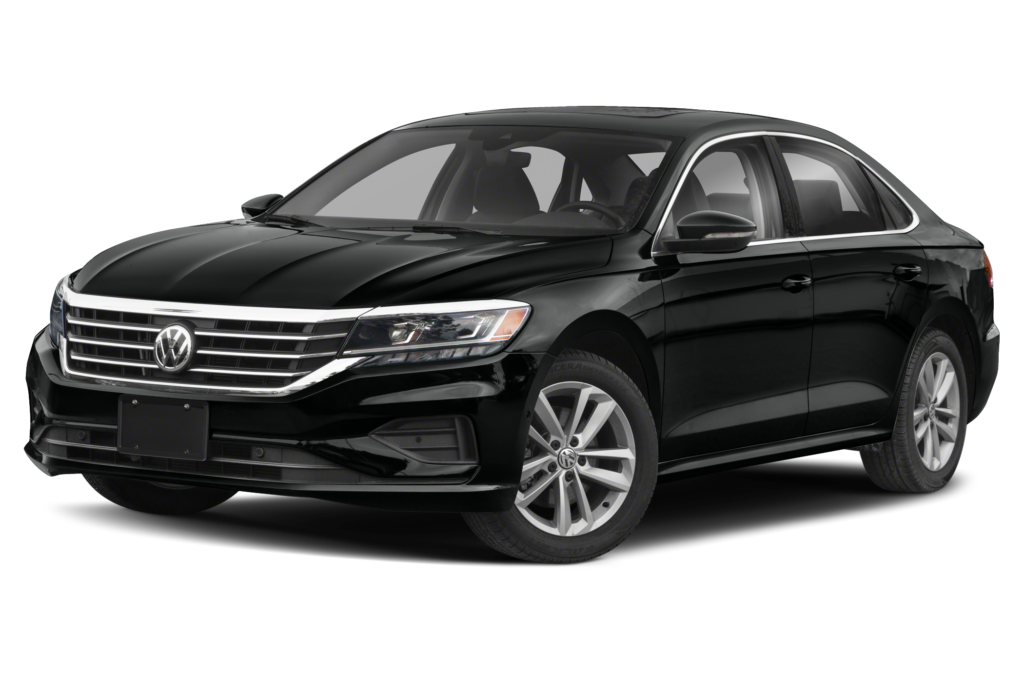
We’ve all been there—standing in a used-car lot or scrolling late at night, wondering which Volkswagen Passat years are the hidden gems and which are the potholes waiting to rattle our wallets. The Passat has been around for decades, wearing many faces and engines, and choosing the right year can feel like picking an apple from a huge orchard—some are crisp and sweet, others a bit bruised inside. In this guide, we’ll walk together through the best Volkswagen Passat years to buy, the ones to approach with caution, and how to spot a keeper like a seasoned car detective.
Content in this publication
- Why the Passat Deserves Your Attention
- A Quick Tour Through Passat Generations
- Volkswagen Passat Years to Buy – The Short Answer
- 2012 Volkswagen Passat – The Sweet Spot
- 2014 Volkswagen Passat – Quiet Confidence
- 2017–2019 Passat – Modern Without Madness
- Older Heroes: 2003–2005 Passat
- Years to Approach Carefully
- Best Engines to Look For
- Common Passat Problems by Year
- How Mileage Changes the Equation
- Trim Levels Worth Buying
- Ownership Costs Reality Check
- Inspection Checklist Before Buying
- Passat vs Rivals in the Same Years
- Diesel or Gasoline – Which to Choose?
- Where to Find the Best Deals
- Final Thoughts – Our Collective Verdict
- FAQs
Why the Passat Deserves Your Attention
The Volkswagen Passat has long been the steady family sedan—the sensible shoes of the automotive world. It isn’t flashy like a sports coupe, yet it has a quiet confidence. We love it because it blends German engineering with everyday practicality. Spacious cabins, solid ride quality, and a reputation for safety make it a favorite in both Europe and North America.
But not every Passat is created equal. Different generations brought different strengths, and a few headaches. Understanding those shifts is the secret sauce to buying smart.
A Quick Tour Through Passat Generations
Before diving into specific years, let’s sketch the family tree:
- B5 (1997–2005): Classic, tank-like build quality
- B6 (2006–2010): Tech upgrades but some reliability quirks
- B7 (2011–2015): Refined and more dependable
- B8 (2016–present in many markets): Modern, efficient, feature-rich
Each generation is like a different season—same landscape, different weather.
Volkswagen Passat Years to Buy – The Short Answer
If you want the headlines first, these are widely considered the safest bets:
- 2012 Passat – Balanced reliability and affordability
- 2014 Passat – Fewer electrical gremlins
- 2017–2019 Passat – Modern safety tech and improved engines
- 2003–2005 Passat (well-maintained) – Old but built like a brick café
Now let’s slow down and taste each year properly.
2012 Volkswagen Passat – The Sweet Spot
We often call the 2012 model the “golden retriever” of Passats—friendly, reliable, and easy to live with. Volkswagen redesigned the car for the American market with simpler mechanics and robust engines.
Why we like it:
- Naturally aspirated 2.5L engine is durable
- Affordable parts
- Comfortable highway cruiser
- Improved interior space
It’s not a rocket ship, but it ages gracefully like a good leather jacket.
2014 Volkswagen Passat – Quiet Confidence
By 2014, many early bugs had been ironed out. Electronics became more stable, and the diesel TDI (where available) offered impressive fuel economy.
Highlights
You may be interested in reading Volkswagen Passat Years to Avoid
- Better infotainment system
- Strong resale value
- Solid safety ratings
- Smooth automatic transmissions
If cars were people, the 2014 Passat would be the reliable friend who always shows up on time.
2017–2019 Passat – Modern Without Madness
These years bring the best blend of old-school simplicity and new-age tech.
- Apple CarPlay/Android Auto
- Advanced driver aids
- Improved turbocharged engines
- Quieter cabins
We consider these years the “safe handshake” of used Passats—modern yet not overly complicated.
Older Heroes: 2003–2005 Passat
Yes, they’re aging, but these B5.5 models have a cult following.
Pros
- Vault-like build quality
- Comfortable ride
- Classic design
- Parts still widely available
Cons
- Maintenance must be religious
- Watch for suspension wear
Think of them like vintage watches—beautiful if cared for.
Years to Approach Carefully
Not every chapter in the Passat story is rosy.
2006–2008 (Early B6)
- Electrical issues
- Costly turbo problems
- Complex parking brake systems
2010–2011
- Transmission complaints
- Oil consumption reports
These years aren’t forbidden fruit, just fruit you should sniff carefully before biting.
Best Engines to Look For
- 2.5L Inline-5: A mechanical workhorse
- 2.0 TDI: Fantastic economy (where legal)
- 1.8 TSI (later years): Balanced power
Avoid early high-mileage 2.0T without full service history—it can be like adopting a moody cat.
Common Passat Problems by Year
We’ve gathered the most frequent issues:
- Timing chain tensioners (older 2.0T)
- DSG transmission servicing
- Water pump leaks
- Suspension bushings
- Sunroof drains clogging
None are deal-breakers, but knowledge is armor.
You may be interested in readingVolkswagen Passat Years to AvoidYou may be interested in reading
 Is Volkswagen Passat a Good Car? The Honest, Human Guide We’d Give a Friend
How Mileage Changes the Equation
A 2012 with 70k miles can be better than a 2017 with 150k. Service history beats birth year every time. We always tell buyers: miles are wrinkles, maintenance is skincare.
Trim Levels Worth Buying
- SE: Best value
- SEL Premium: Luxury touches
- R-Line: Sporty flavor
Skip base trims if you enjoy comfort on long drives.
Ownership Costs Reality Check
- Insurance: moderate
- Fuel: 28–36 MPG typical
- Maintenance: mid-range European
Owning a Passat isn’t cheap like a compact, but it’s far from luxury-car pain.
Inspection Checklist Before Buying
- Cold start behavior
- Transmission shifts
- Brake wear
- Service records
- Rust around wheel arches
- Electronics test
Bring a flashlight and curiosity—like a car archaeologist.
Passat vs Rivals in the Same Years
Compared with Camry and Accord:
- Better driving feel
- More upscale cabin
- Slightly higher maintenance
It’s the espresso to their filter coffee.
Diesel or Gasoline – Which to Choose?
- Diesel: economy king
- Gasoline: cheaper repairs
- Hybrids: rare but interesting
Choose like picking shoes—depends on your daily walk.
Where to Find the Best Deals
- Private sellers with records
- Certified pre-owned
- One-owner suburban cars
Avoid auction mysteries; they’re like blind dates in the dark.
Final Thoughts – Our Collective Verdict
When we look at the whole timeline, the Volkswagen Passat shines brightest from 2012 onward, with 2014 and 2017–2019 being the true champions. Older B5 models can be treasures, but only with loving owners. Buying a Passat is like choosing a travel companion—you want reliability, comfort, and a bit of personality.
FAQs
1. What is the absolute best Volkswagen Passat year to buy?
Most experts favor 2014 for reliability and value, closely followed by 2017–2019 for modern features.
2. Which Passat years should I avoid?
Early 2006–2008 models and some 2010–2011 cars due to electrical and transmission concerns.
3. Is a high-mileage Passat worth it?
Yes, if service history is complete and major items like timing components are done.
Volkswagen Passat Years to AvoidYou may be interested in reading
Is Volkswagen Passat a Good Car? The Honest, Human Guide We’d Give a FriendYou may be interested in reading
 Nissan Micra Insurance Group – What It Means for Your Wallet
4. Are Passats expensive to maintain?
Moderate—more than Japanese rivals but reasonable for a European sedan.
5. How long can a Passat last?
With care, 200,000+ miles is realistic.
If you want to know other articles similar to Volkswagen Passat Years to Buy you can visit the category Blog.
Volvo XC60 Quality: A Deep Dive Into Premium Craftsmanship and Everyday Excellence
Volvo XC60 Reliability by Year: The Complete Owner’s Guide
Which Ford Kuga Engine Is Best? The Ultimate Buyer’s Guide
Pros and Cons Mazda CX-30: The Real-World Ownership Breakdown
Peugeot 308 Years to Avoid: The Ultimate Buyer’s Guide
Dacia Duster Reliability: The Real Story Behind This Budget SUV
Leave a Reply
More content of your interest