
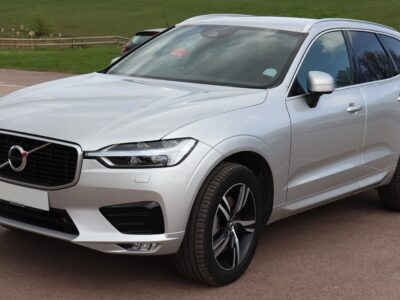
Volkswagen Tiguan Fuel Consumption: Real-World MPG, Efficiency Tips, and What Owners Should Expect


When we talk about compact SUVs that balance comfort, practicality, and everyday efficiency, the Volkswagen Tiguan inevitably enters the conversation. It’s a family-friendly SUV that doesn’t feel oversized, yet it still offers enough space for road trips, groceries, and everything in between. But one question always pops up before buying: how much fuel does the Volkswagen Tiguan actually consume?
Fuel consumption is more than just numbers on a spec sheet. It’s the difference between frequent trips to the petrol station and long stretches of carefree driving. In this guide, we’ll dive deep into Volkswagen Tiguan fuel consumption, exploring real-world MPG, engine differences, driving factors, and tips to maximize efficiency.
Let’s take a closer look under the hood.
Content in this publication
- Understanding Volkswagen Tiguan Fuel Consumption
- Volkswagen Tiguan Fuel Economy Overview
- Fuel Consumption by Tiguan Generation
- Petrol vs Diesel Tiguan Fuel Consumption
- Real-World Volkswagen Tiguan Fuel Consumption
- Fuel Consumption by Engine Size
- How Driving Style Affects Tiguan Fuel Consumption
- Impact of 4Motion AWD on Fuel Economy
- Fuel Tank Capacity and Driving Range
- Factors That Affect Tiguan Fuel Consumption
- Tips to Improve Volkswagen Tiguan Fuel Economy
- Volkswagen Tiguan Hybrid and Future Efficiency
- Comparing Tiguan Fuel Consumption with Competitors
- Is the Volkswagen Tiguan Fuel Efficient?
- Common Myths About Tiguan Fuel Consumption
- Conclusion
- FAQs
Understanding Volkswagen Tiguan Fuel Consumption
Fuel consumption refers to the amount of fuel a vehicle uses over a certain distance. In most regions, this is expressed in:
- Miles per gallon (MPG) in the US and UK
- Litres per 100 km (L/100 km) in Europe and many other countries
Higher MPG means better fuel efficiency, while lower L/100 km indicates less fuel usage.
The Volkswagen Tiguan’s fuel consumption varies depending on several factors, including:
- Engine size
- Transmission type
- Drive system (FWD vs AWD)
- Model year
- Driving style
Even weather, road conditions, and tyre pressure can influence how thirsty the Tiguan becomes.
Volkswagen Tiguan Fuel Economy Overview
Across different model years, the Tiguan has delivered respectable efficiency for a compact SUV.
Typical figures include:
| Engine | MPG Combined | L/100 km |
|---|---|---|
| 1.4 TSI Petrol | 36–42 MPG | 6.7–7.8 |
| 1.5 TSI Petrol | 35–40 MPG | 7.0–8.0 |
| 2.0 TSI Petrol | 28–34 MPG | 8.3–10.0 |
| 2.0 TDI Diesel | 45–55 MPG | 5.0–6.0 |
Diesel variants usually achieve significantly better fuel economy, especially on long motorway drives.
Petrol models, on the other hand, often feel smoother and quieter during city driving.
Fuel Consumption by Tiguan Generation
First Generation Tiguan (2007–2016)
The original Tiguan introduced Volkswagen’s compact SUV philosophy.
Fuel consumption ranged from:
- Petrol: 28–35 MPG
- Diesel: 40–50 MPG
Diesel engines such as the 2.0 TDI quickly became the most efficient choice.
Drivers loved the blend of torque and efficiency, particularly for long-distance travel.
Second Generation Tiguan (2016–Present)
The second generation introduced the MQB platform, improving both weight and aerodynamics.
Efficiency improved noticeably:
- 1.5 TSI petrol: around 38 MPG combined
- 2.0 TDI diesel: up to 52 MPG combined
Volkswagen also refined engine technology, incorporating:
- Cylinder deactivation
- Improved turbocharging
- Start-stop systems
The result? Better fuel economy without sacrificing performance.
Petrol vs Diesel Tiguan Fuel Consumption
Choosing between petrol and diesel dramatically affects fuel usage.
Petrol Tiguan
Petrol engines typically offer:
- Smooth acceleration
- Quieter operation
- Lower upfront cost
But they usually consume more fuel.
Typical consumption:
- 30–38 MPG combined
Best suited for:
- Short commutes
- Urban driving
- Low annual mileage
Diesel Tiguan
Diesel engines excel in efficiency.
Typical consumption:
- 45–55 MPG combined
Advantages include:
- Lower fuel usage
- Strong torque
- Better motorway efficiency
Diesel variants shine during long highway journeys.
Real-World Volkswagen Tiguan Fuel Consumption
Official numbers often differ from real-world driving results.
Owners commonly report:
- Petrol Tiguan: 30–35 MPG
- Diesel Tiguan: 42–50 MPG
City driving tends to reduce efficiency, while steady motorway speeds can improve it.
You may be interested in reading Audi Q3 Miles Per Gallon: Real MPG, Efficiency Secrets & Ownership Insights
Think of fuel economy like a marathon rather than a sprint—the smoother you drive, the better your results.
Fuel Consumption by Engine Size
1.4 TSI Engine
The 1.4-litre turbo petrol engine offers solid balance.
Average consumption:
- 36–42 MPG
It’s efficient thanks to turbocharging and lightweight construction.
1.5 TSI EVO Engine
This engine introduced Active Cylinder Technology (ACT).
When cruising, two cylinders temporarily shut off to save fuel.
Typical fuel consumption:
- 35–40 MPG
It’s one of the most efficient petrol Tiguan engines.
2.0 TSI Engine
The 2.0-litre petrol engine focuses more on power.
Fuel consumption:
- 28–34 MPG
Drivers choosing this engine often prioritize performance over efficiency.
2.0 TDI Diesel Engine
The diesel powerhouse remains the efficiency champion.
Fuel consumption:
- 45–55 MPG
This engine thrives on long trips where its torque and efficiency truly shine.
How Driving Style Affects Tiguan Fuel Consumption
Your right foot can dramatically influence fuel usage.
Aggressive driving increases consumption quickly.
Driving habits that increase fuel consumption
- Hard acceleration
- Frequent braking
- High motorway speeds
- Carrying excess weight
Fuel-saving driving habits
- Smooth acceleration
- Maintaining steady speeds
- Anticipating traffic flow
- Using cruise control on highways
Drive like you’re carrying a cup of coffee without a lid. Smooth, steady, controlled.
Impact of 4Motion AWD on Fuel Economy
Many Tiguan models offer Volkswagen’s 4Motion all-wheel drive system.
While excellent for traction, AWD increases fuel consumption slightly.
Typical difference:
- FWD Tiguan: better efficiency
- 4Motion Tiguan: 2–3 MPG lower
The added drivetrain components increase weight and mechanical drag.
However, AWD is beneficial for:
- Snowy conditions
- Off-road terrain
- Improved stability
Fuel Tank Capacity and Driving Range
The Tiguan typically comes with a 58-litre fuel tank (about 15.3 gallons).
Estimated driving range:
- Petrol models: 450–500 miles
- Diesel models: 600–700 miles
This makes the Tiguan a comfortable long-distance travel companion.
Less time at the pump means more time on the road.
Factors That Affect Tiguan Fuel Consumption
Several variables influence fuel efficiency.
Vehicle Factors
- Engine size
- Transmission type
- Tyre size
- Vehicle weight
Environmental Factors
- Weather conditions
- Road gradient
- Traffic congestion
Maintenance Factors
- Dirty air filters
- Incorrect tyre pressure
- Worn spark plugs
Think of fuel efficiency like a chain—every link matters.
Tips to Improve Volkswagen Tiguan Fuel Economy
If you want to squeeze every mile out of each gallon, small changes can make a big difference.
1. Maintain Proper Tyre Pressure
Underinflated tyres increase rolling resistance.
Check pressures monthly.
You may be interested in readingAudi Q3 Miles Per Gallon: Real MPG, Efficiency Secrets & Ownership InsightsYou may be interested in reading
 Can BMW X3 Go Off Road? The Real Truth About Its Capabilities
2. Reduce Excess Weight
Extra cargo forces the engine to work harder.
Remove unnecessary items from the boot.
3. Drive at Consistent Speeds
Rapid acceleration burns fuel quickly.
Smooth driving conserves fuel.
4. Service the Engine Regularly
Routine maintenance improves efficiency.
Key services include:
- Oil changes
- Air filter replacement
- Spark plug inspection
5. Use Eco Driving Modes
Many Tiguan models include Eco driving mode, which adjusts throttle response and transmission behavior to improve efficiency.
Volkswagen Tiguan Hybrid and Future Efficiency
Volkswagen continues to improve fuel economy through electrification.
Plug-in hybrid systems are already available in other VW models and may expand further into the Tiguan lineup.
Hybrid powertrains could reduce consumption dramatically.
Potential future fuel economy:
- 60–100 MPGe equivalents
The automotive world is clearly shifting toward electrification.
Comparing Tiguan Fuel Consumption with Competitors
How does the Tiguan compare to other SUVs?
| Vehicle | MPG Combined |
|---|---|
| Volkswagen Tiguan | 30–38 MPG |
| Toyota RAV4 | 30–40 MPG |
| Honda CR-V | 32–38 MPG |
| Mazda CX-5 | 28–34 MPG |
The Tiguan sits comfortably in the middle of the pack.
Not the most efficient, but far from the thirstiest.
Is the Volkswagen Tiguan Fuel Efficient?
Efficiency is relative.
For a compact SUV with solid performance, the Tiguan delivers respectable fuel economy.
Reasons drivers appreciate its efficiency:
- Balanced engine options
- Efficient diesel variants
- Modern turbocharged engines
In short, it strikes a comfortable compromise between power and practicality.
Common Myths About Tiguan Fuel Consumption
Myth 1: Turbo Engines Always Use More Fuel
Turbo engines can actually improve efficiency by delivering power from smaller engines.
Myth 2: SUVs Are Always Fuel Hungry
Modern compact SUVs are surprisingly efficient.
Technology has significantly improved fuel economy.
Unless recommended by the manufacturer, premium fuel usually doesn’t increase efficiency.
Conclusion
The Volkswagen Tiguan fuel consumption story is one of balance. It may not be the absolute efficiency champion in the compact SUV world, but it delivers a practical blend of performance, comfort, and reasonable fuel economy.
Diesel models offer outstanding long-distance efficiency, while petrol variants provide smooth city driving.
And with thoughtful driving habits and regular maintenance, owners can push the Tiguan’s efficiency even further.
At the end of the day, the Tiguan isn’t just about saving fuel—it’s about making every mile enjoyable.
FAQs
1. What is the average fuel consumption of a Volkswagen Tiguan?
Most petrol Tiguan models average 30–38 MPG, while diesel variants can achieve 45–55 MPG combined.
2. Does the Tiguan consume more fuel with AWD?
Yes. 4Motion AWD models typically use 2–3 MPG more fuel compared to front-wheel-drive versions.
3. Which Tiguan engine is the most fuel efficient?
The 2.0 TDI diesel engine is generally the most fuel-efficient option.
4. How far can a Volkswagen Tiguan travel on a full tank?
Depending on the engine, the Tiguan can travel 450–700 miles on a full tank.
You may be interested in readingAudi Q3 Miles Per Gallon: Real MPG, Efficiency Secrets & Ownership InsightsYou may be interested in reading
Can BMW X3 Go Off Road? The Real Truth About Its CapabilitiesYou may be interested in reading
 Audi Q5 MPG: Real-World Fuel Economy, Tips, and Performance Insights
5. Is the Tiguan more efficient than other SUVs?
It offers average efficiency for its class, comparable to the Toyota RAV4, Honda CR-V, and Mazda CX-5.
If you want to know other articles similar to Volkswagen Tiguan Fuel Consumption: Real-World MPG, Efficiency Tips, and What Owners Should Expect you can visit the category Driving.
Volvo XC60 Wading Depth: How Deep Can It Really Go?

Volkswagen Tiguan Driving Modes: The Complete Guide to Smarter, Smoother, and More Dynamic Driving
Volvo XC60 Fuel Consumption: Real MPG, Efficiency & Tips
Volvo XC60 MPG: Real-World Fuel Economy, Costs & What to Expect
Audi Q5 MPG: Real-World Fuel Economy, Tips, and Performance Insights
Can BMW X3 Go Off Road? The Real Truth About Its Capabilities
Leave a Reply
More content of your interest