
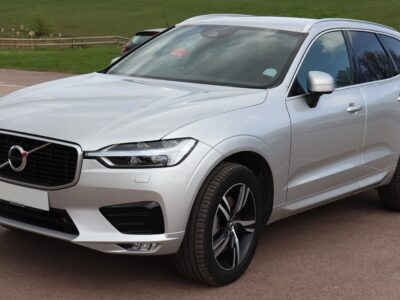
Volkswagen Tiguan MPG: Real-World Fuel Economy, Efficiency Tips, and What to Expect


When we talk about compact SUVs that balance practicality, comfort, and efficiency, the Volkswagen Tiguan almost always enters the conversation. But one question consistently pops up among buyers and owners alike:
How good is the Volkswagen Tiguan MPG?
Fuel economy has become one of the biggest deciding factors when choosing a vehicle. After all, nobody enjoys watching fuel gauges drop faster than sand through an hourglass.
So today we’re diving deep into Volkswagen Tiguan MPG, exploring everything from official fuel economy figures to real-world performance, driving habits that affect consumption, and tips that can help you stretch every gallon further.
Let’s unpack the numbers and discover whether the Tiguan is truly efficient—or simply average in the crowded SUV market.
Content in this publication
- Understanding Volkswagen Tiguan MPG
- Volkswagen Tiguan MPG Overview
- Volkswagen Tiguan MPG by Model Year
- Engine Technology Behind Tiguan Fuel Efficiency
- City vs Highway MPG: What Owners Experience
- Real-World Volkswagen Tiguan MPG
- Factors That Affect Volkswagen Tiguan MPG
- Front-Wheel Drive vs AWD MPG
- Volkswagen Tiguan MPG Compared to Competitors
- Fuel Tank Size and Driving Range
- Tips to Improve Volkswagen Tiguan MPG
- Maintenance and Fuel Economy
- Hybrid and Electric Alternatives to the Tiguan
- Is the Volkswagen Tiguan Fuel Efficient?
- Who Should Buy the Volkswagen Tiguan?
- Final Thoughts on Volkswagen Tiguan MPG
- FAQs About Volkswagen Tiguan MPG
Understanding Volkswagen Tiguan MPG
Before jumping into numbers, it helps to understand what MPG actually means.
MPG stands for miles per gallon, which measures how far a vehicle can travel using one gallon of fuel.
Think of MPG like a runner’s endurance:
- Higher MPG = longer distance per gallon
- Lower MPG = more frequent trips to the gas station
For SUVs like the Tiguan, MPG becomes particularly important because larger vehicles often consume more fuel than compact cars.
Why MPG Matters for SUV Buyers
Fuel economy impacts more than just your wallet.
It also affects:
- Long-term ownership costs
- Environmental impact
- Driving range between fuel stops
- Resale value
A vehicle with strong MPG can save thousands of dollars in fuel over several years.
Volkswagen Tiguan MPG Overview
The Volkswagen Tiguan MPG varies depending on several factors, including engine type, drivetrain configuration, and model year.
Most modern Tiguan models use a 2.0-liter turbocharged four-cylinder engine paired with an automatic transmission.
Typical MPG ratings include:
| Driving Condition | Estimated MPG |
|---|---|
| City | 22–24 MPG |
| Highway | 29–31 MPG |
| Combined | 25–27 MPG |
These numbers place the Tiguan squarely in the middle of the compact SUV efficiency spectrum.
Not class-leading—but certainly respectable.
Volkswagen Tiguan MPG by Model Year
Fuel efficiency has evolved slightly over the years.
Let’s explore how MPG varies across different generations.
First Generation Tiguan (2009–2017)
Early Tiguan models were smaller but less efficient.
Typical fuel economy included:
- City: 20–21 MPG
- Highway: 26–27 MPG
- Combined: 23–24 MPG
The engines were less optimized, and technology hadn’t yet reached modern efficiency levels.
Second Generation Tiguan (2018–Present)
The redesigned Tiguan brought improvements.
Despite becoming larger and more spacious, efficiency improved thanks to better turbocharging and transmission tuning.
Average MPG:
- City: 22–24 MPG
- Highway: 29–31 MPG
- Combined: 25–27 MPG
It’s a classic case of engineering evolution beating size increases.
Engine Technology Behind Tiguan Fuel Efficiency
Under the hood, the Tiguan relies on a turbocharged engine designed for balanced performance and efficiency.
2.0-Liter TSI Turbo Engine
Most Tiguans feature a 2.0L TSI engine producing around 184 horsepower.
Key efficiency features include:
- Direct fuel injection
- Turbocharging
- Variable valve timing
- Start-stop technology
These systems allow the engine to produce strong power without burning excessive fuel.
How Turbocharging Helps MPG
Turbocharging works like a miniature air pump.
By forcing more air into the engine, it allows a smaller engine to generate power comparable to larger engines.
The benefit?
- Better fuel efficiency
- Reduced engine weight
- Lower emissions
City vs Highway MPG: What Owners Experience
Official numbers tell one story—but real-world driving often tells another.
Let’s compare the two.
City Driving
City conditions involve:
- Stop-and-go traffic
- Traffic lights
- Frequent acceleration
Because of this, city MPG is usually lower.
You may be interested in reading Volkswagen Tiguan Fuel Consumption: Real-World MPG, Efficiency Tips, and What Owners Should Expect
Typical Tiguan city MPG:
21–24 MPG
Highway Driving
Highway driving allows the engine to operate more efficiently.
With steady speeds, fuel consumption drops.
Typical highway MPG:
28–32 MPG
Long road trips often reveal the Tiguan’s true efficiency potential.
Real-World Volkswagen Tiguan MPG
Owners frequently report MPG numbers slightly different from official estimates.
Typical real-world averages include:
- Mixed driving: 24–27 MPG
- Highway road trips: up to 32 MPG
- Heavy city driving: around 21 MPG
Driving style plays a huge role.
Aggressive acceleration can drop MPG dramatically.
Factors That Affect Volkswagen Tiguan MPG
Even two identical vehicles can achieve different fuel economy depending on several factors.
1. Driving Style
Heavy acceleration and braking burn more fuel.
Smooth driving can improve MPG by 10–20%.
2. Vehicle Load
Carrying heavy cargo or passengers increases fuel consumption.
More weight = more fuel needed.
3. Tire Pressure
Underinflated tires create extra rolling resistance.
This forces the engine to work harder.
4. Weather Conditions
Cold temperatures can reduce MPG.
Engines take longer to reach optimal operating temperature.
5. Terrain
Driving uphill consumes more fuel.
Flat highways deliver better efficiency.
Front-Wheel Drive vs AWD MPG
The Tiguan is available in front-wheel drive (FWD) and all-wheel drive (AWD).
Fuel economy varies slightly between the two.
FWD Models
Typical MPG:
- City: 23 MPG
- Highway: 30 MPG
These models are usually the most efficient.
AWD Models
Typical MPG:
- City: 22 MPG
- Highway: 29 MPG
AWD adds weight and drivetrain resistance, slightly reducing MPG.
But the difference is small.
Volkswagen Tiguan MPG Compared to Competitors
To understand the Tiguan’s efficiency, it helps to compare it with rivals.
Toyota RAV4
Typical MPG:
- Combined: 30 MPG
Honda CR-V
Typical MPG:
- Combined: 30 MPG
Mazda CX-5
Typical MPG:
- Combined: 26 MPG
Volkswagen Tiguan
Typical MPG:
- Combined: 25–27 MPG
So while the Tiguan isn’t the most efficient, it remains competitive within the segment.
Fuel Tank Size and Driving Range
Fuel efficiency only tells part of the story.
The Tiguan’s fuel tank size also matters.
You may be interested in readingVolkswagen Tiguan Fuel Consumption: Real-World MPG, Efficiency Tips, and What Owners Should ExpectYou may be interested in reading
 Audi Q3 Miles Per Gallon: Real MPG, Efficiency Secrets & Ownership Insights
Typical capacity:
15.3 gallons
With an average combined MPG of about 26, the Tiguan can travel approximately:
400 miles per tank
That’s enough for long road trips without constant refueling.
Tips to Improve Volkswagen Tiguan MPG
Want to squeeze every mile from each gallon?
Here are practical strategies.
Drive Smoothly
Avoid rapid acceleration.
Gradual throttle inputs help the engine stay efficient.
Maintain Proper Tire Pressure
Check tire pressure monthly.
Correct pressure improves MPG and tire lifespan.
Remove Excess Weight
Clear unnecessary cargo from the trunk.
Extra weight reduces efficiency.
Use Cruise Control
Cruise control helps maintain consistent speed on highways.
Reduce Idling
Long idle periods waste fuel.
Turn off the engine if parked for extended periods.
Maintenance and Fuel Economy
Regular maintenance plays a major role in fuel efficiency.
Important tasks include:
- Oil changes
- Air filter replacement
- Spark plug inspection
- Fuel system cleaning
A poorly maintained engine consumes more fuel.
Think of maintenance as preventive medicine for your car.
Hybrid and Electric Alternatives to the Tiguan
While the Tiguan remains gasoline-powered in many markets, buyers seeking better efficiency often consider hybrid alternatives.
Popular alternatives include:
- Toyota RAV4 Hybrid
- Honda CR-V Hybrid
- Kia Sportage Hybrid
These vehicles can achieve 35–40 MPG combined, significantly higher than traditional gasoline SUVs.
However, they often come with higher purchase prices.
Is the Volkswagen Tiguan Fuel Efficient?
So where does the Tiguan stand overall?
It delivers:
- Solid highway MPG
- Average city MPG
- Respectable combined fuel economy
While it doesn’t dominate the efficiency charts, the Tiguan balances space, comfort, and performance with reasonable fuel consumption.
For many drivers, that balance is exactly what they want.
Who Should Buy the Volkswagen Tiguan?
The Tiguan is ideal for drivers who want:
- A spacious compact SUV
- Comfortable ride quality
- German engineering feel
- Balanced fuel economy
It’s especially attractive for families needing practicality without stepping into a large SUV.
Final Thoughts on Volkswagen Tiguan MPG
At the end of the day, Volkswagen Tiguan MPG reflects a well-rounded SUV designed for everyday usability.
It may not lead the efficiency race, but it delivers reliable fuel economy while offering generous interior space and solid performance.
Think of the Tiguan like a dependable travel companion—steady, capable, and efficient enough to keep the journey affordable.
And honestly, in the competitive SUV landscape, that balance is often more valuable than chasing the absolute highest MPG number.
FAQs About Volkswagen Tiguan MPG
1. What MPG does a Volkswagen Tiguan get?
Most modern Tiguan models achieve around 22–24 MPG in the city and 29–31 MPG on the highway, with a combined rating near 26 MPG.
2. Is the Volkswagen Tiguan good on gas?
Yes, it offers average fuel efficiency for a compact SUV, though hybrids like the RAV4 Hybrid are more efficient.
3. Does AWD reduce Tiguan MPG?
Yes. AWD models typically lose 1–2 MPG compared to FWD versions due to additional drivetrain weight.
You may be interested in readingVolkswagen Tiguan Fuel Consumption: Real-World MPG, Efficiency Tips, and What Owners Should ExpectYou may be interested in reading
Audi Q3 Miles Per Gallon: Real MPG, Efficiency Secrets & Ownership InsightsYou may be interested in reading
 Can BMW X3 Go Off Road? The Real Truth About Its Capabilities
4. What is the driving range of a Tiguan?
With a 15.3-gallon fuel tank, the Tiguan can travel roughly 380–420 miles per tank depending on driving conditions.
5. How can I improve Tiguan fuel economy?
You can improve MPG by:
- Maintaining proper tire pressure
- Driving smoothly
- Reducing vehicle weight
- Performing regular maintenance
If you want to know other articles similar to Volkswagen Tiguan MPG: Real-World Fuel Economy, Efficiency Tips, and What to Expect you can visit the category Driving.
Volvo XC60 Wading Depth: How Deep Can It Really Go?

Volkswagen Tiguan Driving Modes: The Complete Guide to Smarter, Smoother, and More Dynamic Driving
Volvo XC60 Fuel Consumption: Real MPG, Efficiency & Tips
Volvo XC60 MPG: Real-World Fuel Economy, Costs & What to Expect
Audi Q5 MPG: Real-World Fuel Economy, Tips, and Performance Insights
Can BMW X3 Go Off Road? The Real Truth About Its Capabilities
Leave a Reply
More content of your interest