
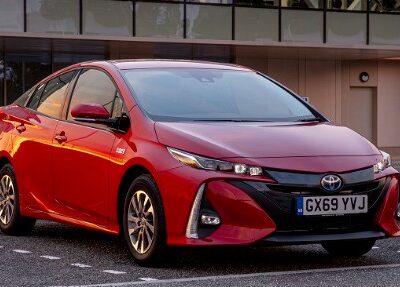
Volkswagen Tiguan vs Hyundai Tucson: Which Compact SUV Truly Wins?


When we step into the crowded world of compact SUVs, two names repeatedly surface in conversations among drivers, families, and automotive enthusiasts alike: the Volkswagen Tiguan and the Hyundai Tucson.
Both SUVs promise practicality, comfort, technology, and a dash of personality. Yet beneath their similar mission lies a fascinating contrast. One leans into German engineering and understated sophistication, while the other embraces bold design and tech-forward innovation.
So which one should we choose?
That depends on what matters most: performance, space, reliability, cost of ownership—or simply the feeling we get behind the wheel.
Let’s unpack everything that matters in the Volkswagen Tiguan vs Hyundai Tucson comparison.
Content in this publication
- Understanding the Two SUVs
- Exterior Design: Classic vs Futuristic
- Interior Quality and Cabin Experience
- Technology and Infotainment
- Performance and Engine Options
- Driving Experience: Which Feels Better on the Road?
- Fuel Efficiency and Hybrid Options
- Cargo Space and Practicality
- Safety Features and Driver Assistance
- Reliability and Ownership Costs
- Pricing and Value for Money
- Pros and Cons at a Glance
- Who Should Choose the Tiguan?
- Who Should Choose the Tucson?
- Final Verdict: Tiguan or Tucson?
- Conclusion
- Frequently Asked Questions
Understanding the Two SUVs
Before comparing details, it's important to understand where these vehicles sit in the automotive landscape.
Volkswagen Tiguan: The Practical German Contender
The Tiguan represents Volkswagen’s approach to the compact SUV formula: balanced, practical, and refined.
It’s built with a European mindset—clean design, solid road manners, and a focus on usability.
What makes the Tiguan appealing?
- Sophisticated yet subtle styling
- Spacious cabin with optional third row (in some markets)
- Smooth turbocharged engines
- High-quality interior materials
In many ways, the Tiguan feels like a smaller version of a premium SUV.
Hyundai Tucson: The Bold Innovator
The Tucson, on the other hand, takes a more adventurous route.
Hyundai redesigned it with futuristic styling, aggressive lighting signatures, and a strong focus on technology.
Key Tucson highlights include:
- Striking exterior design
- Hybrid and plug-in hybrid options
- Advanced driver-assistance features
- Competitive pricing
Where the Tiguan whispers elegance, the Tucson confidently shouts innovation.
Exterior Design: Classic vs Futuristic
Volkswagen Tiguan Design Philosophy
Volkswagen tends to avoid overly dramatic styling. Instead, the Tiguan focuses on timeless design.
Characteristics include:
- Clean body lines
- Wide grille with chrome accents
- LED headlights with subtle signature lighting
- Balanced proportions
The Tiguan looks mature and composed—like a well-tailored suit.
Hyundai Tucson Design Philosophy
The Tucson, by contrast, looks like it drove straight out of a concept car show.
Its design includes:
- Parametric hidden LED lights
- Sharp angular body surfaces
- Sculpted wheel arches
- Dramatic grille integration
It’s bold, futuristic, and impossible to ignore.
Which One Looks Better?
Design is subjective, but the difference is clear:
| Category | Winner |
|---|---|
| Understated elegance | Tiguan |
| Eye-catching design | Tucson |
If you prefer classic European style, the Tiguan shines.
If you love daring design, the Tucson wins.
Interior Quality and Cabin Experience
Step inside both SUVs and you’ll notice two distinct philosophies.
Tiguan Interior: German Simplicity
Volkswagen prioritizes functionality.
Inside the Tiguan we find:
- Clean dashboard layout
- Soft-touch materials
- Digital cockpit display
- Intuitive controls
Everything feels logically placed.
Nothing feels gimmicky.
Tucson Interior: Tech-Driven Modernity
Hyundai took a different approach.
The Tucson cabin feels futuristic with:
- Large dual-screen displays
- Minimal physical buttons
- Ambient lighting
- Touch-sensitive climate controls
It feels modern—almost like stepping into a tech gadget.
Interior Comfort Comparison
Both SUVs provide comfortable seating, but they differ slightly.
Tiguan advantages
- More traditional ergonomics
- Optional third-row seating
- Excellent driving position
Tucson advantages
- Wider front seats
- More dramatic interior styling
- Advanced infotainment layout
Technology and Infotainment
Technology often decides which SUV buyers choose today.
Volkswagen Tiguan Tech Features
The Tiguan offers a well-rounded technology suite.
Typical features include:
- Digital Cockpit display
- Apple CarPlay and Android Auto
- Wireless charging
- Touchscreen infotainment system
However, Volkswagen’s interface sometimes prioritizes minimalism over flash.
Hyundai Tucson Technology
The Tucson raises the bar in this category.
Highlights include:
You may be interested in reading VW Tiguan vs Skoda Kodiaq: Which SUV Truly Delivers More Value?
- Dual 10.25-inch screens
- Touch climate interface
- Over-the-air updates
- Advanced voice commands
Hyundai’s system simply feels more cutting-edge.
Tech Winner
If technology is a top priority:
The Tucson generally takes the lead.
Performance and Engine Options
Both SUVs offer efficient engines rather than outright performance machines.
But they still deliver respectable power.
Volkswagen Tiguan Engines
Most markets receive a 2.0-liter turbocharged engine producing around:
- 184 hp
- Smooth automatic transmission
- Optional all-wheel drive
The Tiguan focuses on balanced performance.
Hyundai Tucson Engines
The Tucson offers more variety.
Available options include:
- 2.5-liter gasoline engine
- Hybrid powertrain
- Plug-in hybrid system
This variety gives Tucson a strong edge in efficiency and versatility.
Driving Experience: Which Feels Better on the Road?
This is where personality truly emerges.
Driving the Tiguan
The Tiguan feels composed and stable.
Behind the wheel we notice:
- Precise steering
- Excellent highway stability
- European ride quality
It feels confident and controlled.
Driving the Tucson
The Tucson focuses more on comfort.
Driving characteristics include:
- Smooth suspension tuning
- Quiet cabin
- Easy city maneuverability
It’s relaxed rather than sporty.
Driving Verdict
If we enjoy driving dynamics:
Tiguan wins.
If comfort matters most:
Tucson shines.
Fuel Efficiency and Hybrid Options
Efficiency is becoming a major deciding factor.
Tiguan Fuel Economy
The Tiguan’s turbocharged engine delivers respectable efficiency.
Typical estimates include:
- Around 24–30 mpg depending on drivetrain.
However, it lacks hybrid versions in some markets.
Tucson Fuel Economy
This is where the Tucson dominates.
Its hybrid versions can reach:
- 35–40 mpg combined.
The plug-in hybrid can even drive on electric power alone for short trips.
Cargo Space and Practicality
SUV buyers care deeply about space.
Volkswagen Tiguan Cargo Capacity
The Tiguan excels in practicality.
Key advantages include:
- Sliding second row
- Optional third row
- Flexible cargo configurations
With seats folded, it offers impressive cargo capacity.
Hyundai Tucson Cargo Space
The Tucson also offers generous space.
Benefits include:
- Wide cargo opening
- Flat load floor
- Spacious rear seats
But it lacks the third-row option.
Safety Features and Driver Assistance
Modern SUVs must deliver top safety.
Both vehicles perform well here.
Volkswagen Tiguan Safety Systems
Typical features include:
- Adaptive cruise control
- Lane assist
- Blind-spot monitoring
- Automatic emergency braking
Hyundai Tucson Safety Technology
Hyundai pushes safety even further.
You may be interested in readingVW Tiguan vs Skoda Kodiaq: Which SUV Truly Delivers More Value?You may be interested in reading
Volkswagen Tiguan vs Volvo XC60: Which SUV Truly Delivers the Better Driving Experience?Key highlights include:
- Highway driving assist
- Blind-spot camera view
- Remote parking assist
- Forward collision avoidance
The Tucson feels more technologically advanced here.
Reliability and Ownership Costs
Long-term reliability plays a huge role in buying decisions.
Volkswagen Tiguan Reliability
The Tiguan generally offers solid reliability, but maintenance costs may be slightly higher due to European parts.
Owners should expect:
- Moderate repair costs
- Strong build quality
Hyundai Tucson Reliability
Hyundai has built a reputation for dependability.
Advantages include:
- Long warranty coverage
- Lower maintenance costs
- Strong reliability ratings
For budget-conscious buyers, Tucson is appealing.
Pricing and Value for Money
Pricing varies by market, but general trends remain consistent.
Volkswagen Tiguan Pricing
The Tiguan tends to start slightly higher than competitors.
However, buyers get:
- German engineering
- Premium interior feel
- Strong driving dynamics
Hyundai Tucson Pricing
The Tucson typically offers more features for the money.
Standard equipment often includes:
- Large screens
- Advanced safety features
- Hybrid options
Value seekers often lean toward the Tucson.
Pros and Cons at a Glance
Volkswagen Tiguan Pros
- Refined driving experience
- Spacious interior
- High-quality materials
- Optional third row
Volkswagen Tiguan Cons
- Fewer engine choices
- Less cutting-edge tech
- Slightly higher ownership costs
Hyundai Tucson Pros
- Bold design
- Hybrid efficiency
- Advanced technology
- Competitive pricing
Hyundai Tucson Cons
- No third-row option
- Touch controls may annoy some drivers
Who Should Choose the Tiguan?
The Tiguan is ideal for drivers who want:
- European driving dynamics
- Practical interior flexibility
- Conservative styling
- A refined road feel
It’s perfect for families who prioritize balance.
Who Should Choose the Tucson?
The Tucson suits buyers who value:
- Bold modern design
- Hybrid fuel efficiency
- Cutting-edge technology
- Strong value for money
It’s a smart pick for tech-focused drivers.
Final Verdict: Tiguan or Tucson?
Choosing between the Volkswagen Tiguan and Hyundai Tucson feels like choosing between two personalities.
The Tiguan represents balance, maturity, and driving finesse.
The Tucson represents innovation, bold design, and impressive efficiency.
If we crave a refined driving experience and flexible practicality, the Tiguan stands out.
If we want futuristic design, advanced technology, and hybrid efficiency, the Tucson becomes incredibly compelling.
In the end, neither SUV is objectively better.
They simply appeal to different kinds of drivers.
Conclusion
The compact SUV segment has never been more competitive.
Both the Volkswagen Tiguan and the Hyundai Tucson deliver impressive capabilities, strong safety features, and everyday practicality.
Yet their identities remain distinct.
The Tiguan feels like a well-engineered European tool—quietly competent, composed, and versatile.
The Tucson feels like a bold leap into the future—stylish, tech-forward, and efficient.
So the real question becomes:
Do we want understated confidence…
Or futuristic innovation?
Either way, we’re getting one of the best compact SUVs on the road.
Frequently Asked Questions
Is the Hyundai Tucson bigger than the Volkswagen Tiguan?
The Tiguan is slightly longer and offers an optional third row in some markets, making it more flexible for larger families.
Which SUV is more reliable: Tiguan or Tucson?
The Hyundai Tucson generally scores higher in reliability and offers a longer warranty.
Does the Volkswagen Tiguan have a hybrid version?
In many markets, the Tiguan lacks hybrid options, while the Tucson offers hybrid and plug-in hybrid variants.
Which SUV has better fuel economy?
The Hyundai Tucson, especially the hybrid version, delivers significantly better fuel efficiency.
Is the Tiguan more fun to drive than the Tucson?
Yes. The Tiguan typically offers sharper handling and a more engaging driving experience.
You may be interested in readingVW Tiguan vs Skoda Kodiaq: Which SUV Truly Delivers More Value?You may be interested in reading
Volkswagen Tiguan vs Volvo XC60: Which SUV Truly Delivers the Better Driving Experience?You may be interested in reading
Volkswagen Tiguan vs Nissan Qashqai: Which SUV Truly Wins the Everyday Battle?If you want to know other articles similar to Volkswagen Tiguan vs Hyundai Tucson: Which Compact SUV Truly Wins? you can visit the category Models.
Toyota Prius Generations: The Evolution of Hybrid Innovation
SEAT Leon vs Skoda Scala: Which Compact Hatchback Truly Wins?
SEAT Leon vs Skoda Fabia: Which Hatchback Truly Fits Your Lifestyle?
SEAT Leon vs Mazda 3: Which Hatchback Truly Wins Our Hearts?
SEAT Leon or Ford Focus: Which Hatchback Truly Wins Our Hearts?
SEAT Leon vs Audi A3: Which Hatchback Truly Wins Our Hearts?
Leave a Reply
More content of your interest