
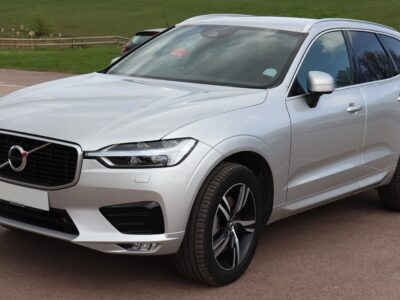
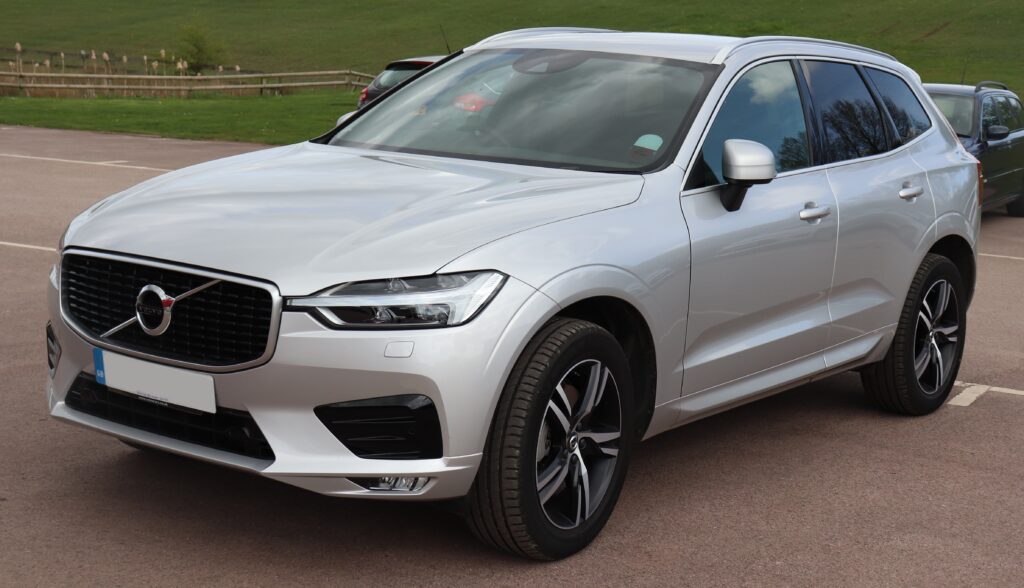
Volvo XC60 Fuel Consumption: Real MPG, Efficiency & Tips

Content in this publication
- Why Fuel Consumption Matters More Than Ever
- A Quick Overview of Volvo XC60 Engine Options
- Understanding Official vs Real-World Fuel Consumption
- Volvo XC60 Fuel Consumption by Engine Type
- How Driving Style Impacts Fuel Economy
- City vs Highway Fuel Consumption
- Volvo XC60 Hybrid Efficiency Explained
- Fuel Tank Capacity and Range
- Comparing XC60 Fuel Consumption with Rivals
- Factors That Affect Fuel Consumption
- Tips to Improve Volvo XC60 Fuel Economy
- Is the Volvo XC60 Fuel Efficient for Its Class?
- Real Owner Experiences
- Cost of Fuel Over Time
- Environmental Impact and Emissions
- Future of XC60 Efficiency
- Should You Choose XC60 Based on Fuel Consumption?
- Common Misconceptions About Fuel Consumption
- Closing Thoughts: Balancing Luxury and Efficiency
- FAQs
Why Fuel Consumption Matters More Than Ever
Let’s be honest—fuel economy isn’t just a number anymore. It’s a lifestyle decision. Whether we’re commuting through busy city streets or cruising down the highway, every drop of fuel matters. And when it comes to premium SUVs, the Volvo XC60 stands out as a balance between performance, luxury, and efficiency.
But here’s the real question: How efficient is the Volvo XC60 in real-world driving? Let’s break it down together.
A Quick Overview of Volvo XC60 Engine Options
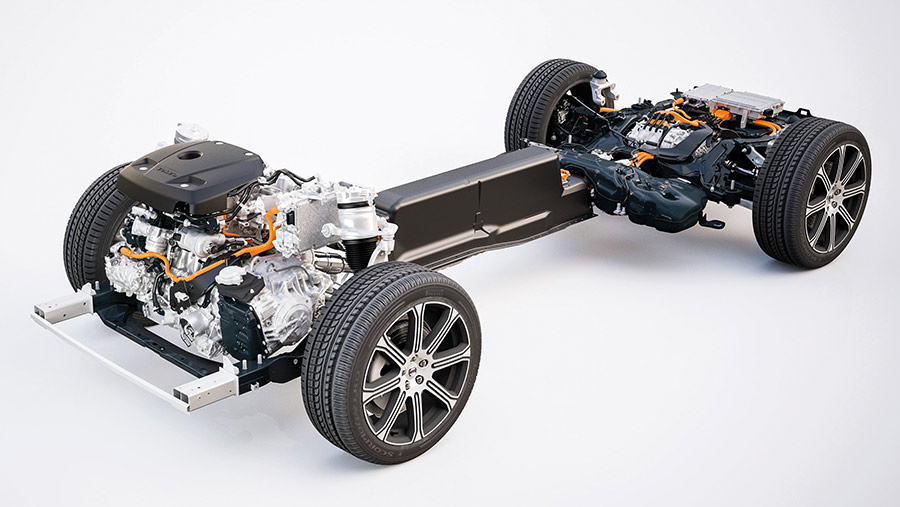

Mild Hybrid (B4 & B5 Engines)
These engines use a 48V mild-hybrid system to improve efficiency without changing how we drive.
- B4 (2.0L petrol/diesel)
- B5 (2.0L petrol with turbo)
Fuel consumption range:
- ~6.5–7.5 L/100 km (combined)
Plug-in Hybrid (T6 & T8 Recharge)
Now we’re stepping into serious efficiency territory.
- Combines petrol engine + electric motor
- Can drive on electric-only for short trips
Fuel consumption range:
- As low as 1.5–2.5 L/100 km (official figures)
- Real-world: 3.5–6.0 L/100 km
Understanding Official vs Real-World Fuel Consumption
Why WLTP Figures Can Be Misleading
Manufacturers use standardized tests (WLTP), but let’s face it—real life isn’t a lab.
Real-World Driving Factors
- Traffic conditions
- Driving style
- Weather
- Terrain
👉 Think of official numbers as a “best-case scenario.”
Volvo XC60 Fuel Consumption by Engine Type
Petrol Models (B4 & B5)
- City: 8.0–9.5 L/100 km
- Highway: 6.0–7.0 L/100 km
- Combined: ~7.2 L/100 km
Diesel Models (Where Available)
- City: 6.5–7.5 L/100 km
- Highway: 5.0–6.0 L/100 km
- Combined: ~6.0 L/100 km
Plug-in Hybrid (T8 Recharge)
- Electric-only range: ~70–80 km
- Combined fuel usage depends heavily on charging habits
How Driving Style Impacts Fuel Economy
Smooth Driving vs Aggressive Driving
We’ve all been there—accelerating hard feels good, but it burns fuel fast.
You may be interested in reading What to Expect When Driving a Fiat 500: Owner's Perspective
- Smooth acceleration: saves up to 20% fuel
- Aggressive driving: increases consumption significantly
Speed Matters More Than You Think
- 90 km/h → optimal efficiency
- 120 km/h → noticeable increase in fuel usage
City vs Highway Fuel Consumption
Urban Driving
- Frequent stops
- Higher fuel consumption
- Hybrid system helps here
Highway Driving
- Stable speeds
- Better fuel economy
- Less regenerative braking benefit
Volvo XC60 Hybrid Efficiency Explained
Electric Mode Advantages
Driving short distances? The XC60 hybrid shines.
- Zero fuel consumption in EV mode
- Ideal for daily commutes
Charging Habits Make a Huge Difference
- Daily charging = lower fuel usage
- Rare charging = behaves like a regular petrol SUV
Fuel Tank Capacity and Range
- Fuel tank: ~71 liters
- Estimated range:
- Petrol: 700–900 km
- Diesel: up to 1,000 km
- Hybrid: varies widely
Comparing XC60 Fuel Consumption with Rivals
vs BMW X3
- Similar petrol efficiency
- Slight edge for plug-in hybrids
vs Audi Q5
- Comparable numbers
- Volvo often better in hybrid mode
vs Mercedes GLC
- GLC slightly more efficient in diesel
- XC60 excels in electrification
Factors That Affect Fuel Consumption
1. Vehicle Weight
Luxury SUVs are heavier—more weight = more fuel.
2. Tire Pressure
Low pressure = higher resistance = more fuel burned.
3. Weather Conditions
Cold weather reduces efficiency, especially for hybrids.
4. Terrain
- Hills = more fuel
- Flat roads = better efficiency
Tips to Improve Volvo XC60 Fuel Economy
Simple Driving Habits
- Avoid sudden acceleration
- Maintain steady speed
- Use cruise control
Maintenance Tips
- Keep tires properly inflated
- Regular engine servicing
- Use recommended engine oil
Hybrid-Specific Tips
- Charge regularly
- Use regenerative braking
- Maximize EV mode
Is the Volvo XC60 Fuel Efficient for Its Class?
Short answer? Yes—but with context.
- Petrol models → average for class
- Diesel models → very efficient
- Plug-in hybrids → excellent if charged often
Real Owner Experiences
What Drivers Are Saying
- “Hybrid saves me tons in city driving.”
- “Fuel consumption rises on long highway trips.”
- “Comfort outweighs slightly higher fuel usage.”
Cost of Fuel Over Time
Let’s put things into perspective:
Annual Fuel Cost Estimate
Assuming 15,000 km/year:
- Petrol: moderate cost
- Diesel: lower cost
- Hybrid: lowest if charged regularly
Environmental Impact and Emissions
CO₂ Emissions
- Petrol: higher emissions
- Diesel: lower CO₂ but more NOx
- Hybrid: lowest overall emissions
Future of XC60 Efficiency
Volvo Cars is pushing toward electrification.
- More hybrid models
- Fully electric future
- Improved battery technology
Should You Choose XC60 Based on Fuel Consumption?
Let’s be real—it depends on your lifestyle.
You may be interested in readingWhat to Expect When Driving a Fiat 500: Owner's PerspectiveYou may be interested in reading
 Comparing the Fiat 500e to the Traditional Fiat 500: Pros and Cons
Choose Petrol If:
- You drive long distances
- Charging isn’t convenient
Choose Hybrid If:
- You do short daily trips
- You can charge at home
Common Misconceptions About Fuel Consumption
“Hybrid Always Means Cheap to Run”
Not necessarily—charging habits matter.
“Official MPG Is Accurate”
It’s a guide, not reality.
Closing Thoughts: Balancing Luxury and Efficiency
The Volvo XC60 isn’t just about getting from A to B—it’s about how we get there. Smooth, refined, and surprisingly efficient when driven right.
If we treat fuel economy like a partnership rather than a number, the XC60 rewards us generously.
FAQs
1. What is the average fuel consumption of a Volvo XC60?
Around 6.0–7.5 L/100 km for petrol models and significantly lower for hybrids.
2. Is the Volvo XC60 hybrid worth it?
Yes, especially if you charge it regularly and drive mostly in the city.
3. Does driving style affect XC60 fuel consumption?
Absolutely—aggressive driving can increase fuel usage by up to 30%.
4. Which XC60 engine is most fuel-efficient?
The T8 Recharge plug-in hybrid is the most efficient overall.
5. How can I reduce fuel consumption in my XC60?
Drive smoothly, maintain your car, and use hybrid features effectively.
You may be interested in readingWhat to Expect When Driving a Fiat 500: Owner's PerspectiveYou may be interested in reading
Comparing the Fiat 500e to the Traditional Fiat 500: Pros and ConsYou may be interested in reading
 Understanding the Fiat 500's Infotainment System and Common Issues
If you want to know other articles similar to Volvo XC60 Fuel Consumption: Real MPG, Efficiency & Tips you can visit the category Driving.
Volvo XC60 MPG: Real-World Fuel Economy, Costs & What to Expect

Audi Q5 MPG: Real-World Fuel Economy, Tips, and Performance Insights
Can BMW X3 Go Off Road? The Real Truth About Its Capabilities
Audi Q3 Miles Per Gallon: Real MPG, Efficiency Secrets & Ownership Insights

Volkswagen Tiguan Driving Modes: Complete Guide to Every Mode and How They Transform Your Drive
Volkswagen Tiguan Fuel Consumption: Real-World MPG, Efficiency Tips, and What Owners Should Expect
Leave a Reply
More content of your interest