

Volvo XC60 Oil Capacity: Complete Guide for Every Engine and Year


When it comes to maintaining your Volvo XC60, oil isn’t just another fluid—it’s the lifeblood of your engine. And here’s the thing: knowing the exact oil capacity can make the difference between silky-smooth performance and long-term engine wear.
So let’s break it all down together—no fluff, no confusion—just a practical, real-world guide that helps you get it right every time.
Content in this publication
- Why Oil Capacity Matters More Than You Think
- Volvo XC60 Oil Capacity Overview
- Breaking It Down by Generations
- Does Oil Capacity Change Without a Filter?
- Oil Capacity by Engine Type (Detailed Breakdown)
- Best Oil Type for Volvo XC60
- How to Check Your Oil Level Properly
- How Often Should You Change the Oil?
- Oil Change Capacity vs Total Capacity
- Common Mistakes to Avoid
- DIY Oil Change: Quick Guide
- How Oil Capacity Affects Performance
- Climate and Driving Conditions Impact
- Oil Capacity vs Engine Longevity
- When to Double-Check Your Owner’s Manual
- Final Thoughts: Getting It Just Right
- FAQs About Volvo XC60 Oil Capacity
Why Oil Capacity Matters More Than You Think
We’ve all heard “just top it off,” right? But with modern engines, that mindset can backfire.
Too little oil:
- Increases friction
- Causes overheating
- Leads to premature wear
Too much oil:
- Creates pressure issues
- Can damage seals
- Reduces efficiency
Think of oil like the perfect cup of coffee—too little or too much, and it’s just not right.
Volvo XC60 Oil Capacity Overview
4
The oil capacity of the Volvo XC60 varies depending on:
- Engine type
- Model year
- Whether the filter is changed
Here’s a quick snapshot:
| Engine Type | Oil Capacity (With Filter) |
|---|---|
| 2.0L Turbo (T5) | ~5.9 liters (6.2 quarts) |
| 2.0L Turbo + Supercharged (T6) | ~5.9 liters |
| 2.0L Plug-in Hybrid (T8) | ~5.9 liters |
| Older 3.0L Inline-6 | ~6.5 liters (6.9 quarts) |
| D4/D5 Diesel | ~5.2–5.9 liters |
👉 Notice a pattern? Most modern XC60 engines hover around 5.9 liters.
Breaking It Down by Generations
First Generation (2008–2017)

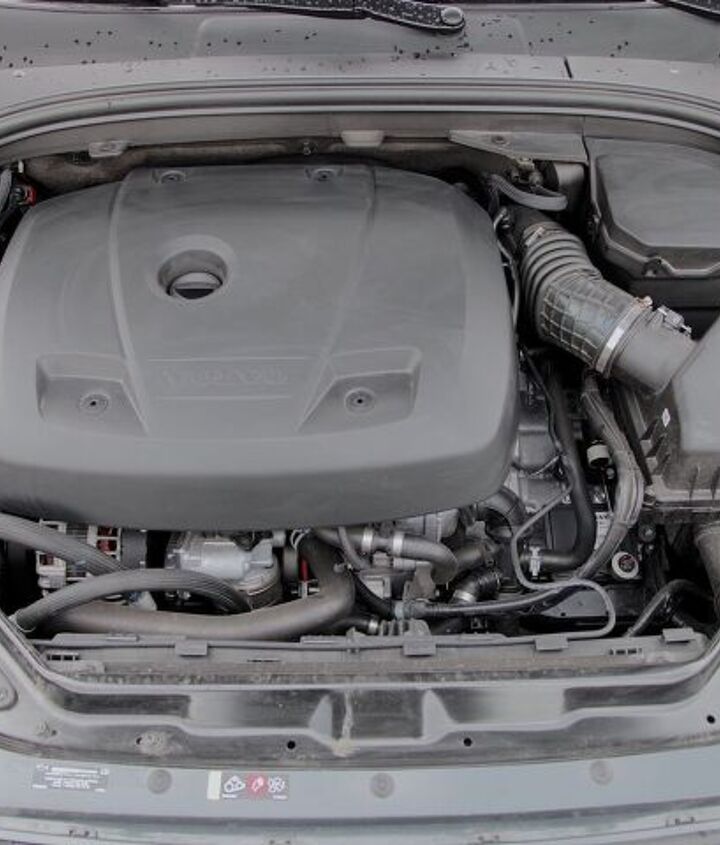
This era brought variety—turbocharged engines, diesels, and even inline-6 units.
Typical Oil Capacities
- 3.0L Turbo Inline-6: ~6.5 liters
- 2.0L Diesel (D4/D5): ~5.5 liters
👉 These engines tend to require slightly more oil due to their size.
Second Generation (2018–Present)


Welcome to the era of efficiency. Volvo streamlined its engines into modular 2.0L units.
Typical Oil Capacities
- T5 / T6 / T8 engines: ~5.9 liters
Even with hybrid systems, oil capacity stays consistent—because the engine block is essentially the same.
Does Oil Capacity Change Without a Filter?
Yes—and this is where many people slip up.
With Filter Change
- Full capacity (e.g., 5.9 liters)
Without Filter Change
- Slightly less (usually ~0.3–0.5 liters less)
👉 But here’s our take: always change the filter. Skipping it is like showering and putting dirty clothes back on.
You may be interested in reading Volvo XC60 Engine Specs: The Complete Guide to Power, Performance, and Efficiency
Oil Capacity by Engine Type (Detailed Breakdown)
T5 Engine (Turbocharged)
- Capacity: ~5.9 liters
- Common in: FWD and AWD models
This is your everyday performer—balanced, efficient, reliable.
T6 Engine (Turbo + Supercharger)
- Capacity: ~5.9 liters
- More performance-oriented
Same capacity, but works harder—so oil quality matters even more.
T8 Plug-in Hybrid
- Capacity: ~5.9 liters
- Electric + petrol combo
Even though it’s a hybrid, the combustion engine still needs full lubrication.
Diesel Engines (D4 / D5)
- Capacity: ~5.2–5.9 liters
Diesels can vary slightly—always double-check your manual.
Best Oil Type for Volvo XC60
Let’s not just pour anything in.
Recommended Oil Specs
- SAE: 0W-20 (most modern models)
- Specification: Volvo VCC RBS0-2AE or ACEA A5/B5
Why This Matters
Using the wrong oil is like feeding premium coffee beans into a broken grinder—it won’t end well.
How to Check Your Oil Level Properly
Step-by-Step
- Park on a flat surface
- Turn off the engine
- Wait 5–10 minutes
- Check via:
- Dipstick (older models)
- Digital display (newer models)
👉 Pro tip: Always check when the engine is warm but not hot.
How Often Should You Change the Oil?
General Rule
- Every 10,000–12,000 km (6,000–7,500 miles)
But Let’s Be Honest…
If you:
- Drive in traffic daily
- Take short trips
- Live in hot or cold climates
👉 Change it sooner (around 8,000 km).
Oil Change Capacity vs Total Capacity
Here’s a subtle but important distinction.
- Dry engine capacity: Total oil the engine can hold
- Oil change capacity: What you actually refill
You’ll usually use the second number—because not all oil drains out.
Common Mistakes to Avoid
Let’s save you from expensive lessons.
Top Errors
- Overfilling oil
- Using incorrect viscosity
- Skipping the filter
- Not resetting oil service light
Each one seems small—but together, they add up.
DIY Oil Change: Quick Guide
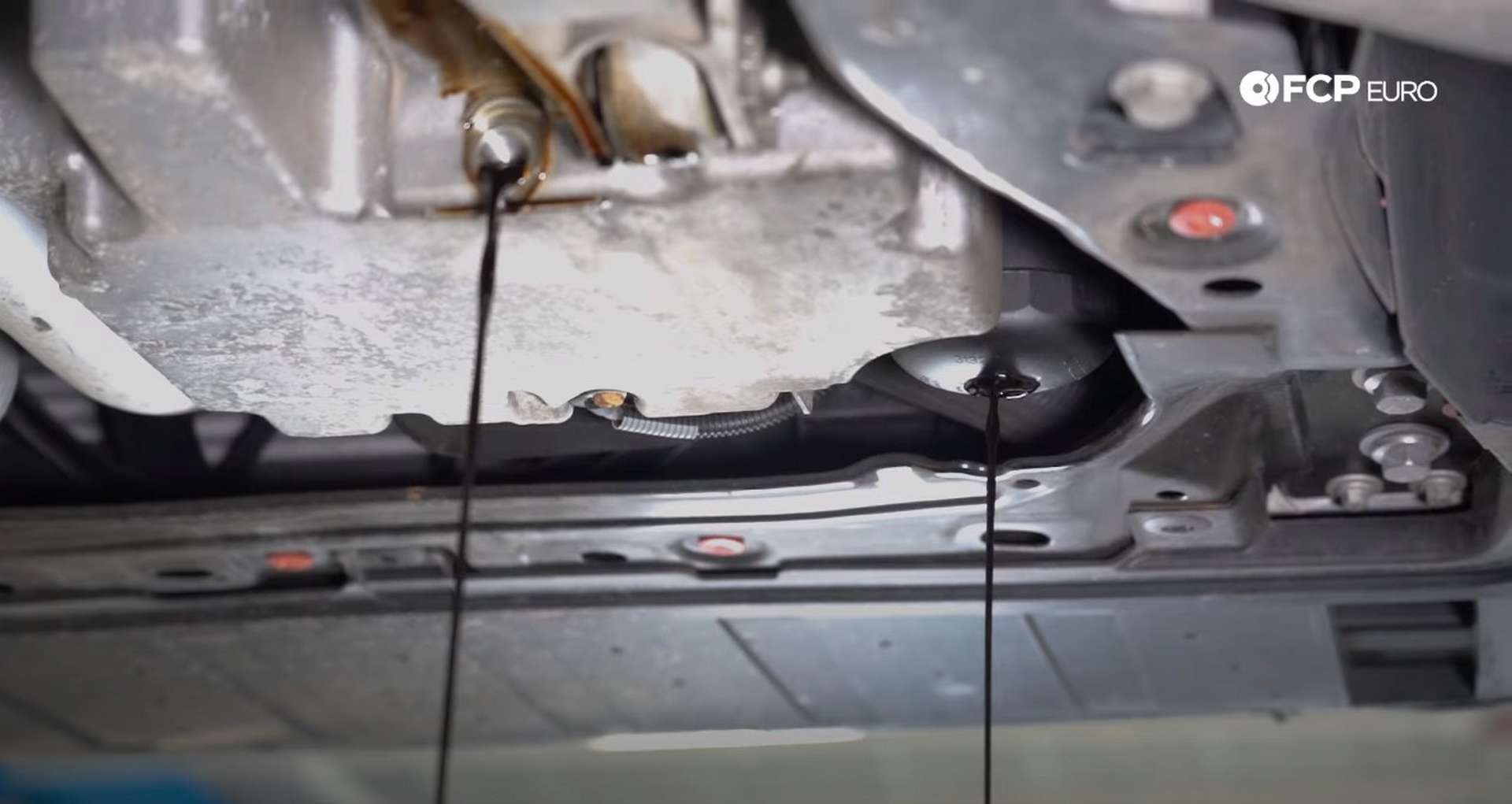
What You’ll Need
- 6 liters of oil
- New oil filter
- Drain pan
- Socket wrench
Basic Steps
- Warm the engine
- Drain old oil
- Replace filter
- Add new oil (correct capacity!)
- Check level
👉 Simple? Yes. But precision matters.
How Oil Capacity Affects Performance
You might not feel it immediately—but your engine does.
Correct Oil Level Ensures
- Smooth acceleration
- Lower engine noise
- Better fuel economy
Think of it like hydration during a workout—your engine performs better when it’s properly “hydrated.”
You may be interested in readingVolvo XC60 Engine Specs: The Complete Guide to Power, Performance, and EfficiencyYou may be interested in reading
Volvo XC60 Engine System Service Required: Causes, Fixes, and What It Really MeansClimate and Driving Conditions Impact
Living in colder climates? Oil thickens.
Hot regions? Oil thins faster.
What We Recommend
- Cold climates: Stick strictly to 0W-20
- Hot climates: Ensure high-quality synthetic oil
Oil Capacity vs Engine Longevity
Here’s the long game.
Maintaining correct oil levels:
- Reduces internal wear
- Keeps turbochargers healthy
- Extends engine life
Ignore it, and you’re basically shortening your engine’s lifespan—quietly but surely.
When to Double-Check Your Owner’s Manual
We love general guidelines—but specifics matter.
Always confirm:
- Engine code
- Year
- Market version (US, EU, etc.)
Because even within the same model, small differences exist.
Final Thoughts: Getting It Just Right
At the end of the day, understanding your Volvo XC60 oil capacity isn’t just about numbers—it’s about confidence.
When we know:
- How much oil to use
- What type to choose
- When to change it
We’re not just maintaining a car—we’re protecting an investment.
And honestly? There’s something satisfying about knowing your engine is running exactly as it should.
FAQs About Volvo XC60 Oil Capacity
1. How many liters of oil does a Volvo XC60 take?
Most models require around 5.9 liters with a filter, though older engines may need slightly more.
2. Can I overfill the oil slightly?
No—overfilling can cause pressure issues and engine damage. Always stay within recommended levels.
3. Does the hybrid XC60 use less oil?
Not really. Even the T8 hybrid uses roughly the same capacity (~5.9 liters).
4. What happens if I use the wrong oil type?
You risk reduced lubrication, increased wear, and potential long-term engine damage.
5. Should I trust the digital oil level system?
Yes, but occasionally double-check manually if possible—especially before long trips.
You may be interested in readingVolvo XC60 Engine Specs: The Complete Guide to Power, Performance, and EfficiencyYou may be interested in reading
Volvo XC60 Engine System Service Required: Causes, Fixes, and What It Really MeansYou may be interested in reading
Volvo XC60 Battery Replacement: The Complete Owner’s GuideIf you want to know other articles similar to Volvo XC60 Oil Capacity: Complete Guide for Every Engine and Year you can visit the category Service and Parts.
Volvo XC60 Headlight Adjustment for Europe: The Complete Practical Guide
Volvo XC60 City Safety Service Required: What It Means, Causes, and Fixes
Volvo XC60 Battery Replacement: The Complete Owner’s Guide
Volvo XC60 Engine System Service Required: Causes, Fixes, and What It Really Means
Volvo XC60 Engine Specs: The Complete Guide to Power, Performance, and Efficiency
Volvo XC60 Fuel Tank Capacity: Complete Guide for Drivers
Leave a Reply
More content of your interest