

What Years of Ford F-150 to Avoid (Buyer’s Survival Guide)

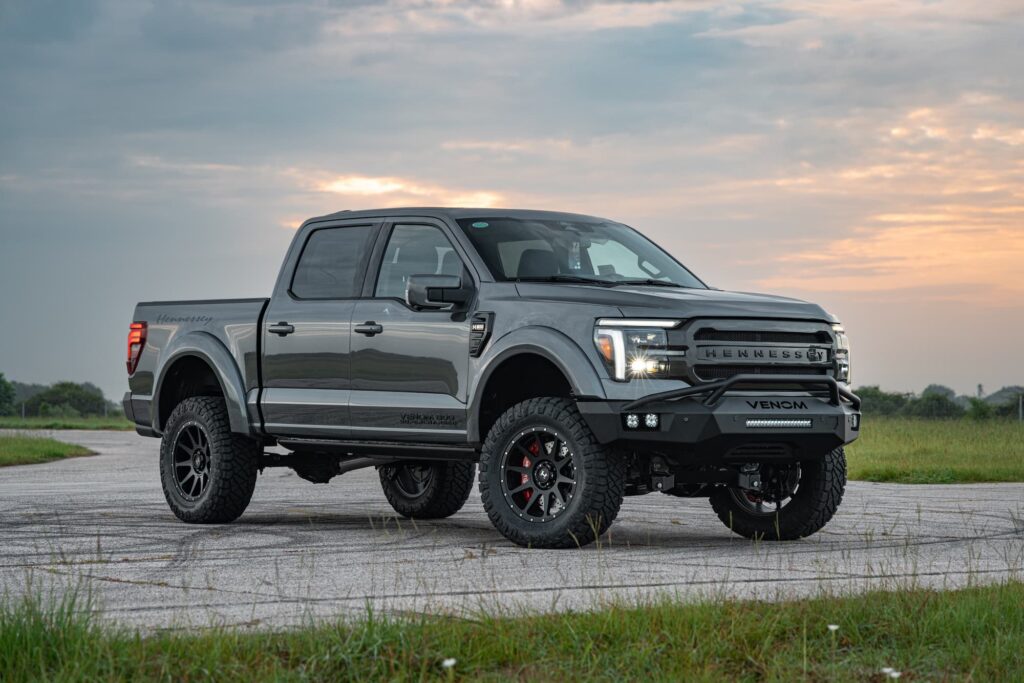
Buying a Ford F-150 can feel a bit like dating. Some years are rock-solid, dependable, and age gracefully. Others? Well… they come with baggage, red flags, and expensive surprises hiding under the hood. And since the F-150 has been around for decades, not every model year is created equal.
So today, we’re pulling back the curtain. We’re breaking down what years of Ford F-150 to avoid, why those years earned their reputation, and how to spot trouble before it drains your wallet. Think of this as your shortcut through decades of owner complaints, recalls, and mechanical heartbreak.
Let’s get into it.
Content in this publication
- Why Certain Ford F-150 Years Should Be Avoided
- How We Identified the Worst F-150 Years
- Quick Snapshot: Ford F-150 Years to Avoid
- 2004–2005 Ford F-150: The Spark Plug Nightmare
- 2006 Ford F-150: Same Engine, Same Headaches
- 2010 Ford F-150: Early EcoBoost Growing Pains
- 2015 Ford F-150: Aluminum Body, Steel Problems
- 2017 Ford F-150: Transmission Trouble Returns
- 2018 Ford F-150: When Fixes Fell Short
- Engines That Deserve Extra Caution
- Transmission Issues Across Problem Years
- Electrical and Tech Problems You Should Know About
- Recall History: A Silent Warning Sign
- Ownership Costs: Where Bad Years Hurt Most
- What to Look for If You’re Considering a Risky Year
- Safer Alternatives: Better F-150 Years to Buy
- Should You Avoid These Years Completely?
- Final Verdict: What Years of Ford F-150 to Avoid
- FAQs About Ford F-150 Years to Avoid
Why Certain Ford F-150 Years Should Be Avoided
The Ford F-150 has long been America’s best-selling truck—but even legends stumble. Over time, Ford introduced new engines, transmissions, and technologies that didn’t always age well.
Some model years suffered from:
- Rushed redesigns
- Unproven engines or gearboxes
- Electrical gremlins
- Cost-cutting experiments that backfired
When you see the same complaints pop up again and again—across forums, repair shops, and recall notices—that’s not bad luck. That’s a pattern.
How We Identified the Worst F-150 Years
We didn’t just throw darts at a calendar. We looked at:
- Long-term owner complaints
- Known engine and transmission failures
- Recall frequency and severity
- Repair cost trends
- Real-world reliability data
The goal? Help you avoid expensive mistakes while shopping used.
Quick Snapshot: Ford F-150 Years to Avoid
Before diving deep, here’s the short list buyers should approach cautiously:
- 2004–2005
- 2006
- 2010
- 2015
- 2017
- 2018
Now let’s unpack why these years earned their warning labels.
2004–2005 Ford F-150: The Spark Plug Nightmare
Why These Years Stand Out (In a Bad Way)
The 2004–2005 F-150 introduced a redesigned body and updated engines. On paper? Promising. In reality? Painful.
The Core Problem: Two-Piece Spark Plugs
Ford’s 5.4L Triton V8 used spark plugs that:
- Seized inside the cylinder head
- Snapped during removal
- Required special extraction tools
- Turned routine maintenance into a $1,500 ordeal
Other Common Complaints
- Coil pack failures
- Timing chain issues
- Rough idling
- Misfires under load
These trucks can run well—until they don’t. And when they fail, repairs snowball quickly.
2006 Ford F-150: Same Engine, Same Headaches
What Didn’t Improve
If 2004–2005 opened the door to trouble, 2006 kept it wide open.
Major Trouble Areas
- Spark plug breakage (still unresolved)
- Cam phaser failures
- Oil pressure problems
- Excessive engine noise
Many owners reported repairs costing more than the truck’s resale value. That’s never a good sign.
You may be interested in reading Which Ford F-150 Engine Is Best? A Real-World Buyer’s Guide
2010 Ford F-150: Early EcoBoost Growing Pains
Why 2010 Was Risky
This was a transition year. Ford introduced new powertrains and technology—but reliability lagged behind innovation.
Common Problems
- Transmission hesitation
- Rough shifting
- Electrical faults
- Steering issues
Some trucks developed drivetrain problems under 100,000 miles, which is disappointing for a full-size pickup.
2015 Ford F-150: Aluminum Body, Steel Problems
A Bold Redesign… With Consequences
2015 marked a massive shift. Ford went all-in on an aluminum body to cut weight and improve fuel economy.
Where Things Went Wrong
- 10-speed transmission issues (early versions)
- Hard shifting and gear hunting
- Software glitches
- Electrical problems
Why It Matters
The technology itself wasn’t flawed—but the execution was rushed. Early adopters paid the price.
2017 Ford F-150: Transmission Trouble Returns
The 10-Speed Transmission Strikes Again
By 2017, the 10-speed automatic should’ve been refined. Instead, complaints spiked.
Owner-Reported Issues
- Clunking between gears
- Sudden downshifts
- Shuddering at highway speeds
- Hesitation when accelerating
Ford issued updates and reprogramming fixes, but many trucks never fully recovered.
2018 Ford F-150: When Fixes Fell Short
Why This Year Still Raises Red Flags
Despite improvements, 2018 models continued struggling with:
- Transmission calibration problems
- Harsh shifts
- Jerky stop-and-go driving
Some owners described the truck as “never shifting the same way twice”—not exactly confidence-inspiring.
Engines That Deserve Extra Caution
5.4L Triton V8 (2004–2008)
Why It’s Problematic
- Spark plug design flaws
- Cam phaser failures
- Oil consumption
This engine is infamous—and for good reason.
Early 3.5L EcoBoost (2011–2013)
What Went Wrong
- Timing chain stretch
- Turbo condensation issues
- Rough cold starts
Later versions improved dramatically, but early models deserve scrutiny.
Transmission Issues Across Problem Years
4-Speed & 6-Speed Automatics
- Slipping
- Delayed engagement
- Premature failure
10-Speed Automatic (2015–2018)
- Gear hunting
- Harsh shifts
- Software instability
The transmission alone is reason enough to avoid certain years.
Electrical and Tech Problems You Should Know About
Modern trucks mean modern problems.
Common Electrical Complaints
- Infotainment system freezing
- Backup camera failures
- Dashboard warning lights
- Random sensor alerts
These issues don’t always strand you—but they will test your patience.
Recall History: A Silent Warning Sign
Some F-150 years racked up recall after recall.
High-Recall Years
- 2004
- 2005
- 2015
- 2017
Multiple recalls don’t automatically mean a bad truck—but patterns matter.
You may be interested in readingWhich Ford F-150 Engine Is Best? A Real-World Buyer’s GuideYou may be interested in reading
 What Is the Best Month to Buy a Ford F-150?
Ownership Costs: Where Bad Years Hurt Most
Typical Repair Expenses
- Transmission replacement: $4,000–$7,000
- Cam phaser repair: $2,000–$4,000
- Spark plug extraction: $1,000–$1,800
Suddenly that “great deal” doesn’t look so great.
What to Look for If You’re Considering a Risky Year
If you must buy one of these years, protect yourself.
Checklist Before Buying
- Full service records
- Transmission software updates completed
- Proof of recall repairs
- Extended test drive (cold + warm)
- Professional pre-purchase inspection
Safer Alternatives: Better F-150 Years to Buy
Not all F-150s deserve side-eye.
More Reliable Model Years
- 2009
- 2012–2014
- 2019–2022
These years benefit from:
- Refined engines
- Improved transmissions
- Fewer major complaints
Should You Avoid These Years Completely?
Not always.
A well-maintained “bad year” can outperform a neglected “good year.” But statistically? These models are riskier bets.
If peace of mind matters more than saving a few bucks, avoiding these years is the smarter play.
Final Verdict: What Years of Ford F-150 to Avoid
Buying a used F-150 shouldn’t feel like rolling dice in Vegas. Knowing what years of Ford F-150 to avoid helps you sidestep expensive surprises and buyer’s remorse.
Some years struggled with engines. Others with transmissions. A few managed to do both at once. The key is knowing the difference—and buying with your eyes open.
Choose wisely, inspect thoroughly, and remember: the right truck is out there. You just don’t want that one.
FAQs About Ford F-150 Years to Avoid
1. What is the worst Ford F-150 year overall?
Many owners point to 2004–2005 due to severe engine and spark plug issues.
2. Are newer F-150s more reliable?
Yes, especially 2019 and newer, where transmission and software issues were largely resolved.
3. Is the 5.4 Triton engine always bad?
Not always, but it’s one of Ford’s most problematic engines and requires careful maintenance.
4. Should I avoid all EcoBoost engines?
No. Early EcoBoosts had issues, but later versions are much more reliable.
5. Can recalls fix these problems permanently?
Sometimes—but not always. Software fixes help, mechanical flaws often return.
You may be interested in readingWhich Ford F-150 Engine Is Best? A Real-World Buyer’s GuideYou may be interested in reading
What Is the Best Month to Buy a Ford F-150?You may be interested in reading
 How Does the Ford F-150 Hybrid Work? A Real-World Breakdown
If you want to know other articles similar to What Years of Ford F-150 to Avoid (Buyer’s Survival Guide) you can visit the category Blog.
Dacia Duster Years to Avoid: Common Problems and the Best Alternatives
BMW X1 Insurance Group: Complete UK Guide to Costs, Ratings, and Saving Money
BMW X1 Reliability: Is the Compact Luxury SUV Built to Last?
BMW X1 Years to Avoid: A Practical Guide for Smart Buyers

Which Jaguar F-PACE Is the Best? A Complete Buyer’s Guide to Choosing the Right Model
Jaguar F-Pace Most Reliable Engine: Which One Should You Trust?
Leave a Reply
More content of your interest