

Which Ford F-150 Engine Is Best? A Real-World Buyer’s Guide


Choosing the best Ford F-150 engine isn’t about chasing the biggest number on a spec sheet. It’s about fit—how the truck lines up with your lifestyle, your workdays, your weekends, and yes, your fuel budget. We’ve all heard the debates at tailgates, job sites, and comment sections. V8 loyalists swear by displacement. EcoBoost fans point to torque curves. Hybrid owners just smile at the pump.
So instead of throwing blanket answers at you, we’re going to break this down the human way. We’ll look at every major Ford F-150 engine, how it behaves in the real world, where it shines, where it stumbles, and—most importantly—who it’s actually best for.
Let’s find your engine.
Content in this publication
- Why “Best” Depends on How You Use Your F-150
- A Quick Overview of Current and Recent F-150 Engines
- 3.3L V6: The Budget-Friendly Workhorse
- 2.7L EcoBoost: The Smart Power Pick
- 3.5L EcoBoost: The Torque King
- 5.0L Coyote V8: The Emotional Favorite
- 3.5L PowerBoost Hybrid: The Future-Forward Choice
- Head-to-Head Comparison: Which Engine Wins Where
- Reliability: What History Tells Us
- Fuel Economy vs Real-World Costs
- Resale Value and Market Demand
- Sound, Feel, and Driving Experience
- Which Engine Fits Your Lifestyle Best?
- Final Verdict: So, Which Ford F-150 Engine Is Best?
- Frequently Asked Questions
Why “Best” Depends on How You Use Your F-150
Before we talk engines, we need to talk expectations. The F-150 is a Swiss Army knife of trucks, and Ford offers multiple powertrains because no single engine works best for everyone.
What “Best” Really Means for Truck Owners
For some of us, “best” means:
- Maximum towing confidence
- Bulletproof long-term reliability
- Strong resale value
- Daily drivability and comfort
For others, it means:
- Fuel efficiency without sacrificing power
- Quiet highway cruising
- Occasional towing, not daily abuse
- Lower ownership costs
The truth is simple: the best Ford F-150 engine is the one that matches how you actually drive.
A Quick Overview of Current and Recent F-150 Engines
Ford’s engine lineup has evolved, but these are the powertrains most buyers compare today:
- 3.3L Naturally Aspirated V6
- 2.7L EcoBoost V6
- 3.5L EcoBoost V6
- 5.0L Coyote V8
- 3.5L PowerBoost Hybrid
Each one tells a different story.
3.3L V6: The Budget-Friendly Workhorse
Why Ford Still Offers This Engine
The 3.3L V6 isn’t flashy. It doesn’t dominate forums or YouTube drag races. But it exists for a reason—it’s affordable, simple, and dependable.
Strengths That Matter
- Naturally aspirated (no turbos to maintain)
- Lower purchase price
- Predictable maintenance costs
- Smooth daily driving behavior
Where It Falls Short
- Limited towing compared to EcoBoost options
- Less exciting acceleration
- Lower resale appeal
Who Should Choose the 3.3L V6
- Fleet buyers
- Light-duty truck owners
- Drivers who value simplicity over performance
This engine is like a good pair of work boots—comfortable, reliable, and not trying to impress anyone.
2.7L EcoBoost: The Smart Power Pick
Small Engine, Big Personality
The 2.7L EcoBoost is one of Ford’s most underrated achievements. On paper, it looks modest. On the road, it punches well above its weight.
You may be interested in reading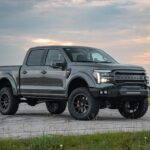 What Is the Best Month to Buy a Ford F-150?
Why This Engine Surprises People
- Turbocharged torque hits early
- Lighter engine improves handling
- Strong towing for its size
- Excellent fuel economy balance
Real-World Advantages
- Feels responsive in city traffic
- Comfortable for long highway drives
- Less nose-heavy than V8 models
Potential Downsides
- Turbo complexity over very long ownership
- Less satisfying engine sound for purists
Best For
- Daily drivers
- Weekend haulers
- Owners who want power without excess
If the F-150 engines were athletes, the 2.7L would be the all-around decathlete—fast, efficient, and surprisingly tough.
3.5L EcoBoost: The Torque King
Built for Serious Work
This is the engine that changed the full-size truck world. When Ford proved a turbo V6 could out-pull V8s, the industry took notice.
Why the 3.5L Dominates Towing
- Massive low-end torque
- Excellent power delivery under load
- Confident performance in mountains and heat
Where It Excels
- Heavy trailers
- Boats and campers
- Long-distance towing
Trade-Offs to Consider
- Higher fuel consumption under load
- More complex maintenance
- Higher purchase price
Who It’s Perfect For
- Frequent towers
- Contractors
- RV owners
This engine doesn’t shout—it pulls. Quietly, relentlessly, and without drama.
5.0L Coyote V8: The Emotional Favorite
Why the V8 Still Matters
There’s something visceral about a naturally aspirated V8. The sound. The throttle response. The mechanical honesty.
Strengths That Keep It Alive
- Linear power delivery
- Classic engine sound
- Proven long-term durability
- Simpler than turbo engines
Weaknesses in Modern Use
- Lower fuel efficiency
- Less low-RPM torque than EcoBoost
- Heavier front end feel
Ideal Buyer Profile
- Traditionalists
- Enthusiasts
- Long-term owners who value simplicity
This engine is the vinyl record of truck motors—maybe not the most efficient, but deeply satisfying.
3.5L PowerBoost Hybrid: The Future-Forward Choice
Hybrid Power Without Sacrifice
The PowerBoost isn’t about compromise. It’s about stacking advantages.
What Makes It Unique
- Electric motor + turbo V6
- Best fuel economy in the lineup
- Massive combined torque
- Onboard generator capability
Real-World Benefits
- Silent low-speed driving
- Exceptional towing confidence
- Reduced fuel stops
- Job-site power without a generator
Things to Think About
- Higher upfront cost
- Newer tech equals learning curve
- Slightly heavier overall system
Best Suited For
- Tech-savvy buyers
- Long-distance drivers
- Owners who value efficiency and capability
This engine feels like cheating—in the best possible way.
Head-to-Head Comparison: Which Engine Wins Where
Best for Daily Driving
- 2.7L EcoBoost
Best for Heavy Towing
- 3.5L EcoBoost
Best Long-Term Simplicity
- 5.0L V8
Best Fuel Economy
- 3.5L PowerBoost Hybrid
Best Budget Option
- 3.3L V6
Reliability: What History Tells Us
No engine is perfect, but trends matter.
Proven Track Records
- 5.0L V8: Consistent longevity
- 2.7L EcoBoost: Strong reliability when maintained
- 3.5L EcoBoost: Excellent durability with proper service
Maintenance Matters More Than Design
Oil changes, cooling system care, and transmission servicing often matter more than engine choice itself.
Fuel Economy vs Real-World Costs
City vs Highway Reality
- Turbo engines shine in mixed driving
- V8s excel on open highways
- Hybrids dominate stop-and-go traffic
Ownership Cost Perspective
Sometimes spending more upfront saves money over five years.
Resale Value and Market Demand
Certain engines simply sell faster:
- 3.5L EcoBoost
- 5.0L V8
- PowerBoost Hybrid
Buyers recognize capability—and pay for it.
You may be interested in readingWhat Is the Best Month to Buy a Ford F-150?You may be interested in reading
 How Does the Ford F-150 Hybrid Work? A Real-World Breakdown
Sound, Feel, and Driving Experience
Numbers don’t capture:
- Engine sound
- Throttle feel
- Confidence under load
This is where personal preference matters most.
Which Engine Fits Your Lifestyle Best?
Choose the 2.7L EcoBoost if
You want balance, comfort, and surprising strength.
Choose the 3.5L EcoBoost if
Your truck earns its keep pulling heavy loads.
Choose the 5.0L V8 if
You love tradition, sound, and mechanical simplicity.
Choose the PowerBoost if
You want the smartest, most versatile F-150 available.
Final Verdict: So, Which Ford F-150 Engine Is Best?
If we had to crown one engine for most drivers, the 2.7L EcoBoost quietly wins. It delivers real-world power, efficiency, reliability, and everyday comfort better than almost anything else in the lineup.
But here’s the truth we stand by:
The best Ford F-150 engine is the one that fits your life—not your ego.
Pick the engine that works when no one’s watching, when the trailer’s loaded, when the road stretches long, and when the fuel gauge matters. That’s the engine you’ll love years from now.
Frequently Asked Questions
Is the 2.7L EcoBoost strong enough for towing?
Yes. It handles moderate towing confidently and efficiently.
Which F-150 engine lasts the longest?
The 5.0L V8 and well-maintained EcoBoost engines regularly exceed high mileages.
Is the hybrid worth the extra cost?
For frequent drivers and job-site users, absolutely.
You may be interested in readingWhat Is the Best Month to Buy a Ford F-150?You may be interested in reading
How Does the Ford F-150 Hybrid Work? A Real-World BreakdownYou may be interested in reading
 Which Ford F-150 Engine Is Best for Towing? A Real-World, No-Nonsense Guide
Do EcoBoost engines require more maintenance?
They require attention, but not excessive care when serviced properly.
Which engine has the best resale value?
The 3.5L EcoBoost and PowerBoost Hybrid consistently perform well.
If you want to know other articles similar to Which Ford F-150 Engine Is Best? A Real-World Buyer’s Guide you can visit the category Blog.
Volvo XC60 Quality: A Deep Dive Into Premium Craftsmanship and Everyday Excellence
Volvo XC60 Reliability by Year: The Complete Owner’s Guide
Which Ford Kuga Engine Is Best? The Ultimate Buyer’s Guide
Pros and Cons Mazda CX-30: The Real-World Ownership Breakdown
Peugeot 308 Years to Avoid: The Ultimate Buyer’s Guide
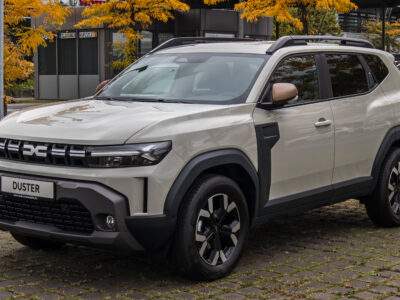
Dacia Duster Reliability: The Real Story Behind This Budget SUV
Leave a Reply
More content of your interest