

Which Honda CR-V Engine Is Better? A Real-World Breakdown for Smart Buyers

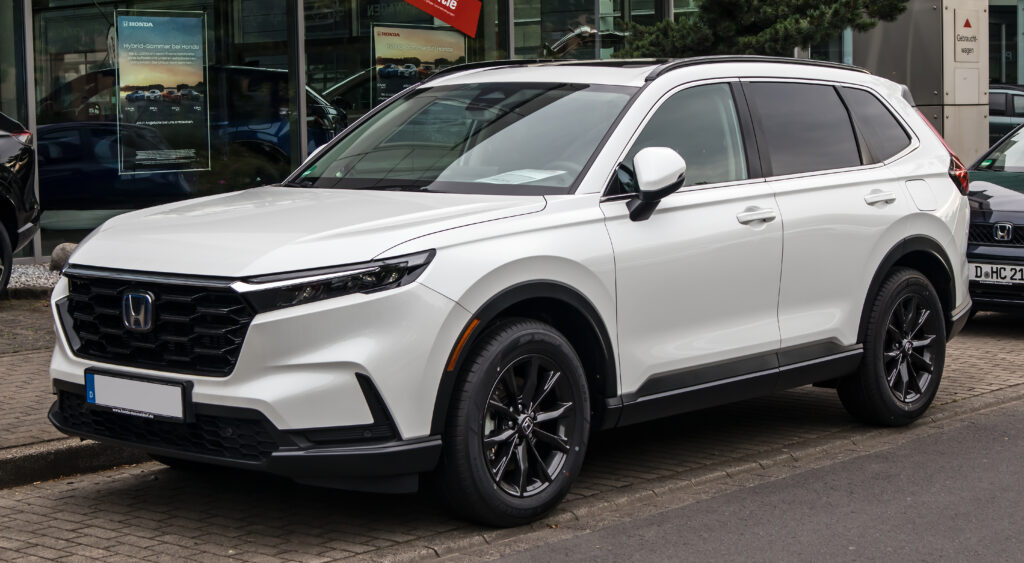
Choosing the right engine can feel like picking the heart of your car. Get it right, and everything just works. Get it wrong, and you’re stuck wondering “why does this feel… off?”
The Honda CR-V has earned its reputation as one of the most dependable, sensible, and quietly brilliant SUVs on the road. But here’s the catch: not all CR-V engines are created equal. Some are built for longevity, others for efficiency, and a few sit right in the sweet spot between power and peace of mind.
So today, we’re answering the big question honestly and clearly: which Honda CR-V engine is better—and better for you?
We’ll walk through every major engine Honda has offered, explain real-world pros and cons, and help you match the engine to your driving life. No fluff. No hype. Just practical clarity.
Content in this publication
- Understanding the Honda CR-V Engine Lineup
- The Early Naturally Aspirated Engines: Old-School Dependability
- The 2.4L i-VTEC: The Reliability Champion
- The Shift to Turbocharging: Honda’s 1.5L Turbo Era
- Real-World Performance of the 1.5L Turbo
- Is the 1.5L Turbo Reliable Long-Term?
- Honda CR-V Hybrid: The Efficiency King
- Hybrid vs Gas: Which Engine Wins Daily Driving?
- Engine Comparison at a Glance
- Which Honda CR-V Engine Is Best for Longevity?
- Which Engine Is Best for Fuel Economy?
- Which Engine Feels the Most Powerful?
- Best Engine for City Driving
- Best Engine for Highway Driving
- Used vs New CR-V: Engine Choice Matters
- Maintenance Costs by Engine Type
- Our Verdict: Which Honda CR-V Engine Is Better?
- Final Thoughts: Choose the Engine, Choose the Experience
- Frequently Asked Questions
Understanding the Honda CR-V Engine Lineup
Before we crown a winner, we need context. Over the years, Honda has equipped the CR-V with several engines that reflect changing priorities—reliability, emissions, fuel economy, and performance.
A Quick Timeline of CR-V Engines
- Naturally aspirated 4-cylinders (early generations)
- i-VTEC engines (balance and longevity)
- Turbocharged 1.5L engines (efficiency and torque)
- Hybrid powertrains (modern economy kings)
Each has strengths. Each has trade-offs.
The Early Naturally Aspirated Engines: Old-School Dependability
2.0L and 2.4L Non-Turbo Engines (1997–2014)
If engines had personalities, these would be the calm, reliable friend who always shows up on time.
Why These Engines Still Matter
- Simple mechanical design
- No turbochargers
- Proven long-term durability
The 2.4L i-VTEC engine, in particular, became a legend for a reason.
Key Strengths
- Regularly exceed 200,000 miles
- Low maintenance costs
- Predictable power delivery
Weak Points
- Older models had oil consumption issues
- Less fuel-efficient than modern engines
- Feels underpowered by today’s standards
The 2.4L i-VTEC: The Reliability Champion
Why Many Owners Still Swear by It
Ask long-time CR-V owners which engine they trust most, and this one comes up again and again.
What Makes It Special
- Naturally aspirated = fewer failure points
- Strong internal components
- Tolerates imperfect maintenance better than turbos
Best For
- Long-term ownership
- Used car buyers
- Drivers who value peace over performance
Think of it as the engine that refuses to die.
The Shift to Turbocharging: Honda’s 1.5L Turbo Era
1.5L Turbocharged Engine (2017–Present)
Honda didn’t add a turbo just for fun. This engine was designed to meet modern emissions standards while improving fuel economy and drivability.
Why Honda Introduced It
- Better MPG
- Strong low-end torque
- Lighter engine = better handling
And on paper? It looks fantastic.
Real-World Performance of the 1.5L Turbo
How It Feels Behind the Wheel
This engine feels lively. It doesn’t scream power, but it pulls confidently in daily driving.
You may be interested in reading Jeep Wrangler Alternatives: Real Options for Real Adventures
Performance Highlights
- Quick city acceleration
- Smooth highway cruising
- Excellent fuel efficiency
But Here’s the Catch…
Some early versions experienced:
- Oil dilution issues
- Cold-weather performance concerns
- Higher long-term maintenance sensitivity
Honda addressed many of these, but reputation lingers.
Is the 1.5L Turbo Reliable Long-Term?
Short Answer: Yes—with Conditions
This engine rewards proper maintenance.
What It Needs
- Frequent oil changes
- Quality fuel
- Regular software updates
Neglect it, and problems can snowball. Treat it well, and it performs admirably.
Honda CR-V Hybrid: The Efficiency King
2.0L Hybrid Powertrain (2017–Present)
Now we’re in modern territory.
This setup combines:
- A 2.0L naturally aspirated engine
- Electric motors
- Regenerative braking
Why It’s Special
- Minimal stress on the engine
- Outstanding fuel economy
- Surprisingly smooth driving experience
Hybrid vs Gas: Which Engine Wins Daily Driving?
Let’s Compare Real-Life Use
Hybrid Advantages
- Lower fuel costs
- Quiet operation
- Reduced engine wear
Hybrid Drawbacks
- Higher upfront cost
- Battery replacement anxiety (rare but real)
- Less engaging for spirited drivers
For commuters? It’s brilliant.
For enthusiasts? Maybe not.
Engine Comparison at a Glance
Quick Breakdown
- 2.4L i-VTEC – Best reliability
- 1.5L Turbo – Best balance of power and MPG
- 2.0L Hybrid – Best fuel efficiency and urban driving
No single engine wins everything—but one may win for you.
Which Honda CR-V Engine Is Best for Longevity?
Longevity Crown Goes To…
The 2.4L i-VTEC
Why?
- Fewer components
- Lower heat stress
- Decades of real-world proof
If you plan to keep your CR-V forever, this is the safest bet.
Which Engine Is Best for Fuel Economy?
Clear Winner
The Hybrid
But the 1.5L Turbo isn’t far behind—especially on highways.
You may be interested in readingJeep Wrangler Alternatives: Real Options for Real AdventuresYou may be interested in reading
 Jeep Wrangler 4xe Reliability: The Truth Behind the Plug-In Icon
Which Engine Feels the Most Powerful?
Power vs Feel
- Turbo delivers instant torque
- Hybrid delivers smooth acceleration
- Older engines feel slower but predictable
Power isn’t just numbers—it’s how it feels.
Best Engine for City Driving
Urban Winner
Hybrid
Stop-and-go traffic is where electric motors shine. Less stress. Less fuel. More calm.
Best Engine for Highway Driving
Highway Hero
1.5L Turbo
Efficient cruising with just enough punch for overtakes.
Used vs New CR-V: Engine Choice Matters
Buying Used?
- 2.4L i-VTEC is safest
- Fewer unknowns
Buying New?
- Hybrid for efficiency
- Turbo for balanced performance
Maintenance Costs by Engine Type
What to Expect
- 2.4L – Lowest long-term costs
- 1.5L Turbo – Moderate, maintenance-sensitive
- Hybrid – Low routine costs, rare high-cost components
Our Verdict: Which Honda CR-V Engine Is Better?
The Honest Answer
There is no universal “best”—only the best match.
- Want bulletproof reliability? 2.4L i-VTEC
- Want modern efficiency with pep? 1.5L Turbo
- Want maximum MPG and smoothness? Hybrid
The smartest engine is the one that fits your life.
Final Thoughts: Choose the Engine, Choose the Experience
An engine isn’t just a spec—it’s a personality. It shapes how the CR-V feels every morning, every road trip, every commute.
Choose wisely, maintain it well, and the Honda CR-V will do what it’s always done best: quietly take care of you.
Frequently Asked Questions
Is the Honda CR-V 1.5 turbo engine reliable?
Yes, when properly maintained. Regular oil changes are critical.
Which CR-V engine lasts the longest?
The 2.4L naturally aspirated engine has the strongest longevity record.
Is the CR-V hybrid worth it?
Absolutely for city drivers and fuel-conscious owners.
No, regular fuel is sufficient.
You may be interested in readingJeep Wrangler Alternatives: Real Options for Real AdventuresYou may be interested in reading
Jeep Wrangler 4xe Reliability: The Truth Behind the Plug-In IconYou may be interested in reading
 Jeep Wrangler Engine Swap: The Ultimate Guide to Power, Performance, and Personality
Which CR-V engine has the lowest maintenance costs?
The 2.4L i-VTEC typically costs the least to maintain.
If you want to know other articles similar to Which Honda CR-V Engine Is Better? A Real-World Breakdown for Smart Buyers you can visit the category Blog.
Volvo XC60 Quality: A Deep Dive Into Premium Craftsmanship and Everyday Excellence
Volvo XC60 Reliability by Year: The Complete Owner’s Guide
Which Ford Kuga Engine Is Best? The Ultimate Buyer’s Guide
Pros and Cons Mazda CX-30: The Real-World Ownership Breakdown
Peugeot 308 Years to Avoid: The Ultimate Buyer’s Guide

Dacia Duster Reliability: The Real Story Behind This Budget SUV
Leave a Reply
More content of your interest