

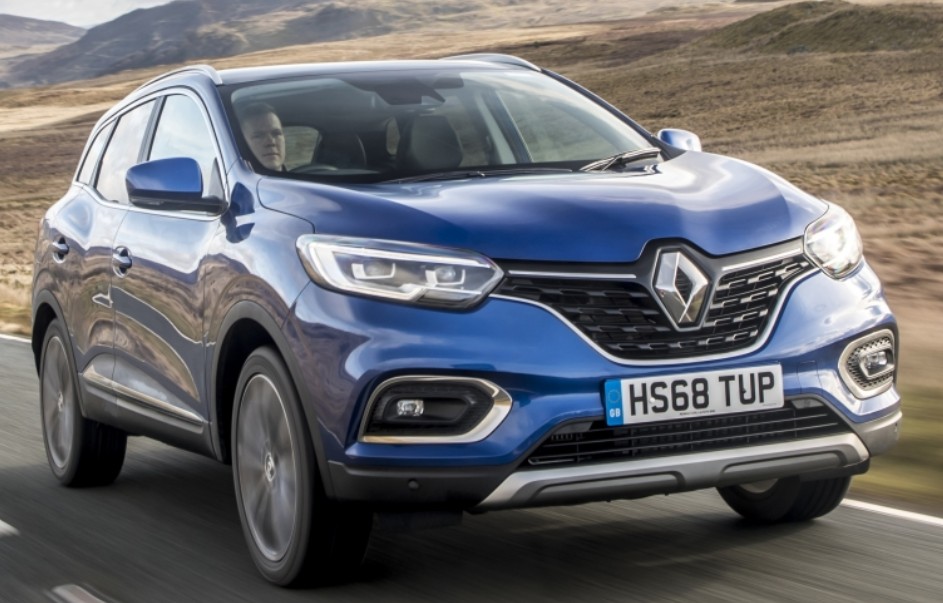
Renault Kadjar 1.5 dCi Reliability: The Honest, No-Nonsense Guide

Content in this publication
- Why Everyone Keeps Asking About the Kadjar 1.5 dCi
- Understanding the Heart: What Is the 1.5 dCi Engine?
- The Big Question: Is It Reliable?
- Real-World Reliability: What Owners Actually Experience
- Common Problems You Should Know
- Maintenance: The Make-or-Break Factor
- Driving Style Matters More Than You Think
- Fuel Economy: A Hidden Strength
- How It Compares to Petrol Alternatives
- Longevity: How Long Can It Really Last?
- Model Years: Are Some Better Than Others?
- Cost of Ownership: Is It Cheap to Run?
- Is It a Good Choice for You?
- Expert Verdict: Reliable or Risky?
- Tips to Maximize Reliability
- Final Thoughts: Should We Trust It?
- Conclusion
- FAQs
Why Everyone Keeps Asking About the Kadjar 1.5 dCi
Let’s be real—when we talk about compact SUVs that quietly did their job without screaming for attention, the Renault Kadjar often slips under the radar. But hidden beneath its understated styling lies a question that keeps popping up:
Is the 1.5 dCi engine actually reliable?
We’re diving deep into that—no fluff, no recycled opinions. Just real-world insight, patterns, and what ownership actually feels like.
Understanding the Heart: What Is the 1.5 dCi Engine?
A Proven Diesel Workhorse
The Renault 1.5 dCi engine isn’t new. In fact, it’s one of the most widely used diesel engines in Europe, powering everything from hatchbacks to vans.
Think of it as the “Swiss Army knife” of diesel engines—versatile, efficient, and surprisingly durable when treated right.
Key Specs at a Glance
- Engine size: 1.5 liters
- Power: 110–115 hp (depending on variant)
- Torque: Around 260 Nm
- Fuel type: Diesel
- Drive: FWD
Not mind-blowing numbers—but reliability isn’t about horsepower, it’s about consistency over time.
The Big Question: Is It Reliable?
Short Answer: Yes—But With Conditions
We’ll be honest:
The Kadjar 1.5 dCi is generally reliable, but not bulletproof.
It’s like a marathon runner—great endurance, but only if you feed and maintain it properly.
Real-World Reliability: What Owners Actually Experience
The Good Stuff
- Engines often last 200,000+ km with proper care
- Excellent fuel economy (one of the best in class)
- Smooth, refined driving for a diesel
- Low emissions for its generation
The Not-So-Great
- Sensitive to poor maintenance
- Some recurring issues (we’ll cover them)
- Not ideal for short city trips
Common Problems You Should Know
1. Injector Issues
Injectors are like the engine’s heartbeat—if they fail, everything suffers.
Symptoms:
- Rough idle
- Hard starting
- Black smoke
Why it happens:
- Low-quality diesel
- Dirty fuel system
2. EGR Valve Clogging
The EGR (Exhaust Gas Recirculation) system helps reduce emissions—but it also loves to clog.
Signs:
- Loss of power
- Engine warning light
- Poor fuel efficiency
Reality check:
If you mostly drive short distances, this problem becomes more likely.
3. DPF (Diesel Particulate Filter) Issues
The DPF is like a filter that needs to “breathe.”
You may be interested in reading Renault Kadjar Automatic Gearbox Problems: The Hidden Truth Every Owner Should Know
Problem:
It clogs if you don’t drive long enough for regeneration.
Solution:
- Occasional highway driving
- Avoid constant stop-and-go usage
4. Turbo Wear (Less Common but Possible)
The turbo adds efficiency—but it’s also a stress point.
Watch for:
- Whistling noises
- Power loss
- Blue smoke
Maintenance: The Make-or-Break Factor
If You Ignore This, Don’t Blame the Engine
Let’s be blunt—the 1.5 dCi isn’t forgiving if you skip maintenance.
Essential Maintenance Checklist
- Oil change every 10,000–15,000 km
- Use high-quality diesel fuel
- Replace fuel filter regularly
- Allow engine to warm up before pushing it
- Let turbo cool down before turning off
Driving Style Matters More Than You Think
City vs Highway Use
Here’s where things get interesting:
| Driving Type | Reliability Impact |
|---|---|
| Short city trips | ❌ Bad (DPF & EGR issues) |
| Mixed driving | ✅ Good |
| Long highway runs | ⭐ Excellent |
If you’re only doing school runs and grocery trips… this engine might not love you back.
Where the Kadjar Truly Shines
The Kadjar 1.5 dCi is like a camel—it goes forever on very little fuel.
Average consumption:
- 4.5–5.0 L/100 km
That’s a huge win if you drive a lot.
How It Compares to Petrol Alternatives
Diesel vs Petrol: The Reliability Debate
Diesel (1.5 dCi):
- Better for long distances
- More efficient
- More complex systems
Petrol engines:
- Simpler
- Better for city use
- Slightly less efficient
Our take:
Choose diesel only if your driving habits justify it.
Longevity: How Long Can It Really Last?
The Numbers That Matter
- Well-maintained engines: 200,000–300,000 km
- Poorly maintained: issues before 120,000 km
It’s not magic—it’s maintenance.
Model Years: Are Some Better Than Others?
Early vs Later Versions
- 2015–2017 models: Some minor teething issues
- 2018+ facelift models: Improved reliability and refinement
If you’re buying used, later models are usually the safer bet.
You may be interested in readingRenault Kadjar Automatic Gearbox Problems: The Hidden Truth Every Owner Should KnowYou may be interested in reading
Is the Renault Kadjar a Good Car? A Real-World Deep DiveCost of Ownership: Is It Cheap to Run?
Maintenance Costs Breakdown
- Oil service: Moderate
- Injectors: Expensive if they fail
- DPF replacement: Costly
- General upkeep: Affordable
Overall verdict:
Cheap if maintained, expensive if neglected.
Is It a Good Choice for You?
Ideal Buyer Profile
This engine suits you if:
- You drive long distances regularly
- You want excellent fuel economy
- You maintain your car properly
Not Ideal If You:
- Only drive short city trips
- Skip servicing
- Want a “zero-maintenance” engine
Expert Verdict: Reliable or Risky?
The Balanced Truth
The Renault Kadjar with the 1.5 dCi engine is:
- ✅ Reliable when maintained
- ⚠️ Sensitive to driving habits
- ❌ Problematic if neglected
It’s not a fragile engine—but it’s not indestructible either.
Tips to Maximize Reliability
Do This and You’ll Be Fine
- Take it on highway drives weekly
- Use premium diesel occasionally
- Don’t ignore warning lights
- Stick to service intervals
- Drive it like it’s meant to be driven
Final Thoughts: Should We Trust It?
Here’s the thing…
The Kadjar 1.5 dCi isn’t flashy. It won’t impress your friends. It won’t win drag races.
But if you treat it right, it’ll quietly do its job—day in, day out—like a loyal companion that never complains.
And honestly? That kind of reliability is underrated.
Conclusion
So, is the Renault Kadjar 1.5 dCi reliable?
Yes—but only if you meet it halfway.
Think of it like a relationship. Give it attention, fuel it properly, and take it out on the open road—and it will reward you with years of dependable service.
Ignore it?
Well… it will remind you.
FAQs
1. Is the Renault Kadjar 1.5 dCi good for city driving?
Not really. It prefers longer journeys to avoid DPF and EGR issues.
2. How long does the 1.5 dCi engine last?
With proper maintenance, it can exceed 200,000 km easily.
3. Are injector problems common?
They can occur, especially with poor fuel quality or lack of maintenance.
You may be interested in readingRenault Kadjar Automatic Gearbox Problems: The Hidden Truth Every Owner Should KnowYou may be interested in reading
Is the Renault Kadjar a Good Car? A Real-World Deep DiveYou may be interested in reading
Are Renault Kadjar Reliable? The Honest, No-Nonsense Verdict4. Is the Kadjar 1.5 dCi expensive to maintain?
Generally affordable—until major components like DPF or injectors fail.
5. Should I buy a used Kadjar 1.5 dCi?
Yes, but only with full service history and preferably a later model year.
If you want to know other articles similar to Renault Kadjar 1.5 dCi Reliability: The Honest, No-Nonsense Guide you can visit the category Blog.
How to Reset the Oil Light on a Kia Sportage

Volvo S90 Reliability: Problems, Costs & Best Years
Is Haval Jolion a Good Car? Honest Review, Reliability, Pros and Cons
How to Start Haval Jolion With Spare Key: Complete Guide
How to Calculate Per Diem on an Auto Loan

How to Calculate the Residual Value of a Car
Leave a Reply
More content of your interest