

Subaru Crosstrek Check Engine Light: What It Means, Causes, and Fixes

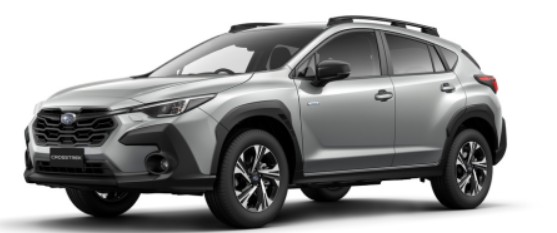
When that tiny amber icon flickers to life on your dashboard, it can feel like your Subaru Crosstrek is whispering a secret—or shouting a warning. The check engine light (CEL) is one of the most misunderstood signals in modern vehicles. It’s vague, sometimes intimidating, yet incredibly important.
Let’s break it down together. No fluff, no robotic jargon—just a clear, human-friendly guide to what’s really going on under the hood.
Content in this publication
- Understanding the Check Engine Light
- Common Causes of a Subaru Crosstrek Check Engine Light
- Subaru Crosstrek-Specific Issues to Watch For
- What Should You Do When the Light Comes On?
- How to Diagnose the Problem
- Cost of Fixing a Check Engine Light Issue
- Preventing Future Check Engine Lights
- Dashboard Lights vs Check Engine Light
- Can You Reset the Check Engine Light?
- When the Check Engine Light Comes Back
- Is It Safe to Ignore the Check Engine Light?
- Real-World Scenario: What We’ve Seen
- Closing Thoughts: Listen to Your Crosstrek
- FAQs
- Summary
Understanding the Check Engine Light
What Does the Check Engine Light Actually Mean?
The check engine light is part of your car’s onboard diagnostics system, commonly known as OBD-II system. Think of it as your car’s internal health monitor.
When something isn’t quite right—whether it’s minor or serious—the system stores an error code and lights up that little icon.
Solid vs Flashing: Why It Matters
- Solid light: Usually a non-urgent issue (but still important)
- Flashing light: A serious problem, often related to engine misfires—stop driving ASAP
A flashing light is your Crosstrek’s version of yelling, “Hey, we’ve got a problem—now!”
Common Causes of a Subaru Crosstrek Check Engine Light
Loose or Faulty Gas Cap
Let’s start simple. Sometimes, the issue is as minor as a loose gas cap.
- Causes fuel vapor leaks
- Triggers emissions-related warnings
- Easy fix: tighten or replace
It’s like leaving your fridge door slightly open—nothing catastrophic, but definitely not ideal.
Oxygen Sensor Failure
Your oxygen sensor monitors the air-fuel mixture. If it fails:
- Fuel efficiency drops
- Emissions increase
- Engine performance suffers
Ignoring this can lead to bigger problems, like damaging the catalytic converter.
Catalytic Converter Problems
The Catalytic converter is crucial for reducing harmful emissions.
Common symptoms:
- Reduced acceleration
- Poor fuel economy
- Sulfur-like smell (rotten eggs)
Replacing one isn’t cheap, so catching issues early matters.
Mass Air Flow (MAF) Sensor Issues
This sensor measures how much air enters the engine.
If it fails:
- Engine may stall
- Rough idling
- Poor fuel efficiency
It’s like your engine is breathing through a clogged mask.
Spark Plug or Ignition Coil Problems
Faulty ignition components can lead to:
- Engine misfires
- Difficulty starting
- Reduced power
And yes—this is often when the check engine light starts flashing.
EVAP System Leaks
The Evaporative emission control system prevents fuel vapors from escaping.
Leaks can trigger the CEL due to:
- Cracked hoses
- Faulty valves
- Loose connections
Subaru Crosstrek-Specific Issues to Watch For
The Continuously Variable Transmission used in the Crosstrek can sometimes trigger engine-related warnings.
- Overheating sensors
- Fluid degradation
- Software glitches
Subaru Boxer Engine Quirks
The Crosstrek’s Subaru Boxer engine is unique.
While reliable, it can show CELs due to:
- Oil consumption irregularities
- Sensor sensitivities
- Cold-start emissions quirks
What Should You Do When the Light Comes On?
Step-by-Step Action Plan
- Stay calm
- Check the gas cap
- Observe performance changes
- Scan for codes
- Decide urgency
Should You Keep Driving?
- Safe to drive: If the car runs normally and the light is solid
- Stop immediately: If flashing or performance drops significantly
Driving with a flashing CEL is like running a marathon with a broken ankle—not smart.
How to Diagnose the Problem
Using an OBD-II Scanner
Plug in a scanner to retrieve diagnostic trouble codes (DTCs).
Common codes include:
- P0420 (Catalytic efficiency)
- P0171 (Lean mixture)
- P0300 (Random misfire)
Professional Diagnosis vs DIY
DIY Pros:
- Saves money
- Quick insights
DIY Cons:
- Misinterpretation risk
- Limited tools
Professional Pros:
- Accurate diagnosis
- Advanced tools
Cost of Fixing a Check Engine Light Issue
Typical Repair Costs
- Gas cap: $10–$30
- Oxygen sensor: $100–$300
- MAF sensor: $150–$400
- Catalytic converter: $800–$2,500+
- Ignition coils: $200–$600
Prices vary depending on labor and location.
Preventing Future Check Engine Lights
Smart Maintenance Habits
- Regular oil changes
- Use quality fuel
- Replace filters on time
- Keep sensors clean
Routine Checks We Often Forget
- Tightening gas cap
- Inspecting hoses
- Updating ECU software
Sometimes prevention is just paying attention.
Dashboard Lights vs Check Engine Light
Don’t Confuse These Signals
- Oil pressure light
- Battery warning
- Temperature warning
Each tells a different story—don’t lump them together.
Can You Reset the Check Engine Light?
Temporary Reset Methods
- Disconnect battery
- Use scanner
But remember: resetting doesn’t fix the root problem.
It’s like silencing a smoke alarm without putting out the fire.
When the Check Engine Light Comes Back
Recurring Issues Explained
If your CEL keeps returning:
- Underlying problem wasn’t fixed
- Multiple issues exist
- Faulty sensor
Time for deeper diagnostics.
Is It Safe to Ignore the Check Engine Light?
Short answer: no.
Even minor issues can snowball into expensive repairs. That little light? It’s your early warning system—ignore it at your wallet’s peril.
Real-World Scenario: What We’ve Seen
Picture this:
You’re cruising through the city, music playing, everything feels smooth. Suddenly—ding—the CEL appears. No noise, no smoke, just that quiet warning.
You ignore it for a week.
Then:
- Fuel economy drops
- Engine feels sluggish
- Repair bill doubles
Sound familiar?
Closing Thoughts: Listen to Your Crosstrek
Your Subaru Crosstrek isn’t trying to ruin your day—it’s trying to protect itself (and you).
Treat the check engine light like a conversation starter, not an inconvenience. The sooner you listen, the easier—and cheaper—the fix usually is.
FAQs
1. Can a check engine light turn off by itself?
Yes, if the issue resolves temporarily. But stored codes may remain.
2. How long can I drive with the light on?
If solid, short-term driving is usually fine. If flashing—stop immediately.
3. Does the check engine light affect fuel economy?
Absolutely. Many CEL triggers reduce efficiency.
4. Can bad fuel cause the light?
Yes, poor-quality fuel can trigger sensors and cause temporary warnings.
5. Is it expensive to diagnose the issue?
Basic scans are often free at auto parts stores, while professional diagnostics may cost $50–$150.
Summary
The check engine light in a Subaru Crosstrek isn’t a mystery—it’s a message. Whether it’s a loose gas cap or something more serious, understanding the cause is the key to avoiding bigger problems. Stay proactive, listen to your vehicle, and don’t ignore the warning signs.
If you want to know other articles similar to Subaru Crosstrek Check Engine Light: What It Means, Causes, and Fixes you can visit the category Service and Parts.
Kia Sorento Service Reset: How to Reset the Service Light
Kia Sorento Fuel Tank Capacity: Gallons, Litres and Model Differences
Kia Sorento Tyre Pressure: Recommended PSI, Bar and Complete Guide
Kia Sorento Boot Space: How Much Luggage Space Does It Really Have?
Kia Sorento Towing Capacity: How Much Can a Sorento Tow?

Honda Passport Payload Capacity: How Much Weight Can It Carry?
Leave a Reply
More content of your interest