

Subaru Crosstrek Engine Options: A Complete Guide to Power, Efficiency, and Real-World Driving

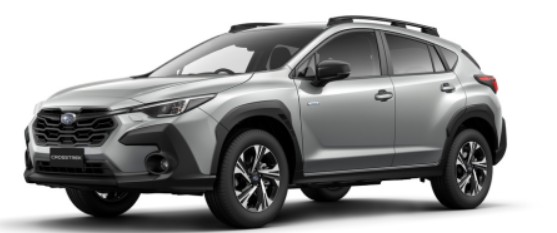
When we talk about compact crossovers that blend rugged charm with everyday usability, the Subaru Crosstrek always sneaks into the conversation. But here’s the thing—while its outdoorsy image steals the spotlight, the real story lives under the hood.
So, what engine options does the Crosstrek actually offer? Are they exciting, efficient, or just… enough? Let’s unpack everything, from horsepower figures to real-world driving feel, and figure out which engine truly fits your lifestyle.
Content in this publication
- Understanding the Subaru Crosstrek Philosophy
- What Engines Are Available in the Subaru Crosstrek?
- The Signature Subaru Boxer Engine Explained
- 2.0L Engine: The Entry-Level Workhorse
- 2.5L Engine: The Sweet Spot for Most Drivers
- Hybrid Engine Option: Efficiency Meets Innovation
- Transmission Pairings: CVT and Beyond
- How Engine Choice Affects Fuel Economy
- Performance Comparison: 2.0L vs 2.5L vs Hybrid
- Off-Road Capability and Engine Performance
- Reliability of Subaru Crosstrek Engines
- Maintenance Costs and Ownership
- Which Engine Should You Choose?
- Future of Subaru Crosstrek Engines
- Driving Experience: More Than Just Numbers
- Closing Thoughts: Finding Your Perfect Match
- FAQs
Understanding the Subaru Crosstrek Philosophy
Before we dive into specs, let’s set the tone.
Subaru doesn’t build engines to impress on paper—they build them to last, to handle snow, mud, and the unexpected detours life throws our way. That’s why every Crosstrek engine is built around:
- Balance (thanks to the boxer layout)
- All-weather confidence (paired with AWD)
- Long-term durability
It’s not about brute force—it’s about usable power.
What Engines Are Available in the Subaru Crosstrek?
Across generations, the Crosstrek has featured three main engine types:
- 2.0L naturally aspirated boxer engine
- 2.5L naturally aspirated boxer engine
- Plug-in hybrid powertrain
Each brings its own personality to the road.
The Signature Subaru Boxer Engine Explained
Why Subaru Uses Boxer Engines
Unlike traditional inline engines, Subaru uses a horizontally opposed layout—also known as a boxer engine.
Key Benefits of the Boxer Design
- Lower center of gravity → better handling
- Reduced vibration → smoother driving
- Balanced weight distribution → improved stability
Think of it like a tightrope walker holding a pole—the engine keeps the car steady, even when conditions get tricky.
2.0L Engine: The Entry-Level Workhorse
Core Specs of the 2.0L Engine
- Engine: 2.0L flat-4 (boxer)
- Power: ~152 horsepower
- Torque: ~145 lb-ft
- Transmission: CVT or manual (older models)
What It Feels Like on the Road
This engine isn’t trying to win drag races. Instead, it’s designed for:
- Daily commuting
- Light adventures
- Fuel efficiency
Pros of the 2.0L Engine
- Excellent fuel economy
- Lower purchase cost
- Proven reliability
Cons to Keep in Mind
- Can feel underpowered on highways
- Slower acceleration when fully loaded
If we’re honest, this engine is like a dependable friend—never flashy, but always there when you need it.
2.5L Engine: The Sweet Spot for Most Drivers
Core Specs of the 2.5L Engine
- Engine: 2.5L flat-4 (boxer)
- Power: ~182 horsepower
- Torque: ~178 lb-ft
Why This Engine Changed the Game
When Subaru introduced the 2.5L option, it felt like the Crosstrek finally exhaled. That extra power transforms the driving experience.
Real-World Driving Benefits
- Faster highway merging
- Better overtaking capability
- Improved performance with cargo or passengers
Who Should Choose the 2.5L?
- Drivers who travel long distances
- People living in mountainous regions
- Anyone who found the 2.0L a bit… sleepy
This is the engine that makes the Crosstrek feel complete.
Hybrid Engine Option: Efficiency Meets Innovation
Overview of the Crosstrek Hybrid
The hybrid variant combines:
- 2.0L engine
- Electric motor
- Rechargeable battery
Key Highlights
- Electric-only driving capability (short distances)
- Lower fuel consumption
- Reduced emissions
Where It Shines
- City driving
- Stop-and-go traffic
- Eco-conscious lifestyles
Limitations to Consider
- Higher upfront cost
- Limited electric range
- Less cargo space due to battery placement
The hybrid is like a quiet thinker—efficient, subtle, and forward-looking.
Transmission Pairings: CVT and Beyond
Every engine pairs with a Continuously Variable Transmission (CVT) in modern models.
What Does the CVT Do?
- Keeps the engine in its optimal power band
- Improves fuel efficiency
- Delivers smoother acceleration
Driving Feel
Some drivers love it, others miss traditional gear shifts—but it undeniably enhances efficiency.
How Engine Choice Affects Fuel Economy
Estimated MPG by Engine
- 2.0L: ~28–33 MPG
- 2.5L: ~27–32 MPG
- Hybrid: ~35+ MPG (combined)
Real-Life Insight
In everyday driving, the difference isn’t massive—but the hybrid clearly leads in urban environments.
Performance Comparison: 2.0L vs 2.5L vs Hybrid
Quick Comparison Table
| Feature | 2.0L | 2.5L | Hybrid |
|---|---|---|---|
| Power | Moderate | Strong | Balanced |
| Efficiency | High | Good | Excellent |
| Driving Feel | Calm | Responsive | Smooth |
| Best Use | City | Mixed driving | Urban eco |
Off-Road Capability and Engine Performance
Let’s not forget—the Crosstrek isn’t just a city car.
How Engines Impact Off-Road Driving
- 2.0L: Capable, but needs patience
- 2.5L: More confident on steep trails
- Hybrid: Less ideal for rugged terrain
X-Mode and AWD Integration
All engines benefit from Subaru’s AWD system, making traction more important than raw power.
Reliability of Subaru Crosstrek Engines
Subaru engines are known for longevity.
What Makes Them Reliable?
- Simple, naturally aspirated design
- Fewer turbo-related issues
- Strong engineering heritage
Common Considerations
- Regular oil changes are essential
- CVT maintenance matters
- Boxer engines require proper servicing
Treat it well, and it’ll reward you for years.
Maintenance Costs and Ownership
Average Maintenance Expectations
- Moderate servicing costs
- Good parts availability
- Strong resale value
Long-Term Value
The Crosstrek holds its value well—especially with the 2.5L engine.
Which Engine Should You Choose?
Let’s simplify it.
Choose the 2.0L If You:
- Prioritize fuel economy
- Mostly drive in the city
- Want a lower upfront cost
Choose the 2.5L If You:
- Want better performance
- Drive on highways often
- Need versatility
Choose the Hybrid If You:
- Want maximum efficiency
- Drive mostly in urban areas
- Care about emissions
Future of Subaru Crosstrek Engines
Subaru is slowly moving toward electrification.
What We Expect
- More hybrid options
- Potential fully electric Crosstrek
- Improved efficiency across all engines
The future isn’t just powerful—it’s smarter.
Driving Experience: More Than Just Numbers
Numbers tell part of the story—but how does it feel?
- The 2.0L feels calm and predictable
- The 2.5L feels alive and responsive
- The hybrid feels smooth and futuristic
Each engine shapes the personality of the Crosstrek in its own way.
Closing Thoughts: Finding Your Perfect Match
Choosing the right engine isn’t about picking the “best” one—it’s about picking the right one for you.
The Subaru Crosstrek doesn’t try to be everything. Instead, it quietly excels at being dependable, versatile, and ready for whatever road—or trail—you throw at it.
And honestly? That’s what makes it special.
FAQs
1. Is the 2.0L engine underpowered?
For highway driving, it can feel a bit slow, but for city use, it’s perfectly adequate.
2. Is the 2.5L engine worth the upgrade?
Yes, especially if you want better acceleration and overall driving confidence.
3. Does the Crosstrek hybrid save money?
It can, particularly if you drive mostly in the city and take advantage of electric driving.
4. Are Subaru boxer engines reliable?
Yes, they are known for durability when properly maintained.
5. Will Subaru offer a fully electric Crosstrek?
While not confirmed, it’s likely as Subaru expands its EV lineup.
If you want to know other articles similar to Subaru Crosstrek Engine Options: A Complete Guide to Power, Efficiency, and Real-World Driving you can visit the category Service and Parts.
Volvo S90 Engine Oil: Type, Capacity & Change Guide
Volvo S90 Boot Space: Size, Capacity and Practicality
SEO Title: Volvo S90 Oil Capacity: Complete Guide by Engine

Kia Sorento Oil Type: Complete Guide by Year & Engine
Kia Sorento Engine Capacity: Complete Guide by Year
Peugeot 308 Clutch Replacement Cost: Complete UK Guide for 2026
Leave a Reply
More content of your interest