

Vauxhall Antara Dashboard Lights: Complete Warning Symbol Guide

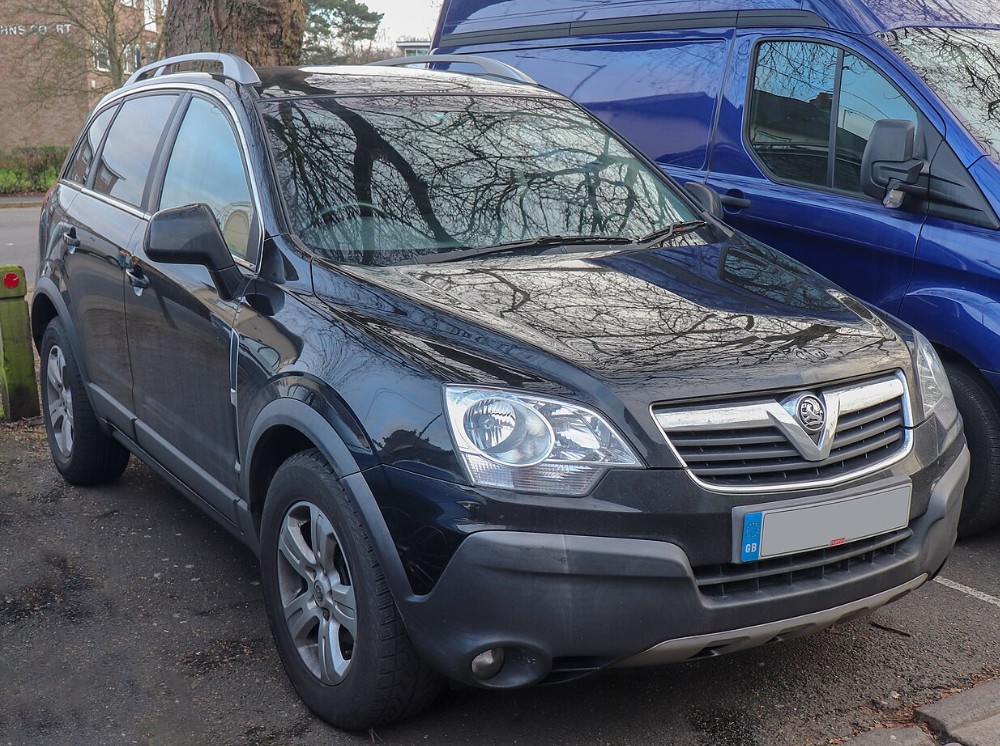
The Vauxhall Antara dashboard lights are your vehicle’s way of speaking to you. Some symbols quietly confirm that a system is working, while others shout that something needs immediate attention. The challenge? Many warning lights look like tiny hieroglyphics glowing behind the steering wheel.
We have all experienced that uneasy moment: a red or amber symbol appears, and suddenly every unusual engine sound seems ten times louder. Is it safe to continue driving? Should we pull over? Could it simply be a loose fuel cap?
Understanding these dashboard symbols can help us react calmly, avoid unnecessary repair bills, and prevent minor faults from turning into expensive mechanical problems. In this guide, we will explain the most common Vauxhall Antara warning lights, what their colours mean, what actions to take, and when professional diagnosis becomes essential.
Content in this publication
- Understanding Vauxhall Antara Dashboard Light Colours
- Vauxhall Antara Check Engine Light
- Vauxhall Antara Oil Pressure Warning Light
- Engine Oil Level or Service Warning
- Vauxhall Antara Coolant Temperature Warning Light
- Battery Charging System Warning Light
- Brake System Warning Light
- ABS Warning Light
- Electronic Stability Control Warning Light
- Traction Control Off Light
- Vauxhall Antara Airbag Warning Light
- Seat Belt Reminder Light
- Tyre Pressure Monitoring Warning Light
- Diesel Glow Plug Warning Light
- Diesel Particulate Filter Warning Light
- Fuel Filter Water Warning Light
- Low Fuel Warning Light
- Power Steering Warning Light
- Four-Wheel-Drive Warning Light
- Hill Descent Control Indicator
- Transmission Warning Light
- Cruise Control Dashboard Light
- High-Beam Headlight Indicator
- Fog Light Indicators
- Indicator and Hazard Warning Lights
- Door, Bonnet, and Tailgate Warning Lights
- Immobiliser or Security Warning Light
- Service Vehicle Soon Light
- Reduced Engine Power Warning
- Why Multiple Dashboard Lights Appear Together
- What to Do When a Warning Light Appears
- Can We Reset Vauxhall Antara Dashboard Lights?
- Common Reasons Dashboard Lights Return After Resetting
- How to Reduce Future Dashboard Warnings
- When Is It Safe to Keep Driving?
- Final Thoughts on Vauxhall Antara Dashboard Lights
- Frequently Asked Questions
- 1. What is the most serious Vauxhall Antara dashboard light?
- 2. Can I drive my Vauxhall Antara with the engine management light on?
- 3. Why are the ABS and traction control lights on together?
- 4. Why does the Vauxhall Antara DPF light keep returning?
- 5. Will disconnecting the battery reset dashboard warning lights?
Understanding Vauxhall Antara Dashboard Light Colours
Before examining individual symbols, we should understand the dashboard’s basic colour language. The colour often tells us how urgently we need to respond.
Red Dashboard Lights
A red warning light normally indicates a serious problem, a safety issue, or a condition requiring immediate action.
Common red warnings include:
- Low engine oil pressure
- Brake system failure
- Engine overheating
- Battery charging problems
- Seat belt reminders
- Airbag faults
- Open doors or tailgate
A red light does not always mean the engine is about to fail, but we should never ignore it. When a red symbol relates to oil pressure, brakes, temperature, or charging, stopping safely is usually the smartest move.
Amber or Yellow Dashboard Lights
Amber lights indicate that a system requires attention, although the vehicle may still be driveable.
Examples include:
- Check engine light
- ABS warning
- Electronic stability control fault
- Diesel particulate filter warning
- Tyre pressure warning
- Glow plug warning
- Traction control fault
Think of amber as the dashboard saying, “We can probably keep moving, but something needs checking soon.”
Green and Blue Dashboard Lights
Green and blue lights generally provide information rather than warning about faults.
They may show that the following features are active:
- Headlights
- Front fog lights
- Cruise control
- Direction indicators
- High-beam headlights
Blue is most commonly used for the high-beam indicator. Green usually confirms that a normal driving feature has been switched on.
Vauxhall Antara Check Engine Light
The check engine light, also known as the engine management light or malfunction indicator lamp, is one of the most important Vauxhall Antara dashboard lights.
It usually looks like a small engine outline and may appear in amber.
What a Steady Check Engine Light Means
A steady engine warning light suggests that the engine control unit has detected a fault. The Antara may continue to drive normally, or we might notice symptoms such as:
- Reduced performance
- Increased fuel consumption
- Rough idling
- Slow acceleration
- Difficulty starting
- Uneven engine operation
- Increased exhaust smoke
Possible causes range from a loose electrical connector to a failing sensor, ignition fault, emissions problem, or fuel-system issue.
A steady light usually allows us to drive carefully for a limited distance, provided the vehicle feels normal and no red warning lights appear. However, we should arrange a diagnostic scan as soon as practical.
What a Flashing Check Engine Light Means
A flashing engine management light is more urgent. It may indicate an active misfire capable of damaging the catalytic converter or diesel emissions system.
When the light flashes, we should:
- Reduce speed.
- Avoid hard acceleration.
- Move to a safe location.
- Switch off the engine if it runs badly.
- Arrange professional assistance.
Continuing to drive aggressively with a flashing engine light can turn a manageable ignition fault into a much more expensive exhaust-system repair.
Vauxhall Antara Oil Pressure Warning Light
The oil pressure warning resembles an old-fashioned oil can. It normally illuminates briefly when we turn on the ignition and goes out after the engine starts.
If it remains on while the engine is running, we should treat it seriously.
Why the Oil Pressure Light Appears
Possible causes include:
- Low engine oil level
- Incorrect oil viscosity
- Failing oil pump
- Blocked oil pickup
- Faulty pressure sensor
- Internal engine wear
- Oil leakage
The light refers to oil pressure, not simply oil quantity. Even when the dipstick shows enough oil, poor circulation may still starve vital engine components of lubrication.
What to Do When It Stays On
We should safely stop the vehicle, turn off the engine, and check the oil level after allowing the engine to settle.
If the oil level is low, we can add the correct grade of oil. If the warning remains illuminated after topping up, we should not continue driving.
An engine without adequate lubrication can suffer severe damage within a surprisingly short distance. Oil is the engine’s lifeblood; driving without pressure is like asking a runner to complete a marathon without circulation.
Engine Oil Level or Service Warning
Some Antara versions may display an oil-level or service-related message separate from the red oil pressure warning.
An oil-level notification may indicate that the engine requires additional oil but has not necessarily lost pressure. Even so, we should check the dipstick on level ground and follow the recommended filling procedure.
A service indicator may appear when routine maintenance is due. It does not always signal a mechanical fault, but delaying oil changes can lead to sludge buildup, turbocharger wear, timing-system issues, and poor engine performance.
Vauxhall Antara Coolant Temperature Warning Light
The coolant temperature light normally resembles a thermometer above waves. When it appears in red, the engine may be overheating.
Common Causes of Overheating
The warning can be triggered by:
- Low coolant
- Coolant leaks
- Radiator fan failure
- Thermostat problems
- Water pump failure
- Blocked radiator
- Damaged hoses
- Head gasket trouble
We may also notice steam, a sweet smell, reduced power, bubbling coolant, or a temperature gauge rising into the red zone.
How We Should Respond
We should turn off the air conditioning, reduce engine load, and stop safely as soon as possible. The engine should then be switched off and allowed to cool.
Never remove the coolant reservoir cap while the system is hot. Pressurised coolant can erupt like boiling water from a shaken kettle, causing serious burns.
Once the engine has cooled, we can inspect the coolant level. A repeated overheating warning requires professional diagnosis rather than repeated topping up.
Battery Charging System Warning Light
The red battery symbol does not necessarily mean the battery itself is defective. It indicates that the charging system is not supplying electricity correctly.
Possible causes include:
- Alternator failure
- Broken or slipping auxiliary belt
- Loose battery terminals
- Damaged wiring
- Faulty voltage regulator
- Weak battery
- Poor ground connection
If the light appears while driving, the Antara may continue running temporarily using stored battery power. However, once that power is exhausted, the engine can stop.
We should switch off unnecessary electrical equipment, including heated windows, high-powered audio systems, seat heaters, and climate controls. Then we should drive only as far as necessary to reach a safe location or repair facility.
If the steering becomes unusually heavy or the engine temperature begins rising at the same time, the auxiliary belt may have failed. In that case, stopping immediately is safer.
Brake System Warning Light
The red brake warning light may appear as an exclamation mark inside a circle, the word “BRAKE,” or a similar symbol.
It can indicate:
- The parking brake is engaged
- Brake fluid is low
- A hydraulic brake fault exists
- Brake pads are excessively worn
- A sensor or switch has failed
First, we should confirm that the parking brake is fully released. If the light remains on, the brake fluid level should be checked.
When the Brake Warning Becomes an Emergency
We should stop driving when the warning is accompanied by:
- A soft or sinking brake pedal
- Reduced braking power
- Grinding noises
- Fluid beneath the vehicle
- Pulling under braking
- Simultaneous ABS and brake warnings
Braking problems are not something we should “see how they go.” A vehicle that accelerates imperfectly is inconvenient; a vehicle that cannot stop correctly is dangerous.
ABS Warning Light
The amber ABS light indicates a fault in the anti-lock braking system.
The normal hydraulic brakes may continue to function, but ABS assistance could be unavailable during emergency braking. This means the wheels may lock when we brake hard, especially on wet, icy, or loose surfaces.
Common causes include:
- Dirty or damaged wheel-speed sensors
- Broken sensor wiring
- Damaged reluctor rings
- Low system voltage
- Faulty ABS control module
- Wheel-bearing problems
When the ABS and red brake warning lights appear together, the issue may be more serious. We should reduce speed, increase the distance from other vehicles, and arrange an inspection promptly.
Electronic Stability Control Warning Light
The stability control symbol usually shows a car with wavy skid marks beneath it.
Flashing Stability Control Light
A flashing light generally means the system is actively correcting wheel slip. We might see it while accelerating on snow, gravel, mud, or wet roads.
This is normal. The vehicle is attempting to keep us on the intended path.
Constant Stability Control Light
A light that stays on may indicate:
- The system has been manually disabled
- A wheel-speed sensor has failed
- The steering-angle sensor needs calibration
- The ABS system has a fault
- The stability control module is malfunctioning
The Antara may remain driveable, but electronic assistance could be limited. We should drive smoothly and avoid sudden steering or acceleration until the system is checked.
Traction Control Off Light
The traction control off indicator confirms that the system has been switched off, either manually or because of a fault.
There are situations where temporarily disabling traction control may help, such as attempting to free the vehicle from deep snow or mud. During normal road driving, however, keeping the system active generally improves stability.
If the light appears without pressing the traction control button, the vehicle may have detected an electronic problem.
Vauxhall Antara Airbag Warning Light
The airbag warning normally shows a seated person with a circle representing the airbag.
If it remains illuminated after startup, part of the supplemental restraint system may be disabled.
Possible causes include:
- Loose wiring beneath a seat
- Seat occupancy sensor failure
- Seat belt pretensioner fault
- Steering-wheel clock spring failure
- Airbag control module fault
- Low battery voltage
- Previous collision damage
The vehicle may still drive normally, but one or more airbags might not deploy correctly during an accident. In some faults, an airbag could also behave unpredictably.
We should not disconnect or probe airbag wiring casually. These systems use pyrotechnic components and should be inspected with suitable diagnostic equipment.
Seat Belt Reminder Light
The seat belt symbol is usually red and may be accompanied by a warning chime.
It indicates that the driver or a detected passenger has not fastened a seat belt. Sometimes the warning remains active even when everyone is buckled in.
Possible explanations include:
- A heavy bag placed on the passenger seat
- A faulty buckle switch
- A damaged seat occupancy sensor
- Wiring problems beneath the seat
Removing objects from the passenger seat may solve the issue. If the light continues despite properly fastened belts, the sensor system may need repair.
Tyre Pressure Monitoring Warning Light
The tyre pressure warning resembles a horseshoe-shaped tyre with an exclamation mark in the centre.
It may illuminate because:
- One or more tyres are underinflated
- A tyre has a puncture
- Temperature changes have lowered pressure
- A pressure sensor has failed
- Wheels were changed without compatible sensors
- The monitoring system requires relearning
What to Do When the TPMS Light Appears
We should inspect all tyres, including checking for nails, sidewall damage, and visible deflation. Pressures should be measured when the tyres are cold and adjusted according to the vehicle’s recommended specifications.
After correcting the pressure, the light may switch off after driving. Some versions may require a reset or sensor relearn procedure.
A flashing tyre pressure light followed by a steady warning often points to a system fault rather than simple underinflation.
Diesel Glow Plug Warning Light
Diesel Vauxhall Antara models use a glow plug symbol shaped like a small coil.
When we switch on the ignition in cold conditions, the light may appear briefly. We should wait until it goes out before starting the engine.
When the Glow Plug Light Signals a Fault
If the light flashes or remains on while driving, it may indicate:
- Failed glow plugs
- Glow plug relay problems
- Engine management faults
- Fuel injection issues
- EGR system trouble
- Sensor failure
- Wiring problems
Hard starting, rough cold running, excessive smoke, and poor performance may accompany the warning.
Although failed glow plugs may not stop a warm engine from running, they can make cold starts difficult and increase emissions.
Diesel Particulate Filter Warning Light
Diesel Antara models may display a DPF warning when soot accumulates in the particulate filter.
The filter normally cleans itself through regeneration, during which exhaust temperatures rise enough to burn away trapped soot. Repeated short journeys can interrupt this process.
Signs of a Partially Blocked DPF
We may notice:
- Reduced power
- Higher fuel consumption
- Cooling fan operation after stopping
- Increased idle speed
- A hot exhaust smell
- Engine management warnings
- Limp mode
Can We Clear the DPF Warning by Driving?
When the warning appears by itself and the vehicle otherwise runs normally, a sustained drive at operating temperature may allow regeneration to complete. We should follow the vehicle handbook and obey local traffic laws.
A typical regeneration drive may involve maintaining steady engine speed on an open road rather than repeatedly stopping in urban traffic.
If the light remains on, flashes, or appears with the check engine light, forced regeneration or repair may be necessary. Continuing to drive with a severely blocked DPF can damage the turbocharger, exhaust system, or engine oil.
Fuel Filter Water Warning Light
Some diesel models may warn that water has collected in the fuel filter.
Diesel fuel systems operate at extremely high pressure and require clean fuel. Water contamination may cause corrosion, poor running, injector damage, or starting problems.
The filter should be drained or replaced according to the correct procedure. Ignoring this warning is like allowing sand into a watch mechanism: the system may continue briefly, but damage can quietly spread.
Low Fuel Warning Light
The low fuel light normally appears as a fuel pump symbol.
Although this warning is familiar, repeatedly driving with very little fuel is not ideal. It can:
- Increase the risk of running out unexpectedly
- Cause fuel starvation on steep slopes
- Draw contaminants from the bottom of the tank
- Place additional strain on the fuel pump
- Make diesel systems difficult to restart after running dry
We should refuel promptly rather than treating the remaining range as a challenge.
Power Steering Warning Light
A steering wheel symbol with an exclamation mark may indicate a power steering fault.
Depending on the Antara’s system and the nature of the problem, the steering may become heavier than usual. Potential causes include:
- Low power steering fluid
- Hydraulic leakage
- Pump failure
- Belt problems
- Electrical faults
- Steering-angle sensor issues
If steering assistance is reduced, we should slow down and avoid tight manoeuvres. Heavy steering is especially noticeable at low speeds and can make parking or emergency avoidance more difficult.
Four-Wheel-Drive Warning Light
The Vauxhall Antara’s four-wheel-drive system may display a warning if the electronically controlled drivetrain detects a problem.
Possible causes include:
- Wheel-speed sensor faults
- Clutch coupling problems
- Differential issues
- Transfer system faults
- Overheating
- Wiring or control module problems
- Mismatched tyre sizes
Using tyres with different rolling circumferences can confuse or strain an all-wheel-drive system. Ideally, all four tyres should have compatible sizes, similar tread depths, and correct pressures.
If the AWD warning appears, the vehicle may operate primarily in front-wheel drive. We should avoid demanding off-road conditions, steep slippery surfaces, and heavy towing until the system has been inspected.
Hill Descent Control Indicator
The hill descent control light indicates that the system is active, available, unavailable, or faulty, depending on how the symbol appears.
Hill descent control helps maintain a controlled low speed on steep downhill surfaces without requiring constant brake input.
A flashing indicator may mean the system is operating. A steady warning may indicate that the selected conditions are unsuitable or that a fault exists.
We should remember that hill descent control supports the driver; it does not override the laws of grip. No dashboard system can create traction where the tyres have none.
Transmission Warning Light
An automatic transmission warning may appear as a gear symbol, a message, or an engine-management warning combined with poor shifting.
Symptoms can include:
- Harsh gear changes
- Delayed engagement
- Transmission slipping
- Limited gear selection
- Limp-home mode
- Failure to shift
- Unusual whining or clunking
Potential causes range from low transmission fluid and overheating to sensor failures, solenoid faults, wiring issues, or internal gearbox wear.
We should avoid hard acceleration, towing, or prolonged driving when the transmission behaves abnormally. Early diagnosis can sometimes prevent a relatively small electrical fault from becoming a major mechanical repair.
Cruise Control Dashboard Light
The cruise control symbol is normally green and indicates that the system is switched on or actively maintaining speed.
If cruise control refuses to engage, possible causes include:
- Brake pedal switch failure
- Clutch pedal switch failure
- ABS faults
- Engine management problems
- Steering-wheel control faults
- Low system voltage
Cruise control may be automatically disabled whenever another system detects a fault. In that situation, the missing cruise function may be a symptom rather than the main problem.
High-Beam Headlight Indicator
The blue headlight symbol confirms that the main-beam headlights are active.
This is not a fault warning, but it matters because high beams can dazzle approaching drivers. We should switch back to dipped headlights when approaching traffic, following another vehicle, or driving in well-lit areas.
If the indicator remains on when the stalk is in the dipped position, the switch, relay, or lighting circuit may require inspection.
Fog Light Indicators
The front fog light symbol is generally green, while the rear fog light indicator may appear amber.
Rear fog lights are extremely bright. They should be used only in seriously reduced visibility and switched off when conditions improve. Leaving them on in ordinary rain can blind following drivers and obscure the appearance of brake lights.
Indicator and Hazard Warning Lights
Green arrows flash when the direction indicators or hazard lights are active.
If one arrow flashes unusually quickly, a turn signal bulb may have failed. Other causes include:
- Incorrect replacement bulbs
- Poor bulb contacts
- Damaged wiring
- Trailer connection faults
- Lighting control module problems
A completely silent or non-flashing indicator may point to a fuse, switch, relay, or electrical issue.
Door, Bonnet, and Tailgate Warning Lights
These warning lights indicate that a door, the bonnet, or the tailgate is not fully closed.
Even when the panel looks shut, the light may remain on because of:
- A misaligned latch
- Dirt around the locking mechanism
- A faulty microswitch
- Damaged wiring
- A partially closed tailgate
- An object obstructing the seal
We should stop and inspect the relevant opening. An unsecured bonnet or tailgate can create a serious hazard, while an open-door signal may prevent central locking or keep interior lights illuminated.
Immobiliser or Security Warning Light
The immobiliser light may resemble a car with a key, a padlock, or a security symbol.
A flashing light while the vehicle is parked can be normal, showing that the anti-theft system is armed. However, if the engine does not start and the light remains on or flashes rapidly, the key may not be recognised.
Possible causes include:
- Weak key-fob battery
- Damaged transponder chip
- Faulty ignition antenna
- Immobiliser control fault
- Low vehicle battery voltage
- Key programming problems
Trying a spare key can help identify whether the issue lies with the key or the vehicle. Repeatedly cranking the engine rarely solves an immobiliser problem and may simply flatten the battery.
Service Vehicle Soon Light
The “service vehicle soon” warning can be confusing because it does not always mean routine servicing is due.
Depending on the Antara model, it may indicate an electronic or mechanical fault involving:
- Engine controls
- Transmission electronics
- Body control systems
- Lighting systems
- Sensors
- Four-wheel-drive components
A diagnostic scan is often required to identify the stored trouble code.
Routine service reminders are time- or mileage-based. A fault warning, by contrast, appears because a monitored system has detected something outside its expected range.
Reduced Engine Power Warning
A reduced power message means the vehicle has entered a protective operating mode, commonly called limp mode.
The engine control unit may limit acceleration to prevent further damage.
Causes can include:
- Turbocharger control faults
- Throttle body problems
- EGR valve failure
- DPF blockage
- Boost leaks
- Fuel pressure problems
- Sensor faults
- Overheating
We should avoid demanding acceleration or heavy loads. Switching the engine off and restarting may temporarily clear the condition, but it does not repair the underlying fault.
Why Multiple Dashboard Lights Appear Together
Several warning lights appearing at once can seem catastrophic, but one fault may trigger multiple systems.
For example, a failed wheel-speed sensor can potentially affect:
- ABS
- Traction control
- Stability control
- Hill descent control
- Four-wheel drive
- Cruise control
Likewise, low battery voltage can cause several electronic modules to report errors simultaneously.
This is why replacing parts based only on dashboard symbols can become expensive guesswork. Diagnostic codes, live sensor data, battery tests, and wiring checks help reveal the actual root cause.
What to Do When a Warning Light Appears
A sensible response can be divided into a few clear steps.
Step 1: Check the Colour
Red usually requires immediate attention. Amber means we should investigate soon. Green and blue are generally informational.
Step 2: Observe How the Vehicle Feels
We should pay attention to:
- Engine noise
- Steering effort
- Braking performance
- Smoke
- Smells
- Fluid leaks
- Temperature
- Power loss
- Gear changes
A warning accompanied by physical symptoms is more urgent than a light appearing alone.
Step 3: Stop Safely When Necessary
We should stop immediately when we see warnings involving:
- Oil pressure
- Overheating
- Serious brake failure
- Severe engine misfire
- Charging failure with rising temperature
- Sudden steering difficulty
Step 4: Consult the Vehicle Handbook
Symbols can vary by model year, engine, trim level, and market. The handbook provides information specific to the vehicle.
Step 5: Arrange a Diagnostic Scan
Modern vehicles store fault codes when monitored systems detect problems. A suitable diagnostic scan can narrow the issue down dramatically.
However, a code does not always identify the failed part directly. For example, an oxygen sensor code may result from an intake leak, wiring problem, fuel issue, or exhaust leak rather than a defective sensor.
Can We Reset Vauxhall Antara Dashboard Lights?
Some lights switch off automatically after the underlying issue has been corrected. Others require a scan tool, calibration procedure, or several successful driving cycles.
Disconnecting the battery may clear certain temporary warnings, but it is not a reliable repair method. It can also erase settings, reset learned values, and create additional electrical problems.
We should avoid clearing fault codes before recording them. Those codes are clues. Deleting them too early is like wiping away footprints before investigating where they lead.
Common Reasons Dashboard Lights Return After Resetting
A warning light may reappear because:
- The original fault was never repaired
- A replacement part is incompatible
- Wiring remains damaged
- A sensor requires calibration
- The system needs a relearn procedure
- The battery voltage is unstable
- Multiple faults are present
- The incorrect component was replaced
A reset only removes the warning temporarily. If the system detects the same fault again, the light returns.
How to Reduce Future Dashboard Warnings
We cannot prevent every electronic or mechanical fault, but consistent maintenance lowers the risk.
Useful habits include:
- Checking engine oil regularly
- Monitoring coolant levels
- Keeping tyre pressures correct
- Replacing weak batteries promptly
- Following service intervals
- Using the correct engine oil
- Avoiding repeated very short diesel journeys
- Investigating fluid leaks early
- Replacing damaged tyres in compatible sets
- Scanning intermittent warnings before they worsen
Preventive care may feel boring, but it is far cheaper than repairing an overheated engine, blocked DPF, damaged turbocharger, or neglected transmission.
When Is It Safe to Keep Driving?
We may continue cautiously when an amber light appears, the vehicle behaves normally, and the handbook does not instruct us to stop.
Even then, we should avoid:
- High speeds
- Hard acceleration
- Heavy towing
- Long journeys
- Remote routes
- Ignoring new noises or smells
We should not continue driving when a red mechanical warning appears or when braking, steering, engine temperature, oil pressure, or engine operation becomes unsafe.
Final Thoughts on Vauxhall Antara Dashboard Lights
The Vauxhall Antara dashboard lights are not random decorations or electronic nuisances. They are early-warning signals designed to protect the vehicle and its occupants.
Some lights simply confirm that the headlights or cruise control are active. Others warn about tyre pressure, emissions, or stability systems. A smaller group—particularly oil pressure, overheating, brake, and charging warnings—can demand immediate action.
The key is to respond according to colour, behaviour, and context. We should not panic at every amber symbol, but we should not cover the light with tape and hope for the best either. A dashboard warning is like smoke beneath a door: it may come from something minor, but checking early is always wiser than waiting for flames.
With calm observation, correct maintenance, and timely diagnostic testing, we can keep the Vauxhall Antara dependable and prevent a glowing dashboard symbol from becoming a much larger repair bill.
Frequently Asked Questions
1. What is the most serious Vauxhall Antara dashboard light?
The red oil pressure, brake system, and engine temperature lights are among the most serious. We should stop safely and switch off the engine when an oil pressure or overheating warning remains illuminated.
2. Can I drive my Vauxhall Antara with the engine management light on?
We may be able to drive a short distance when the light is steady and the vehicle runs normally. A flashing light, severe power loss, shaking, smoke, or unusual noises requires immediate attention.
3. Why are the ABS and traction control lights on together?
Both systems use information from wheel-speed sensors. A failed sensor, damaged wiring, faulty reluctor ring, or ABS module problem can activate both warnings simultaneously.
4. Why does the Vauxhall Antara DPF light keep returning?
The filter may not be completing regeneration due to short journeys, low exhaust temperatures, sensor faults, EGR problems, injector issues, or excessive soot accumulation. A diagnostic inspection may be required.
5. Will disconnecting the battery reset dashboard warning lights?
It may temporarily clear some lights, but it will not fix the cause. The warning often returns once the system detects the fault again. Disconnecting the battery may also reset vehicle settings and stored data.
If you want to know other articles similar to Vauxhall Antara Dashboard Lights: Complete Warning Symbol Guide you can visit the category Service and Parts.
Vauxhall Mokka Tyre Pressure Reset: Complete Guide

How to Reset the Tire Pressure System on Your Hyundai Tucson

Hyundai Kona Tire Pressure: Complete PSI Guide

Vauxhall Corsa Timing Belt Replacement Cost UK 2026

Mazda CX-5 Tire Size Chart: 2013–2026 Guide
How to Reset a Honda Civic: Complete Step-by-Step Guide
Leave a Reply
More content of your interest