

Mitsubishi ASX Problems: The Honest Owner’s Guide to What Really Goes Wrong

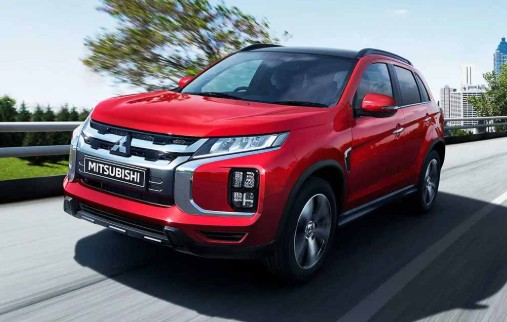
When we talk about compact SUVs that quietly built a global following, the Mitsubishi ASX often sneaks into the conversation. It’s practical, affordable, and—on paper—reliable. But let’s be real for a second… no car is perfect.
So what happens when the honeymoon phase fades and reality kicks in?
In this deep dive, we’re unpacking real Mitsubishi ASX problems—not just specs, not just brochure talk, but the stuff owners actually deal with. Think of this as sitting down with a friend who’s owned one for years and is finally spilling the truth.
Content in this publication
- Why Talk About Mitsubishi ASX Problems at All?
- A Quick Overview of the Mitsubishi ASX
- The Most Common Mitsubishi ASX Problems
- Engine Problems: Not Catastrophic, But Noticeable
- CVT Gearbox Problems: Smooth… Until It Isn’t
- Suspension Issues: The Hidden Discomfort
- Electrical Gremlins: Small but Annoying
- Clutch Wear (Manual Models)
- Braking System Concerns
- Interior Quality Problems
- Fuel Economy: Not Always as Good as Expected
- Air Conditioning Problems
- Steering and Handling Issues
- Battery and Charging Issues
- Rust and Paint Quality Problems
- Are Mitsubishi ASX Problems Expensive to Fix?
- Which Mitsubishi ASX Years Are the Most Problematic?
- How to Avoid Mitsubishi ASX Problems
- Is the Mitsubishi ASX Still Worth Buying?
- Final Thoughts: The Truth About Mitsubishi ASX Problems
- FAQs About Mitsubishi ASX Problems
- Conclusion
Why Talk About Mitsubishi ASX Problems at All?
We don’t highlight problems to scare you—we do it to prepare you.
Every car has quirks. The ASX is no exception. Understanding its weaknesses helps us:
- Avoid expensive surprises
- Make smarter buying decisions
- Maintain the vehicle better
And honestly? Sometimes the “problems” aren’t deal-breakers—they’re just things you should know upfront.
A Quick Overview of the Mitsubishi ASX
Where It Comes From
The ASX is built by Mitsubishi Motors, a brand known for durability and simplicity rather than flashy tech.
What It’s Meant to Be
- A compact SUV for urban life
- Affordable and easy to maintain
- Reliable daily transport
Sounds great, right? But let’s peel back the layers.
The Most Common Mitsubishi ASX Problems
Here’s where things get interesting. Let’s break down the most reported issues.
Engine Problems: Not Catastrophic, But Noticeable
Oil Consumption Issues
Some ASX models—especially older ones—have been known to burn oil faster than expected.
Symptoms:
- Frequent top-ups needed
- Oil warning light appearing early
- Slight engine roughness
Why it happens:
- Worn piston rings
- Engine design tolerances
Should You Worry?
Not always. But if ignored, it can lead to serious engine wear.
CVT Gearbox Problems: Smooth… Until It Isn’t
The ASX often uses a CVT (Continuously Variable Transmission). It’s smooth—but not flawless.
Common Complaints
- Jerky acceleration
- Delayed response
- Whining noises
What’s Really Going On?
CVTs rely on belts and pulleys rather than gears. Over time:
- Heat buildup causes wear
- Fluid degradation affects performance
Pro Tip
Regular CVT fluid changes can extend lifespan dramatically.
At first, the ride feels fine. But over time…
Typical Problems
- Knocking noises over bumps
- Worn bushings
- Premature shock absorber wear
What It Feels Like
Imagine walking in shoes that used to be comfortable—but now every step feels slightly off.
Electrical Gremlins: Small but Annoying
Not every issue is mechanical. Some are… just irritating.
Common Electrical Faults
- Faulty infotainment system
- Bluetooth connectivity issues
- Dashboard warning lights flickering
Reality Check
These aren’t deal-breakers—but they can test your patience.
Clutch Wear (Manual Models)
If you’re driving a manual ASX, this one matters.
What Owners Report
- Clutch wearing out earlier than expected
- Slipping under load
Possible Causes
- Urban driving (stop-and-go traffic)
- Clutch design limitations
Braking System Concerns
Brakes are critical—and some ASX owners have noticed:
Issues
- Brake squeal
- Faster-than-average pad wear
- Occasional vibration
What’s Behind It
Often:
- Lower-quality factory pads
- Heat buildup
Interior Quality Problems
Let’s be honest—the ASX isn’t a luxury SUV.
Common Complaints
- Hard plastics
- Rattles over time
- Seat wear
The Trade-Off
You’re paying for reliability—not premium materials.
Fuel Economy: Not Always as Good as Expected
You might expect great fuel efficiency… but real-world results vary.
Why?
- CVT inefficiencies under load
- Heavier-than-expected body
- Driving style impact
Air Conditioning Problems
In hotter climates, this becomes noticeable.
Typical Issues
- Weak cooling performance
- Compressor problems
What It Feels Like
You turn the AC on… and it just doesn’t keep up.
Steering and Handling Issues
While generally stable, some drivers report:
Concerns
- Heavy steering feel
- Lack of feedback
- Slight pulling to one side
Battery and Charging Issues
Common Signs
- Battery draining quickly
- Trouble starting
- Alternator-related faults
Why It Happens
Short trips and electrical load can strain the system.
Rust and Paint Quality Problems
Not the most common—but worth mentioning.
Reported Issues
- Paint chipping
- Early rust in some climates
Are Mitsubishi ASX Problems Expensive to Fix?
Let’s break it down.
Generally Affordable Repairs
- Brake pads
- Suspension components
- Minor electrical fixes
Potentially Costly Repairs
- CVT gearbox replacement
- Engine internal repairs
Overall Verdict
The ASX is still cheaper to maintain than many rivals.
Which Mitsubishi ASX Years Are the Most Problematic?
More Issues Reported In
- Early models (2010–2013)
Improved Versions
- Facelift models after 2016
Why? Because manufacturers learn—and fix things over time.
How to Avoid Mitsubishi ASX Problems
Think of this as your survival guide.
Maintenance Tips
- Change oil regularly
- Service the CVT on schedule
- Inspect suspension components
- Use quality fuel and parts
Driving Habits Matter
- Avoid aggressive acceleration
- Don’t ignore warning lights
Is the Mitsubishi ASX Still Worth Buying?
Here’s the honest answer…
Yes—If You Know What You’re Getting
The ASX isn’t flashy. It’s not cutting-edge. But it’s:
- Reliable
- Practical
- Affordable
No—If You Expect Perfection
If you want premium comfort or high-tech features, you might feel underwhelmed.
Final Thoughts: The Truth About Mitsubishi ASX Problems
Every car tells a story—and the ASX’s story is one of quiet resilience with a few rough edges.
It’s like that dependable friend who shows up every day… but occasionally forgets your birthday.
If we go in with realistic expectations, maintain it properly, and stay aware of its weak points, the ASX can still be a solid companion for years.
FAQs About Mitsubishi ASX Problems
1. Is the Mitsubishi ASX reliable overall?
Yes, generally reliable, especially compared to many competitors, but it has known issues like CVT wear and suspension noise.
2. What is the biggest problem with the ASX?
The most commonly reported issue is the CVT transmission performance and longevity.
3. Do Mitsubishi ASX engines last long?
Yes, with proper maintenance, engines can last well beyond 200,000 km.
4. Is the ASX expensive to maintain?
No, it’s considered affordable compared to most compact SUVs.
5. Should I buy a used Mitsubishi ASX?
Yes, but aim for newer models (post-2016) and check service history carefully.
Conclusion
At the end of the day, the Mitsubishi ASX isn’t perfect—but it doesn’t pretend to be. It’s a practical, honest SUV with manageable flaws. And sometimes, that’s exactly what we need.
If you want to know other articles similar to Mitsubishi ASX Problems: The Honest Owner’s Guide to What Really Goes Wrong you can visit the category Common Problems.
Volvo S90 Common Problems: Reliability & Repair Guide
Volvo S90 No Sound: Causes, Fixes and Solutions

Nissan Rogue Smells Like Gas: Causes and Fixes
Vauxhall Agila Problems: Common Faults & Fixes

Kia Sorento Jerking When Accelerating: Causes & Fixes

Jaguar F-Pace Low Battery: Causes, Warning Signs, and How to Fix It
Leave a Reply
More content of your interest