
Jaecoo 7 Battery Size: Everything We Need to Know About the SUV’s Power Source

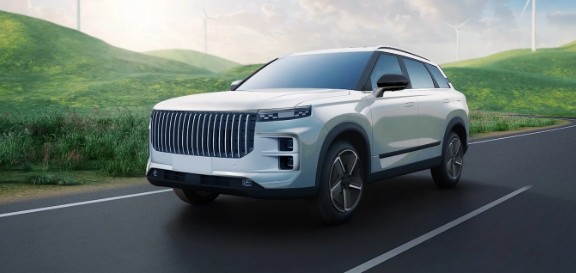
The automotive world is shifting faster than a storm rolling across the horizon, and the Jaecoo 7 is arriving right in the middle of that transformation. Rugged styling, premium ambitions, hybrid technology, and modern comfort all combine to create a vehicle that feels like a bridge between traditional SUVs and the electrified future.
But among all the buzz surrounding this SUV, one question keeps surfacing:
What is the Jaecoo 7 battery size, and why does it matter so much?
It’s a fair question. In today’s market, battery size is no longer just a technical detail buried in a specification sheet. It directly affects driving range, fuel economy, charging performance, ownership costs, and even how enjoyable a car feels on a daily commute.
In this guide, we’ll break down everything about the Jaecoo 7 battery setup in plain English. We’ll explore the battery capacities, charging behavior, hybrid system design, efficiency, real-world usability, and how the Jaecoo 7 compares to rivals in the fast-growing SUV market.
So buckle up. We’re diving deep into the heart of the Jaecoo 7.
Content in this publication
- Why the Jaecoo 7 Battery Size Matters
- Understanding the Different Jaecoo 7 Powertrains
- Jaecoo 7 Plug-In Hybrid Battery Size
- What Does an 18.3 kWh Battery Actually Mean?
- Estimated Electric Range of the Jaecoo 7
- How the Battery Improves Fuel Economy
- Battery Placement Inside the Jaecoo 7
- Charging the Jaecoo 7 Battery
- Can the Jaecoo 7 Fast Charge?
- Regenerative Braking and Energy Recovery
- How the Jaecoo 7 Battery Affects Performance
- Battery Weight and Vehicle Dynamics
- Is the Jaecoo 7 Battery Reliable?
- Battery Warranty Expectations
- How Cold Weather Affects the Jaecoo 7 Battery
- Hot Climate Performance
- Comparing the Jaecoo 7 Battery to Full EVs
- Who Benefits Most From the Jaecoo 7 Battery Setup?
- Real-World Ownership Experience
- The Future of Jaecoo Battery Technology
- Should We Care More About Battery Size or Efficiency?
- Is the Jaecoo 7 Battery Size Competitive?
- Final Thoughts on Jaecoo 7 Battery Size
- FAQs About Jaecoo 7 Battery Size
Why the Jaecoo 7 Battery Size Matters
A battery is the beating heart of any electrified vehicle. Whether we’re talking about a mild hybrid, full hybrid, plug-in hybrid, or EV, the battery determines how much energy the vehicle can store and how efficiently it can deliver that power.
In the Jaecoo 7, battery size impacts:
- Electric driving range
- Fuel economy
- Acceleration feel
- Charging times
- Long-distance comfort
- Running costs
- Environmental footprint
Think of the battery like a water tank. A larger tank can store more energy, but it also adds weight and complexity. Manufacturers constantly balance these factors to create the best driving experience.
The Jaecoo 7 attempts to strike that balance carefully.
Understanding the Different Jaecoo 7 Powertrains
Before discussing battery capacity, we need to understand that the Jaecoo 7 is offered in multiple configurations depending on the market.
Petrol Version
Some regions receive a conventional turbocharged petrol model. In this version, the battery is relatively small because it mainly supports the electrical system and stop-start technology.
Hybrid Version
Other markets feature a hybrid or plug-in hybrid setup, where the battery plays a much larger role.
This distinction matters enormously because battery size changes dramatically depending on the drivetrain.
Jaecoo 7 Plug-In Hybrid Battery Size
The plug-in hybrid version is where things become truly interesting.
The Jaecoo 7 plug-in hybrid uses a battery pack estimated at around:
18.3 kWh Battery Capacity
That figure places the Jaecoo 7 among the more competitive plug-in hybrid SUVs in its class.
To put that into perspective:
| Vehicle | Battery Size |
|---|---|
| Jaecoo 7 PHEV | ~18.3 kWh |
| Kia Sportage PHEV | 13.8 kWh |
| Hyundai Tucson PHEV | 13.8 kWh |
| Mitsubishi Outlander PHEV | 20 kWh |
| MG HS PHEV | 16.6 kWh |
The Jaecoo 7 sits comfortably near the top end of the segment.
That’s impressive for a newcomer brand.
What Does an 18.3 kWh Battery Actually Mean?
Battery figures can sound abstract. Numbers alone don’t always tell the story.
So let’s simplify it.
An 18.3 kWh battery means the vehicle can store 18.3 kilowatt-hours of electrical energy.
That stored energy powers:
- The electric motor
- Regenerative braking systems
- Hybrid driving modes
- Climate control assistance
- Electric-only travel
In real-world terms, this battery size is large enough to provide meaningful electric driving capability rather than just brief assistance.
That changes how the SUV behaves every day.
Estimated Electric Range of the Jaecoo 7
Battery size directly affects electric range.
With an 18.3 kWh battery, the Jaecoo 7 can reportedly achieve:
Approximately 55–75 Miles of Electric Range (WLTP Estimate)
Real-world driving will vary depending on:
- Weather
- Speed
- Terrain
- Driving style
- Use of heating or air conditioning
Still, this is an impressive figure for a plug-in hybrid SUV.
For many drivers, that means daily commuting could happen almost entirely on electricity.
Imagine driving to work, shopping, school runs, and local errands without touching the petrol engine. That’s where a larger battery becomes transformative rather than merely helpful.
How the Battery Improves Fuel Economy
A bigger battery isn’t just about electric range.
It also dramatically improves fuel economy.
Because the Jaecoo 7 can operate electrically for longer periods, the petrol engine works less frequently. This can reduce fuel consumption significantly during city driving.
In hybrid mode, the system intelligently decides when to:
- Use battery power
- Engage the petrol engine
- Blend both systems together
The result is smoother efficiency.
It’s a little like having two athletes share the workload instead of exhausting one.
Battery Placement Inside the Jaecoo 7
Modern SUVs carefully hide their battery systems beneath the surface.
The Jaecoo 7 battery is typically mounted:
- Under the floor
- Beneath the rear seating area
- Integrated into the chassis structure
This positioning offers several benefits.
You may be interested in reading Jaecoo 7 Tyre Pressure: The Complete Guide for Better Safety, Comfort, and Fuel Economy
Lower Center of Gravity
A low-mounted battery improves:
- Cornering stability
- Ride balance
- Steering confidence
Cabin Space Preservation
Unlike older hybrids that sacrificed cargo space, modern designs integrate batteries more intelligently.
The Jaecoo 7 still maintains practical passenger and luggage room despite carrying a sizable battery pack.
Charging the Jaecoo 7 Battery
Charging convenience is a huge part of plug-in hybrid ownership.
Fortunately, the Jaecoo 7 supports external charging.
Home Charging
Using a standard home wallbox, charging can typically take:
- Around 3 to 5 hours depending on charger output
Overnight charging becomes easy and practical.
Public Charging
Public AC charging stations can also replenish the battery while shopping or working.
The process feels surprisingly seamless once integrated into daily life.
Like charging a phone, it gradually becomes routine rather than inconvenient.
Can the Jaecoo 7 Fast Charge?
This depends on market specifications and trim level.
Some plug-in hybrids do not support DC rapid charging because their batteries are smaller than full EVs.
The Jaecoo 7 primarily focuses on:
- AC charging efficiency
- Hybrid energy recovery
- Everyday convenience
For most owners, overnight charging at home remains the ideal solution.
Regenerative Braking and Energy Recovery
One of the smartest features of the Jaecoo 7 hybrid system is regenerative braking.
When slowing down, the SUV captures kinetic energy and sends it back into the battery.
Instead of wasting energy as heat, the vehicle recycles it.
It’s almost like catching rainwater in a barrel rather than letting it spill away.
Benefits of Regenerative Braking
- Improved efficiency
- Extended electric range
- Reduced brake wear
- Better urban fuel economy
In stop-start city traffic, regenerative braking becomes especially valuable.
How the Jaecoo 7 Battery Affects Performance
Many people assume electrified vehicles feel slower.
Ironically, the opposite is often true.
Electric motors deliver instant torque. That immediate surge creates quicker acceleration from a standstill.
Advantages of Battery-Assisted Performance
- Faster low-speed response
- Smoother overtaking
- Reduced turbo lag
- More refined driving feel
The Jaecoo 7 feels less strained during acceleration because the electric motor supports the petrol engine.
It’s similar to having an extra set of muscles helping push the vehicle forward.
Battery Weight and Vehicle Dynamics
Large batteries add weight.
There’s no escaping physics.
However, modern engineering helps distribute that mass effectively.
How Jaecoo Manages Battery Weight
The chassis tuning compensates through:
- Suspension calibration
- Low battery positioning
- Structural reinforcement
- Electronic stability systems
As a result, the Jaecoo 7 still aims to deliver composed handling despite its electrified hardware.
Is the Jaecoo 7 Battery Reliable?
Battery reliability is one of the biggest concerns among buyers entering the hybrid world.
Fortunately, modern lithium-ion batteries are far more durable than early hybrid systems from decades ago.
Typical Battery Longevity
Most modern hybrid batteries can last:
- 8 to 15 years
- Well over 100,000 miles
Battery degradation happens gradually rather than suddenly.
Manufacturers also implement:
- Thermal management systems
- Charging protection software
- Voltage balancing
- Cooling technologies
These features help preserve long-term health.
Battery Warranty Expectations
Many electrified vehicles include separate battery warranties.
Although market details vary, the Jaecoo 7 is expected to offer competitive coverage.
Typical industry battery warranties include:
- 8 years
- Around 100,000 miles
- Minimum capacity guarantees
That reassurance matters because battery replacement costs can otherwise sound intimidating.
How Cold Weather Affects the Jaecoo 7 Battery
Like all electrified vehicles, colder temperatures can reduce battery efficiency.
Winter conditions may temporarily decrease:
You may be interested in readingJaecoo 7 Tyre Pressure: The Complete Guide for Better Safety, Comfort, and Fuel EconomyYou may be interested in reading
Jaecoo 7 Charging Time: Everything We Need to Know Before Plugging In- Electric range
- Charging speed
- Regenerative braking efficiency
This happens because batteries operate best within ideal temperature ranges.
Still, modern battery management systems help reduce the impact significantly.
Hot Climate Performance
High temperatures also affect battery behavior.
Excessive heat can:
- Increase degradation over time
- Reduce charging efficiency
- Trigger cooling systems more frequently
The Jaecoo 7 uses thermal controls to protect the battery under demanding conditions.
That’s especially important in warmer regions where summer heat can become brutal.
Comparing the Jaecoo 7 Battery to Full EVs
A plug-in hybrid battery differs massively from a full electric vehicle battery.
Typical EV Battery Sizes
| Vehicle Type | Average Battery Size |
|---|---|
| Plug-in Hybrid | 10–25 kWh |
| Full EV | 50–120 kWh |
The Jaecoo 7 battery is much smaller than a dedicated EV battery because:
- The petrol engine acts as backup
- Long-distance charging dependency is reduced
- Weight remains manageable
This hybrid approach appeals to drivers who want electrification without range anxiety.
Who Benefits Most From the Jaecoo 7 Battery Setup?
The Jaecoo 7 hybrid system suits several driver profiles exceptionally well.
Urban Drivers
Frequent city commuters benefit from:
- Electric-only driving
- Lower fuel use
- Regenerative braking
Families
Families appreciate:
- Lower running costs
- Practical SUV space
- Quiet operation
Long-Distance Drivers
Unlike full EVs, plug-in hybrids eliminate charging stress during long road trips.
The petrol engine provides flexibility when charging stations are unavailable.
Real-World Ownership Experience
Living with a plug-in hybrid often changes driving habits.
Owners quickly learn:
- When to charge
- How to maximize electric range
- Which routes favor efficiency
- How regenerative braking behaves
The experience becomes interactive.
Almost game-like.
Many drivers find themselves chasing higher efficiency numbers the way fitness enthusiasts chase better running times.
The Future of Jaecoo Battery Technology
Battery technology evolves rapidly.
Future versions of the Jaecoo 7 may eventually include:
- Larger battery packs
- Faster charging
- Improved energy density
- Longer electric ranges
- More efficient thermal systems
The industry is moving at lightning speed.
What feels advanced today could become ordinary tomorrow.
Should We Care More About Battery Size or Efficiency?
Here’s the interesting twist.
Bigger batteries are not always better.
Efficiency matters just as much.
A well-optimized hybrid system with smart software can outperform a larger but poorly managed battery setup.
The Jaecoo 7 attempts to balance:
- Weight
- Range
- Cost
- Performance
- Efficiency
That balance often determines whether a vehicle succeeds in the real world.
Is the Jaecoo 7 Battery Size Competitive?
Absolutely.
An approximately 18.3 kWh battery places the Jaecoo 7 among the stronger contenders in the plug-in hybrid SUV segment.
Its battery:
- Exceeds many rivals
- Enables meaningful electric range
- Supports improved fuel economy
- Enhances performance
- Maintains daily practicality
For a relatively new automotive brand, that’s a strong statement of intent.
Final Thoughts on Jaecoo 7 Battery Size
The Jaecoo 7 represents more than just another SUV entering a crowded market. Its battery system reflects the broader evolution of modern driving.
The estimated 18.3 kWh plug-in hybrid battery offers a compelling middle ground between traditional petrol vehicles and fully electric cars. It gives us:
- Useful electric range
- Lower fuel costs
- Improved refinement
- Flexible long-distance usability
- Modern hybrid performance
In many ways, the Jaecoo 7 feels like a stepping stone toward the fully electrified future without forcing drivers to leap completely into EV ownership.
And honestly, that balance may be exactly what many people are searching for right now.
FAQs About Jaecoo 7 Battery Size
What is the battery size of the Jaecoo 7?
The plug-in hybrid version of the Jaecoo 7 uses an estimated 18.3 kWh battery pack.
How far can the Jaecoo 7 drive on electric power alone?
The estimated electric-only range is around 55–75 miles depending on driving conditions and market specifications.
Can the Jaecoo 7 battery be charged at home?
Yes. The battery can be charged using a home wallbox charger or compatible AC public charging stations.
Does the Jaecoo 7 use regenerative braking?
Yes. The SUV captures energy during braking and sends it back into the battery to improve efficiency.
You may be interested in readingJaecoo 7 Tyre Pressure: The Complete Guide for Better Safety, Comfort, and Fuel EconomyYou may be interested in reading
Jaecoo 7 Charging Time: Everything We Need to Know Before Plugging InYou may be interested in reading
 Toyota Grand Highlander Gas Type
Is the Jaecoo 7 battery covered by warranty?
Most markets are expected to offer an extended battery warranty, commonly around 8 years or 100,000 miles.
If you want to know other articles similar to Jaecoo 7 Battery Size: Everything We Need to Know About the SUV’s Power Source you can visit the category Service and Parts.
Vauxhall Meriva Head Gasket Replacement Cost UK: Complete Price Guide
Vauxhall Meriva Tyre Pressure PSI: Complete Guide
Vauxhall Meriva Fault Codes: Meanings, Causes, and Fixes
Vauxhall Meriva Door With Key Symbol: Meaning, Causes, and Fixes
Vauxhall Meriva Code 59 and 60: Causes, Reset Steps, and Solutions
Vauxhall Meriva Immobiliser Reset: Complete Troubleshooting Guide
Leave a Reply
More content of your interest