
Do Toyota Highlanders Have Problems? The Honest Truth About Toyota’s Popular SUV

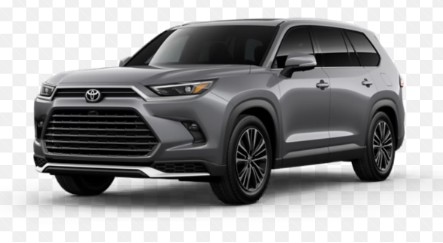
When we hear the name Toyota Highlander, reliability usually comes to mind first. It’s one of those SUVs that people buy with the expectation that it will quietly run for years like a dependable refrigerator on wheels. But here’s the question many buyers secretly wonder before signing the paperwork: do Toyota Highlanders have problems?
The short answer? Yes, they do.
But the more important answer is what kind of problems they have, how serious they are, and whether those issues should stop us from buying one. No vehicle is immune to faults—not even a Toyota. The Highlander has its share of annoyances, recalls, transmission concerns, electrical glitches, and occasional engine complaints. Yet compared to many rivals, it still holds a remarkably strong reputation.
In this guide, we’ll pull back the curtain and explore the most common Toyota Highlander problems by generation, the years to avoid, what owners complain about most, and whether the Highlander is still worth buying today.
Content in this publication
- Why the Toyota Highlander Has Such a Strong Reputation
- Do Toyota Highlanders Have Serious Problems?
- Toyota Highlander Problems by Generation
- Second Generation Highlander (2008–2013)
- Third Generation Highlander (2014–2019)
- Infotainment System Problems
- Paint and Exterior Complaints
- Fourth Generation Highlander (2020–Present)
- Toyota Highlander Hybrid Problems
- What Are the Worst Toyota Highlander Years?
- Best Toyota Highlander Years to Buy
- Transmission Problems: The Most Discussed Highlander Issue
- Do Toyota Highlanders Have Engine Problems?
- Brake Problems in Toyota Highlanders
- Suspension and Steering Issues
- Interior Quality Complaints
- Do Toyota Highlanders Have Rust Problems?
- How Reliable Is the Toyota Highlander Compared to Rivals?
- What Owners Love Despite the Problems
- Are Toyota Highlander Repairs Expensive?
- How Long Do Toyota Highlanders Last?
- Signs of a Bad Used Toyota Highlander
- Should You Buy a Toyota Highlander?
- Tips to Avoid Toyota Highlander Problems
- Should You Buy a New or Used Highlander?
- Final Verdict: Do Toyota Highlanders Have Problems?
- FAQs
Why the Toyota Highlander Has Such a Strong Reputation
Before diving into the problems, we need context.
The Highlander became popular because it hits a sweet spot between comfort, practicality, and reliability. It’s like the Swiss Army knife of family SUVs—capable without being flashy.
Drivers love it because it offers:
- Comfortable seating
- Good fuel economy
- Strong resale value
- Available hybrid options
- Toyota reliability heritage
- Smooth ride quality
- Family-friendly interior space
Still, even the strongest castle can have cracks in the walls.
Do Toyota Highlanders Have Serious Problems?
Most Highlander issues are not catastrophic, especially compared to some competitors in the midsize SUV segment. However, there are certain years and powertrains that experienced recurring problems serious enough to frustrate owners.
The most commonly reported issues include:
- Transmission hesitation
- Oil leaks
- Excessive oil consumption
- Infotainment glitches
- Steering clunks
- Paint problems
- HVAC failures
- Hybrid battery concerns
- Electrical gremlins
- Brake issues
The severity depends heavily on the model year.
Toyota Highlander Problems by Generation
First Generation Highlander (2001–2007)
The early Highlanders were simple and durable, but they weren’t perfect.
Engine Oil Sludge Issues
Some early V6 models experienced oil sludge buildup, especially when maintenance intervals were neglected.
Symptoms included:
- Engine knocking
- Reduced performance
- Smoke from exhaust
- Oil pressure warnings
This issue became infamous among early 2000s Toyotas.
Stripped Engine Bolts
Certain models suffered from stripped cylinder head bolts, which could lead to coolant leaks and expensive repairs.
That’s the automotive equivalent of discovering termites inside your house walls.
Transmission Problems
Some owners reported:
- Delayed shifting
- Hard gear engagement
- Transmission slipping
These issues weren’t universal, but they appeared often enough to raise concern.
Second Generation Highlander (2008–2013)
This generation brought more refinement, but also introduced new headaches.
Excessive Oil Consumption
One of the most discussed problems involved the 2.7L 4-cylinder engine.
Owners complained that the engine consumed oil unusually fast.
Signs included:
- Frequent low oil warnings
- Needing oil top-offs between services
- Burning oil smell
- Blue exhaust smoke
Toyota addressed some complaints through technical service bulletins.
Steering Clunk Noise
Many drivers noticed a strange clunk coming from the steering column.
While often not dangerous, it could become irritating over time.
Imagine hearing a loose toolbox rolling around every time you turn a corner.
Water Pump Failures
Water pumps tended to fail earlier than expected on some V6 models.
Symptoms included:
- Coolant leaks
- Overheating
- Grinding noises
- Sweet coolant smell
Replacing the water pump early usually prevented bigger problems.
Third Generation Highlander (2014–2019)
This era is generally considered one of the best Highlander generations, but problems still existed.
Transmission Hesitation
Some drivers experienced delayed acceleration.
You’d press the gas pedal and the SUV would pause briefly before moving. It felt like the vehicle was “thinking” before responding.
This issue was especially noticeable during highway merging.
Common Symptoms
- Slow throttle response
- Jerky downshifts
- Hesitation during acceleration
- Inconsistent shifting behavior
Software updates solved many cases.
Infotainment System Problems
Modern vehicles are basically smartphones with wheels, and the Highlander wasn’t immune to tech headaches.
Owners reported:
- Frozen screens
- Bluetooth disconnects
- Navigation glitches
- Backup camera failures
- Touchscreen lag
While these problems weren’t usually mechanical disasters, they damaged the ownership experience.
Paint and Exterior Complaints
Some Highlander owners noticed premature paint wear.
Common Paint Issues
Peeling Paint
White paint in particular became controversial on several Toyota models.
Chipping
Thin paint layers made rock chips more noticeable.
Fading Clear Coat
Long-term sun exposure accelerated fading on some vehicles.
A Highlander might run like a marathon athlete while looking like it survived a sandstorm.
Fourth Generation Highlander (2020–Present)
The latest Highlander looks modern and upscale, but newer technology brought fresh complications.
Electrical System Problems
Some owners experienced:
- Random warning lights
- Battery drain
- Sensor malfunctions
- Adaptive cruise control glitches
Modern driver-assistance systems add convenience, but they also introduce more electronic complexity.
Toyota Highlander Hybrid Problems
Are Highlander Hybrids Reliable?
Generally, yes.
Toyota hybrids are among the most reliable electrified vehicles on the market. Still, hybrid systems can develop issues over time.
Hybrid Battery Degradation
Over many years, battery performance can decline.
Signs include:
- Reduced fuel economy
- Weak acceleration
- Battery warning lights
Fortunately, Toyota hybrid batteries often last well beyond 150,000 miles.
Inverter Problems
Some hybrid models experienced inverter-related recalls.
The inverter acts like the translator between the battery and electric motors. When it fails, the vehicle may lose power.
Toyota addressed several concerns through recalls and software fixes.
What Are the Worst Toyota Highlander Years?
Not all Highlanders are equal.
Some years developed worse reputations than others.
Years Often Mentioned by Owners
- 2003
- 2008
- 2010
- 2015
These years saw higher complaint volumes for engine, transmission, or electrical concerns.
That doesn’t mean every vehicle from those years is bad—but buyers should inspect them carefully.
Best Toyota Highlander Years to Buy
If we’re looking for the sweet spot between reliability and value, several years stand out.
Recommended Highlander Model Years
- 2009
- 2013
- 2017
- 2018
- 2019
- 2021 Hybrid
These models tend to receive strong owner satisfaction scores and fewer serious complaints.
Transmission Problems: The Most Discussed Highlander Issue
Transmission concerns appear repeatedly across multiple generations.
Common Transmission Complaints
Hard Shifting
Drivers describe abrupt gear changes that feel rough or jerky.
Delayed Engagement
The vehicle hesitates before moving after shifting into drive.
Torque Converter Issues
Some owners reported shuddering during acceleration.
How Expensive Are Transmission Repairs?
Transmission repairs can range from:
- Software updates: inexpensive
- Fluid service: moderate cost
- Torque converter replacement: costly
- Full transmission replacement: very expensive
This is why a pre-purchase inspection matters so much.
Do Toyota Highlanders Have Engine Problems?
Compared to many SUVs, major engine failures are relatively uncommon.
Still, certain issues appear repeatedly.
Common Engine Concerns
- Oil leaks
- Oil consumption
- Ignition coil failures
- Carbon buildup
- Water pump failures
Most of these problems are manageable when caught early.
Brake Problems in Toyota Highlanders
Some owners reported brake-related concerns.
Brake System Complaints
Premature Brake Wear
Heavy SUVs naturally wear brakes faster, but some Highlanders required earlier-than-expected replacements.
Brake Booster Issues
Certain models experienced brake booster failures, sometimes leading to recalls.
Brake Noise
Squeaking and grinding complaints occasionally surfaced.
Suspension and Steering Issues
Steering Noise
Clunks and rattles from the steering system became common discussion topics in owner forums.
Worn Suspension Components
As mileage climbs, owners may encounter:
- Worn struts
- Sway bar link failures
- Control arm wear
These aren’t unusual for high-mileage SUVs, but they’re worth budgeting for.
Interior Quality Complaints
Even reliable vehicles can disappoint inside the cabin.
Common Interior Issues
- Cracked dashboards
- Peeling trim
- Seat wear
- Rattling panels
- Fragile interior plastics
Some owners expected more premium durability considering the Highlander’s price.
Do Toyota Highlanders Have Rust Problems?
Rust complaints are less severe than on some older trucks and SUVs, but they do exist.
Areas to Inspect
- Undercarriage
- Rear hatch
- Wheel wells
- Suspension mounting points
Vehicles driven in snowy climates deserve extra scrutiny.
Salt can slowly eat away at metal like acid dripping onto paper.
How Reliable Is the Toyota Highlander Compared to Rivals?
Against competitors like the Honda Pilot, Ford Explorer, and Chevrolet Traverse, the Highlander generally performs very well.
Where the Highlander Excels
- Lower long-term repair costs
- Better resale value
- Reliable hybrid technology
- Smooth driving experience
Where Rivals Sometimes Win
- More cargo space
- Better third-row seating
- Sportier handling
- More powerful engines
The Highlander plays the long game. It may not always be the flashiest SUV, but it ages gracefully.
What Owners Love Despite the Problems
Interestingly, many owners who complain about issues still say they would buy another Highlander.
That says a lot.
Most Loved Features
- Quiet cabin
- Smooth ride
- Dependable drivetrain
- Excellent resale value
- Comfortable family travel
It’s like having a dependable friend who occasionally forgets where they left the keys.
Are Toyota Highlander Repairs Expensive?
Compared to luxury SUVs, Highlander repairs are usually reasonable.
Typical Ownership Costs
Affordable Maintenance
Oil changes, brake service, and filters are generally inexpensive.
Moderate Repair Costs
Water pumps, suspension work, and sensors fall into the middle range.
Potentially Expensive Repairs
- Transmission replacement
- Hybrid battery replacement
- Major engine repairs
Still, overall ownership costs tend to remain below average for the class.
How Long Do Toyota Highlanders Last?
This is where the Highlander truly shines.
Many owners report:
- 200,000 miles
- 250,000 miles
- Even 300,000+ miles
With proper maintenance, these SUVs often outlive the financing paperwork by a decade.
Signs of a Bad Used Toyota Highlander
If we’re shopping for a used Highlander, we should watch for warning signs.
Red Flags to Avoid
- Transmission shuddering
- Burning oil smell
- Coolant leaks
- Dashboard warning lights
- Rough shifting
- Water damage
- Rust underneath
- Incomplete service records
A clean history matters more than shiny paint.
Should You Buy a Toyota Highlander?
For most people, the answer is yes.
The Highlander isn’t flawless, but very few SUVs combine:
- Reliability
- Comfort
- Efficiency
- Longevity
- Resale value
in such a balanced package.
Who the Highlander Is Perfect For
- Families
- Long-distance commuters
- Reliability-focused buyers
- Hybrid shoppers
- Owners planning long-term ownership
Who Might Want Something Else
- Drivers wanting sporty handling
- Large families needing more third-row space
- Off-road enthusiasts
- Luxury-focused buyers
Tips to Avoid Toyota Highlander Problems
Maintenance Matters
The easiest way to avoid major issues is simple:
- Change oil regularly
- Service the transmission
- Inspect coolant systems
- Replace worn brakes early
- Keep software updated
Neglect turns small issues into expensive nightmares.
Should You Buy a New or Used Highlander?
Buying New
Pros:
- Warranty coverage
- Latest technology
- Better fuel economy
Cons:
- Higher price
- Faster depreciation
Buying Used
Pros:
- Better value
- Lower insurance costs
- Proven reliability history
Cons:
- Possible hidden maintenance issues
The smartest move often lies in buying a well-maintained used Highlander from a reliable model year.
Final Verdict: Do Toyota Highlanders Have Problems?
Yes, Toyota Highlanders do have problems.
But here’s the key difference: most Highlander problems are manageable rather than catastrophic. While some model years experienced transmission hesitation, oil consumption, or electrical glitches, the SUV still maintains one of the strongest reliability reputations in the midsize SUV segment.
Think of the Highlander like a seasoned marathon runner. It may develop aches and pains along the journey, but it keeps moving long after many rivals have dropped out of the race.
If we choose the right model year, stay proactive with maintenance, and inspect used examples carefully, the Toyota Highlander can still be one of the smartest family SUV purchases on the market.
FAQs
What is the most common Toyota Highlander problem?
Transmission hesitation and shifting issues are among the most frequently reported concerns across multiple generations.
Which Toyota Highlander years should I avoid?
Many buyers approach 2003, 2008, 2010, and 2015 models cautiously due to higher complaint rates.
Do Toyota Highlanders last a long time?
Yes. Many Highlanders exceed 200,000 miles with proper maintenance.
Are Toyota Highlander hybrids reliable?
Generally, yes. Toyota hybrid systems are widely regarded as some of the most dependable in the industry.
Is the Toyota Highlander expensive to maintain?
Compared to many midsize SUVs, maintenance costs are usually moderate and manageable.
If you want to know other articles similar to Do Toyota Highlanders Have Problems? The Honest Truth About Toyota’s Popular SUV you can visit the category Common Problems.
Toyota Hilux Issues: Common Problems, Causes and What to Check
Subaru XV Not Starting: Causes, Diagnosis, and Fixes
BMW M2 Issues: Common Problems, Reliability and What Owners Should Know
Subaru XV Issues: Common Problems, Reliability and What Owners Should Know
Subaru XV Hybrid Problems: What Owners Should Know
Mazda CX-9 Air Conditioning Problems: Causes, Fixes, and Troubleshooting
Leave a Reply
More content of your interest