
Chevrolet Trailblazer Issues: The Problems Owners Should Know Before Buying

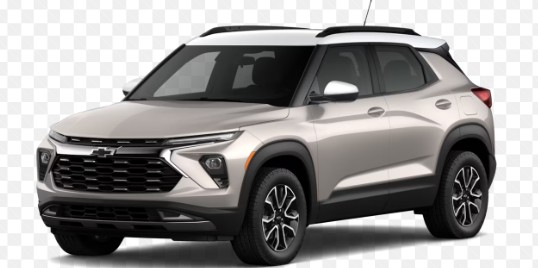
The Chevrolet Trailblazer has become one of those SUVs that quietly sneaks into conversations whenever people talk about affordable crossovers with modern styling and decent practicality. On the surface, it looks like a smart buy. It has sharp design lines, respectable fuel economy, a comfortable cabin, and enough technology to make daily driving easier.
But here’s the thing we often discover after living with a vehicle for a while: every SUV has its weak spots.
Some problems are minor annoyances that feel like a mosquito buzzing near your ear. Others are expensive enough to make your wallet cry in silence at 2 a.m. And when it comes to Chevrolet Trailblazer issues, owners have reported a mix of both.
In this detailed guide, we’ll dive deep into the most common Chevrolet Trailblazer problems, the years that tend to cause headaches, reliability concerns, transmission complaints, electrical glitches, turbo engine worries, and what buyers should know before purchasing one.
If you’re considering buying a Trailblazer—or already own one—this guide may save you time, money, and frustration.
Content in this publication
- Why the Chevrolet Trailblazer Became So Popular
- Most Common Chevrolet Trailblazer Issues
- Electrical Problems in the Chevrolet Trailblazer
- Chevrolet Trailblazer Engine Problems
- Chevrolet Trailblazer Suspension Problems
- Chevrolet Trailblazer Brake Issues
- Chevrolet Trailblazer AWD System Problems
- Interior Quality Complaints
- Chevrolet Trailblazer Reliability by Model Year
- Chevrolet Trailblazer Recall Issues
- Are Chevrolet Trailblazer Repairs Expensive?
- How to Prevent Chevrolet Trailblazer Problems
- Should You Buy a Used Chevrolet Trailblazer?
- Chevrolet Trailblazer Ownership Experience
- Is the Chevrolet Trailblazer Reliable Overall?
- How the Chevrolet Trailblazer Compares to Rivals
- Signs Your Chevrolet Trailblazer Needs Immediate Attention
- Closing Thoughts on Chevrolet Trailblazer Issues
- FAQs About Chevrolet Trailblazer Issues
Why the Chevrolet Trailblazer Became So Popular
Before discussing the issues, it helps to understand why this SUV gained traction in the first place.
The modern Chevrolet Trailblazer occupies a sweet spot between subcompact and compact SUVs. It offers:
- Stylish exterior design
- Compact city-friendly dimensions
- Available AWD
- Modern infotainment technology
- Good fuel efficiency
- Affordable pricing
For many families, commuters, and first-time SUV buyers, it feels like a practical all-rounder.
Yet popularity often shines a brighter spotlight on problems.
The more units sold, the more patterns emerge.
And patterns definitely emerged with the Trailblazer.
Most Common Chevrolet Trailblazer Issues
Not every Trailblazer experiences these problems. Some owners drive theirs for years without major trouble. But several recurring complaints appear consistently across forums, mechanics’ reports, and owner discussions.
Let’s break them down.
Transmission Problems in the Chevrolet Trailblazer
Transmission complaints are among the most discussed Chevrolet Trailblazer issues.
Drivers have reported:
- Hesitation during acceleration
- Jerking between gears
- Delayed shifting
- Rough downshifts
- Sudden loss of power
- Transmission slipping
In some cases, the SUV feels confused about which gear it wants to select—almost like someone trying to decide between two doors at the same time.
Why Transmission Issues Happen
The Trailblazer’s automatic transmission is designed to maximize fuel efficiency. Unfortunately, fuel-saving tuning can sometimes create awkward shifting behavior.
Possible causes include:
- Software calibration problems
- Faulty transmission control modules
- Low transmission fluid
- Internal wear
- Torque converter issues
Some owners noticed improvements after dealership software updates, while others required more extensive repairs.
Symptoms to Watch For
If you’re test-driving a Trailblazer, pay attention to:
- Delayed acceleration from a stop
- Hard shifts at low speeds
- Vibrations during acceleration
- Sudden RPM spikes
- Shuddering on highways
These early warning signs often indicate deeper transmission concerns.
Turbocharged Engine Concerns
Modern Trailblazers use small turbocharged engines to balance power and fuel economy.
On paper, it’s brilliant.
In reality? Turbo engines can become complicated over time.
Reported Turbo Issues Include
- Turbo lag
- Excessive oil consumption
- Weak acceleration
- Whining noises
- Boost pressure inconsistencies
Some owners describe the acceleration as unpredictable. One moment the SUV feels energetic, and the next it behaves like it drank decaf coffee instead of espresso.
Carbon Build-Up Problems
Direct injection turbo engines are prone to carbon accumulation on intake valves.
Over time, this can lead to:
- Rough idling
- Reduced performance
- Misfires
- Poor fuel economy
Regular maintenance becomes especially important with turbocharged Trailblazers.
Electrical Problems in the Chevrolet Trailblazer
Electrical gremlins are another recurring complaint.
Modern vehicles are essentially rolling computers, and the Trailblazer is no exception.
Unfortunately, when electronics misbehave, diagnosing the issue can feel like chasing shadows in a foggy forest.
Infotainment System Glitches
Many owners report problems with the infotainment system, including:
- Frozen screens
- Bluetooth connectivity issues
- Apple CarPlay disconnections
- Backup camera failures
- Random system reboots
These may sound minor, but when your navigation disappears during traffic, frustration arrives quickly.
Software Updates Sometimes Help
Chevrolet dealerships have released software updates intended to improve system stability.
However, some owners report recurring problems even after updates.
Battery Drain Complaints
Certain Trailblazer owners have experienced unexpected battery drain.
Symptoms include:
- Vehicle failing to start overnight
- Weak electrical performance
- Flickering lights
- Random warning messages
Potential causes may involve:
- Faulty modules remaining active
- Electrical shorts
- Software communication errors
Battery issues can become particularly annoying because they often appear intermittently.
And intermittent problems are the hardest ones to diagnose.
Chevrolet Trailblazer Engine Problems
Engine-related complaints vary depending on the model year and engine configuration.
Some issues are relatively minor.
Others can become expensive quickly.
Check Engine Light Problems
One of the most common complaints involves persistent check engine lights.
Common triggers include:
- Oxygen sensor failures
- EVAP system leaks
- Turbo pressure faults
- Ignition coil issues
- Fuel system irregularities
The frustrating part?
Sometimes the warning appears without obvious drivability problems.
That uncertainty alone can stress owners out.
Engine Stalling
A smaller number of owners reported engine stalling while driving.
This issue can be dangerous because sudden power loss affects:
- Steering responsiveness
- Braking feel
- Overall control
Potential causes may include:
- Fuel delivery problems
- Sensor failures
- ECU software glitches
- Ignition system faults
Any Trailblazer experiencing stalling should be inspected immediately.
Chevrolet Trailblazer Suspension Problems
The Trailblazer generally rides comfortably, but suspension complaints do appear.
Especially as mileage increases.
Premature Suspension Wear
Some owners report:
- Clunking noises
- Worn bushings
- Noisy shocks
- Uneven tire wear
Rough roads accelerate suspension wear dramatically.
And if you live in an area with potholes that resemble lunar craters, the suspension may age faster than expected.
Steering Concerns
A few drivers also describe:
- Loose steering feel
- Steering vibrations
- Clicking noises while turning
Although not universal, these issues can impact confidence behind the wheel.
Chevrolet Trailblazer Brake Issues
Brakes are one area where drivers expect total reliability.
So even small problems receive major attention.
Brake Noise Complaints
Some owners report:
- Squeaking brakes
- Grinding noises
- Pulsation during braking
In many cases, the issue relates to brake pad material or rotor wear rather than catastrophic failure.
Still, constant brake noise can become irritating over time.
Premature Brake Wear
Certain Trailblazers appear to consume brake pads faster than expected.
Factors contributing to wear include:
- Urban stop-and-go driving
- Vehicle weight
- Driving habits
- Factory brake compound choices
Routine brake inspections become important if you drive frequently in heavy traffic.
Chevrolet Trailblazer AWD System Problems
The available all-wheel-drive system improves traction, but some owners report AWD-related issues.
AWD Warning Lights
Complaints include:
- AWD unavailable messages
- Traction control warnings
- Inconsistent power distribution
Potential causes may involve:
- Wheel speed sensor failures
- Transfer case problems
- Software communication errors
These issues don’t always mean catastrophic failure, but they should never be ignored.
Interior Quality Complaints
The Trailblazer’s cabin looks modern, but not every owner is impressed with material durability.
Rattles and Cabin Noises
Common complaints include:
- Dashboard rattles
- Door panel vibrations
- Center console noises
Sometimes these sounds appear early in ownership.
And once you notice a rattle, your brain locks onto it like a detective obsessed with a cold case.
Seat Comfort Issues
Some drivers feel the seats lack long-distance comfort.
Complaints include:
- Lower back discomfort
- Thin cushioning
- Limited thigh support
Comfort is subjective, but test-driving for more than 10 minutes is highly recommended.
Chevrolet Trailblazer Reliability by Model Year
Not all Trailblazer years are equally problematic.
Some stand out positively.
Others raise more concerns.
Trailblazer Years to Approach Carefully
Certain early production years of redesigned models tend to show more complaints.
First-generation redesigns often experience:
- Software bugs
- Component calibration issues
- Early manufacturing inconsistencies
That doesn’t automatically make them terrible vehicles, but buyers should proceed carefully.
Better Chevrolet Trailblazer Years
Later model years often benefit from:
- Updated software
- Improved quality control
- Refined transmission tuning
- Resolved recall issues
Manufacturers frequently fix problems quietly over time.
The result?
A later-year Trailblazer may feel noticeably more polished than an earlier one.
Chevrolet Trailblazer Recall Issues
Like many modern vehicles, the Trailblazer has faced recalls.
Recalls don’t necessarily mean a vehicle is unreliable, but they do indicate identified defects requiring correction.
Common Recall Categories
Recalls have involved:
- Seat belt concerns
- Fuel system issues
- Electrical problems
- Software-related defects
Before purchasing a used Trailblazer, always confirm recall work has been completed.
A simple VIN check can reveal valuable information.
Are Chevrolet Trailblazer Repairs Expensive?
Repair costs vary widely depending on the issue.
Minor electronic glitches may cost little.
Transmission or turbo repairs?
That’s another story entirely.
Typical Repair Cost Ranges
Potential repair expenses include:
| Problem | Estimated Cost |
|---|---|
| Battery Replacement | Moderate |
| Brake Service | Moderate |
| Suspension Repairs | Moderate |
| Turbo Replacement | Expensive |
| Transmission Repair | Very Expensive |
| Infotainment Repairs | Moderate to Expensive |
Extended warranties can provide peace of mind, especially for turbocharged models.
How to Prevent Chevrolet Trailblazer Problems
No SUV is maintenance-free.
But smart ownership habits can reduce risk dramatically.
Follow Maintenance Intervals Strictly
Skipping oil changes on turbo engines is asking for trouble.
Use high-quality oil and replace it on schedule.
Turbochargers rely heavily on proper lubrication.
Neglecting maintenance can shorten engine life significantly.
Don’t Ignore Small Symptoms
Minor warning signs often become major repairs later.
Pay attention to:
- Strange noises
- Fluid leaks
- Warning lights
- Rough shifting
- Unusual vibrations
Cars whisper before they scream.
Use Quality Fuel
Turbocharged engines perform best with quality fuel.
Cheap fuel may contribute to:
- Carbon deposits
- Knock issues
- Reduced efficiency
Sometimes saving a few dollars at the pump creates much larger expenses later.
Should You Buy a Used Chevrolet Trailblazer?
This depends on your priorities.
The Trailblazer still offers several strengths:
- Attractive styling
- Good technology
- Practical size
- Comfortable ride
- Strong fuel economy
But buyers should remain cautious regarding:
- Transmission behavior
- Turbo reliability
- Electrical systems
What to Check Before Buying
Always inspect:
- Service history
- Transmission operation
- Turbo responsiveness
- Warning lights
- Recall completion status
- Tire wear patterns
A pre-purchase inspection by a trusted mechanic is worth every penny.
Think of it as hiring a detective before entering a long-term relationship.
Chevrolet Trailblazer Ownership Experience
Interestingly, owner opinions vary wildly.
Some drivers absolutely love their Trailblazer.
Others regret buying one.
Why such a dramatic split?
Because modern vehicle reliability often depends heavily on:
- Maintenance habits
- Driving conditions
- Build consistency
- Software quality
- Luck
Two identical SUVs can deliver completely different ownership experiences.
That unpredictability explains why researching issues matters so much.
Is the Chevrolet Trailblazer Reliable Overall?
The Trailblazer sits somewhere in the middle of the reliability spectrum.
It’s not universally terrible.
But it’s not bulletproof either.
Its biggest strengths include:
- Fuel efficiency
- Modern styling
- Daily practicality
- Affordable pricing
Its biggest weaknesses include:
- Electronic complexity
- Turbo-related concerns
- Transmission complaints
- Occasional quality inconsistencies
For many owners, the vehicle performs well when maintained properly.
For others, it becomes a recurring source of frustration.
How the Chevrolet Trailblazer Compares to Rivals
When comparing the Trailblazer to competitors, buyers often cross-shop models like:
- Honda HR-V
- Mazda CX-30
- Hyundai Kona
- Kia Seltos
The Trailblazer generally competes well in terms of styling and features.
However, some rivals have stronger reputations for long-term reliability.
That said, competitors also experience their own issues.
No modern SUV escapes criticism entirely.
Signs Your Chevrolet Trailblazer Needs Immediate Attention
Certain symptoms should never be ignored.
Red Flag Symptoms
Seek immediate inspection if you notice:
- Burning smells
- Flashing check engine light
- Sudden power loss
- Loud transmission noises
- Heavy smoke from exhaust
- Persistent overheating
Ignoring these symptoms can turn a repairable issue into catastrophic damage.
Closing Thoughts on Chevrolet Trailblazer Issues
The Chevrolet Trailblazer is a bit like a stylish apartment in a trendy neighborhood. It looks fantastic, offers plenty of convenience, and feels modern—but sometimes the plumbing makes strange noises at midnight.
For many drivers, the Trailblazer delivers exactly what they need: comfort, practicality, efficiency, and attractive design.
But potential buyers should walk in with open eyes.
Transmission quirks, electrical glitches, turbo concerns, and occasional reliability inconsistencies are real issues reported by owners. None of these automatically make the Trailblazer a bad SUV, yet they absolutely deserve consideration before signing paperwork.
The smartest approach?
Research thoroughly, inspect carefully, maintain diligently, and avoid rushing into a purchase simply because the SUV looks appealing on the dealership floor.
A beautiful SUV means little if it spends too much time visiting the service department.
And sometimes, the best car-buying decision comes from understanding not just a vehicle’s strengths—but its weaknesses too.
FAQs About Chevrolet Trailblazer Issues
What is the most common Chevrolet Trailblazer problem?
Transmission hesitation and rough shifting are among the most commonly reported issues, especially in newer turbocharged models.
Are Chevrolet Trailblazers expensive to repair?
Routine maintenance is generally affordable, but turbocharger and transmission repairs can become costly.
Is the Chevrolet Trailblazer reliable for long-term ownership?
It can be reliable with proper maintenance, but some owners report recurring electrical and transmission problems.
Do Chevrolet Trailblazers have turbo problems?
Some owners report turbo lag, oil consumption, and inconsistent boost performance, particularly at higher mileage.
Should I buy a used Chevrolet Trailblazer?
A used Trailblazer can be a good value if it has a strong maintenance history, completed recalls, and no transmission or electrical warning signs.
If you want to know other articles similar to Chevrolet Trailblazer Issues: The Problems Owners Should Know Before Buying you can visit the category Common Problems.
Volvo XC40 Sound Not Working? Complete Troubleshooting Guide

Mazda Diesel Engine Problems: Common Faults and Fixes
Volkswagen Key Not Detected or No Key Error: Causes and Fixes
Volvo S90 Common Problems: Reliability & Repair Guide
Volvo S90 No Sound: Causes, Fixes and Solutions

Nissan Rogue Smells Like Gas: Causes and Fixes
Leave a Reply
More content of your interest