

Toyota Corolla Cross Issues: Common Problems and Fixes

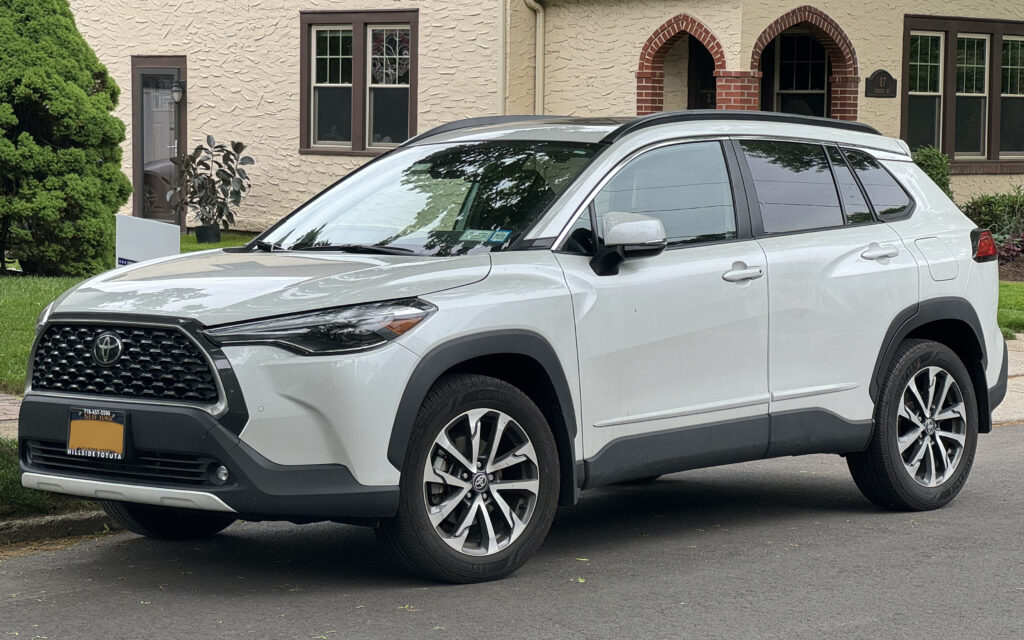
The Toyota Corolla Cross has become a popular choice among drivers looking for a practical, fuel-efficient, and affordable compact SUV. Combining Toyota's reputation for reliability with a spacious interior and modern safety features, it seems like an excellent option for everyday driving.
However, the Toyota Corolla Cross is not completely free from problems.
Some owners have reported engine stalling, start-stop malfunctions, electrical issues, infotainment glitches, and occasional transmission-related complaints. Certain model years have also been affected by official safety recalls involving braking systems, airbags, and hybrid components.
Does this mean the Corolla Cross is unreliable? Not necessarily.
Many reported issues affect only particular vehicles, production periods, or configurations. Others are simply characteristics of the vehicle rather than mechanical defects.
In this guide, we'll explore the most important Toyota Corolla Cross issues, explain their symptoms and possible causes, examine which model years deserve extra attention, and discuss how to prevent expensive repairs.
Content in this publication
- Is the Toyota Corolla Cross a Reliable SUV?
- 1. Toyota Corolla Cross Engine Stalling Problems
- 2. Toyota Corolla Cross Start-Stop System Issues
- 3. Toyota Corolla Cross Battery Problems
- 4. Toyota Corolla Cross Transmission Problems
- 5. Toyota Corolla Cross Hybrid Problems
- 6. Toyota Corolla Cross Brake Problems
- 7. Toyota Corolla Cross Electrical Problems
- 8. Toyota Corolla Cross Infotainment Problems
- 9. Toyota Corolla Cross Airbag Recalls
- 10. Toyota Corolla Cross Steering Issues
- 11. Corolla Cross Acceleration and Engine Noise
- 12. Toyota Corolla Cross Interior Problems
- 13. Toyota Corolla Cross Fuel Economy Issues
- 14. Toyota Corolla Cross Hybrid Pedestrian Warning Issue
- 15. Toyota Corolla Cross Problems by Model Year
- 16. Toyota Corolla Cross Repair Costs
- 17. How to Prevent Toyota Corolla Cross Problems
- 18. Should You Buy a Used Toyota Corolla Cross?
- 19. Warning Signs You Should Never Ignore
- 20. Is the Toyota Corolla Cross Worth Buying?
- Frequently Asked Questions About Toyota Corolla Cross Issues
- Conclusion: Understanding Toyota Corolla Cross Issues
Is the Toyota Corolla Cross a Reliable SUV?
Overall, the Toyota Corolla Cross remains an appealing option for drivers prioritizing efficiency, practicality, and straightforward everyday transportation.
Its reputation benefits from Toyota's extensive experience developing gasoline engines, hybrid systems, and compact vehicles.
Nevertheless, there are several important considerations.
The Corolla Cross is a relatively recent model in North America, having arrived for the 2022 model year. Consequently, it does not yet have the same long-term ownership history as older Toyota models.
Furthermore, reliability can vary depending on the model year, engine, manufacturing location, and maintenance history.
Toyota Corolla Cross Reliability Overview
| Category | General Assessment |
|---|---|
| Gasoline engine | Established technology, but some stalling complaints |
| Hybrid powertrain | Efficient, with certain model-specific recalls |
| Automatic transmission | Generally smooth, although acceleration can feel sluggish |
| Electrical system | Battery and electronic complaints reported |
| Infotainment | Occasional connectivity and software issues |
| Safety systems | Certain vehicles affected by recalls |
| Maintenance requirements | Generally manageable |
| Long-term reliability | Promising, but still developing |
A crucial distinction is that a reported complaint does not automatically confirm a widespread manufacturing defect.
We should also remember that a recall identifies a specific safety-related issue, not necessarily a problem affecting every vehicle produced in that model year.
1. Toyota Corolla Cross Engine Stalling Problems
One of the more concerning Toyota Corolla Cross issues involves reports of the engine shutting off or failing to restart when expected.
This problem has received particular attention on certain early gasoline-powered models.
Some drivers have described situations where the vehicle stops at an intersection and the engine does not restart automatically.
Symptoms of Engine Stalling
Possible symptoms include:
- Engine shutting off unexpectedly at a traffic light.
- Vehicle failing to restart after an automatic stop.
- Dashboard warning messages appearing.
- Engine requiring a manual restart.
- Unusual hesitation when accelerating.
- Start-stop system behaving inconsistently.
Not every engine shutdown indicates the same underlying fault.
Some situations involve normal start-stop operation, while others suggest a problem requiring diagnosis.
What Causes the Engine to Stall?
Potential causes include issues with the engine stop-start control logic, insufficient battery voltage, electrical connections, or other engine-management faults.
Toyota issued Technical Service Bulletin T-SB-0020-23, later revised, covering certain 2022–2023 Corolla Cross vehicles.
The bulletin describes an intermittent condition during windshield wiper operation in which the stop-start system may fail to restart the engine or reactivate after being manually switched off.
Toyota developed revised engine-control software to address the documented condition.
This service bulletin should not be confused with a safety recall.
How to Fix Corolla Cross Engine Stalling
If your Corolla Cross experiences this problem, we recommend:
- Record the driving conditions when the engine stalls.
- Note whether the windshield wipers were operating.
- Check whether the automatic start-stop function was active.
- Have the 12-volt battery and charging system tested.
- Ask a Toyota technician to check for applicable software updates.
- Request a diagnostic scan for stored trouble codes.
If the engine fails to restart in traffic, activate the hazard lights and follow the vehicle's safety instructions.
Do not continue driving a vehicle that repeatedly stalls unexpectedly until the cause has been diagnosed.
2. Toyota Corolla Cross Start-Stop System Issues
The automatic engine start-stop system is designed to reduce unnecessary fuel consumption while the vehicle is stationary.
In normal operation, the gasoline engine temporarily switches off under suitable conditions and restarts when the driver prepares to move.
However, some Corolla Cross owners have experienced irregular operation.
Common Start-Stop Complaints
Drivers may notice:
- Engine not restarting automatically.
- Start-stop function activating unexpectedly.
- Start-stop becoming unavailable.
- Delayed engine response when moving away.
- Dashboard messages indicating system limitations.
In some cases, these symptoms are associated with normal system operating conditions.
For example, the system may remain inactive when the battery charge is insufficient or when cabin temperature requirements demand continued engine operation.
Other cases require software or electrical diagnosis.
Start-Stop System Troubleshooting
We can begin with several simple checks.
Check battery condition: Automatic start-stop systems rely on sufficient battery performance. A weak 12-volt battery may interfere with operation.
Check system settings: Confirm whether the system has been manually disabled and whether its behavior matches the owner's manual.
Inspect warning messages: Dashboard notifications may indicate temporary operating restrictions or an actual malfunction.
Check for Toyota service bulletins: Certain 2022–2023 gasoline models may qualify for the documented software correction.
Avoid repeatedly replacing batteries or sensors without confirming the underlying problem.
A proper diagnostic evaluation is usually more effective.
3. Toyota Corolla Cross Battery Problems
Battery-related complaints are another area worth examining.
The Corolla Cross relies on a conventional 12-volt electrical system, even in hybrid versions.
However, the function of that battery differs between gasoline and hybrid models.
On gasoline vehicles, it supports conventional starting and electrical operation. On hybrid models, it powers low-voltage electronics and helps initialize the hybrid system.
Signs of a Weak Battery
Common symptoms include:
- Vehicle struggling to start or enter READY mode.
- Interior lights appearing unusually dim.
- Electronic features behaving inconsistently.
- Multiple dashboard warnings.
- Automatic start-stop becoming unavailable.
- Repeated need for jump-start assistance.
A battery problem may develop gradually or become noticeable after the vehicle has been parked for an extended period.
Why Does the Corolla Cross Battery Drain?
Potential causes include:
- Frequent short journeys.
- Extended parking periods.
- Aging battery cells.
- Accessories drawing electricity while parked.
- Loose or corroded electrical connections.
- Charging-system problems.
- Excessive parasitic electrical draw.
A weak battery can sometimes produce electronic symptoms that appear unrelated.
For this reason, checking battery voltage and health is an important early diagnostic step.
How to Prevent Battery Problems
We recommend checking the battery periodically, particularly before long trips.
If the vehicle is rarely driven, an appropriate battery maintainer may help preserve its condition.
Also, avoid leaving accessories connected unnecessarily while the vehicle is switched off.
When replacing the battery, use the correct specification for the exact vehicle configuration.
Hybrid owners should follow Toyota's specified procedures for accessing and testing the low-voltage battery.
4. Toyota Corolla Cross Transmission Problems
The gasoline-powered Toyota Corolla Cross uses a continuously variable transmission, or CVT, in the North American market.
Toyota's Direct Shift-CVT uses a physical launch gear alongside its variable-ratio mechanism.
Although designed for efficiency and smooth operation, its driving characteristics may feel different from those of a traditional stepped automatic transmission.
Common Transmission Complaints
Some drivers describe:
- Sluggish acceleration.
- High engine RPM during acceleration.
- Delayed response when pressing the accelerator.
- Unusual engine noise under load.
- Occasional hesitation.
- A sensation of the engine working harder than expected.
However, not all these characteristics indicate transmission damage.
A CVT can hold the engine at a relatively steady or elevated RPM while vehicle speed increases.
This may feel unusual to drivers accustomed to conventional automatic gear changes.
Normal CVT Behavior vs. a Fault
| Symptom | Possible Explanation |
|---|---|
| High RPM under hard acceleration | Often normal CVT operation |
| Gradual acceleration response | Possible normal powertrain characteristic |
| Strong vibration or shuddering | Requires inspection |
| Transmission warning light | Diagnostic evaluation necessary |
| Unusual whining that worsens | Possible mechanical concern |
| Loss of drive | Stop driving and seek professional assistance |
The distinction matters because replacing transmission components unnecessarily can be extremely expensive.
How to Maintain the Corolla Cross CVT
To reduce unnecessary wear:
- Follow the transmission maintenance requirements for your market.
- Use only the specified transmission fluid.
- Investigate fluid leaks promptly.
- Avoid repeatedly forcing the vehicle through deep mud or excessive loads.
- Pay attention to new vibrations or abnormal noises.
- Have transmission-related trouble codes diagnosed.
Toyota's hybrid Corolla Cross uses an electronically controlled hybrid transaxle, commonly called an eCVT.
Despite the similar name, it operates differently from the gasoline model's conventional belt-and-pulley CVT system.
We should therefore avoid assuming that every transmission complaint applies equally to both versions.
5. Toyota Corolla Cross Hybrid Problems
The Corolla Cross Hybrid combines a gasoline engine with electric motors to improve fuel efficiency and everyday drivability.
Its hybrid system is attractive for city driving, where regenerative braking and electric assistance can reduce fuel consumption.
Nevertheless, particular hybrid models have experienced safety recalls.
Hybrid System Warning Messages
Possible signs of a hybrid powertrain problem include:
- Check Hybrid System warning messages.
- Reduced acceleration.
- Vehicle failing to enter READY mode.
- Unusual electrical warning indicators.
- Unexpected loss of propulsion.
- Abnormal operation of the hybrid cooling system.
These symptoms do not identify one specific component.
A warning could originate from the low-voltage battery, a sensor, power electronics, cooling equipment, or another system.
A Toyota-compatible diagnostic scan is necessary to establish the cause.
2026 Corolla Cross Hybrid Inverter Recall
In December 2025, Toyota announced a safety recall involving certain 2026 Corolla Cross Hybrid vehicles, alongside some Camry Hybrid models.
The issue concerns a bolt inside the hybrid inverter that may not have been tightened properly.
In affected vehicles, the condition could cause loss of driving power or an electrical short, creating a potential fire risk.
The identified remedy involves replacement of the affected inverter assembly at no cost to the owner.
Importantly, this recall does not mean every 2026 Corolla Cross Hybrid has a defective inverter.
Owners should verify eligibility using the vehicle identification number.
Does the Corolla Cross Hybrid Have Battery Issues?
There is an important difference between the hybrid traction battery and the smaller 12-volt battery.
The high-voltage traction battery stores energy used by the electric drive system.
The 12-volt battery supports electronic systems and initialization.
A vehicle that will not enter READY mode does not necessarily have a defective high-voltage battery.
Before assuming expensive hybrid battery failure, we should investigate low-voltage power supply problems and scan the vehicle for appropriate diagnostic codes.
Never attempt to open or repair high-voltage hybrid components without the required qualifications and equipment.
6. Toyota Corolla Cross Brake Problems
Brake performance is among the most important safety considerations when evaluating any vehicle.
The Corolla Cross has experienced a documented brake-related recall affecting certain hybrid versions.
Corolla Cross Hybrid Hard Brake Pedal Recall
Toyota announced a safety recall in September 2024 covering certain 2023–2024 Corolla Cross Hybrid vehicles.
Under particular circumstances, the driver could experience a temporarily hard brake pedal while braking during a turn.
This condition could reduce expected braking assistance and increase stopping distance.
Toyota's remedy involved updating the programming of the brake actuator's skid-control electronic control unit.
The repair was provided at no cost for affected vehicles.
Symptoms That Require Attention
Regardless of recall status, have the vehicle inspected if you experience:
- Brake pedal becoming unexpectedly hard.
- Increased stopping distance.
- Brake warning lights.
- Unusual grinding noises.
- Strong steering-wheel vibration while braking.
- Vehicle pulling to one side.
- Brake pedal feeling abnormally soft.
Some symptoms may result from ordinary brake wear.
Others can indicate a serious safety concern.
If braking performance becomes unpredictable, avoid driving the vehicle until it has been inspected.
Preventing Brake System Issues
Routine brake maintenance should include inspection of pads, rotors, brake fluid, hoses, and electronic system warnings.
Hybrid models also use regenerative braking, which can change how the braking system feels compared with a conventional gasoline vehicle.
However, a sudden loss of braking assistance should never be dismissed as normal regenerative braking behavior.
7. Toyota Corolla Cross Electrical Problems
Modern vehicles contain numerous electronic control units, sensors, cameras, and communication networks.
Although these systems improve comfort and safety, they can also make electrical diagnosis more complicated.
Corolla Cross owners have reported various electrical concerns, including warning lights, intermittent functions, and equipment malfunctions.
Common Electrical Symptoms
Potential issues include:
- Multiple dashboard lights illuminating together.
- Electronic accessories operating intermittently.
- Backup camera display problems.
- Keyless entry failing to respond.
- USB charging problems.
- Unexpected warning messages.
- Driver-assistance systems becoming temporarily unavailable.
These symptoms can have several different causes.
How to Diagnose Electrical Issues
We recommend starting with the basics.
Check the condition of the 12-volt battery, battery terminals, and relevant fuses.
Next, determine whether the problem affects one individual feature or several unrelated systems.
Multiple systems failing simultaneously may suggest a shared power supply, communication, or control-module issue.
A professional diagnostic scanner can retrieve stored fault codes and help identify the affected circuit.
Do not replace expensive electronic modules based solely on a dashboard warning.
8. Toyota Corolla Cross Infotainment Problems
The Corolla Cross includes multimedia technology such as touchscreen controls, Bluetooth connectivity, and smartphone integration.
Some owners have reported problems with Apple CarPlay, Android Auto, and phone pairing.
Common Infotainment Issues
Reported symptoms include:
- Smartphone disconnecting unexpectedly.
- Navigation audio not working.
- Bluetooth pairing failures.
- Touchscreen freezing.
- Delayed touchscreen response.
- Audio interruptions.
- Wireless smartphone connections becoming unreliable.
These problems may be caused by software compatibility, phone settings, interference, or faults in the vehicle's multimedia system.
How to Fix Corolla Cross Infotainment Problems
We can try the following troubleshooting steps:
- Restart the smartphone.
- Check for available phone operating-system updates.
- Remove the vehicle from the phone's saved connection list.
- Remove the phone from the vehicle's saved devices.
- Pair the devices again.
- Test another compatible smartphone.
- Check whether an infotainment software update is available.
For wired systems, inspect the USB cable and port.
If multiple compatible phones experience the same issue, the vehicle's multimedia system should be examined.
Persistent faults may require a dealership software update or hardware diagnosis.
9. Toyota Corolla Cross Airbag Recalls
Safety equipment deserves particular attention when purchasing a used Corolla Cross.
Certain early vehicles were affected by airbag-related recall campaigns.
Front Passenger Airbag Concern
In December 2023, Toyota announced a recall involving certain 2022–2023 Corolla Cross vehicles.
The concern involved a manufacturing problem with the instrument panel that could interfere with proper front passenger airbag deployment.
Some vehicles had already been inspected under an earlier recall, but the original inspection process might not have identified every affected vehicle.
Toyota required reinspection and, where necessary, instrument panel replacement.
The manufacturer advised against using the front passenger seat on affected vehicles until the necessary inspection and remedy were completed.
Steering Column Airbag Concern
A separate recall announced in January 2025 included certain 2023 Corolla Cross and Corolla Cross Hybrid vehicles that might have been incorrectly repaired during an earlier campaign.
The concern involved an electrical connection within the steering column spiral cable assembly.
In affected vehicles, the driver's airbag could become inoperative.
The prescribed remedy involved inspection and replacement of the spiral cable assembly where necessary.
How to Check Airbag Recall Status
Before buying a used Corolla Cross:
- Obtain its complete VIN.
- Check the official recall records for the relevant country.
- Confirm whether any airbag campaign remains open.
- Ask for documentation of completed recall repairs.
- Arrange an authorized Toyota inspection if the repair history is unclear.
An airbag warning light should always receive professional attention.
10. Toyota Corolla Cross Steering Issues
Some owner complaints also concern steering behavior or power-steering warnings.
Potential symptoms include unusual steering effort, warning lights, vibration, or inconsistent steering assistance.
However, isolated complaints should not be interpreted as proof of a widespread steering defect.
Possible Causes
Depending on the specific symptom, possible causes include:
- Low electrical system voltage.
- Faulty steering sensors.
- Electric power-steering control problems.
- Tire or wheel defects.
- Wheel alignment issues.
- Damaged suspension or steering components.
It is important to distinguish steering-system faults from ordinary tire and suspension problems.
For example, vibration at highway speeds may be caused by tire imbalance rather than a defective steering motor.
What Should We Do?
If steering becomes unexpectedly heavy, difficult, or unpredictable, stop safely and arrange an inspection.
For less severe symptoms, such as mild vibration, begin with tire pressures, wheel balance, and suspension inspection.
Avoid assuming that a steering warning can be resolved by simply disconnecting the battery.
11. Corolla Cross Acceleration and Engine Noise
One of the most frequent criticisms of the gasoline Corolla Cross concerns its relatively modest acceleration.
This is particularly noticeable when merging onto highways or overtaking other vehicles.
Why Does the Corolla Cross Feel Slow?
The gasoline engine and CVT prioritize efficiency and everyday usability rather than sporty performance.
As a result, the vehicle may feel less responsive than turbocharged rivals.
Under hard acceleration, the engine can also become noticeably loud.
This does not necessarily indicate a mechanical problem.
When Is Slow Acceleration Abnormal?
We should investigate if the vehicle develops:
- A sudden reduction in performance.
- Rough engine operation.
- Misfiring.
- Unexpected surging.
- Severe hesitation.
- Warning lights accompanied by reduced power.
Possible causes include ignition problems, fuel delivery faults, sensor issues, or powertrain protection strategies.
A vehicle that has always accelerated gradually may simply be exhibiting its normal performance characteristics.
A vehicle that suddenly loses acceleration requires diagnosis.
12. Toyota Corolla Cross Interior Problems
Although the Corolla Cross offers a practical cabin, some drivers feel its materials and refinement are less impressive than expected.
These complaints are primarily related to design and comfort rather than mechanical reliability.
Common Interior Complaints
Owners and reviewers have mentioned:
- Extensive hard-plastic surfaces.
- Road noise entering the cabin.
- Limited rear-seat legroom.
- Engine noise during acceleration.
- Interior rattles.
- Modest cabin insulation.
Some vehicles may also develop squeaks or vibrations over time.
How to Reduce Interior Noise
If your Corolla Cross develops unusual rattles, check for loose items in storage compartments, the cargo area, and the spare-wheel compartment if equipped.
Inspect door seals and interior trim for obvious looseness.
Tire condition can also influence road noise.
However, avoid unnecessary modifications that could interfere with airbags, wiring, or safety systems.
When buying a used vehicle, test it on both smooth roads and rough surfaces to assess cabin noise.
13. Toyota Corolla Cross Fuel Economy Issues
Fuel efficiency is one of the Corolla Cross's strongest selling points.
However, some drivers may notice that real-world consumption differs from official estimates.
This is not necessarily evidence of a mechanical fault.
Why Is Fuel Consumption Higher Than Expected?
Several factors influence fuel economy:
- Heavy traffic.
- Frequent short trips.
- Aggressive acceleration.
- Low tire pressure.
- Cold weather.
- Air-conditioning demand.
- Roof racks or additional cargo.
- Mountainous terrain.
- Prolonged idling.
Hybrid models can deliver excellent efficiency in urban driving, but results still depend heavily on journey length and driving conditions.
How to Improve Fuel Economy
We recommend maintaining the correct tire pressures, accelerating progressively, and avoiding unnecessary cargo.
Keep up with scheduled maintenance and investigate persistent warning lights.
Compare consumption over several full fuel tanks instead of relying on a single short journey.
Extremely short trips can produce misleading fuel economy readings because the engine may spend much of the journey warming up.
14. Toyota Corolla Cross Hybrid Pedestrian Warning Issue
Another recall affecting certain hybrid models concerns the sound emitted to alert pedestrians when the vehicle is reversing.
In March 2026, Toyota announced a recall involving certain 2023–2025 Corolla Cross Hybrid vehicles in North America.
The affected vehicles could produce a reverse pedestrian-warning sound quieter than required by the applicable US safety standard.
This could make the approaching or reversing vehicle more difficult for pedestrians to notice.
What Is the Solution?
Toyota's specified remedy is a software update to the relevant warning system.
Eligible vehicles receive the recall repair free of charge.
This issue illustrates why recall checks remain important even when a vehicle appears to function normally.
A safety defect may not create an obvious dashboard warning or noticeable driving symptom.
15. Toyota Corolla Cross Problems by Model Year
Not every Corolla Cross model year has the same ownership history.
Different years may have different powertrain configurations, equipment, software, and recall campaigns.
The following overview focuses primarily on North American vehicles.
2022 Toyota Corolla Cross Issues
The 2022 model represents the first North American model year.
Areas worth checking include:
- Start-stop system behavior.
- Engine restart complaints.
- Battery condition.
- Passenger airbag recall eligibility.
- Infotainment operation.
Because it was an early production year, a thorough service-history review is particularly useful.
2023 Toyota Corolla Cross Issues
The 2023 model deserves careful attention when shopping used.
Owner complaints include engine stalling, start-stop problems, electrical behavior, and other concerns.
Relevant safety campaigns may include airbag-related issues, while certain hybrid vehicles were affected by the brake-system recall.
This does not mean every 2023 vehicle is unreliable.
Nevertheless, we recommend verifying software updates and completed recall repairs before purchasing.
2024 Toyota Corolla Cross Issues
The 2024 Corolla Cross continued with the established gasoline and hybrid configurations in North America.
Some owner feedback concerns infotainment connectivity, engine refinement, and occasional electrical symptoms.
Certain 2024 hybrid vehicles were included in the hard brake pedal recall.
A detailed inspection remains important, particularly if the vehicle has an incomplete maintenance history.
2025 Toyota Corolla Cross Issues
The 2025 model includes continuing gasoline and hybrid powertrain options.
Owner feedback includes occasional smartphone connectivity problems and complaints about refinement.
Certain 2025 Corolla Cross Hybrid vehicles were also included in the pedestrian-warning sound recall announced in 2026.
Because these vehicles are relatively new, their complete long-term reliability record is still developing.
2026 Toyota Corolla Cross Issues
The 2026 model introduced styling and equipment changes in several markets.
A particularly important documented issue concerns the inverter recall affecting certain 2026 hybrid vehicles.
Prospective buyers should check whether a vehicle is included in that campaign and whether the remedy has been completed.
It is too early to draw strong conclusions about the 2026 model's long-term mechanical durability.
Which Toyota Corolla Cross Year Has the Most Problems?
Among early North American model years, the 2023 Corolla Cross has accumulated a relatively prominent number of owner complaints, particularly concerning stalling and engine restart behavior.
However, raw complaint totals are not equivalent to failure rates.
Sales volumes, vehicle age, mileage, and reporting behavior all influence complaint counts.
For this reason, we should not automatically declare one model year the least reliable without considering those factors.
A properly maintained vehicle with completed recalls may be a better purchase than a newer example with neglected service history.
16. Toyota Corolla Cross Repair Costs
Repair expenses vary according to location, model year, engine type, labor rates, and warranty coverage.
The following figures are broad US-dollar budgeting estimates rather than fixed Toyota prices.
| Repair or Service | Approximate Cost (USD) |
|---|---|
| Basic diagnostic inspection | $100–$200 |
| 12-volt battery replacement | $150–$350 |
| Wheel alignment | $100–$200 |
| Brake pads replacement, one axle | $200–$450 |
| Brake pads and rotors, one axle | $350–$700 |
| General software diagnosis/update outside recall coverage | $100–$250 |
| Electrical fault diagnosis | $100–$300 |
| Transmission-related diagnostic inspection | $120–$250 |
Actual costs can fall outside these ranges.
Major component repairs, particularly transmission or hybrid power-electronics replacements, may be considerably more expensive.
Important: An applicable safety recall repair should be completed free of charge through an authorized Toyota dealer.
Before approving an expensive repair, confirm whether the issue is covered by a warranty, recall, or applicable service campaign.
17. How to Prevent Toyota Corolla Cross Problems
Preventive maintenance can reduce the likelihood of unnecessary breakdowns and help identify developing issues.
While maintenance cannot prevent a manufacturing defect, it remains essential for long-term reliability.
Follow the Correct Maintenance Schedule
Use the maintenance schedule provided for your exact vehicle and market.
Driving conditions may affect the recommended inspection and replacement intervals.
Vehicles frequently used for short trips, dusty roads, or demanding conditions may require additional attention.
Keep Fluids and Filters in Good Condition
Routine maintenance should include appropriate inspection of:
- Engine oil.
- Coolant.
- Brake fluid.
- Engine air filter.
- Cabin air filter.
- Transmission fluid according to Toyota's specified requirements.
Always use fluids meeting the manufacturer's specifications.
Monitor Tire Condition
Incorrect tire pressure can negatively affect fuel efficiency, handling, braking, and tire wear.
Inspect tire pressure regularly and check for uneven wear patterns.
Investigate Warning Lights Promptly
Ignoring a persistent check engine light or hybrid warning can allow a minor issue to become more serious.
Record the warning message and arrange a diagnosis.
Do not assume that clearing a trouble code has repaired the underlying problem.
Check Recalls Periodically
Manufacturers may announce recalls after a vehicle has already been sold.
We recommend checking official recall information periodically, especially before purchasing a used vehicle or planning a long journey.
18. Should You Buy a Used Toyota Corolla Cross?
A used Toyota Corolla Cross can be a sensible purchase for drivers who prioritize fuel efficiency and everyday practicality.
However, selecting the right individual vehicle is more important than relying entirely on the model's reputation.
Used Corolla Cross Buying Checklist
Before purchasing, we recommend:
- Confirming the vehicle's VIN and recall status.
- Reviewing maintenance records.
- Checking for previous accident damage.
- Testing the engine start-stop system where fitted.
- Inspecting the 12-volt battery.
- Checking infotainment and smartphone connectivity.
- Testing acceleration and transmission response.
- Listening for unusual suspension or drivetrain noises.
- Checking all dashboard warning lights.
- Arranging an independent pre-purchase inspection.
For a hybrid model, request a professional inspection of the hybrid system and review any available battery-health information.
Gasoline vs. Hybrid: Which Is Better?
The gasoline Corolla Cross may appeal to buyers seeking a lower initial purchase price and familiar powertrain technology.
The hybrid offers stronger efficiency potential, especially in urban driving, and its electric assistance can improve everyday responsiveness.
However, the best choice depends on purchase price, annual mileage, local fuel costs, and the vehicle's condition.
Neither version should be judged solely by isolated online complaints.
19. Warning Signs You Should Never Ignore
Some Corolla Cross symptoms should receive immediate professional attention.
These include unexpected engine shutdowns, sudden loss of propulsion, serious steering difficulties, or changes in braking performance.
A persistent red warning light may also indicate a condition requiring immediate action.
If the vehicle becomes unsafe to operate, pull over when possible and arrange appropriate assistance.
For hybrid vehicles, never attempt to inspect or repair high-voltage components without specialist training.
The priority should always be safe diagnosis rather than continuing to drive and hoping the warning disappears.
20. Is the Toyota Corolla Cross Worth Buying?
Despite its documented issues, the Toyota Corolla Cross remains an attractive option in the compact SUV market.
Its main strengths include practical packaging, fuel-efficient powertrains, accessible controls, and the availability of Toyota's hybrid technology.
However, buyers should also consider its limitations.
The gasoline model is not particularly quick, the cabin can become noisy during acceleration, and some interior materials feel basic.
Furthermore, particular model years and production batches require recall verification.
For many drivers, these disadvantages will be manageable.
The key is understanding which concerns involve normal vehicle characteristics and which require mechanical or safety-related attention.
Frequently Asked Questions About Toyota Corolla Cross Issues
1. What Are the Most Common Toyota Corolla Cross Problems?
Reported Toyota Corolla Cross problems include engine stalling, automatic start-stop malfunctions, battery and electrical issues, infotainment connectivity problems, and concerns about acceleration.
Certain vehicles have also been affected by official safety recalls involving airbags, hybrid braking, inverter components, and pedestrian-warning systems.
The prevalence of each problem varies by model year and powertrain.
2. Does the Toyota Corolla Cross Have Transmission Problems?
Some owners report sluggish acceleration, delayed response, or high engine RPM.
However, these symptoms can reflect normal CVT operation rather than transmission failure.
Abnormal shuddering, persistent warning lights, severe vibration, or loss of drive should be inspected by a qualified technician.
3. Are Toyota Corolla Cross Hybrid Models Reliable?
The Corolla Cross Hybrid uses Toyota's established hybrid technology and offers strong fuel-economy potential.
However, selected model years have experienced recalls involving braking assistance, inverter components, and pedestrian-warning sounds.
A completed recall does not automatically imply poor long-term reliability, but owners should verify that all applicable repairs have been performed.
4. Which Toyota Corolla Cross Years Should You Avoid?
There is insufficient long-term evidence to identify one universally unacceptable model year.
The 2023 model deserves particular scrutiny because of reported stalling and start-stop concerns.
However, a vehicle with complete service records and completed recall repairs may still be an excellent purchase.
We recommend evaluating the individual car rather than rejecting an entire model year automatically.
5. How Long Can a Toyota Corolla Cross Last?
A well-maintained Corolla Cross may provide many years of service.
Reaching 150,000–200,000 miles or more is a reasonable long-term ownership goal, but it is not a verified lifespan guarantee for this relatively new model.
Actual durability depends on maintenance, driving habits, climate, manufacturing quality, and the timely correction of developing problems.
Because the Corolla Cross has a limited long-term history, its ultimate high-mileage reliability remains to be established.
Conclusion: Understanding Toyota Corolla Cross Issues
The Toyota Corolla Cross offers many qualities that make a compact SUV attractive: practicality, efficiency, useful safety technology, and relatively straightforward everyday driving.
Nevertheless, ownership is not entirely free from potential problems.
The most important documented concerns include start-stop system malfunctions on certain early gasoline vehicles and safety recalls involving airbags, hybrid brakes, inverter components, and pedestrian-warning systems.
Other criticisms, such as modest acceleration, noticeable engine noise, and basic interior materials, are often characteristics of the vehicle rather than mechanical defects.
Our recommendation is to focus on maintenance history, vehicle condition, and completed recall repairs rather than assuming that every Corolla Cross suffers from the same issues.
With appropriate servicing, timely diagnosis, and careful vehicle selection, the Toyota Corolla Cross remains a practical option worth considering for daily commuting and family transportation.
If you want to know other articles similar to Toyota Corolla Cross Issues: Common Problems and Fixes you can visit the category Common Problems.
Toyota RAV4 Issues: Common Problems, Worst Years, and What Owners Should Know
The Most Common Kia Ceed Problems: Reliability, Known Faults, Repair Costs and What to Watch For
Common Kia Sportage Problems: What Owners Should Know
Toyota Yaris Cross Common Problems: Reliability, Known Issues, and What Owners Should Know
MG HS Problems: Common Faults, Reliability and Years to Avoid (2019–2026)
Toyota Yaris Cross Battery Problems: Causes & Fixes
Leave a Reply
More content of your interest