

Toyota Yaris Cross Battery Problems: Causes & Fixes

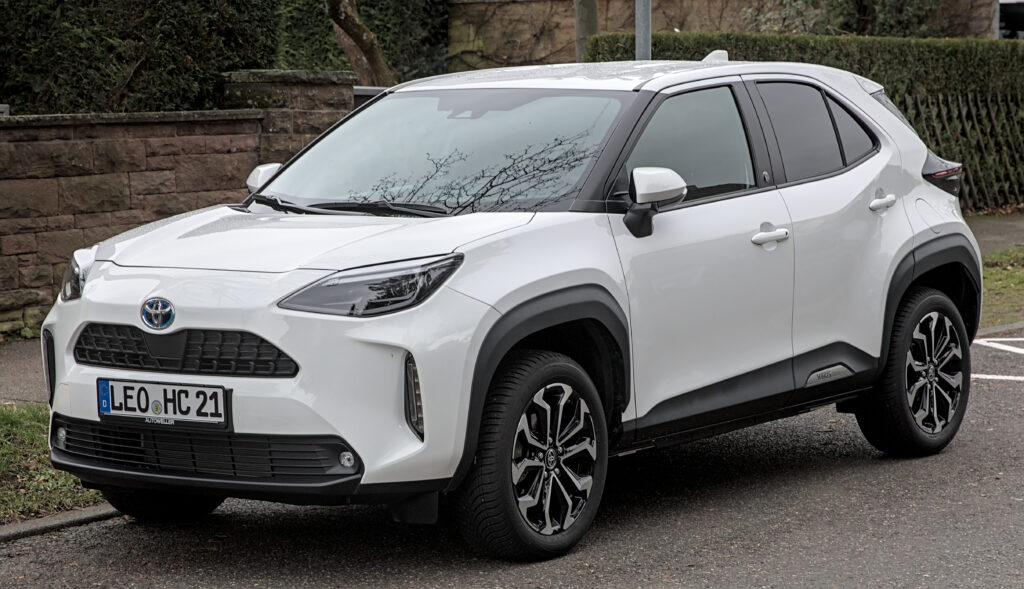
The Toyota Yaris Cross has earned a reputation for fuel efficiency, practicality, and dependable hybrid technology. However, Toyota Yaris Cross battery problems have become a significant concern for some owners, particularly those experiencing repeated 12V battery failures, unexpected discharge, or difficulties starting their vehicles.
Imagine leaving your Yaris Cross parked for several days, returning to use it, and discovering that the doors will not unlock electronically or the vehicle refuses to start. Unfortunately, this scenario has been reported by owners, including drivers of relatively new models.
The good news is that not every battery issue indicates an expensive hybrid system failure. In many cases, the problem involves the smaller 12V auxiliary battery rather than the high-voltage battery that powers the electric motor.
In this comprehensive guide, we'll explore the most common Toyota Yaris Cross battery problems, their underlying causes, warning signs, troubleshooting methods, replacement considerations, and ways to prevent future breakdowns.
Content in this publication
- Does the Toyota Yaris Cross Have Battery Problems?
- Understanding the Two Batteries in the Toyota Yaris Cross Hybrid
- Common Toyota Yaris Cross 12V Battery Problems
- Why Does the Toyota Yaris Cross Battery Keep Dying?
- Toyota Yaris Cross Battery Problems by Model Year
- How to Tell If Your Toyota Yaris Cross Battery Is Failing
- How to Check the Toyota Yaris Cross 12V Battery
- How to Jump-Start a Toyota Yaris Cross Hybrid
- How to Recharge the Toyota Yaris Cross 12V Battery
- Toyota Yaris Cross Hybrid Battery Problems
- How Long Does the Toyota Yaris Cross Battery Last?
- Toyota Yaris Cross Battery Replacement
- Does Toyota Cover Yaris Cross Battery Problems Under Warranty?
- How to Prevent Toyota Yaris Cross Battery Problems
- What to Do If Your Yaris Cross Is Parked for Two Weeks
- Toyota Yaris Cross Battery Keeps Dying After Replacement
- When Should You Visit a Toyota Dealer?
- Is the Toyota Yaris Cross Still Reliable?
- Frequently Asked Questions
- 1. Why does my Toyota Yaris Cross battery keep going flat?
- 2. Can a Toyota Yaris Cross hybrid start with a flat 12V battery?
- 3. How long can a Toyota Yaris Cross sit without being driven?
- 4. Does the Toyota Yaris Cross have hybrid battery problems?
- 5. Has Toyota fixed the Yaris Cross 12V battery problem?
- Conclusion
Does the Toyota Yaris Cross Have Battery Problems?
Yes. Some Toyota Yaris Cross owners have reported problems with the 12V auxiliary battery, including unexpected discharge, starting difficulties, and repeated battery failures.
These concerns have attracted attention in the United Kingdom, where consumer research has identified unusually high rates of reported 12V battery faults among certain modern hybrid vehicles.
A Which? reliability survey conducted between April and June 2025 and published in 2026 reported a 19.1% 12V battery fault rate for the Toyota Yaris Cross among surveyed vehicles less than four years old. This figure relates to faults reported during the survey's 12-month reference period, not the lifetime probability of failure for every Yaris Cross.
Importantly, this does not mean that 19.1% of all Toyota Yaris Cross vehicles will experience battery problems.
The findings highlight a genuine ownership concern, particularly for people who drive infrequently or regularly leave their vehicles parked.
Toyota has also acknowledged that insufficient recharging, short journeys, and the electrical demands of modern vehicles can contribute to 12V battery discharge.
Understanding the Two Batteries in the Toyota Yaris Cross Hybrid
Before diagnosing any Toyota Yaris Cross hybrid battery problems, we need to understand how its electrical system works.
Unlike conventional petrol vehicles, the hybrid version uses two separate battery systems with different responsibilities.
1. The 12V Auxiliary Battery
The 12V auxiliary battery provides low-voltage electrical power to essential vehicle systems.
These include:
- Electronic control modules
- Central locking and keyless entry
- Dashboard electronics
- Vehicle security systems
- Infotainment and other electrical accessories
- Control systems required to activate the hybrid powertrain
The 12V battery does not normally crank the petrol engine in the same way as a conventional starter battery.
Instead, it helps activate the electronics required to bring the hybrid system into READY mode.
If this battery becomes discharged, the vehicle may fail to start even when the larger hybrid battery has sufficient energy.
2. The High-Voltage Hybrid Battery
The high-voltage battery stores energy for the electric motor and forms part of Toyota's hybrid propulsion system.
It supports:
- Electric-only driving under suitable conditions
- Acceleration assistance
- Regenerative braking
- Improved fuel economy
- Hybrid power management
Unlike the 12V battery, the high-voltage battery is managed automatically by the vehicle's hybrid control system.
Its charging level normally changes during driving.
A low reading on the hybrid battery display does not automatically indicate a battery defect.
Toyota Yaris Cross Battery Comparison
| Feature | 12V Battery | Hybrid Battery |
|---|---|---|
| Main purpose | Powers low-voltage electronics | Powers the electric drive system |
| Primary charging source | DC-DC converter when hybrid system is active | Engine and regenerative braking |
| Common reported issue | Discharge or failure | Less frequently reported system faults |
| Owner replacement | Possible with correct specifications | Requires qualified hybrid technicians |
| Typical symptoms | No READY mode, weak electronics | Hybrid warning messages, reduced performance |
| Safety consideration | Standard battery precautions | High-voltage electrical hazards |
Important: Petrol-only Yaris Cross versions sold in some markets use a conventional electrical and charging arrangement. The hybrid-specific information in this guide applies to hybrid models.
Common Toyota Yaris Cross 12V Battery Problems
Most frequently reported Toyota Yaris Cross battery complaints concern the smaller auxiliary battery.
Let's examine the symptoms owners may experience.
Toyota Yaris Cross Battery Keeps Going Flat
One frustrating situation occurs when the vehicle's 12V battery repeatedly loses charge.
Some drivers report returning after a short period of inactivity to find their Yaris Cross unable to start.
Others experience recurring problems despite previously charging or jump-starting the battery.
Possible causes include insufficient charging during normal use, battery deterioration, excessive electrical consumption, or an underlying electrical fault.
Repeated discharge should not automatically be considered normal.
A healthy battery should be able to support the vehicle's expected standby requirements under appropriate conditions.
Toyota Yaris Cross Not Starting
A discharged 12V battery can prevent the hybrid system from activating.
Common symptoms include:
- The START button produces no normal response.
- Dashboard displays remain off or behave unusually.
- The READY indicator does not illuminate.
- Warning messages appear unexpectedly.
- The central locking system responds slowly or stops working.
However, starting problems can also involve the smart key, brake switch, electrical connections, or hybrid control system.
A battery test is therefore preferable to replacing parts without diagnosis.
Battery Draining While Parked
Modern vehicles use electricity even when switched off.
Security systems, communication modules, electronic controls, and connected services may continue drawing small amounts of current.
This is known as parasitic or standby electrical consumption.
Normally, the vehicle is designed to tolerate this consumption.
However, when the 12V battery has limited remaining capacity, relatively modest standby consumption may eventually leave it discharged.
Repeated Battery Warnings
Some owners receive low-battery notifications through their vehicle's connected services.
Toyota has explained that certain MyToyota starter battery notifications are predictive rather than direct measurements of battery charge.
This means the message may be generated from factors such as vehicle usage patterns.
Nevertheless, repeated notifications should not be ignored, especially when accompanied by starting difficulties.
Why Does the Toyota Yaris Cross Battery Keep Dying?
There is no single explanation for every case.
Several factors can contribute to battery problems, and more than one may be present simultaneously.
1. Frequent Short Journeys
Short journeys can make it difficult for the battery to recover the energy consumed by the vehicle's electrical systems.
For example, an owner might:
- Drive five minutes to a supermarket.
- Park for several hours.
- Drive home.
- Repeat this pattern throughout the week.
Although the hybrid system charges the 12V battery when active, the available charging time may be insufficient to maintain an adequate reserve under some conditions.
Toyota recommends combining short journeys and periodically driving for longer periods.
2. Leaving the Vehicle Parked for Extended Periods
A Toyota Yaris Cross parked for several days or weeks continues to consume some battery power.
The amount depends on the vehicle's condition, connected systems, ambient temperature, and any accessories installed.
A battery already partially discharged may not have sufficient reserve to support this standby consumption.
There is no universal number of days after which every Yaris Cross battery will become flat.
Some vehicles tolerate extended parking without problems, while others may experience trouble sooner.
3. Reduced 12V Battery Capacity
Battery capacity plays an important role in how long a vehicle can remain parked.
A battery with limited usable capacity has less energy available to support electrical systems when the vehicle is switched off.
This does not necessarily mean the battery has a manufacturing defect.
However, an undersized, degraded, or unsuitable battery can make discharge more likely.
Toyota UK has confirmed that an enhanced 12V battery was introduced for the Yaris Hybrid and Yaris Cross Hybrid from November 2024 production.
Owners of earlier vehicles experiencing repeated problems can ask their dealer whether an appropriate updated replacement is available.
4. Cold Weather
Cold weather reduces the chemical activity inside conventional 12V batteries.
At the same time, drivers may rely more heavily on electrical equipment such as lights, heated windows, and climate control.
The combination of reduced battery performance and increased electrical demands can expose an already weakened battery.
A vehicle that starts normally during warmer months may therefore experience problems when temperatures fall.
5. Electrical Accessories
Aftermarket electrical accessories can increase battery consumption.
Examples include:
- Dash cameras with parking surveillance
- GPS trackers
- Security systems
- USB-powered devices
- Additional electronic equipment
A dash camera that continues recording while the vehicle is parked can be particularly relevant.
A correctly installed accessory should have suitable low-voltage protection, but poor installation or inadequate protection can result in excessive battery discharge.
6. Battery Deterioration
Every 12V battery gradually deteriorates through age and use.
Repeated deep discharge can accelerate this process.
A battery may still show a reasonable voltage immediately after charging while having insufficient capacity to support the vehicle reliably.
This explains why some owners experience recurring failures even after successful jump-starts.
7. Charging or Electrical System Faults
Not every discharged battery results from driving habits.
Potential electrical faults include:
- Abnormal standby current
- Poor battery connections
- Incorrect battery monitoring
- Malfunctioning electronic modules
- Problems with the DC-DC charging system
- Software-related electrical issues
These problems require proper diagnostic testing.
If the battery repeatedly goes flat despite normal vehicle usage, the charging system and parasitic current should be investigated.
Toyota Yaris Cross Battery Problems by Model Year
Battery complaints have been reported across several model years, but this does not establish that every production year has the same failure rate or a specific manufacturing defect.
| Model Year | Battery Considerations |
|---|---|
| 2021 | Early production vehicles may warrant attention to battery condition and service history |
| 2022 | Check for previous discharge events and battery replacements |
| 2023 | Assess 12V battery health, especially on lightly used vehicles |
| 2024 | Confirm production date and whether the enhanced battery applies |
| 2025 | Updated 12V batteries may be fitted, depending on production date and market |
| 2026 | Updated specifications do not eliminate the need for battery maintenance and diagnosis |
Toyota UK has specifically referred to enhanced battery fitment beginning in November 2024.
This should not be interpreted as proof that all earlier vehicles are defective or that every later vehicle is immune to battery problems.
For used-car buyers, the condition of the individual vehicle is more informative than its registration year alone.
How to Tell If Your Toyota Yaris Cross Battery Is Failing
Battery problems often produce warning signs before a complete breakdown.
We can look for changes in how the vehicle behaves.
Common Warning Signs
| Symptom | Possible Explanation | Recommended Action |
|---|---|---|
| Vehicle does not enter READY mode | Discharged 12V battery | Check battery condition |
| Central locking stops working | Low 12V voltage or key issue | Test battery and smart key |
| Dashboard flickers | Unstable electrical supply | Inspect voltage and connections |
| Battery fails after parking | Low reserve or parasitic drain | Perform battery and draw tests |
| Repeated low-battery notifications | Usage-related warning or actual discharge | Verify battery health |
| Hybrid system warning | Hybrid electrical or control fault | Professional diagnostic scan |
| Battery repeatedly needs jump-starting | Battery damage or underlying fault | Comprehensive electrical inspection |
These symptoms are not exclusive to battery failure.
Electronic faults, loose connections, and other electrical components may create similar behaviour.
How to Check the Toyota Yaris Cross 12V Battery
A basic voltage check can provide useful information about the 12V system.
However, voltage alone cannot reliably determine battery health.
Step 1: Switch Off the Vehicle
Park safely, select Park, apply the parking brake, and switch off the vehicle.
Allow the electrical system to settle before taking a resting voltage measurement.
Step 2: Use a Digital Multimeter
Measure voltage using the approved battery terminals or test points.
If the battery location is difficult to access, consult the owner's manual rather than attempting to dismantle interior components.
Step 3: Interpret the Reading
The following approximate values can help assess a conventional fully rested 12V lead-acid battery.
| Resting Voltage | General Interpretation |
|---|---|
| 12.6–12.8V | Generally well charged |
| Around 12.4V | Partially discharged |
| Around 12.2V | Significantly discharged |
| Around 12.0V or lower | Very low state of charge |
These readings are only guidelines.
Actual interpretation depends on battery technology, temperature, recent charging activity, and the vehicle's electrical condition.
Step 4: Request a Battery Health Test
A professional battery test can assess more than voltage.
Depending on the battery type, testing may evaluate its ability to deliver current and retain useful capacity.
If the battery passes testing but continues to discharge, a technician should investigate standby electrical consumption and charging performance.
How to Jump-Start a Toyota Yaris Cross Hybrid
If the 12V battery is discharged, jump-starting may allow the hybrid system to enter READY mode.
The procedure differs from that of some conventional petrol vehicles.
Important: Follow the instructions for your exact vehicle, model year, and market. Incorrect connections can damage electrical components or cause injury.
Step 1: Prepare the Vehicle
Place the vehicle in Park and apply the parking brake.
Switch off unnecessary electrical accessories.
Use a suitable 12V jump starter or a compatible 12V donor battery.
Do not use a 24V power supply.
Step 2: Locate the Correct Connection Points
On many Yaris Cross Hybrid models, Toyota provides a dedicated positive jump-starting terminal inside the engine-compartment fuse box.
The negative connection is made to a designated suitable grounding point.
Consult the owner's manual for the exact terminal locations.
Never connect jump-starting equipment to high-voltage hybrid components or orange electrical cables.
Step 3: Connect the Equipment Correctly
Follow Toyota's specified connection sequence and the jump starter manufacturer's instructions.
Ensure the clamps cannot contact moving parts or unintended metal surfaces.
If the battery is damaged, frozen, leaking, or visibly swollen, do not attempt to jump-start it.
Step 4: Activate the Hybrid System
Once the external 12V supply has been correctly connected, follow the vehicle's normal starting procedure.
Confirm that the READY indicator illuminates.
The petrol engine does not necessarily start immediately, even when the hybrid system is operating normally.
Step 5: Disconnect Safely
Remove the jump-starting connections in the specified reverse order.
Restore any protective covers.
If READY mode cannot be activated, contact roadside assistance or a qualified technician.
After a successful jump-start, arrange battery and charging-system checks, especially if the problem has happened before.
How to Recharge the Toyota Yaris Cross 12V Battery
The hybrid Yaris Cross does not rely on a conventional engine-driven alternator to recharge its auxiliary battery.
Instead, its hybrid electrical system uses a DC-DC converter to provide low-voltage power when the vehicle is in READY mode.
This creates an important distinction between READY mode and accessory mode.
READY Mode vs Accessory Mode
In READY mode, the hybrid system is active and can maintain the 12V electrical supply.
In accessory mode, electrical equipment may operate without the hybrid charging system replenishing the 12V battery.
Using the radio, ventilation, or other accessories for extended periods without READY mode can therefore increase the risk of discharge.
Toyota UK recommends a drive of approximately 30 minutes at least once a week as a general battery-care measure.
However, this is not a guaranteed solution for a deeply discharged or failing battery.
A suitable external battery charger may be needed to restore the charge fully.
Never leave a hybrid vehicle in READY mode inside an enclosed garage because the petrol engine can start automatically and produce dangerous exhaust gases.
Toyota Yaris Cross Hybrid Battery Problems
Although 12V battery discharge receives much of the attention, the high-voltage hybrid battery can also develop faults.
These problems should be considered separately because their diagnosis, repair methods, and safety requirements are very different.
Signs of a Hybrid Battery Problem
Possible symptoms of a high-voltage battery or hybrid system fault include:
- A hybrid system malfunction warning
- Reduced electric assistance
- Unexpected limitations in vehicle performance
- Persistent hybrid-related diagnostic trouble codes
- Abnormal battery temperature management
- The vehicle refusing to enter READY mode despite a healthy 12V supply
These symptoms do not prove that the hybrid battery itself is defective.
Cooling components, sensors, control modules, wiring, or other hybrid components may also be responsible.
Why Does the Hybrid Battery Charge Level Fluctuate?
Some owners become concerned when the hybrid battery indicator rises and falls frequently.
In normal operation, Toyota's hybrid system continuously manages the battery's state of charge.
The displayed charge level may decrease during electric driving and increase when the petrol engine or regenerative braking replenishes energy.
This variation is expected.
The dashboard battery graphic is not a direct measurement of battery health or remaining service life.
Can the Toyota Yaris Cross Hybrid Battery Fail?
Yes. Like other rechargeable batteries, a hybrid traction battery can deteriorate or fail.
However, the presence of 12V battery problems does not imply widespread failure of the Yaris Cross high-voltage battery.
High-voltage battery faults need to be confirmed through a suitable diagnostic assessment.
Owners should never attempt to disconnect or repair high-voltage components themselves.
How Long Does the Toyota Yaris Cross Battery Last?
Battery lifespan depends on which battery we are discussing.
12V Battery Lifespan
A conventional automotive 12V battery often lasts approximately three to five years, although actual service life can be substantially shorter or longer.
Factors affecting longevity include:
- Driving frequency
- Ambient temperature
- Battery construction
- Charging effectiveness
- Electrical accessory usage
- Repeated deep discharge
- Manufacturing quality
A battery that has suffered several complete discharge events may deteriorate prematurely.
Hybrid Battery Lifespan
Toyota's hybrid batteries are designed for long-term operation.
Many hybrid batteries remain functional for well over ten years, although lifespan varies according to climate, vehicle usage, maintenance, and battery condition.
It would be misleading to promise a specific lifespan for every Yaris Cross hybrid battery.
The best way to understand its condition is through appropriate hybrid system diagnostics and scheduled inspections.
Toyota Yaris Cross Battery Replacement
Replacing the 12V battery may resolve repeated failures when testing confirms that the existing battery has lost capacity or developed an internal defect.
However, replacement should not be the first response to every discharge event.
Choosing the Correct Replacement Battery
The replacement must meet the specifications required for the exact vehicle.
Important considerations include:
- Battery size and mounting arrangement
- Voltage and capacity
- Terminal configuration
- Battery chemistry
- Venting requirements
- Compatibility with the vehicle's electrical system
Do not automatically assume that a larger battery is suitable.
A physically compatible replacement may still have incorrect electrical or installation characteristics.
A Toyota dealer or competent battery specialist can identify the correct specification using the vehicle identification number.
Can You Replace the 12V Battery Yourself?
Some owners may be able to replace the auxiliary battery with appropriate equipment and knowledge.
However, battery access and replacement procedures vary between versions.
Incorrect replacement can cause electrical problems, damaged connections, or loss of electronic settings.
Professional installation is generally preferable when there is uncertainty about battery location, compatibility, or safe disconnection procedures.
How Much Does a Toyota Yaris Cross Battery Replacement Cost?
The price depends on the market, battery specification, labour charges, and whether genuine or equivalent approved components are used.
A standard 12V battery replacement is generally much less expensive than a high-voltage hybrid battery replacement.
Nevertheless, diagnosis can add to the total cost if the problem involves an electrical drain, charging issue, or control-system fault.
Before approving replacement, ask for a written quotation and the results of the battery test.
Does Toyota Cover Yaris Cross Battery Problems Under Warranty?
Warranty coverage depends on the battery involved, the vehicle's country of sale, age, mileage, and applicable warranty conditions.
In the United Kingdom, Toyota states that qualifying manufacturing defects affecting the 12V battery are covered by the manufacturer's warranty for up to three years or 60,000 miles, whichever comes first.
Normal deterioration, maintenance-related discharge, and other exclusions may be treated differently.
Toyota UK also offers qualifying extended hybrid battery coverage for up to 15 years in total, subject to its servicing and eligibility requirements.
However, hybrid battery warranty coverage is not the same as 12V auxiliary battery coverage.
Owners should obtain confirmation of the applicable warranty terms before authorising repairs.
If the vehicle has suffered recurring failures during its warranty period, it is useful to retain a record of all previous battery tests, roadside assistance visits, and dealership inspections.
How to Prevent Toyota Yaris Cross Battery Problems
Although not every battery failure can be prevented, several habits may reduce the risk of avoidable discharge.
Drive Regularly
Try to use the vehicle regularly rather than leaving it parked for long periods.
Toyota UK recommends approximately one 30-minute journey per week as a general measure.
Individual vehicles may require different measures depending on battery condition and electrical demand.
Combine Short Trips
Instead of making several very brief journeys, combine errands into longer trips where practical.
This can provide more opportunity for the electrical system to maintain the 12V battery.
Avoid Excessive Accessory Use
Do not leave electrical accessories operating unnecessarily while the hybrid system is switched off.
This is particularly relevant for:
- Infotainment systems
- Interior lighting
- Aftermarket dash cameras
- Connected electrical accessories
Use READY mode rather than accessory mode when appropriate, while observing all parking and ventilation precautions.
Check the Battery During Servicing
Ask the technician to inspect the 12V battery and its connections.
A battery health assessment may identify deterioration before it causes a breakdown.
Use a Suitable Battery Maintainer
Owners who leave their vehicles unused for extended periods may benefit from an approved battery maintainer.
The equipment must be compatible with the battery specification and installed according to Toyota's recommendations.
A maintainer may reduce discharge during storage, but it will not correct a defective battery or an abnormal electrical drain.
Investigate Repeated Discharge
If the battery repeatedly becomes flat after only brief periods of parking, request a professional inspection.
It is important to identify whether the problem results from battery condition, excessive standby consumption, or another electrical fault.
Continually jump-starting the vehicle without resolving the cause may lead to further inconvenience.
What to Do If Your Yaris Cross Is Parked for Two Weeks
Extended parking is one of the situations in which battery problems may become apparent.
If we're planning a holiday or leaving the vehicle unused, a few precautions can help.
Before parking:
- Ensure the 12V battery is in good condition.
- Allow adequate normal driving time to support battery charging.
- Switch off unnecessary electrical accessories.
- Check that all doors and lighting systems are properly secured.
- Disable unnecessary aftermarket equipment where appropriate.
- Consider a suitable battery maintainer if one can be used safely.
Do not assume that driving immediately before parking guarantees that the battery will remain charged for two weeks.
Battery health and standby consumption remain important.
If a vehicle repeatedly fails after a relatively short period of inactivity, it deserves a proper diagnostic investigation.
Toyota Yaris Cross Battery Keeps Dying After Replacement
A replacement battery does not always solve the problem.
If a new battery repeatedly becomes discharged, the underlying cause may remain unresolved.
Potential explanations include:
- Excessive standby electrical consumption
- An accessory that remains active after parking
- Incorrect replacement battery specification
- Charging-system malfunction
- Poor electrical connections
- A vehicle control module failing to enter its normal low-power state
A qualified technician should assess the battery's actual state of charge, charging performance, and standby current.
Modern vehicles can take time to enter sleep mode after being switched off, so parasitic-current testing must follow the manufacturer's procedure.
Simply measuring current immediately after locking the vehicle can produce misleading results.
When Should You Visit a Toyota Dealer?
Professional assistance is particularly important when battery problems happen repeatedly or are accompanied by unusual warnings.
Arrange an inspection if:
- The vehicle fails to start more than once.
- The battery becomes discharged shortly after charging.
- A recently installed battery keeps going flat.
- Hybrid system warning messages remain active.
- The READY indicator does not appear despite a healthy 12V battery.
- You suspect an electrical component is consuming power while parked.
- The vehicle experiences unexplained electrical malfunctions.
When booking the inspection, describe exactly what happens and how long the vehicle has been parked before the problem appears.
Ask whether the inspection will include battery health, charging-system operation, and parasitic-current testing.
This gives the technician a better chance of diagnosing the root cause rather than simply recharging the battery.
Is the Toyota Yaris Cross Still Reliable?
Battery complaints deserve attention, especially when they leave an owner stranded.
However, battery reliability is only one aspect of overall vehicle dependability.
The Toyota Yaris Cross continues to offer several qualities that make it attractive to buyers, including an efficient hybrid powertrain, a practical compact-SUV design, and relatively straightforward daily operation.
The important distinction is between a problem that can be addressed through a suitable battery replacement and an unresolved electrical fault that causes repeated breakdowns.
Prospective buyers should assess the individual vehicle's service history and battery condition.
Existing owners should not ignore repeated failures or assume that they are an unavoidable characteristic of hybrid ownership.
Frequently Asked Questions
1. Why does my Toyota Yaris Cross battery keep going flat?
A Toyota Yaris Cross battery may repeatedly become discharged because of frequent short journeys, extended parking, battery deterioration, excessive standby electrical consumption, or a charging-system fault. The 12V battery should be tested before deciding whether replacement is necessary.
2. Can a Toyota Yaris Cross hybrid start with a flat 12V battery?
Usually, a severely discharged 12V battery prevents the hybrid system from entering READY mode, even if the high-voltage battery contains sufficient charge. The vehicle may be restarted using an appropriate 12V jump-starting procedure described in the owner's manual.
3. How long can a Toyota Yaris Cross sit without being driven?
There is no guaranteed safe parking duration for every vehicle. Battery condition, temperature, standby electrical demand, and initial state of charge all affect how long the vehicle can remain unused. Owners planning extended storage should consider appropriate battery maintenance.
4. Does the Toyota Yaris Cross have hybrid battery problems?
High-voltage hybrid battery faults are possible, but many widely reported Yaris Cross battery complaints concern the separate 12V auxiliary battery. Hybrid system warnings or performance problems require professional diagnosis to identify the affected component.
5. Has Toyota fixed the Yaris Cross 12V battery problem?
Toyota UK has confirmed that an enhanced 12V battery was introduced for the Yaris Hybrid and Yaris Cross Hybrid from November 2024 production. However, this does not guarantee that all later vehicles are free from battery-related issues. Owners experiencing repeated discharge should request an inspection and confirm whether an updated battery is appropriate for their vehicle.
Conclusion
Toyota Yaris Cross battery problems are an important consideration for current owners and anyone thinking about buying this compact SUV.
The most widely discussed concerns involve the 12V auxiliary battery becoming discharged, particularly after short journeys or periods of inactivity.
Although the Yaris Cross Hybrid also has a high-voltage battery, a flat 12V battery should not be confused with a failure of the main hybrid battery.
We can reduce the risk of avoidable problems by driving regularly, limiting unnecessary electrical consumption, maintaining the battery correctly, and arranging professional diagnostics when failures recur.
Toyota's introduction of an enhanced 12V battery from late 2024 is relevant, but individual battery health and electrical-system performance still matter.
Ultimately, a Toyota Yaris Cross that repeatedly fails to start should receive a thorough investigation rather than relying on frequent jump-starts as a permanent solution.
With appropriate battery care and proper diagnosis, owners can address many electrical reliability concerns and continue enjoying the efficiency and practicality that make the Yaris Cross appealing.
If you want to know other articles similar to Toyota Yaris Cross Battery Problems: Causes & Fixes you can visit the category Common Problems.
Toyota Corolla Cross Issues: Common Problems and Fixes

MG HS Problems: Common Faults, Reliability and Years to Avoid (2019–2026)

Volvo XC40 Sound Not Working? Complete Troubleshooting Guide

Mazda Diesel Engine Problems: Common Faults and Fixes

Volkswagen Key Not Detected or No Key Error: Causes and Fixes

Volvo S90 Common Problems: Reliability & Repair Guide
Leave a Reply
More content of your interest