
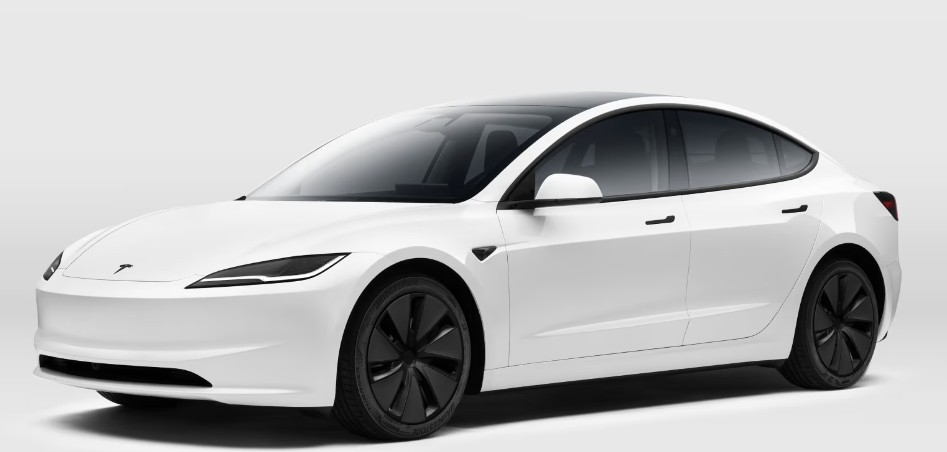
Tesla Model 3 Years to Avoid

Content in this publication
- Why the Tesla Model 3 Became So Popular So Fast
- Understanding Tesla’s Rapid Evolution
- The Worst Tesla Model 3 Years to Avoid
- Why Early Production Models Are Riskier
- 2019 Tesla Model 3: Better, But Not Perfect
- Should We Completely Avoid 2019 Models?
- The Best Tesla Model 3 Years Instead
- Why 2021 Models Stand Out
- 2022 and Newer Models
- Tesla Model 3 Reliability by Year
- Battery Concerns in Older Model 3s
- The Hidden Cost of Early Model 3 Ownership
- Autopilot Issues in Older Teslas
- Interior Quality Differences Between Years
- How to Inspect a Used Tesla Model 3
- Are High-Mileage Tesla Model 3s Worth Buying?
- Tesla Warranty Considerations
- Why Some Buyers Still Love the 2018 Model 3
- The Safest Tesla Model 3 Years to Buy
- Should We Avoid Tesla Entirely?
- Final Thoughts on Tesla Model 3 Years to Avoid
- FAQs
Why the Tesla Model 3 Became So Popular So Fast
The Tesla Model 3 exploded onto the automotive scene like a lightning bolt cutting through a dark sky. It changed how many of us looked at electric cars. Suddenly, EVs were no longer strange science projects for tech enthusiasts. They became desirable, fast, practical, and surprisingly attainable.
But here’s the twist many buyers discover too late: not every Model 3 year is created equal.
Some years shine like polished chrome under the California sun. Others? They carry quirks, reliability headaches, inconsistent build quality, and expensive surprises hiding beneath that minimalist dashboard.
If we are shopping for a used Tesla Model 3, knowing the years to avoid can save thousands of dollars, endless frustration, and many late-night searches for service appointments.
So let’s break it all down carefully, honestly, and in plain English.
Understanding Tesla’s Rapid Evolution
Tesla Improves Cars Constantly
Unlike traditional automakers that wait years between major refreshes, Tesla updates vehicles constantly.
A Model 3 built in January may differ from one built in November of the same year.
That sounds exciting—and it is—but it also creates inconsistency.
Early production years often became rolling experiments. Tesla learned while manufacturing. Owners became accidental beta testers in some cases.
This is why certain Model 3 years deserve extra caution.
The Worst Tesla Model 3 Years to Avoid
2018 Tesla Model 3
If there is one year buyers most commonly approach carefully, it is the 2018 Model 3.
Why?
Because this was effectively the first full production year.
Tesla was ramping production aggressively during what Elon Musk famously called “production hell.” The company pushed vehicles out at an astonishing pace, but quality control occasionally suffered.
Common Problems in the 2018 Model 3
- Poor panel gaps
- Paint imperfections
- Interior rattles
- Touchscreen glitches
- Water leaks
- Suspension noises
- Phantom braking issues
- Premature wear on trim pieces
Some owners reported cars feeling unfinished, almost like prototypes wearing polished suits.
Build Quality Was Inconsistent
One 2018 Model 3 might run beautifully for years.
Another could require multiple service visits within months.
That unpredictability is the real issue.
Buying a used 2018 Model 3 becomes a bit like opening a mystery box. You may get treasure—or headaches.
Why Early Production Models Are Riskier
Tesla Was Learning in Real Time
Traditional automakers spend decades refining manufacturing processes.
Tesla accelerated that timeline dramatically.
The earliest Model 3 units were part of an ambitious scaling experiment. The company was simultaneously improving software, hardware, battery systems, and assembly methods.
In many ways, early owners helped Tesla refine the vehicle we know today.
That innovation deserves admiration—but used-car shoppers should remain practical.
2019 Tesla Model 3: Better, But Not Perfect
The 2019 Model 3 improved noticeably.
Fit and finish got better. Reliability improved. Software matured.
Still, some concerns remained.
Issues Seen in 2019 Models
Paint Problems
Tesla paint quality during these years became a recurring complaint.
Owners reported:
- Thin paint
- Easy chipping
- Inconsistent clear coat
- Vulnerability to road debris
Dark-colored vehicles especially highlighted imperfections.
Phantom Braking
This issue became one of Tesla’s most controversial annoyances.
The car would unexpectedly brake while using Autopilot, even when no danger appeared present.
Imagine cruising peacefully on the highway when the vehicle suddenly behaves like it spotted a ghost crossing the road.
Not exactly relaxing.
Touchscreen Freezes
The giant center display controls nearly everything:
- Climate
- Navigation
- Cameras
- Vehicle settings
So when it freezes, the experience feels unsettling.
Many 2019 owners experienced occasional lag or reboot issues.
Should We Completely Avoid 2019 Models?
Not necessarily.
A well-maintained 2019 Model 3 with documented service history can still be a solid purchase.
However, we should:
You may be interested in reading Tesla Model 3 Cold Weather Feature: The Hidden Winter Tech That Changes Everything
- Inspect carefully
- Verify software updates
- Check warranty status
- Review battery health
- Test Autopilot thoroughly
Think of 2019 as the “transition year.” Tesla improved substantially, but some growing pains still lingered.
The Best Tesla Model 3 Years Instead
Sometimes the easiest way to identify bad years is by understanding the strongest ones.
2021 Tesla Model 3
The 2021 Model 3 became a sweet spot for many buyers.
Tesla introduced meaningful upgrades:
- Improved interior materials
- Better center console
- Heat pump for efficiency
- Double-pane glass for quieter rides
- Enhanced build consistency
The vehicle suddenly felt more mature.
Like a talented musician finally mastering every note, Tesla refined the Model 3 formula beautifully.
Why 2021 Models Stand Out
Better Reliability
Consumer feedback improved significantly.
Owners reported:
- Fewer rattles
- Better fitment
- Improved paint consistency
- Reduced electronic glitches
Improved Efficiency
Tesla optimized battery management and aerodynamics further.
That meant:
- More range
- Better winter performance
- Lower energy consumption
Efficiency became one of the Model 3’s strongest selling points.
2022 and Newer Models
The Refinement Era
By 2022, Tesla had largely ironed out many early production issues.
The driving experience became smoother, quieter, and more polished.
These models typically offer:
- Better battery management
- Improved cabin quality
- Enhanced software stability
- More consistent assembly quality
While no vehicle is perfect, later Model 3 years generally inspire greater confidence.
Tesla Model 3 Reliability by Year
Quick Breakdown
| Model Year | Reliability Reputation | Main Concerns |
|---|---|---|
| 2018 | Weakest | Build quality, electronics |
| 2019 | Moderate | Paint, phantom braking |
| 2020 | Improved | Minor fit and finish |
| 2021 | Strong | Few major issues |
| 2022+ | Very Strong | Mostly software-related |
This table tells the story clearly.
Tesla evolved rapidly.
Battery Concerns in Older Model 3s
Should We Worry About Battery Degradation?
This question hovers over every EV purchase like a storm cloud.
The good news?
Tesla batteries generally age well.
Most Model 3 batteries retain substantial capacity even after high mileage.
However, older 2018 models may show:
- Faster degradation
- Reduced charging speeds
- Higher wear from early battery chemistry
What Battery Health Should We Expect?
A healthy used Model 3 should typically retain:
- Around 85–90% capacity after significant mileage
Anything dramatically lower deserves investigation.
Repairs Can Become Expensive
Tesla ownership feels futuristic—until repair bills arrive.
Some replacement costs include:
- Touchscreen repairs
- Suspension components
- Door handles
- Cameras
- Battery-related systems
Unlike traditional brands, Tesla service infrastructure is still evolving in many regions.
This means:
- Longer wait times
- Limited repair locations
- Higher labor costs
Early models statistically require more service attention.
Autopilot Issues in Older Teslas
The Technology Was Less Mature
Tesla’s Autopilot system improved dramatically over time.
Older Model 3s may experience:
- Phantom braking
- Lane centering inconsistencies
- Camera calibration issues
- Sudden warnings
While software updates helped many vehicles, older hardware limitations still matter.
Think of it like using an old smartphone trying to run modern apps. It works—but not always gracefully.
Interior Quality Differences Between Years
Cabin Improvements Were Significant
The cabin in early 2018 cars sometimes felt sparse in a bad way.
Later years transformed minimalism into sophistication.
2021+ Interior Upgrades Included
- Better trim materials
- Improved console design
- Wireless charging
- Enhanced insulation
- Quieter driving experience
The difference between a 2018 and 2022 cabin can feel larger than expected.
How to Inspect a Used Tesla Model 3
What We Should Check Before Buying
Buying a used EV requires a slightly different mindset.
Key Inspection Areas
Battery Health
Ask for:
- Range estimates at full charge
- Charging history
- Service records
Panel Gaps
Look carefully around:
- Trunk
- Doors
- Hood
Uneven gaps may indicate quality issues or previous repairs.
You may be interested in readingTesla Model 3 Cold Weather Feature: The Hidden Winter Tech That Changes EverythingYou may be interested in reading
Tesla Model 3 5 Year DepreciationPaint Condition
Inspect:
- Bumpers
- Hood
- Rocker panels
Tesla’s paint can chip more easily than expected.
Suspension Noises
Listen for:
- Clunks
- Creaks
- Squeaks
Especially in early cars.
Touchscreen Performance
Test:
- Responsiveness
- Backup camera
- Navigation
- Climate controls
Laggy systems can indicate underlying problems.
Are High-Mileage Tesla Model 3s Worth Buying?
Mileage Matters Less Than Maintenance
A well-maintained 120,000-mile Model 3 may outperform a neglected 40,000-mile one.
What matters most:
- Charging habits
- Service history
- Accident history
- Software updates
Tesla drivetrains themselves are generally robust.
The supporting components often create the real concerns.
Tesla Warranty Considerations
Battery and Drive Unit Coverage
Tesla typically offers:
- 8-year battery and drive unit warranties
This protection can provide peace of mind.
However, bumper-to-bumper coverage expires sooner.
That means:
- Suspension repairs
- Interior issues
- Electronics
…may become your responsibility.
For early 2018 cars, warranty expiration becomes a major factor.
Why Some Buyers Still Love the 2018 Model 3
Despite the warnings, many owners adore their early cars.
Why?
Because even flawed early Teslas still offered:
- Incredible acceleration
- Excellent charging infrastructure
- Minimal fuel costs
- Futuristic technology
The car felt like driving tomorrow before everyone else arrived.
That emotional connection remains powerful.
The Safest Tesla Model 3 Years to Buy
Recommended Years
If we want the safest balance between reliability, price, and technology, these years stand out:
Best Overall Choices
- 2021
- 2022
- 2023
Acceptable With Inspection
- 2020
- Late-production 2019
Years to Approach Carefully
- 2018
- Early 2019
This doesn’t mean every early Model 3 is bad.
It simply means risk increases.
Should We Avoid Tesla Entirely?
Absolutely not.
The Tesla Model 3 remains one of the most influential cars of the modern era.
It combines:
- Performance
- Technology
- Efficiency
- Charging convenience
…better than many rivals.
But buying smart matters.
A carefully chosen Model 3 can feel like owning the future.
A poorly chosen one can feel like debugging a giant smartphone on wheels.
Final Thoughts on Tesla Model 3 Years to Avoid
The biggest lesson here is simple: timing matters.
The earliest Model 3 years—especially 2018—carried the burden of innovation. Tesla pushed boundaries aggressively, and early buyers occasionally paid the price through inconsistent quality and reliability concerns.
By 2021, the Model 3 evolved into a far more refined machine.
If we are shopping used today, the safest path usually points toward:
- 2021 or newer
- Documented maintenance
- Strong battery health
- Careful inspection
The Tesla Model 3 can still be an outstanding purchase. We simply need to separate the polished diamonds from the rough stones.
And in the EV world, that difference matters more than ever.
FAQs
Which Tesla Model 3 year is the worst?
The 2018 Model 3 is widely considered the riskiest due to early production quality issues, panel gaps, paint defects, and electronic glitches.
Is the 2019 Tesla Model 3 reliable?
The 2019 model improved over 2018 but still experienced issues like phantom braking, paint quality complaints, and occasional touchscreen problems.
What is the best used Tesla Model 3 year to buy?
Many buyers consider 2021 the sweet spot because it introduced major refinements, improved build quality, and better efficiency.
You may be interested in readingTesla Model 3 Cold Weather Feature: The Hidden Winter Tech That Changes EverythingYou may be interested in reading
Tesla Model 3 5 Year DepreciationYou may be interested in reading
Tesla Model 3 Jump Start Another Car: Can You Do It Safely?Do Tesla Model 3 batteries degrade quickly?
Generally, no. Most Model 3 batteries retain strong capacity over time, although older high-mileage vehicles may show noticeable degradation.
Should we buy a high-mileage Tesla Model 3?
Yes, if it has strong battery health, a clean service history, and no major accident damage. Maintenance history matters more than mileage alone.
If you want to know other articles similar to Tesla Model 3 Years to Avoid you can visit the category Blog.
BMW 2 Series Insurance Group UK: Costs, Ratings and Buying Guide
BMW 2 Series Reliability: A Complete Owner’s Guide
BMW 2 Series Boot Space: Capacity, Practicality and Luggage Guide

Are Vauxhall Antara Good Cars? An Honest Used SUV Guide
Vauxhall Antara Insurance Group UK: Costs, Ratings and Ways to Save
Vauxhall Antara Reliability: Is This Used SUV Worth Buying?
Leave a Reply
More content of your interest