
Are Tesla Model 3 Expensive to Insure?

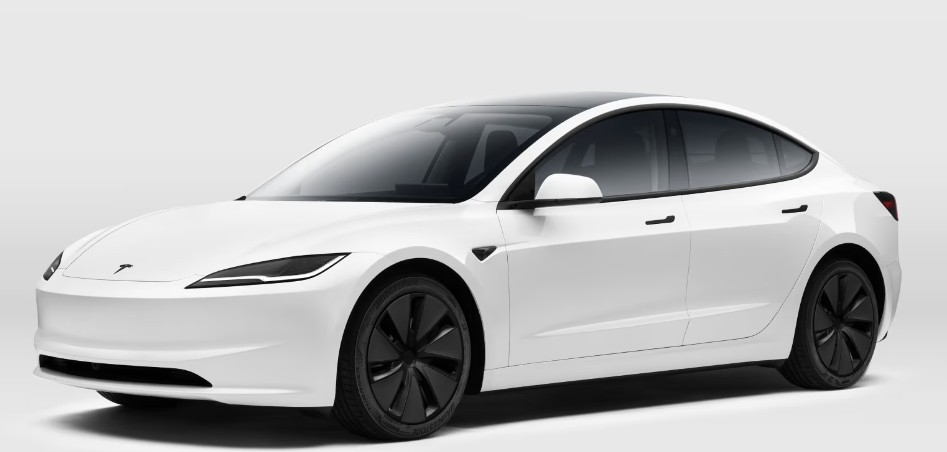
The short answer? Yes, the Tesla Model 3 is often more expensive to insure than many traditional sedans. But the real story is far more nuanced than a simple “yes” or “no.”
Insurance for a Tesla Model 3 can feel like ordering a coffee at a luxury café. At first glance, it seems oddly pricey for something so common. Then we start unpacking the ingredients: advanced technology, expensive parts, repair complexity, battery systems, safety ratings, theft risk, and even driver behavior tracking. Suddenly, the higher price tag starts making sense.
Still, there’s good news. While Tesla insurance premiums can be high, they are not always outrageously expensive. In some situations, Model 3 owners actually pay less than drivers of performance gas-powered cars from BMW, Audi, or Mercedes-Benz.
So, are Tesla Model 3 expensive to insure? Let’s pull back the curtain and explore everything we need to know before buying one.
Content in this publication
- Why Tesla Model 3 Insurance Costs More Than Average
- How Much Does It Cost to Insure a Tesla Model 3?
- Why Repair Costs Push Insurance Premiums Up
- Do Tesla Batteries Affect Insurance Costs?
- Tesla Model 3 Safety Ratings Actually Help Insurance
- Does Autopilot Lower Insurance Rates?
- Tesla Insurance vs Traditional Car Insurance
- Which Tesla Model 3 Version Costs the Most to Insure?
- Why Location Changes Tesla Insurance Rates
- Young Drivers Pay Much More
- Can You Reduce Tesla Model 3 Insurance Costs?
- Are Electric Cars Generally More Expensive to Insure?
- How Tesla Insurance Compares to Other EVs
- Do Teslas Get Stolen Often?
- Why Insurance Companies Still Fear Tesla Repairs
- Is Full Coverage Necessary for a Tesla Model 3?
- Do Insurance Costs Drop Over Time?
- Tesla Model 3 Insurance by Driver Type
- Should Insurance Costs Stop You From Buying a Tesla Model 3?
- The Emotional Side of Tesla Ownership
- Future Trends Could Lower Tesla Insurance Costs
- Final Verdict: Are Tesla Model 3 Expensive to Insure?
- FAQs
Why Tesla Model 3 Insurance Costs More Than Average
Insurance companies look at risk the same way chefs look at ingredients. Every detail matters.
The Tesla Model 3 contains several factors that naturally increase premiums:
- Expensive repair costs
- Advanced sensors and cameras
- Specialized repair centers
- High-tech battery systems
- Strong acceleration and performance
- Higher vehicle value
Even though the Model 3 is considered one of Tesla’s more affordable vehicles, it still belongs to the premium-car category in the eyes of insurers.
A Honda Civic may cost less to repair after a small fender-bender. A Tesla, on the other hand, could require recalibration of cameras, sensor replacement, or battery inspections after what looks like a minor accident.
That’s where the costs begin stacking like dominoes.
How Much Does It Cost to Insure a Tesla Model 3?
Insurance rates vary wildly depending on:
- Age
- Driving history
- Location
- Coverage type
- Annual mileage
- Credit score (in some countries)
- Model variant
But generally speaking, annual insurance costs for a Tesla Model 3 often range between:
| Driver Profile | Estimated Annual Premium |
|---|---|
| Experienced driver with clean record | $1,500–$2,500 |
| Younger driver | $3,000–$6,000+ |
| Urban area owner | Higher premiums |
| Rural area owner | Lower premiums |
In many cases, a Model 3 costs more to insure than:
- Toyota Camry
- Honda Accord
- Hyundai Elantra
- Nissan Altima
However, it may cost similar amounts compared to:
- BMW 3 Series
- Audi A4
- Mercedes-Benz C-Class
That comparison changes the narrative dramatically.
Tesla Repairs Are Not Cheap
A major reason insurers charge more comes down to repair expenses.
Tesla vehicles are packed with:
- Cameras
- Radar systems
- Ultrasonic sensors
- Battery management electronics
- Massive touchscreen systems
Even a modest collision can become surprisingly expensive.
A cracked bumper on a regular sedan may cost a few hundred dollars. On a Tesla Model 3, that same bumper might house sensors and calibration systems worth thousands.
It’s like damaging a smartphone instead of scratching an old flip phone.
Limited Repair Networks Increase Costs
Not every mechanic can repair a Tesla.
Many insurance companies must work with:
- Tesla-approved body shops
- Specialized EV technicians
- Certified battery repair centers
Limited competition often means higher labor costs and longer repair times.
And when repair times increase, insurers sometimes must pay for rental vehicles longer too.
Do Tesla Batteries Affect Insurance Costs?
Absolutely.
The battery pack is essentially the beating heart of the vehicle. It’s also one of the most expensive components.
Battery Damage Can Be Extremely Costly
If the battery is compromised after an accident, repair bills can skyrocket.
In severe cases, insurers may total the car even when exterior damage appears moderate.
Why?
Because battery inspections and replacements can cost tens of thousands of dollars.
That reality makes insurers cautious from the very beginning.
Tesla Model 3 Safety Ratings Actually Help Insurance
Here’s where things get interesting.
Despite higher repair costs, the Tesla Model 3 performs exceptionally well in safety testing.
The vehicle consistently earns top crash safety ratings thanks to:
- Low center of gravity
- Strong structural rigidity
- Advanced driver assistance systems
- Collision avoidance technology
Insurance companies love safe vehicles because fewer injuries mean fewer massive medical claims.
So while Tesla repair bills may sting, the reduced likelihood of serious injuries helps balance the equation somewhat.
Does Autopilot Lower Insurance Rates?
This topic sparks endless debate.
Some Insurers See Autopilot as a Safety Advantage
Tesla’s driver assistance systems can reduce certain types of accidents, including:
- Rear-end collisions
- Lane drift incidents
- Driver fatigue errors
Some insurers view this positively.
Others Remain Skeptical
Not all companies are convinced.
Why?
Because advanced technology can also encourage overconfidence in some drivers.
Additionally, accidents involving Autopilot sometimes attract massive media attention, making insurers cautious.
The result is a mixed insurance landscape.
Tesla Insurance vs Traditional Car Insurance
Tesla even offers its own insurance program in certain markets.
How Tesla Insurance Works
Tesla Insurance uses vehicle data and driving behavior to calculate rates.
Factors may include:
You may be interested in reading Land Rover Discovery Sport vs Jaguar F-Pace
- Hard braking
- Aggressive turning
- Following distance
- Speed patterns
- Late-night driving
Careful drivers can sometimes save significant money.
Traditional Insurers Use Broader Risk Models
Conventional insurance companies rely more heavily on:
- Demographics
- Driving history
- ZIP code
- Claim history
Some Tesla owners find better deals outside Tesla Insurance, while others save substantially with Tesla directly.
Shopping around becomes critical.
Which Tesla Model 3 Version Costs the Most to Insure?
Not all Model 3 variants carry the same premium.
Tesla Model 3 Performance
The Performance trim usually costs the most to insure because it includes:
- Faster acceleration
- Higher replacement value
- Sport-oriented driving characteristics
Insurance companies often associate high-performance vehicles with increased risk.
And honestly, a car capable of explosive acceleration naturally raises eyebrows.
Tesla Model 3 Long Range
The Long Range variant generally sits in the middle.
It balances practicality and performance without appearing excessively aggressive.
Tesla Model 3 Rear-Wheel Drive
The standard Rear-Wheel Drive version often costs the least to insure.
Its lower purchase price and slightly calmer performance help reduce premiums.
Why Location Changes Tesla Insurance Rates
Where we live matters enormously.
Urban Areas Usually Mean Higher Costs
Cities often bring:
- More traffic
- Higher theft risk
- Increased accident probability
- Expensive repair markets
A Tesla Model 3 in New York or Los Angeles may cost dramatically more to insure than the same vehicle in a small rural town.
Weather Risks Matter Too
Regions prone to:
- Flooding
- Hailstorms
- Hurricanes
- Wildfires
can increase insurance costs substantially.
EVs are not immune to environmental risk.
Young Drivers Pay Much More
This is where insurance costs can become painful.
Young drivers already face higher premiums because insurers statistically consider them riskier.
Combine that with:
- A high-tech EV
- Instant acceleration
- Expensive repair bills
and rates can become eye-watering.
Some younger Tesla owners report premiums rivaling monthly car payments.
Can You Reduce Tesla Model 3 Insurance Costs?
Thankfully, yes.
There are several ways to lower premiums.
Bundle Policies
Combining:
- Auto insurance
- Home insurance
- Renters insurance
can unlock discounts.
Increase Deductibles
Higher deductibles often reduce monthly premiums.
Just make sure we can comfortably afford the deductible if an accident occurs.
Drive Less
Lower annual mileage often means lower risk.
Some insurers offer usage-based discounts.
Maintain a Clean Driving Record
This remains one of the biggest money savers.
Even one speeding ticket can noticeably increase rates.
Install Additional Security Measures
Secure parking and anti-theft systems may help reduce premiums.
Tesla already includes robust security technology, but additional measures can still help.
Are Electric Cars Generally More Expensive to Insure?
Usually, yes.
Electric vehicles often cost more to insure than comparable gasoline vehicles because of:
- Expensive batteries
- Specialized repairs
- Limited repair infrastructure
- High replacement costs
However, the gap is slowly shrinking as EV adoption increases.
As more repair shops become EV-certified and parts become more available, insurance costs may gradually stabilize.
How Tesla Insurance Compares to Other EVs
The Model 3 doesn’t always sit at the top of the pricing mountain.
Some luxury EVs cost even more to insure.
Examples include:
- Tesla Model S
- Porsche Taycan
- Lucid Air
Meanwhile, some smaller EVs may cost less:
- Nissan Leaf
- Chevrolet Bolt EV
The Model 3 typically lands somewhere in the middle of the premium EV spectrum.
Do Teslas Get Stolen Often?
Tesla vehicles actually have relatively strong anti-theft systems.
Features include:
You may be interested in readingLand Rover Discovery Sport vs Jaguar F-PaceYou may be interested in reading
 Skoda Superb Service Reset
- GPS tracking
- PIN-to-drive functionality
- Mobile app monitoring
- Sentry Mode surveillance
These systems can reduce theft risk compared to some traditional vehicles.
However, expensive cars still attract attention, and replacement costs remain high.
Why Insurance Companies Still Fear Tesla Repairs
There’s another hidden issue.
Parts Availability
Tesla repair parts have historically experienced delays in some regions.
Long repair waits mean:
- Higher rental costs
- Increased claim expenses
- More administrative overhead
Insurance companies hate unpredictability almost as much as they hate large claims.
Repair Complexity
Tesla vehicles are engineered differently from many traditional cars.
Even simple repairs sometimes require:
- Software updates
- Sensor recalibration
- Specialized diagnostics
This complexity contributes to higher insurance costs.
Is Full Coverage Necessary for a Tesla Model 3?
For most owners, yes.
Because the vehicle value remains relatively high, full coverage is usually recommended.
This typically includes:
- Collision coverage
- Comprehensive coverage
- Liability protection
- Uninsured motorist coverage
Skipping full coverage on a newer Tesla can feel like walking a tightrope without a safety net.
Do Insurance Costs Drop Over Time?
They can.
As the vehicle ages:
- Market value declines
- Replacement costs decrease
- Depreciation reduces risk exposure
However, Teslas may not follow traditional depreciation curves exactly.
Some models retain value surprisingly well, which can keep premiums elevated longer than expected.
Tesla Model 3 Insurance by Driver Type
Best-Case Scenario
A mature driver with:
- Excellent credit
- Clean driving record
- Suburban location
- Multi-policy discounts
may find insurance relatively manageable.
Worst-Case Scenario
A young urban driver with:
- Prior accidents
- Limited driving history
- High annual mileage
could face extremely expensive premiums.
The difference between these two situations can be thousands of dollars annually.
Should Insurance Costs Stop You From Buying a Tesla Model 3?
Not necessarily.
Insurance is only one piece of the ownership puzzle.
Tesla owners may also save money through:
- Lower fuel costs
- Reduced maintenance
- Fewer oil changes
- Minimal engine servicing
When viewed holistically, the overall ownership cost can still be competitive.
Sometimes we focus so heavily on the insurance bill that we forget the broader financial picture.
The Emotional Side of Tesla Ownership
Let’s be honest for a second.
People don’t usually buy Teslas purely for spreadsheet logic.
They buy them because:
- They love technology
- They enjoy acceleration
- They appreciate minimalist design
- They want an EV lifestyle
- They like innovation
Insurance becomes part of the experience, much like premium fuel for a sports car.
The higher cost may feel annoying, but many owners still consider it worthwhile.
Future Trends Could Lower Tesla Insurance Costs
The future may look brighter.
As EV adoption grows:
- More repair shops will become certified
- Replacement parts may become cheaper
- Insurers will gather more EV data
- Competition may reduce premiums
Insurance pricing often improves once industries mature.
Right now, EV insurance still sits in a relatively early chapter.
Final Verdict: Are Tesla Model 3 Expensive to Insure?
Yes, the Tesla Model 3 is generally more expensive to insure than mainstream sedans. Higher repair costs, advanced technology, battery systems, and specialized repair requirements all contribute to elevated premiums.
But context matters.
Compared to luxury sports sedans or premium EVs, the Model 3 may not seem outrageously expensive at all.
Insurance costs also depend heavily on the individual driver. A clean driving record, favorable location, and smart policy shopping can make a major difference.
At the end of the day, insuring a Tesla Model 3 is a bit like owning a sophisticated piece of technology wrapped in a car body. It offers innovation, performance, and efficiency—but that sophistication comes with a price.
The key is understanding the trade-offs before signing the paperwork.
FAQs
Is Tesla Model 3 insurance more expensive than a regular sedan?
Yes. The Tesla Model 3 typically costs more to insure than mainstream sedans because repair costs and parts prices are higher.
Why are Tesla repairs so expensive?
Tesla vehicles contain advanced sensors, cameras, battery systems, and specialized technology that require certified repair procedures.
Does Tesla Insurance save money?
It can. Some drivers receive lower rates through Tesla Insurance, especially if they maintain safe driving habits.
Which Tesla Model 3 trim is cheapest to insure?
The Rear-Wheel Drive version is usually the least expensive to insure because it has a lower purchase price and less aggressive performance.
You may be interested in readingLand Rover Discovery Sport vs Jaguar F-PaceYou may be interested in reading
Skoda Superb Service ResetYou may be interested in reading
 Tesla Model S Reliability
Will Tesla insurance costs decrease in the future?
Possibly. As EV technology becomes more common and repair infrastructure expands, insurance rates may become more competitive.
If you want to know other articles similar to Are Tesla Model 3 Expensive to Insure? you can visit the category Blog.
Kia Sportage Gas Tank Size: Complete Guide
BMW X1 Life Expectancy: How Long Does It Last?
Is the Toyota Yaris Cross Reliable? 2026 Guide
Kia Sportage Weight Guide: Curb, Kerb & GVWR
Toyota RAV4 Gas Tank Size (Chart & Explanation)
Toyota RAV4 Depreciation: Complete Resale Value Guide
Leave a Reply
More content of your interest