
Are Tesla Model S Good in Snow?

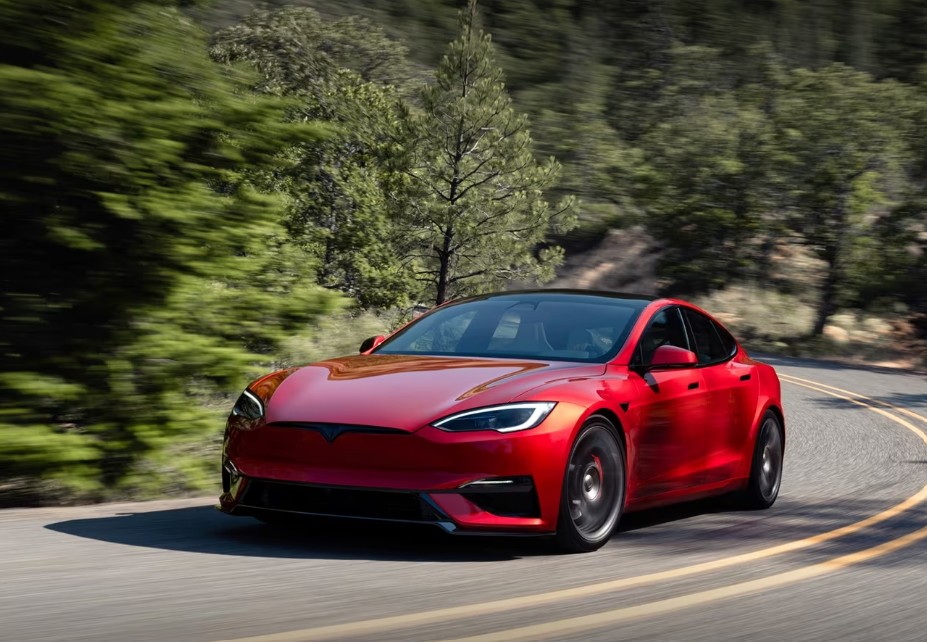
When winter arrives and roads turn into icy ribbons, many drivers begin asking one important question: can an electric luxury sedan truly handle snow? The answer surprises a lot of people. The Tesla Model S is not just capable in snowy conditions — in many situations, it performs better than traditional gasoline sedans.
At first glance, it might seem odd to trust a silent electric car on frozen roads. We often associate winter driving with rugged SUVs, growling engines, and mechanical all-wheel-drive systems. Yet the Tesla Model S rewrites that narrative like a novelist tearing up the final chapter and starting fresh.
The low center of gravity, instant torque distribution, advanced traction systems, and dual-motor all-wheel drive create a surprisingly confident winter machine. But there is nuance here. Snow performance depends on more than just horsepower and technology. Tires, driving habits, battery behavior in cold weather, and road conditions all play critical roles.
So, are Tesla Model S good in snow? Let’s dig deep into what makes this EV thrive — and where it still faces challenges when winter becomes brutal.
Content in this publication
- Why Snow Driving Feels Different in a Tesla Model S
- How Tesla All-Wheel Drive Performs in Snow
- The Low Center of Gravity Gives Tesla an Advantage
- Winter Tires Matter More Than the Car Itself
- How Tesla Traction Control Works in Snow
- Does Regenerative Braking Cause Problems in Snow?
- Battery Performance in Cold Weather
- Preconditioning Makes Winter Driving Easier
- Ground Clearance Can Be a Limitation
- How Tesla Handles Ice Compared to Gas Cars
- Can Tesla Model S Climb Snowy Hills?
- Charging a Tesla During Winter Storms
- Snow Driving Tips for Tesla Model S Owners
- How Autopilot Performs in Snow
- Comparing Tesla Model S to SUVs in Snow
- Real-World Owner Experiences in Snow
- Are Tesla Model S Good in Heavy Snowstorms?
- Tesla Winter Features That Drivers Love
- The Cost of Winter Driving in a Tesla
- Should You Buy a Tesla Model S for Snowy Climates?
- Final Verdict on Tesla Model S Snow Performance
- FAQs
Why Snow Driving Feels Different in a Tesla Model S
Driving in snow changes everything. Acceleration becomes delicate. Braking distances stretch like rubber bands. Corners suddenly become unpredictable.
The Tesla Model S approaches these conditions differently than gasoline vehicles because its engineering philosophy is fundamentally unique.
Several features immediately affect winter performance:
- Battery placement beneath the floor
- Instant torque management
- Dual-motor AWD systems
- Regenerative braking
- Computer-controlled traction systems
Unlike traditional sedans that carry heavy engines up front, the Model S spreads its weight evenly across the chassis. This creates better stability on slippery roads.
Think of it like a figure skater lowering their center of gravity before a spin. The car feels planted instead of top-heavy.
How Tesla All-Wheel Drive Performs in Snow
Dual Motors Change Everything
The AWD versions of the Tesla Model S are especially impressive in winter.
Traditional AWD systems rely on mechanical components to shift power between wheels. Tesla’s system is digital and nearly instantaneous.
That means:
- Faster traction adjustments
- Better wheel slip control
- Improved acceleration on ice
- More balanced cornering
When one wheel loses grip, the car reacts almost immediately. It does not hesitate or hunt for traction the way some older AWD systems do.
The sensation can feel almost eerie. Instead of fishtailing wildly, the car quietly corrects itself with surgical precision.
Rear-Wheel Drive Versions Are Less Ideal
Older rear-wheel-drive Model S versions are less capable in deep snow. They can still perform decently with winter tires, but they do not inspire the same confidence as dual-motor models.
If we regularly face snowstorms, AWD is unquestionably the better choice.
The Low Center of Gravity Gives Tesla an Advantage
One of Tesla’s biggest winter advantages sits beneath your feet.
The battery pack runs along the floor of the vehicle, creating an exceptionally low center of gravity.
This improves:
- Stability during turns
- Resistance to sliding
- Driver confidence
- Handling on icy roads
Many SUVs feel tippy or unstable in slippery conditions. The Model S stays remarkably flat and composed.
It almost feels like the car hugs the road like Velcro.
Winter Tires Matter More Than the Car Itself
The Truth Many Drivers Ignore
Here’s the reality: even the best AWD system cannot compensate for bad tires.
A Tesla Model S with proper winter tires will outperform many SUVs using all-season tires.
That’s because snow tires provide:
- Softer rubber compounds
- Better grip in freezing temperatures
- Enhanced braking traction
- Improved cornering control
Best Tire Types for Snow
Popular winter tire choices for Tesla owners include:
- Michelin X-Ice Snow
- Nokian Hakkapeliitta series
- Pirelli Winter Sottozero
- Bridgestone Blizzak
These tires dramatically improve confidence in snow and ice.
Skipping winter tires is like wearing dress shoes during a mountain hike. Technically possible, but unnecessarily risky.
How Tesla Traction Control Works in Snow
Computer Precision Beats Human Reflexes
Tesla’s traction control system constantly monitors wheel movement.
When slip occurs, the system instantly adjusts:
- Power delivery
- Torque distribution
- Wheel braking
- Motor output
Because electric motors respond immediately, the corrections feel smoother than traditional traction systems.
Instead of abrupt jerks, the vehicle calmly stabilizes itself.
Snow Mode and Slippery Conditions
Newer software updates improve winter driving further by refining:
- Torque mapping
- Stability calibration
- Regenerative braking behavior
Tesla continuously updates vehicle behavior through software, which means winter performance can actually improve over time.
That concept still feels futuristic.
Does Regenerative Braking Cause Problems in Snow?
What Regenerative Braking Feels Like
Regenerative braking slows the car when we lift off the accelerator.
In dry conditions, it feels efficient and intuitive.
But in snow, aggressive regenerative braking can sometimes reduce traction unexpectedly.
Imagine lightly tapping the brakes on ice without warning. That sudden deceleration can unsettle the vehicle.
Tesla’s Improvements Over Time
Fortunately, Tesla has improved regen behavior in slippery conditions through software updates.
Drivers can also:
- Reduce regenerative braking settings
- Use Chill Mode
- Drive more smoothly in winter
Most owners adapt quickly after a few snowy drives.
Battery Performance in Cold Weather
Cold Temperatures Reduce Range
This is where winter reality hits hardest.
Cold weather significantly affects EV efficiency.
The Tesla Model S can lose:
- 10% to 30% of range in freezing conditions
- Additional range during heavy heater use
- More efficiency during short trips
Why?
Because batteries operate less efficiently in cold temperatures.
You may be interested in reading How Many Miles Does a Mustang Mach-E Last?
It’s similar to how our phones drain faster during winter.
Cabin Heating Uses Energy
Unlike gasoline cars that recycle engine heat, EVs must generate cabin heat using battery power.
That means heating the cabin consumes energy directly from driving range.
Still, Tesla heat systems remain more efficient than many early EV competitors.
Preconditioning Makes Winter Driving Easier
What Is Preconditioning?
Tesla allows drivers to warm the battery and cabin before driving.
This process is called preconditioning.
Benefits include:
- Improved battery efficiency
- Better acceleration
- Faster charging
- Warmer cabin comfort
- Reduced window frost
The magic happens when the car warms itself while still plugged in.
Instead of draining battery power during the drive, it uses external electricity beforehand.
Why It Feels So Convenient
Walking into a warm Tesla during a snowstorm feels luxurious in a very modern way.
No scraping ice for fifteen minutes.
No freezing seats.
No shivering while waiting for the engine to warm.
It feels like stepping into the future while the snow falls outside.
Ground Clearance Can Be a Limitation
Deep Snow Creates Challenges
The Model S handles slippery roads well, but it is still a sedan.
Deep snow can become problematic due to lower ground clearance.
This matters when:
- Snow exceeds several inches
- Roads remain unplowed
- Ice chunks accumulate
- Rural routes become rough
Air Suspension Helps
Some Model S versions include adaptive air suspension.
This system can raise the car slightly for better clearance.
While helpful, it still does not transform the vehicle into an off-road SUV.
The Model S excels on plowed winter roads, highways, and urban snow conditions rather than untouched mountain trails.
How Tesla Handles Ice Compared to Gas Cars
Smooth Power Delivery Helps
Electric torque is immediate but also extremely controllable.
Tesla software carefully meters power delivery to reduce wheel spin.
This creates smoother launches on ice.
Many gas-powered performance sedans can feel twitchy during winter acceleration. The Model S often feels calmer and more composed.
Weight Distribution Improves Stability
Balanced weight distribution helps reduce unpredictable sliding.
Instead of feeling nose-heavy, the car remains centered during maneuvers.
That balanced sensation builds confidence quickly.
Can Tesla Model S Climb Snowy Hills?
AWD Versions Perform Surprisingly Well
Many Tesla owners report excellent hill-climbing ability in snow.
Dual-motor systems distribute torque efficiently between axles, helping the vehicle maintain traction uphill.
In moderate snow, the performance can be impressive.
Tires Still Determine Success
Again, tires matter enormously.
Even powerful AWD systems struggle on icy hills without proper winter tires.
The formula is simple:
Great AWD + winter tires = excellent snow capability.
Charging a Tesla During Winter Storms
Home Charging Becomes Extremely Valuable
One underrated winter advantage of EV ownership is waking up every morning with a full “tank.”
Instead of standing outside at freezing gas stations, we simply unplug and drive.
That convenience becomes especially meaningful during snowstorms.
Supercharger Performance in Cold Weather
Charging speeds can slow in very cold temperatures if the battery is not warm enough.
Tesla combats this through:
- Battery preconditioning
- Thermal management systems
- Navigation-linked charger preparation
The vehicle actively warms the battery before arriving at a Supercharger.
That engineering detail feels clever in practice.
Snow Driving Tips for Tesla Model S Owners
Best Practices for Safe Winter Driving
To maximize winter performance:
Use Dedicated Winter Tires
This is non-negotiable for serious snow climates.
Precondition Before Driving
Warm the battery while plugged in.
Keep Battery Charge Higher
Cold weather reduces efficiency, so extra reserve matters.
Drive Smoothly
Avoid sudden steering, braking, or acceleration.
Use Chill Mode
This softens acceleration response for slippery roads.
You may be interested in readingHow Many Miles Does a Mustang Mach-E Last?You may be interested in reading
 BMW i3 Real World Range: What Drivers Actually Experience Daily
Clear Snow From Sensors
Heavy snow buildup can interfere with cameras and sensors.
How Autopilot Performs in Snow
Snow Can Affect Cameras and Sensors
Autopilot and driver-assistance features may become limited during snowstorms.
Heavy snow can obstruct:
- Cameras
- Lane markings
- Sensors
- Visibility systems
This is not unique to Tesla. Most advanced driver systems struggle in severe weather.
Human Attention Still Matters
Winter conditions demand active driving awareness.
Even with advanced technology, snow remains unpredictable.
The best approach is treating driver-assistance systems as helpers rather than replacements.
Comparing Tesla Model S to SUVs in Snow
Sedan vs SUV Debate
Many buyers automatically assume SUVs dominate winter driving.
That is only partially true.
The Tesla Model S often matches or exceeds SUV traction performance thanks to:
- Lower center of gravity
- Better weight balance
- Advanced AWD systems
- Sophisticated traction software
Where SUVs Still Win
SUVs retain advantages in:
- Deep snow clearance
- Off-road terrain
- Larger tire options
- Rugged rural conditions
For normal winter commuting, however, the Model S is remarkably capable.
Real-World Owner Experiences in Snow
What Tesla Owners Commonly Report
Most winter-driving Tesla owners mention:
- Excellent traction
- Stable handling
- Confidence on icy highways
- Strong AWD behavior
But they also mention:
- Reduced winter range
- Need for proper tires
- Sensor limitations in storms
- Lower clearance concerns
Overall satisfaction tends to remain high.
The Psychological Difference
Interestingly, many owners say the car feels “smart” in snow.
That sounds vague, but it reflects how seamlessly the software manages traction corrections.
Instead of fighting the road, the car collaborates with it.
Are Tesla Model S Good in Heavy Snowstorms?
Moderate Snow: Absolutely
In normal winter conditions, the Tesla Model S performs exceptionally well.
City snow, icy highways, slush, and moderate storms are all manageable with winter tires.
Extreme Snow: Limitations Appear
Blizzard-level conditions expose weaknesses:
- Reduced clearance
- Sensor interference
- Visibility challenges
- Charging logistics during power outages
In regions with relentless heavy snow, some drivers may still prefer larger AWD SUVs or trucks.
Tesla Winter Features That Drivers Love
Heated Everything
Winter comfort matters.
Tesla offers features like:
- Heated seats
- Heated steering wheel
- Cabin preheating
- App-controlled climate systems
These small luxuries dramatically improve cold-weather driving experiences.
Mobile App Control Feels Magical
Starting climate controls remotely from bed during a snowstorm feels almost unfairly convenient.
By the time we step outside, the car is warm and ready.
That daily convenience becomes addictive quickly.
The Cost of Winter Driving in a Tesla
Electricity vs Gasoline
Winter efficiency drops can increase charging frequency, but operating costs often remain lower than gasoline vehicles.
Electricity usually costs less than fuel, even in winter.
Potential Extra Costs
Winter ownership may include:
- Dedicated snow tires
- Home charger installation
- Slightly higher winter electricity usage
Still, many owners consider the tradeoff worthwhile for the driving experience alone.
Should You Buy a Tesla Model S for Snowy Climates?
Who Will Love It
The Model S is excellent for drivers who:
- Commute on plowed roads
- Want advanced AWD performance
- Appreciate technology
- Experience moderate winter conditions
- Value luxury and comfort
Who Might Prefer Something Else
Drivers facing:
- Deep rural snow
- Unmaintained mountain roads
- Frequent blizzards
- Extreme off-road winter terrain
may benefit more from a taller SUV or truck.
Final Verdict on Tesla Model S Snow Performance
So, are Tesla Model S good in snow?
Yes — surprisingly good.
The combination of dual-motor AWD, low center of gravity, intelligent traction systems, and balanced handling creates a winter-driving experience that feels secure and refined.
The car behaves less like a slippery luxury sedan and more like a precision winter tool wrapped in futuristic elegance.
But no vehicle is invincible.
Winter tires remain essential. Cold weather reduces range. Deep snow can challenge clearance. And severe storms still demand cautious driving.
Yet for most snowy climates, the Tesla Model S proves that electric cars are not fragile fair-weather machines. They can thrive in winter when properly equipped and thoughtfully driven.
In many ways, the silence of an EV gliding confidently across snowy roads feels almost poetic — like a whisper cutting through a storm.
FAQs
Do Tesla Model S cars need snow tires?
Yes. Winter tires dramatically improve traction, braking, and overall safety in snowy and icy conditions.
Is Tesla AWD better than traditional AWD in snow?
Tesla’s AWD system reacts extremely quickly because it uses independent electric motors, often providing excellent traction control.
Does cold weather reduce Tesla Model S range?
Yes. Cold temperatures can reduce range by 10% to 30%, depending on conditions and heating use.
You may be interested in readingHow Many Miles Does a Mustang Mach-E Last?You may be interested in reading
BMW i3 Real World Range: What Drivers Actually Experience DailyYou may be interested in reading
BMW i3 Miles Per kWh: The Real-World Efficiency Guide Every EV Driver Should ReadCan Tesla Model S drive in deep snow?
It can handle moderate snow well, but deep snow may become difficult due to limited ground clearance.
Is the Tesla Model S safe on icy roads?
With proper winter tires and cautious driving, the Model S is generally very stable and safe on icy roads.
If you want to know other articles similar to Are Tesla Model S Good in Snow? you can visit the category Driving.
Dacia Jogger MPG: Real-World Fuel Economy Explained
Vauxhall Meriva MPG: Real-World Fuel Economy Guide
Hyundai i40 MPG: Real-World Fuel Economy Guide
Kia Rio Fuel Consumption: Real-World Efficiency, MPG Insights & Smart Driving Tips
Kia Rio Miles Per Gallon: Real MPG, Efficiency Tips & What to Expect
Citroen C1 Fuel Consumption: The Real-World Guide to MPG, Costs, and Smarter Driving
Leave a Reply
More content of your interest