
Does the Tesla Model S Have Full Self Driving?

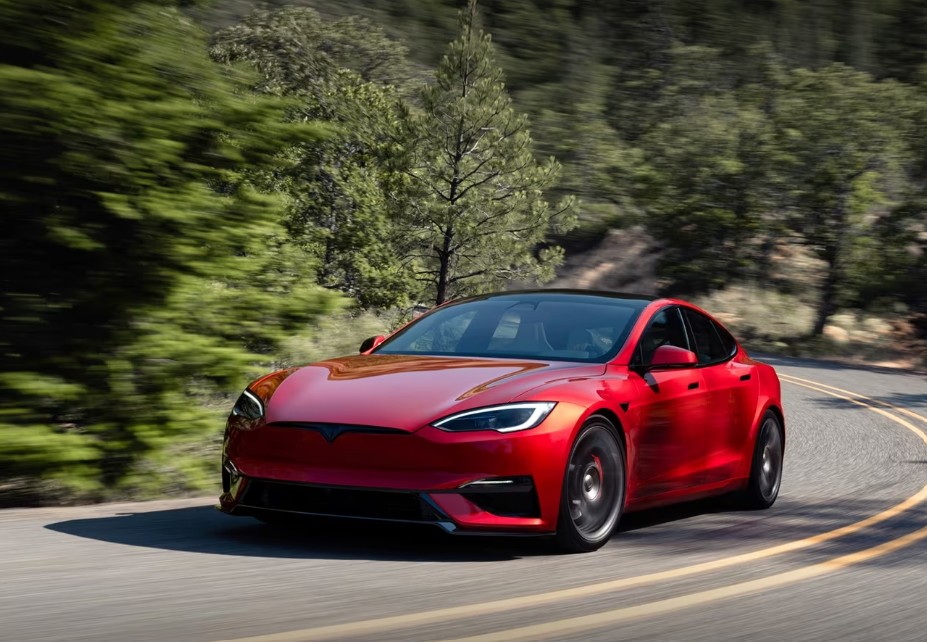
The short answer is yes — but also no. That might sound like a riddle wrapped in a steering wheel, but it perfectly captures the reality of the Tesla Model S and its so-called Full Self-Driving capability.
Tesla has pushed the automotive world into the future faster than almost any other automaker. The Model S isn’t just a luxury EV anymore; it’s become a rolling software platform packed with cameras, sensors, artificial intelligence, and autonomous ambitions. Yet despite the futuristic branding, many drivers still ask the same question:
Can the Tesla Model S actually drive itself?
Let’s unpack the truth behind Tesla’s Full Self-Driving system, how it works, what it can really do today, and whether it lives up to the hype.
Content in this publication
- Understanding Tesla Full Self-Driving
- What Is Included in Tesla Full Self-Driving?
- Does Every Tesla Model S Have Full Self-Driving?
- How Much Does Tesla Full Self-Driving Cost?
- How Does Tesla Model S Full Self-Driving Work?
- Can the Tesla Model S Drive Itself Without Human Input?
- What Is FSD Supervised?
- How Good Is Tesla Full Self-Driving in Real Life?
- Where Tesla Full Self-Driving Struggles
- Is Tesla Full Self-Driving Safe?
- Tesla Model S Hardware Versions Explained
- Can Older Tesla Model S Vehicles Get FSD?
- Tesla Model S Autopilot vs Competitors
- Does Tesla Full Self-Driving Work Everywhere?
- How Tesla Continuously Improves FSD
- What Is Tesla FSD Beta?
- Can Tesla Full Self-Driving Handle City Streets?
- Do Drivers Trust Tesla Full Self-Driving?
- Does Tesla Full Self-Driving Require Internet?
- What Happens if We Ignore Tesla Warnings?
- Will Tesla Ever Achieve True Full Self-Driving?
- Should We Buy Full Self-Driving for the Tesla Model S?
- Is Tesla Model S Still the Leader in Autonomous Driving?
- The Future of Tesla Model S Full Self-Driving
- Conclusion
- FAQs
Understanding Tesla Full Self-Driving
Tesla’s “Full Self-Driving” package — commonly shortened to FSD — is an advanced driver assistance system designed to automate many driving tasks.
However, despite the name, it does not make the car fully autonomous in the way most people imagine. Drivers still need to pay attention, keep their hands ready, and remain legally responsible for the vehicle.
That distinction matters.
Tesla uses bold terminology, but the system currently operates at what industry experts generally classify as Level 2 autonomy. That means the vehicle can assist with steering, acceleration, and braking simultaneously, but human supervision remains mandatory.
Think of it like a highly intelligent co-pilot rather than a robotic chauffeur.
What Is Included in Tesla Full Self-Driving?
When buyers add Full Self-Driving to a Tesla Model S, they gain access to a collection of autonomous-style features.
Key FSD Features
- Navigate on Autopilot
- Auto Lane Change
- Autopark
- Smart Summon
- Traffic Light and Stop Sign Control
- City Street Autonomy (FSD Beta/Supervised)
- Automatic steering on highways
- Adaptive cruise control
- Lane centering
Some of these features feel magical the first time we use them. Others still behave like a teenager learning to parallel park.
That inconsistency is part of the Tesla experience.
Does Every Tesla Model S Have Full Self-Driving?
No. Not every Model S comes with FSD enabled.
Many Tesla Model S vehicles only include standard Autopilot unless the owner purchased the Full Self-Driving package separately.
Tesla Autopilot vs Full Self-Driving
This is where confusion often begins.
Standard Autopilot Includes
- Traffic-aware cruise control
- Automatic lane keeping
- Basic steering assistance
Full Self-Driving Adds
- Advanced navigation
- Automated lane changes
- City driving assistance
- Traffic light recognition
- Smart parking and summon features
It’s like comparing a treadmill to a marathon runner. Both move, but one clearly does a lot more.
How Much Does Tesla Full Self-Driving Cost?
Tesla frequently changes pricing, but Full Self-Driving is generally sold as a premium software package.
Owners can usually choose between:
- A one-time purchase
- A monthly subscription
The cost often reaches several thousands of dollars, making it one of the most expensive automotive software upgrades in the world.
And here’s the interesting twist: buyers are paying today for software that Tesla believes will become even more capable tomorrow.
In many ways, purchasing FSD is partly buying current functionality and partly investing in Tesla’s future promises.
How Does Tesla Model S Full Self-Driving Work?
Tesla’s autonomous system relies heavily on:
- Cameras
- Neural networks
- Artificial intelligence
- Real-time data processing
- Massive driving datasets
Unlike some competitors, Tesla moved away from radar and ultrasonic sensors in many vehicles, focusing primarily on a camera-based vision system called Tesla Vision.
Tesla Vision Explained
Tesla Vision uses multiple external cameras to interpret the environment around the car.
The AI attempts to recognize:
- Lane markings
- Vehicles
- Pedestrians
- Cyclists
- Traffic lights
- Road signs
- Curbs
- Obstacles
Imagine giving a car a pair of digital eyes and then teaching it through millions of driving examples.
That’s essentially Tesla’s strategy.
Can the Tesla Model S Drive Itself Without Human Input?
Not legally. Not safely. Not consistently.
Even though some online videos make Tesla vehicles appear fully autonomous, the reality is more nuanced.
Drivers must:
- Stay alert
- Keep hands near the wheel
- Monitor road conditions
- Take over instantly if needed
Tesla itself states that Full Self-Driving requires active driver supervision.
This is incredibly important because the name “Full Self-Driving” can create unrealistic expectations.
The Model S can handle many driving situations impressively well, but it can also make sudden mistakes that require immediate correction.
What Is FSD Supervised?
Tesla recently shifted terminology toward “FSD Supervised.”
That small wording change says a lot.
It acknowledges that the software still depends on human oversight.
Why Tesla Added “Supervised”
The updated naming helps clarify that:
- The driver remains responsible
- The system is not autonomous
- Human intervention may be required at any moment
It’s a subtle but meaningful evolution in Tesla’s messaging.
How Good Is Tesla Full Self-Driving in Real Life?
This depends on where, when, and how we use it.
Sometimes FSD feels astonishingly advanced. Other times it behaves unpredictably.
Situations Where FSD Performs Well
Highway Driving
Tesla shines on highways.
The Model S can:
- Maintain speed
- Keep lane position
- Change lanes
- Navigate exits
- Handle traffic flow
Long highway trips often feel dramatically less tiring.
Heavy Traffic
FSD can smoothly crawl through stop-and-go traffic, almost like an experienced commuter who’s had enough coffee.
Simple Urban Roads
In straightforward city layouts, Tesla can often navigate turns, lights, and intersections surprisingly well.
Where Tesla Full Self-Driving Struggles
Even advanced AI hits rough patches.
Common Weaknesses
Complex Intersections
Busy intersections can confuse the system.
Construction Zones
Temporary lanes and cones remain challenging.
Poor Weather
Rain, fog, snow, or glare can reduce camera visibility.
Aggressive Drivers
Human unpredictability still creates problems for autonomous systems.
Sometimes Tesla behaves cautiously. Other times it reacts awkwardly, like someone trying to dance while reading instructions at the same time.
Is Tesla Full Self-Driving Safe?
Safety discussions around Tesla are intense and often controversial.
Tesla argues that Autopilot and FSD reduce driver fatigue and may lower accident rates in certain situations.
Critics argue that the system can encourage overconfidence.
The truth sits somewhere in the middle.
Important Safety Considerations
Drivers should never:
- Sleep while using FSD
- Sit in the back seat
- Ignore road conditions
- Assume the car is fully autonomous
The safest mindset is to treat FSD as an advanced assistance tool rather than a replacement for driving.
Tesla Model S Hardware Versions Explained
Not all Tesla Model S vehicles have identical hardware.
Tesla has introduced multiple generations of self-driving computers over the years.
Older Hardware Versions
Early Model S vehicles may include:
- Hardware 2.0
- Hardware 2.5
Newer Hardware
Recent vehicles often include:
- Hardware 3 (HW3)
- Hardware 4 (HW4)
Newer hardware provides:
- Faster processing
- Better AI performance
- Improved camera quality
- Enhanced future capability
This matters because FSD performance can vary significantly depending on hardware generation.
Can Older Tesla Model S Vehicles Get FSD?
Sometimes yes, but upgrades may be required.
Tesla has offered hardware retrofits for some owners who purchased Full Self-Driving capabilities earlier.
Potential Upgrade Paths
Owners may need:
- Computer upgrades
- Camera replacements
- Software updates
The process depends heavily on the specific year and configuration of the vehicle.
Tesla Model S Autopilot vs Competitors
Tesla isn’t alone in the autonomous driving race anymore.
Major Rivals Include
- Mercedes-Benz
- General Motors
- Ford Motor Company
- Waymo
Competitor Systems
- Super Cruise
- BlueCruise
- Drive Pilot
- Waymo Driver
Interestingly, some competitors offer hands-free driving in specific environments with stricter limitations.
Tesla, meanwhile, aims for broader flexibility using vision-based AI.
It’s essentially a philosophical battle:
- Tesla wants generalized intelligence
- Rivals prefer tightly controlled environments
Does Tesla Full Self-Driving Work Everywhere?
No. Availability depends on:
- Country
- Regulations
- Software rollout
- Local laws
Some FSD features are restricted or unavailable outside certain regions.
Regional Differences Matter
Regulators in Europe, Asia, and other markets often impose stricter rules than the United States.
As a result, the Tesla Model S may behave differently depending on where it’s driven.
How Tesla Continuously Improves FSD
One reason Tesla stands apart is over-the-air software updates.
What OTA Updates Do
Tesla can improve:
- Driving behavior
- User interface
- Navigation logic
- AI decision-making
- Safety systems
without owners visiting a dealership.
That’s one of the most futuristic parts of owning a Tesla.
The car we buy today may drive differently six months later.
What Is Tesla FSD Beta?
Tesla’s FSD Beta program allowed selected users to test experimental autonomous features before wider release.
Why Beta Matters
Beta testing helped Tesla gather:
- Real-world driving data
- Edge-case scenarios
- AI learning opportunities
Millions of miles of user driving feed Tesla’s neural networks.
Every tricky left turn and awkward roundabout becomes part of the machine’s education.
Can Tesla Full Self-Driving Handle City Streets?
Yes — to a degree.
City driving is where Tesla’s ambitions become most impressive and most controversial.
City Driving Tasks Tesla Can Attempt
- Turning at intersections
- Responding to traffic lights
- Navigating roundabouts
- Changing lanes
- Following navigation routes
But urban environments remain incredibly difficult for AI.
Humans make unpredictable choices constantly:
- Jaywalking pedestrians
- Sudden lane merges
- Double-parked cars
- Cyclists weaving through traffic
Teaching a machine to understand this chaos is like teaching a calculator to understand sarcasm.
Do Drivers Trust Tesla Full Self-Driving?
Trust varies wildly.
Some owners love it and use it daily.
Others disable it after frightening experiences.
Why Some Drivers Love FSD
- Reduced fatigue
- Convenient highway driving
- Technological excitement
- Frequent improvements
Why Some Drivers Distrust It
- Phantom braking
- Unexpected lane changes
- Hesitation at intersections
- Overconfidence concerns
The system can feel brilliant one moment and awkward the next.
That unpredictability keeps many drivers cautious.
Does Tesla Full Self-Driving Require Internet?
The Tesla Model S does not rely on constant internet connectivity for real-time driving decisions.
However, internet access helps with:
- Updates
- Navigation data
- Traffic information
- Cloud-based services
The vehicle’s onboard computer handles immediate driving tasks locally.
What Happens if We Ignore Tesla Warnings?
Tesla monitors driver attention using steering wheel input and cabin cameras in some models.
If the driver appears inattentive, the system may:
- Issue warnings
- Disable Autopilot temporarily
- Reduce functionality
Repeated misuse can lead to temporary suspension from certain FSD features.
Tesla clearly wants drivers engaged — even while marketing futuristic automation.
Will Tesla Ever Achieve True Full Self-Driving?
That’s the billion-dollar question.
Tesla believes artificial intelligence and massive real-world data collection will eventually unlock true autonomy.
Skeptics argue the final percentage of reliability is vastly harder than Tesla suggests.
The Last 1% Problem
Driving isn’t hard most of the time.
The real challenge lies in rare situations:
- Emergency vehicles
- Sudden hazards
- Unusual weather
- Human unpredictability
Humans handle these edge cases intuitively. AI still struggles.
Should We Buy Full Self-Driving for the Tesla Model S?
The answer depends on expectations.
FSD Makes Sense If We Want
- Advanced technology
- Frequent software evolution
- Highway driving convenience
- Cutting-edge features
- A glimpse of the future
FSD May Not Be Worth It If We Expect
- Fully autonomous driving
- Hands-free sleeping
- Robotaxi-level independence
- Perfect reliability
Tesla’s FSD is fascinating, powerful, and constantly evolving — but it is not magic.
Is Tesla Model S Still the Leader in Autonomous Driving?
Tesla remains one of the most recognized names in self-driving technology, but the competition is catching up quickly.
Tesla’s Biggest Advantages
- Massive driving data
- OTA updates
- Strong AI focus
- Rapid software iteration
Tesla’s Biggest Challenges
- Regulatory scrutiny
- Public skepticism
- Safety debates
- High expectations
The race toward autonomy resembles a marathon run at sprint speed. Everyone is moving fast, but nobody has truly crossed the finish line yet.
The Future of Tesla Model S Full Self-Driving
Tesla continues refining its AI systems at a relentless pace.
Future improvements may include:
- Better object recognition
- Smoother urban driving
- Enhanced safety logic
- Faster decision-making
- More reliable autonomy
Whether Tesla eventually delivers true self-driving capability remains uncertain, but one thing is undeniable:
The Model S already offers one of the most technologically ambitious driving experiences available today.
Conclusion
So, does the Tesla Model S have Full Self-Driving?
Technically yes — Tesla sells a package called Full Self-Driving that enables advanced autonomous-style features.
But practically speaking, it is not fully self-driving in the way most people imagine.
Drivers must still supervise the vehicle, remain attentive, and take control whenever necessary.
The Tesla Model S sits in a fascinating middle ground between traditional driving and autonomous mobility. It’s part luxury EV, part rolling experiment, and part glimpse into a future that’s still being written.
And maybe that’s why the Model S continues to captivate drivers worldwide.
It doesn’t just transport us from one place to another.
It makes us wonder what driving will look like tomorrow.
FAQs
Does Tesla Model S come standard with Full Self-Driving?
No. Most Tesla Model S vehicles come with standard Autopilot, while Full Self-Driving is usually an optional upgrade or subscription.
Can Tesla Model S drive without touching the steering wheel?
For limited periods in certain situations, yes. However, drivers must remain attentive and ready to take control at all times.
Is Tesla Full Self-Driving legal?
Yes, Tesla’s FSD features are legal in many regions, but regulations vary by country and state. Drivers remain legally responsible for the vehicle.
What is the difference between Autopilot and Full Self-Driving?
Autopilot provides basic lane centering and adaptive cruise control, while Full Self-Driving adds advanced navigation, city driving assistance, parking, and traffic control features.
Will Tesla eventually achieve fully autonomous driving?
Possibly, but true Level 5 autonomy remains an industry-wide challenge. Tesla continues improving its AI systems, but fully driverless operation is not yet available.
If you want to know other articles similar to Does the Tesla Model S Have Full Self Driving? you can visit the category Driving.
Can Nissan Rogue Pull a Boat? Complete Towing Guide
Can Nissan Rogue Be Flat Towed? Complete Towing Guide
Are Nissan Rogue Good on Gas? MPG, Fuel Economy, and Real-World Costs
Can Nissan Rogue Drive in Snow? Complete Winter Driving Guide

Kia Sorento Diesel Fuel Consumption: MPG, Efficiency and Real-World Range
Haval Jolion Hybrid Fuel Consumption: How Efficient Is It Really?
Leave a Reply
More content of your interest