

Ford Bronco Fuel Economy: The Complete Guide to MPG, Efficiency, and Real-World Costs

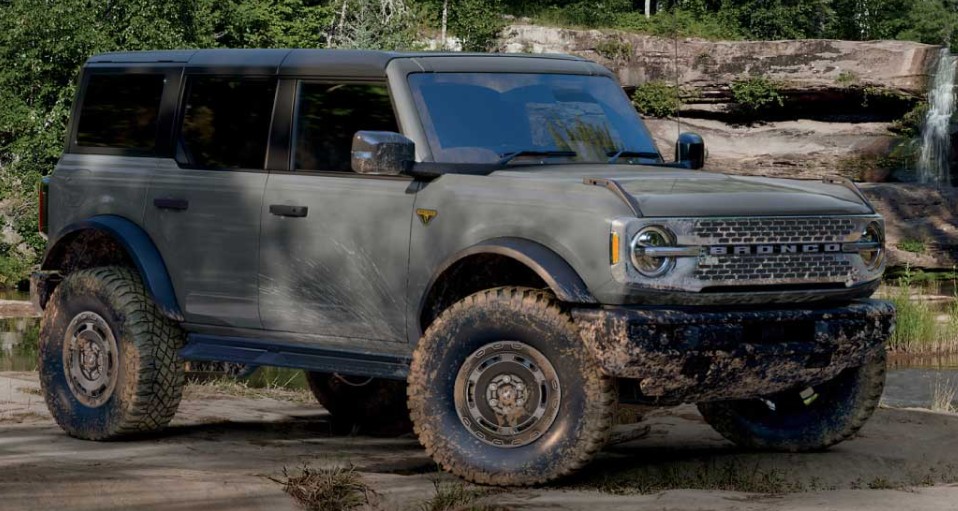
The Ford Bronco is one of the most recognizable off-road SUVs on the market. With its rugged styling, removable doors, powerful engine options, and trail-ready capability, it has captured the imagination of adventure seekers worldwide. Yet one question continues to dominate buyer discussions: How good is Ford Bronco fuel economy?
The answer isn't as simple as a single MPG number. Fuel economy varies significantly depending on the engine, transmission, tire size, trim level, driving habits, and terrain. While the Bronco was engineered to conquer mountains, deserts, and muddy trails, many owners also use it as a daily commuter. Understanding how much fuel it consumes is essential before making a purchase decision.
In this comprehensive guide, we'll explore everything you need to know about Ford Bronco fuel economy, including official EPA ratings, real-world MPG experiences, factors affecting efficiency, comparisons with competitors, and practical tips to maximize every gallon.
Content in this publication
- Why Fuel Economy Matters in the Ford Bronco
- Understanding Ford Bronco Engine Options
- Official Ford Bronco Fuel Economy Ratings
- How Trim Levels Affect Fuel Economy
- The Impact of Tire Size on MPG
- Real-World Ford Bronco Fuel Economy
- How Driving Habits Influence Fuel Economy
- Off-Road Driving and Fuel Consumption
- Ford Bronco Fuel Tank Capacity
- Estimated Driving Range
- Ford Bronco vs Jeep Wrangler Fuel Economy
- Ford Bronco vs Toyota 4Runner MPG
- How Vehicle Modifications Affect MPG
- Tips to Improve Ford Bronco Fuel Economy
- Is the Ford Bronco Fuel Efficient for Daily Driving?
- Who Should Prioritize Fuel Economy When Buying a Bronco?
- Who Can Afford to Ignore MPG?
- The Future of Ford Bronco Efficiency
- Conclusion
- Frequently Asked Questions
Why Fuel Economy Matters in the Ford Bronco
The Ford Bronco isn't designed primarily as an economy vehicle. Its mission is adventure. However, fuel costs can significantly impact ownership expenses over time.
A difference of just 3–4 MPG may seem minor, but over several years of driving, it can add up to thousands of dollars in fuel expenses.
When evaluating the Bronco, we should consider:
- Daily commuting needs
- Long-distance travel frequency
- Fuel prices in our region
- Off-road usage percentage
- Vehicle modifications
The more accurately we understand these factors, the easier it becomes to select the ideal Bronco configuration.
Understanding Ford Bronco Engine Options
2.3L EcoBoost Four-Cylinder Engine
The standard Bronco engine is a turbocharged 2.3-liter EcoBoost four-cylinder.
Key specifications include:
- Approximately 300 horsepower
- Strong low-end torque
- Available manual transmission
- Better fuel economy than larger engines
This engine represents the sweet spot for many buyers seeking balance between performance and efficiency.
2.7L EcoBoost V6 Engine
The optional 2.7-liter twin-turbocharged V6 provides additional power and torque.
Benefits include:
- Faster acceleration
- Improved towing confidence
- Enhanced off-road performance
- Smooth highway cruising
The tradeoff is slightly reduced fuel economy compared to the four-cylinder option.
3.0L EcoBoost V6 in Bronco Raptor
The Bronco Raptor takes performance to another level.
Features include:
- Massive power output
- High-speed desert capability
- Specialized suspension
- Aggressive off-road tuning
As expected, fuel economy becomes a secondary consideration in this high-performance variant.
Official Ford Bronco Fuel Economy Ratings
Bronco 2.3L Automatic MPG
Typical EPA estimates for the four-door Bronco equipped with the 2.3L engine and automatic transmission include:
- Around 20 MPG city
- Around 21–22 MPG highway
- Approximately 21 MPG combined
These figures can vary slightly based on trim level and equipment.
Bronco 2.3L Manual MPG
The manual transmission version often delivers similar efficiency.
Typical ratings include:
- Around 20 MPG city
- Around 21 MPG highway
- Around 20 MPG combined
For enthusiasts who enjoy shifting gears themselves, the fuel economy penalty is relatively small.
Bronco 2.7L V6 MPG
The twin-turbo V6 generally achieves:
- Around 19 MPG city
- Around 21 MPG highway
- Around 20 MPG combined
Despite producing significantly more power, the efficiency difference is surprisingly modest.
Bronco Raptor MPG
The Bronco Raptor prioritizes performance.
Expected ratings typically hover around:
- 15 MPG city
- 16 MPG highway
- 15 MPG combined
These numbers reflect the vehicle's aggressive design and capability.
How Trim Levels Affect Fuel Economy
Not all Broncos are created equal.
Different trims include varying:
- Tire sizes
- Suspension systems
- Weight
- Aerodynamics
- Off-road equipment
These factors directly influence fuel consumption.
Base and Big Bend Models
These trims often provide the best efficiency.
Reasons include:
- Smaller tires
- Lower curb weight
- Less aggressive off-road hardware
For buyers focused on daily driving, these models offer excellent value.
Black Diamond and Outer Banks
These versions strike a balance between capability and comfort.
Fuel economy remains competitive while adding:
- Additional features
- Enhanced styling
- Improved interior amenities
Badlands and Wildtrak
These trims prioritize off-road performance.
Their larger tires and advanced suspension systems can reduce fuel efficiency.
However, the tradeoff is dramatically increased trail capability.
The Impact of Tire Size on MPG
Why Bigger Tires Consume More Fuel
Larger tires create additional rolling resistance.
Imagine pushing a shopping cart with oversized wheels through deep sand. More energy is required to maintain motion.
Similarly, larger Bronco tires demand:
- More engine effort
- Increased rotational mass
- Higher fuel consumption
35-Inch Tires vs Smaller Tires
Many Bronco enthusiasts upgrade to 35-inch tires.
Benefits include:
- Better ground clearance
- Improved obstacle traversal
- Aggressive appearance
Potential drawbacks include:
- Reduced MPG
- Increased road noise
- Higher replacement costs
Fuel economy reductions of 1–3 MPG are common after substantial tire upgrades.
Real-World Ford Bronco Fuel Economy
City Driving Experience
Urban environments can challenge fuel efficiency.
Frequent:
- Stop-and-go traffic
- Traffic lights
- Idling
- Short trips
Often produce MPG figures below official estimates.
Many owners report:
- 17–20 MPG in city conditions
Highway Driving Results
Open highways allow turbocharged engines to operate more efficiently.
Many drivers achieve:
- 21–24 MPG
- Consistent cruising efficiency
- Improved fuel range
Maintaining moderate speeds often produces the best results.
Mixed Driving Conditions
Most owners experience a blend of city and highway travel.
Typical combined MPG ranges include:
- 18–22 MPG
Driving style remains one of the most influential variables.
How Driving Habits Influence Fuel Economy
Aggressive Acceleration
Turbocharged engines respond quickly to throttle inputs.
Rapid acceleration increases:
- Fuel injection rates
- Turbo boost pressure
- Consumption levels
A heavy right foot can dramatically reduce MPG.
Smooth Driving Techniques
Gentle acceleration helps maximize efficiency.
Best practices include:
- Maintaining momentum
- Anticipating traffic flow
- Avoiding unnecessary braking
- Using cruise control when possible
Small adjustments often yield noticeable improvements.
Off-Road Driving and Fuel Consumption
Why Off-Roading Burns More Fuel
Off-road terrain introduces unique challenges.
The engine must overcome:
- Mud resistance
- Sand drag
- Steep inclines
- Uneven surfaces
Fuel consumption rises accordingly.
Rock Crawling Efficiency
Rock crawling resembles weightlifting for a vehicle.
Low-speed torque delivery requires significant energy.
While speeds remain low, fuel use per mile can increase dramatically.
Sand and Desert Driving
Driving through sand is like running on a beach instead of pavement.
The vehicle constantly fights resistance.
As a result:
- Fuel economy drops substantially
- Tire pressure adjustments become critical
- Momentum management becomes essential
Ford Bronco Fuel Tank Capacity
The Bronco features a relatively generous fuel tank.
Most models offer:
- Approximately 20.8 gallons
This capacity supports longer adventures between fuel stops.
Estimated Driving Range
Range in Ideal Conditions
At 21 MPG combined:
- 20.8-gallon tank
- Approximately 430-mile range
This makes road trips practical and convenient.
Range During Off-Road Adventures
Heavy off-road use may reduce range significantly.
In demanding environments:
- Range can fall below 300 miles
Proper trip planning becomes important.
Ford Bronco vs Jeep Wrangler Fuel Economy
Comparing the Two Icons
The Bronco and Jeep Wrangler frequently compete for the same buyers.
Both emphasize:
- Off-road capability
- Open-air freedom
- Adventure-focused design
Fuel economy differences are generally small.
Which SUV Is More Efficient?
Depending on configuration:
- Bronco often slightly edges Wrangler
- Some Wrangler variants perform similarly
- Hybrid Wrangler models outperform both
The specific trim matters more than the badge.
Ford Bronco vs Toyota 4Runner MPG
Traditional SUV Comparison
The Toyota 4Runner has a reputation for durability.
However, its older engine design often produces lower efficiency.
Many Bronco configurations achieve:
- Better MPG
- Stronger acceleration
- More modern powertrain performance
How Vehicle Modifications Affect MPG
Lift Kits
Lift kits improve clearance.
Unfortunately, they also:
- Increase aerodynamic drag
- Raise vehicle weight
- Reduce fuel efficiency
Even modest lifts can impact MPG.
Roof Racks and Cargo Systems
External accessories create wind resistance.
Popular additions include:
- Roof tents
- Cargo baskets
- Recovery gear
These upgrades often reduce highway fuel economy.
Steel Bumpers and Winches
Heavy-duty equipment increases capability.
However, extra weight forces the engine to work harder.
The result is usually lower fuel efficiency.
Tips to Improve Ford Bronco Fuel Economy
Maintain Proper Tire Pressure
Underinflated tires increase rolling resistance.
Check pressure regularly to maximize efficiency.
Reduce Excess Weight
Every extra pound matters.
Remove unnecessary:
- Tools
- Equipment
- Cargo
- Accessories
The Bronco rewards lighter loads.
Limit High-Speed Driving
Aerodynamic drag rises rapidly at higher speeds.
Driving at 75–80 MPH instead of 65 MPH can significantly reduce fuel economy.
Use Quality Fuel
Following manufacturer recommendations helps optimize combustion efficiency and engine performance.
Is the Ford Bronco Fuel Efficient for Daily Driving?
The answer depends on expectations.
Compared with compact crossovers, the Bronco consumes more fuel.
Compared with traditional body-on-frame off-road SUVs, it performs quite well.
For many owners, the Bronco achieves an attractive balance between:
- Capability
- Comfort
- Technology
- Fuel economy
It's not a fuel-sipping commuter car, but neither is it excessively thirsty within its segment.
Who Should Prioritize Fuel Economy When Buying a Bronco?
Fuel economy should be a major consideration if we:
- Drive long distances daily
- Face high fuel prices
- Rarely go off-road
- Prioritize ownership costs
In these cases, the 2.3L engine with smaller tires often represents the smartest choice.
Who Can Afford to Ignore MPG?
Some buyers value capability above all else.
For them:
- Wildtrak
- Badlands
- Bronco Raptor
May provide greater satisfaction despite reduced efficiency.
Adventure sometimes outweighs economy.
The Future of Ford Bronco Efficiency
The automotive landscape continues evolving.
Potential future developments may include:
- Hybrid powertrains
- Improved turbocharging
- Lightweight materials
- Advanced aerodynamics
As regulations tighten and technology advances, we may see future Broncos deliver stronger efficiency without sacrificing capability.
Conclusion
Ford Bronco fuel economy reflects the vehicle's dual personality. It is both a capable off-road machine and a practical daily driver. Most models achieve between 18 and 22 MPG in real-world use, with the 2.3L EcoBoost offering the strongest balance of efficiency and performance. Tire size, trim level, driving style, and modifications all play critical roles in determining actual fuel consumption.
When viewed through the lens of the off-road SUV segment, the Bronco performs admirably. It may never rival a hybrid crossover at the gas pump, but that's not its mission. The Bronco is built for exploration, and its fuel economy is reasonable considering the adventures it enables. Like a trusted hiking boot, it isn't designed for elegance alone—it is built to take us places ordinary vehicles cannot.
Frequently Asked Questions
1. What is the average Ford Bronco fuel economy?
Most Bronco models average between 18 and 22 MPG depending on engine choice, trim level, tires, and driving conditions.
2. Which Ford Bronco engine gets the best gas mileage?
The 2.3L EcoBoost four-cylinder generally delivers the best fuel economy while still providing strong performance.
Some engine configurations can operate on regular gasoline, although premium fuel may improve performance and efficiency.
4. Do larger Bronco tires reduce MPG?
Yes. Larger tires increase rolling resistance and weight, often reducing fuel economy by 1–3 MPG or more.
5. Is the Ford Bronco good for road trips?
Absolutely. Its comfortable cabin, respectable fuel range, and adventure-ready capability make it an excellent road-trip vehicle.
If you want to know other articles similar to Ford Bronco Fuel Economy: The Complete Guide to MPG, Efficiency, and Real-World Costs you can visit the category Driving.
Kia Sorento Fuel Economy: MPG, Hybrid, and Plug-In Hybrid Explained
BYD Shark 6 Fuel Consumption: Real-World Economy, Range and What to Expect
Vauxhall Agila MPG: Real-World Fuel Economy and Engine Guide

Honda Passport MPG: Real-World Fuel Economy, Ratings, and What to Expect

Nissan Rogue Fuel Economy: MPG, Range, Costs, and Real-World Efficiency
BYD Shark 6 Long Range Fuel Tank: Is the 120L Upgrade Worth It?
Leave a Reply
More content of your interest