

Can Nissan Rogue Pull a Boat? Complete Towing Guide

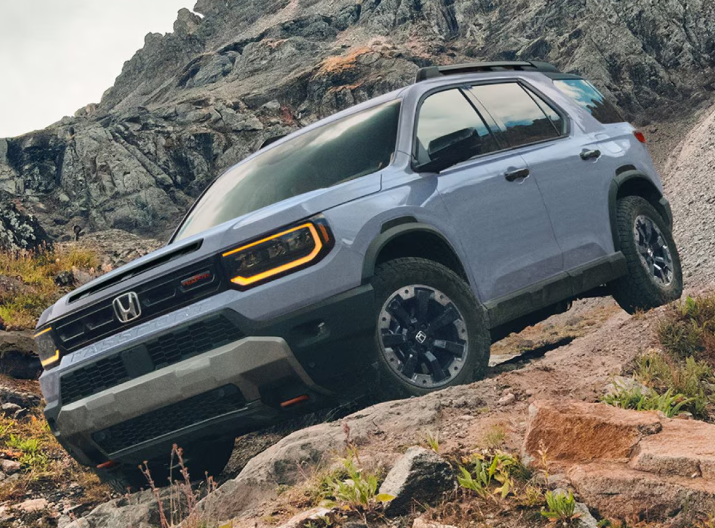
If we love fishing, boating, or spending weekends exploring lakes, we might wonder: Can a Nissan Rogue pull a boat? The short answer is yes, but there are some important limitations we need to understand before attaching a trailer.
The Nissan Rogue is a compact SUV known for its comfortable interior, fuel efficiency, and everyday practicality. Although it isn't designed primarily for heavy-duty towing, it offers enough towing capability to transport certain lightweight boats and personal watercraft.
Most newer Nissan Rogue models have a maximum towing capacity of 1,500 pounds (680 kg) when properly equipped. This means we can potentially tow small aluminum fishing boats, lightweight jon boats, compact inflatable boats, and some jet skis.
However, we cannot simply compare the boat's weight with the vehicle's towing capacity. We also need to consider the weight of the trailer, engine, fuel, batteries, and additional equipment.
In this comprehensive guide, we'll explore Nissan Rogue towing capacity by year, determine which boats it can handle, discuss AWD versus FWD towing performance, and explain how to tow a boat safely without unnecessarily stressing the vehicle.
Content in this publication
- Can a Nissan Rogue Tow a Boat Safely?
- Nissan Rogue Towing Capacity by Year
- What Types of Boats Can a Nissan Rogue Pull?
- Can a Nissan Rogue Pull a 14-Foot Boat?
- Can a Nissan Rogue Pull a 16-Foot Boat?
- How Much Does a Boat and Trailer Weigh?
- How to Calculate Whether Your Nissan Rogue Can Tow a Boat
- Nissan Rogue AWD vs FWD for Boat Towing
- Can a Nissan Rogue Launch a Boat at a Ramp?
- Does Towing a Boat Damage the Nissan Rogue CVT?
- What Equipment Does a Nissan Rogue Need to Tow a Boat?
- Understanding Nissan Rogue Tongue Weight
- How Does Towing a Boat Affect Nissan Rogue Gas Mileage?
- Can a Nissan Rogue Tow a Boat Long Distance?
- Is the Nissan Rogue Good for Regular Boat Towing?
- Nissan Rogue vs Nissan Pathfinder for Boat Towing
- Common Mistakes When Towing a Boat With a Nissan Rogue
- Frequently Asked Questions About Nissan Rogue Boat Towing
- Final Verdict: Can Nissan Rogue Pull a Boat?
Can a Nissan Rogue Tow a Boat Safely?
Yes, a Nissan Rogue can safely tow certain boats as long as the complete towing setup remains within the manufacturer's specifications.
The most important factor is the total loaded trailer weight.
For example, imagine we own a small aluminum fishing boat with the following specifications:
| Component | Weight |
|---|---|
| Aluminum fishing boat | 600 lbs |
| Outboard motor | 120 lbs |
| Boat trailer | 300 lbs |
| Fuel and equipment | 100 lbs |
| Total weight | 1,120 lbs |
In this situation, the total towing weight is 1,120 pounds.
If our Nissan Rogue has a maximum towing capacity of 1,500 pounds, this combination could be suitable, provided the vehicle's other towing limits are also respected.
However, if we own a larger fiberglass boat weighing 1,800 pounds before adding the trailer, the Rogue would not be an appropriate towing vehicle.
Therefore, the Nissan Rogue is best suited for lightweight boats rather than large recreational vessels.
We should always check the owner's manual for our specific model year and configuration before towing.
Nissan Rogue Towing Capacity by Year
The Nissan Rogue's towing capacity has changed across different generations.
Understanding these differences is particularly important if we're considering a used Nissan Rogue for transporting a boat.
Here is a general overview of maximum published towing capacities for U.S.-market gasoline models.
| Nissan Rogue Model Year | Maximum Towing Capacity |
|---|---|
| 2026 | 1,500 lbs |
| 2025 | 1,500 lbs |
| 2024 | 1,500 lbs |
| 2023 | 1,500 lbs |
| 2022 | 1,500 lbs |
| 2021 | 1,350 lbs |
| 2020 | 1,102 lbs |
| 2019 | 1,102 lbs |
| 2018 | 1,102 lbs |
| 2017 | 1,000 lbs |
These figures represent maximum published ratings rather than a guarantee that every configuration can tow that amount. Equipment, vehicle condition, payload, and other manufacturer restrictions must also be considered.
2022–2026 Nissan Rogue Towing Capacity
Newer Nissan Rogue models generally have a maximum towing capacity of 1,500 pounds when properly equipped.
This rating makes them potentially suitable for:
- Lightweight aluminum fishing boats.
- Small jon boats.
- Compact inflatable boats.
- Some single jet skis with trailers.
- Small recreational dinghies.
- Lightweight utility boat trailers.
However, a 1,500-pound towing capacity doesn't mean we should automatically select a boat and trailer weighing exactly 1,500 pounds.
We must also verify tongue weight, vehicle payload, and trailer compatibility.
2021 Nissan Rogue Towing Capacity
The 2021 Nissan Rogue has a maximum published towing capacity of 1,350 pounds.
Although this is slightly lower than newer models, it can still handle some lightweight boats.
For example, a small aluminum fishing boat with a compact outboard engine and an appropriately sized trailer could potentially remain within this limit.
However, heavier fishing accessories, additional batteries, and larger engines can significantly increase the total weight.
2017–2020 Nissan Rogue Towing Capacity
Older Nissan Rogue models generally offer lower towing capacities.
The 2017 Rogue has a maximum rating of approximately 1,000 pounds, while 2018–2020 gasoline models have published ratings of approximately 1,102 pounds.
These SUVs are better suited for extremely lightweight boats and trailers.
If we own an older Rogue, we should carefully calculate the total weight before purchasing a boat or towing equipment.
What Types of Boats Can a Nissan Rogue Pull?
Not every boat is suitable for towing with a Nissan Rogue.
Some small boats are lightweight enough to fall within its limits, while others can exceed the maximum towing capacity even before adding fuel and equipment.
Let's examine the most realistic options.
Small Aluminum Fishing Boats
Aluminum fishing boats are among the best options for Nissan Rogue owners.
Their lightweight construction makes them easier to tow compared with many fiberglass alternatives.
Small aluminum boats are commonly used for:
- Freshwater fishing.
- Exploring lakes.
- Short recreational trips.
- Transporting basic fishing equipment.
- Navigating shallow waterways.
For example, a simple aluminum jon boat can weigh only a few hundred pounds before adding its motor and equipment.
Once we include the trailer, engine, fuel, and fishing gear, the total weight may still remain within a newer Rogue's 1,500-pound towing capacity.
However, larger aluminum fishing boats equipped with powerful outboard motors and multiple batteries can become considerably heavier.
We should therefore focus on the complete loaded weight rather than assuming every aluminum boat is suitable.
Inflatable Boats and Small Dinghies
Inflatable boats can also be excellent options because many models are relatively lightweight.
They are particularly attractive for occasional recreational use.
Some benefits include:
- Easy storage.
- Lightweight construction.
- Simple transportation.
- Lower towing requirements.
- Versatility for fishing and recreation.
However, not all inflatable boats are equally light.
Rigid inflatable boats with substantial hulls and larger outboard engines may weigh significantly more than basic inflatable dinghies.
Before towing, we should check the complete weight of the watercraft and trailer.
Jet Skis and Personal Watercraft
Can a Nissan Rogue tow a jet ski?
Yes, many single personal watercraft and trailer combinations can fall within its towing capacity.
However, weight varies considerably between different jet ski models.
Smaller recreational personal watercraft may be relatively lightweight, while larger touring and performance models can be much heavier.
The total towing weight includes:
- Personal watercraft.
- Trailer.
- Fuel.
- Storage accessories.
- Additional equipment.
A single jet ski may be manageable with a properly equipped Nissan Rogue, but a double jet ski trailer carrying two watercraft will often exceed the vehicle's towing limit.
Small Fiberglass Boats
Fiberglass boats are another possibility, although we need to be more selective.
Unlike basic aluminum boats, fiberglass vessels often feature heavier hull construction, more equipment, and larger engines.
Some very small fiberglass dinghies may be light enough for a Nissan Rogue.
However, larger fiberglass fishing boats, recreational speedboats, and family boats generally exceed the Rogue's towing capacity.
If we're shopping for a boat specifically to tow with a Nissan Rogue, lightweight aluminum or compact inflatable models are usually better starting points.
Can a Nissan Rogue Pull a 14-Foot Boat?
Yes, a Nissan Rogue can potentially pull certain 14-foot boats.
However, not every boat measuring 14 feet will be suitable.
For example, a basic 14-foot aluminum jon boat with a small outboard motor may have a manageable overall weight.
Meanwhile, a 14-foot fishing boat equipped with a heavier engine, multiple batteries, and additional accessories could approach or exceed the vehicle's towing capacity.
When evaluating a 14-foot boat, we should check:
- Hull weight.
- Outboard engine weight.
- Trailer weight.
- Fuel capacity.
- Batteries and electronics.
- Fishing and safety equipment.
The important consideration is the complete loaded towing weight.
For many Nissan Rogue owners, a lightweight 12- to 14-foot aluminum boat can be a practical choice, provided all weight ratings are respected.
Can a Nissan Rogue Pull a 16-Foot Boat?
A Nissan Rogue may be able to tow certain lightweight 16-foot boats, but this is where weight becomes especially important.
Some basic aluminum utility boats remain relatively light despite their length.
However, many conventional 16-foot fishing boats include substantial equipment that increases their weight.
For example, a fully equipped bass boat may include:
- A large outboard engine.
- A trolling motor.
- Multiple batteries.
- Livewells.
- Fishing electronics.
- Built-in storage compartments.
- A heavier trailer.
All these components contribute to the final towing weight.
Many equipped 16-foot bass boats exceed 1,500 pounds once their trailers are included.
Therefore, we should never assume that a Nissan Rogue can tow a 16-foot boat simply because the boat appears compact.
Boat weight matters far more than boat length when determining towing compatibility.
How Much Does a Boat and Trailer Weigh?
To determine whether our Nissan Rogue can pull a boat, we must understand the difference between dry boat weight and total loaded trailer weight.
These measurements are not interchangeable.
Boat Dry Weight
Dry weight generally refers to the weight of the boat before certain fluids and equipment are added.
Depending on the manufacturer, it may exclude items such as fuel, batteries, optional equipment, and sometimes the engine.
This means a boat advertised as weighing 700 pounds could be substantially heavier when prepared for use.
Dry weight is useful when comparing boats, but it should never be our only towing calculation.
Boat Trailer Weight
The trailer itself adds significant weight.
You may be interested in reading Toyota Corolla AE86 Engine Swap – The Ultimate Guide
Small single-axle trailers are generally lighter than larger tandem-axle designs.
However, actual trailer weight depends on:
- Trailer length.
- Frame construction.
- Axle configuration.
- Braking equipment.
- Tire and wheel size.
- Additional accessories.
We should check the trailer manufacturer's specifications before determining whether the combination is suitable.
Fuel and Additional Equipment
Fuel can significantly increase boat weight.
Gasoline weighs approximately 6 pounds per U.S. gallon.
Therefore, 10 gallons of gasoline add roughly 60 pounds.
Other equipment may include:
- Marine batteries.
- Anchors.
- Fishing rods.
- Coolers.
- Safety equipment.
- Navigation electronics.
- Additional storage accessories.
Although these items may appear insignificant individually, their combined weight can make a considerable difference.
Estimated Boat and Trailer Weights
The following examples illustrate how different loaded boat combinations compare with the Nissan Rogue's towing capability.
| Boat Type | Example Total Loaded Weight | Suitable for a 1,500-lb Rogue? |
|---|---|---|
| Lightweight aluminum jon boat | 750 lbs | Potentially |
| Small inflatable dinghy | 900 lbs | Potentially |
| Compact fishing boat | 1,150 lbs | Potentially |
| Single personal watercraft | 1,300 lbs | Potentially |
| Larger equipped fishing boat | 1,800 lbs | No |
| Fiberglass motorboat | 3,000 lbs | No |
| Family recreational speedboat | 4,500 lbs | No |
These are illustrative figures, not guaranteed weights for specific boats. Actual combinations vary considerably.
Even when the loaded trailer is below 1,500 pounds, we still need to verify the vehicle's tongue weight and payload limits.
How to Calculate Whether Your Nissan Rogue Can Tow a Boat
We can estimate towing compatibility using a simple formula.
Total Loaded Trailer Weight = Boat Weight + Engine Weight + Trailer Weight + Fuel + Equipment
Let's imagine the following situation.
We want to tow a lightweight fishing boat using a 2025 Nissan Rogue.
Our equipment weighs:
| Component | Weight |
|---|---|
| Fishing boat | 650 lbs |
| Outboard motor | 100 lbs |
| Trailer | 300 lbs |
| Fuel | 60 lbs |
| Fishing equipment | 90 lbs |
| Total | 1,200 lbs |
The complete combination weighs 1,200 pounds.
Since our properly equipped Rogue has a maximum towing capacity of 1,500 pounds, the combination is 300 pounds below that maximum rating.
However, this does not automatically establish that towing is permitted.
We must also check tongue weight, hitch rating, vehicle payload, gross vehicle weight rating, and any other applicable restrictions.
Why Keeping Some Extra Capacity Helps
Even though towing up to the manufacturer's published limit may be permitted under suitable conditions, leaving a reasonable margin is generally practical.
For example, targeting a total trailer weight of approximately 1,100 to 1,200 pounds can provide more flexibility than selecting equipment that reaches the full 1,500-pound limit.
This is not an official Nissan towing requirement.
Instead, it helps accommodate variations in equipment weight and reduces the chance of accidentally exceeding the manufacturer's limits.
Nissan Rogue AWD vs FWD for Boat Towing
One important question is whether all-wheel drive makes the Nissan Rogue better for towing boats.
Both AWD and FWD models can tow appropriate lightweight trailers, but their traction characteristics differ.
Nissan Rogue AWD Boat Towing
All-wheel drive can provide advantages when driving on slippery surfaces.
This is especially useful around boat ramps, where wet pavement, loose gravel, or algae can reduce traction.
AWD can help distribute driving force between the front and rear wheels when the system determines that additional traction is needed.
Potential advantages include:
- Improved traction on certain slippery surfaces.
- Better ability to manage some uneven terrain.
- More confidence on wet launch ramps.
- Additional traction when starting uphill.
However, AWD doesn't automatically increase the Rogue's towing capacity.
Recent gasoline-powered FWD and AWD Rogue models share the same published maximum towing rating of 1,500 pounds when properly equipped.
Nissan Rogue FWD Boat Towing
Front-wheel-drive Nissan Rogues can also tow lightweight boat trailers within their rated limits.
They may perform adequately on dry roads, level surfaces, and properly maintained launch ramps.
However, FWD models can face additional traction challenges when pulling a boat uphill on a slippery ramp.
This doesn't mean that FWD towing is inherently unsafe.
It simply means we must pay closer attention to ramp conditions and avoid situations where adequate traction cannot be maintained.
Can a Nissan Rogue Launch a Boat at a Ramp?
Yes, a Nissan Rogue may be able to launch and retrieve a lightweight boat at a suitable boat ramp.
However, launching a boat is different from towing it along a normal road.
Boat ramps often have steep slopes, wet pavement, slippery algae, and uneven surfaces.
These conditions can make it more difficult for the vehicle to maintain traction.
Why Boat Ramps Can Be Challenging
When retrieving a boat, the Nissan Rogue must move the entire trailer uphill.
This requires sufficient traction between the tires and the ramp surface.
Even if the trailer weighs less than the vehicle's towing limit, poor traction can prevent successful retrieval.
Other factors include:
- Ramp gradient.
- Surface condition.
- Water depth.
- Tire condition.
- Vehicle drivetrain.
- Trailer weight distribution.
We should never assume that a boat will be easy to retrieve simply because it was easy to launch.
Tips for Launching a Boat Safely
Before approaching a boat ramp, we should inspect the area and make sure conditions are appropriate.
Useful precautions include:
- Choose a well-maintained ramp with a manageable slope.
- Avoid slippery ramps covered with algae.
- Check that trailer lights and connections are properly secured.
- Keep the vehicle's driven wheels away from the water.
- Reverse slowly and use a spotter when necessary.
- Avoid sudden acceleration when retrieving the boat.
- Never attempt to tow a combination that exceeds the vehicle's specifications.
If the ramp is too steep or slippery, choosing another launch location or using a more capable towing vehicle is the safer option.
Does Towing a Boat Damage the Nissan Rogue CVT?
The Nissan Rogue uses a continuously variable transmission, commonly called a CVT.
Because towing increases the mechanical workload on a vehicle, some drivers worry about possible transmission damage.
The important point is that towing within manufacturer specifications is different from overloading the vehicle.
How Towing Affects the Transmission
When towing a boat, the transmission must help move additional weight.
This can create greater mechanical and thermal demands during:
- Acceleration.
- Hill climbing.
- Highway driving.
- Repeated starts and stops.
- Boat retrieval on inclined ramps.
Higher operating temperatures can be a concern when a vehicle is subjected to sustained heavy loads.
For this reason, we should avoid exceeding the towing limit and follow the manufacturer's maintenance recommendations.
How to Protect the CVT While Towing
We can reduce unnecessary transmission stress by adopting sensible towing habits.
For example:
- Accelerate gradually.
- Avoid aggressive driving.
- Maintain appropriate speeds.
- Reduce unnecessary cargo.
- Follow Nissan's recommended maintenance schedule.
- Avoid excessive transmission loads on steep roads.
- Pay attention to warning lights and unusual driving behavior.
If the vehicle displays transmission warnings, loses power unexpectedly, or develops abnormal symptoms, we should stop safely and have the problem inspected.
The Nissan Rogue's CVT does not automatically prevent boat towing, but correct loading and driving practices are essential.
What Equipment Does a Nissan Rogue Need to Tow a Boat?
Before towing a boat, we need more than a suitable towing rating.
We must also ensure that the vehicle has the correct towing equipment.
Trailer Hitch Receiver
A compatible trailer hitch provides the connection between the Nissan Rogue and the trailer.
The receiver must be properly installed and rated for the intended towing load.
We should verify compatibility with our specific model year and configuration.
Installing a hitch with a higher towing rating does not increase the vehicle's manufacturer-approved towing capacity.
Trailer Ball and Ball Mount
The trailer ball must match the coupler size specified by the trailer manufacturer.
The ball mount must also support the required weight and maintain suitable trailer positioning.
Incorrectly sized or improperly installed components can create serious safety hazards.
Trailer Wiring Harness
Most boat trailers require functioning brake lights, turn signals, and tail lights.
A compatible wiring harness allows the trailer's lighting system to communicate with the vehicle.
Depending on the trailer, different electrical connector types may be required.
Professional installation can help ensure proper operation.
Safety Chains
Safety chains provide a secondary connection between the tow vehicle and trailer.
They must be attached correctly and be appropriately rated for the towing setup.
We should also verify that all trailer coupling mechanisms and safety connections are secured before driving.
Trailer Brakes
Some boat trailers have independent braking systems.
Whether brakes are required depends on trailer weight, local regulations, and other specifications.
You may be interested in readingToyota Corolla AE86 Engine Swap – The Ultimate GuideYou may be interested in reading
 Does the Toyota Camry Have CVT Transmission?
Even if a lightweight trailer does not legally require brakes in a particular jurisdiction, we must still ensure the entire combination complies with Nissan's requirements.
Understanding Nissan Rogue Tongue Weight
Tongue weight is another essential factor when towing a boat.
It refers to the downward force exerted by the trailer coupler on the vehicle's hitch.
For newer Nissan Rogue models with a 1,500-pound towing capacity, the published maximum tongue weight is generally 150 pounds.
Conventional trailer tongue weight is commonly targeted around 10% to 15% of loaded trailer weight, subject to the vehicle and trailer manufacturers' requirements.
Consider these examples:
| Trailer Weight | Tongue Weight at 10% |
|---|---|
| 800 lbs | 80 lbs |
| 1,000 lbs | 100 lbs |
| 1,200 lbs | 120 lbs |
| 1,400 lbs | 140 lbs |
| 1,500 lbs | 150 lbs |
If we tow a trailer weighing 1,500 pounds and its tongue weight reaches 150 pounds, we've already reached the Rogue's published maximum tongue weight.
Therefore, proper trailer loading and weight distribution are extremely important.
Too little tongue weight can contribute to trailer sway.
Excessive tongue weight can overload the hitch or vehicle and affect handling.
We should measure the actual tongue weight instead of relying only on estimates.
How Does Towing a Boat Affect Nissan Rogue Gas Mileage?
Towing a boat generally reduces fuel economy.
Even lightweight trailers create additional resistance, requiring the engine to work harder.
The exact reduction depends on several factors.
Additional Vehicle Weight
A heavier trailer increases the energy needed for acceleration and climbing hills.
This can result in higher fuel consumption compared with driving without a trailer.
Aerodynamic Resistance
Boats and trailers can create significant aerodynamic drag.
At highway speeds, wind resistance becomes especially important.
A compact boat with a low-profile trailer may produce less resistance than a taller boat with exposed equipment.
Driving Conditions
Fuel economy can also be influenced by:
- Driving speed.
- Road gradients.
- Strong winds.
- Traffic conditions.
- Tire pressures.
- Trailer weight.
- Driving habits.
We should expect lower MPG while towing and adjust fuel planning accordingly.
Can a Nissan Rogue Tow a Boat Long Distance?
Yes, a properly equipped Nissan Rogue can potentially tow an approved lightweight boat over longer distances.
However, we should be more careful when planning extended highway trips.
Long-distance towing can expose the vehicle to sustained mechanical loads, especially when traveling through mountainous areas or during hot weather.
Before Starting a Long Trip
We should inspect:
- Engine oil and coolant condition.
- Vehicle tires and tire pressures.
- Trailer tires.
- Trailer wheel bearings.
- Hitch and safety connections.
- Trailer lighting.
- Braking performance.
- Total trailer and tongue weight.
It is also important to ensure that the vehicle's maintenance is up to date.
Driving With a Boat Trailer
While driving, we should allow additional following distance and avoid sudden steering or braking.
Trailer combinations generally require more space to maneuver than vehicles traveling alone.
We should also avoid excessive highway speeds and follow any speed restrictions specified by the trailer or vehicle manufacturer.
If we frequently tow over long distances, a larger towing vehicle may provide more flexibility.
Is the Nissan Rogue Good for Regular Boat Towing?
The Nissan Rogue can be practical for occasional recreational towing, especially when transporting small boats to nearby lakes.
However, its modest maximum towing capacity makes it less versatile than larger SUVs and pickup trucks.
When the Nissan Rogue Makes Sense
The Rogue may be a reasonable choice when:
- We own a lightweight aluminum boat.
- We tow only occasionally.
- Our routes are relatively flat.
- We use well-maintained launch ramps.
- The loaded trailer remains within every applicable weight limit.
In these situations, we can enjoy the benefits of a compact everyday SUV while retaining limited boating capability.
When We Should Consider Another Vehicle
A more capable towing vehicle may be preferable when:
- Our boat weighs more than 1,500 pounds with its trailer.
- We regularly tow through mountainous terrain.
- We frequently use steep or slippery boat ramps.
- We transport substantial boating equipment.
- We expect to upgrade to a larger boat.
Choosing a vehicle with more towing capacity can provide greater flexibility for future boating needs.
Nissan Rogue vs Nissan Pathfinder for Boat Towing
If towing a boat is an important part of our lifestyle, comparing the Nissan Rogue with the Nissan Pathfinder can help us understand the available options.
| Feature | Nissan Rogue | Nissan Pathfinder |
|---|---|---|
| Maximum towing capacity | 1,500 lbs | Up to 6,000 lbs |
| Lightweight aluminum boats | Potentially suitable | Suitable within ratings |
| Larger fishing boats | Limited | More options |
| Heavy recreational boats | Generally unsuitable | Potentially suitable |
| Compact SUV practicality | Excellent | Larger vehicle |
| Towing flexibility | Limited | Significantly greater |
The Nissan Pathfinder offers a substantially higher maximum towing capacity when properly equipped.
This makes it better suited for many larger fishing boats and recreational trailers.
However, we still need to verify each Pathfinder configuration's towing and payload ratings before connecting a trailer.
For someone who only owns a small lightweight fishing boat, the Nissan Rogue may remain sufficient.
Common Mistakes When Towing a Boat With a Nissan Rogue
Some towing mistakes can create safety problems even when the boat seems relatively lightweight.
Let's review the most important ones.
Ignoring Trailer Weight
One of the biggest mistakes is calculating only the boat's weight.
The complete trailer combination may be hundreds of pounds heavier.
We should always use the actual loaded towing weight.
Exceeding Tongue Weight
A trailer may remain within the Rogue's maximum towing capacity while exceeding its permitted tongue weight.
This can affect vehicle handling and place excessive stress on towing components.
Assuming AWD Increases Towing Capacity
AWD can improve traction in certain conditions, but it does not automatically increase the manufacturer's published towing rating.
Using Incorrect Hitch Equipment
The hitch, ball mount, coupler, and safety components must all be compatible and properly rated.
Using unsuitable equipment introduces unnecessary risks.
Overloading the Vehicle
Passengers, luggage, and trailer tongue weight contribute to the load carried by the Nissan Rogue.
We must ensure the vehicle remains within its gross vehicle weight and axle ratings.
Ignoring Boat Ramp Conditions
A slippery or steep boat ramp can make retrieving a trailer more difficult than expected.
We should evaluate launch conditions before entering the ramp.
Frequently Asked Questions About Nissan Rogue Boat Towing
1. Can a Nissan Rogue tow a 14-foot aluminum boat?
Yes, many lightweight 14-foot aluminum boats can potentially be towed by a properly equipped Nissan Rogue.
However, we must calculate the combined weight of the boat, motor, fuel, equipment, and trailer.
If the complete combination remains within the vehicle's towing and tongue weight limits, it may be suitable.
2. Can a Nissan Rogue tow a jet ski?
Yes, a Nissan Rogue can tow certain single jet skis with lightweight trailers.
However, larger personal watercraft and heavier trailers may approach or exceed its towing capacity.
Double jet ski trailers are generally less suitable because their combined weight is often too high.
3. Can a Nissan Rogue pull a bass boat?
Some exceptionally lightweight bass boat combinations may fall within the Rogue's towing limits.
However, many fully equipped bass boats are too heavy, particularly when we include their engines, batteries, fishing equipment, and trailers.
We should always verify total loaded weight before towing.
4. Can a Nissan Rogue tow a boat without AWD?
Yes, front-wheel-drive Nissan Rogues can tow approved lightweight trailers when properly equipped.
AWD is not mandatory for boat towing.
Nevertheless, AWD may provide additional traction on certain wet or slippery boat ramps.
5. What is the biggest boat a Nissan Rogue can tow?
There is no universal maximum boat length because different boats have different weights.
For newer Rogue models with a 1,500-pound towing rating, the complete loaded trailer must remain within that limit, along with all other applicable manufacturer specifications.
A lightweight aluminum boat may qualify, while a smaller but heavier fiberglass boat may not.
Final Verdict: Can Nissan Rogue Pull a Boat?
Yes, the Nissan Rogue can pull a boat, but its towing capability is best suited for lightweight watercraft.
With a maximum towing capacity of 1,500 pounds on properly equipped recent models, the Rogue can potentially transport small aluminum fishing boats, compact inflatable boats, lightweight dinghies, and certain single jet skis.
However, we must remember that towing capacity includes the complete trailer combination rather than the boat alone.
The weight of the trailer, motor, fuel, batteries, and additional accessories can significantly influence whether towing is permitted.
We should also consider tongue weight, vehicle payload, trailer compatibility, and driving conditions before heading toward the boat ramp.
If we only need to transport a lightweight fishing boat occasionally, the Nissan Rogue can be a practical everyday SUV with useful recreational towing capability.
On the other hand, if we plan to transport a larger bass boat, fiberglass motorboat, or heavier recreational vessel, choosing a vehicle with greater towing capacity will generally be the better decision.
Ultimately, the key to towing a boat with a Nissan Rogue is selecting a lightweight combination, respecting every manufacturer weight limit, and using appropriate towing equipment.
You may be interested in readingToyota Corolla AE86 Engine Swap – The Ultimate GuideYou may be interested in reading
Does the Toyota Camry Have CVT Transmission?You may be interested in reading
 Toyota Camry Trim Levels 2014: A Detailed Guide to Choosing the Best
If you want to know other articles similar to Can Nissan Rogue Pull a Boat? Complete Towing Guide you can visit the category Driving.
Can Nissan Rogue Be Flat Towed? Complete Towing Guide
Are Nissan Rogue Good on Gas? MPG, Fuel Economy, and Real-World Costs
Can Nissan Rogue Drive in Snow? Complete Winter Driving Guide

Kia Sorento Diesel Fuel Consumption: MPG, Efficiency and Real-World Range
Haval Jolion Hybrid Fuel Consumption: How Efficient Is It Really?
Kia Sorento Fuel Economy: MPG, Hybrid, and Plug-In Hybrid Explained
Leave a Reply
More content of your interest