

BYD Seal Battery Size: Everything You Need to Know About Capacity, Range, Performance, and Charging

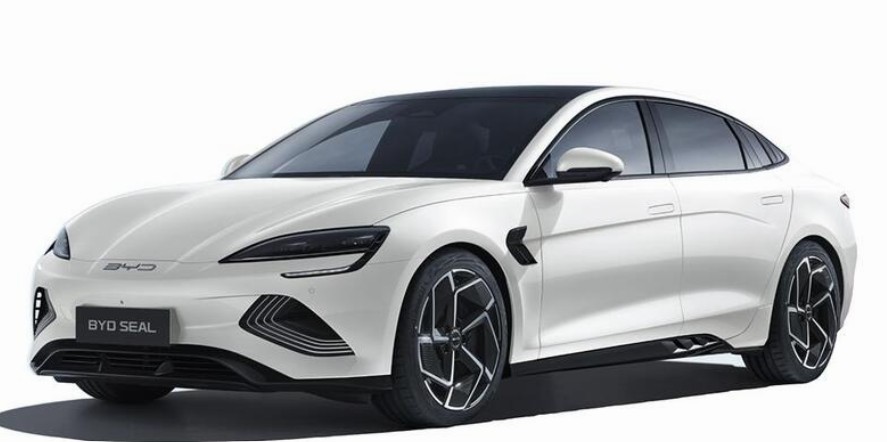
The BYD Seal has rapidly become one of the most talked-about electric sedans in the world. With sleek styling, impressive technology, and competitive pricing, it has emerged as a serious rival to premium electric vehicles. Yet among all the specifications buyers examine, one question consistently stands out: what is the BYD Seal battery size, and how does it affect real-world driving?
Battery size is the beating heart of any electric vehicle. Think of it as the fuel tank of the EV world—but far smarter, more efficient, and infinitely more complex. The size of the battery influences everything from driving range and charging speed to performance and long-term ownership costs.
In this comprehensive guide, we'll explore the BYD Seal battery size in detail, explain how the battery technology works, compare different variants, and uncover what the numbers actually mean for everyday drivers.
Content in this publication
- Why Battery Size Matters in an Electric Vehicle
- Understanding BYD Seal Battery Size
- The Technology Behind the BYD Seal Battery
- BYD Seal 61.4 kWh Battery
- BYD Seal 82.5 kWh Battery
- How Battery Size Affects Performance
- Charging Times for Different Battery Sizes
- Battery Efficiency: More Than Just Size
- How Long Does the BYD Seal Battery Last?
- Comparing BYD Seal Battery Size to Competitors
- The Relationship Between Battery Size and Vehicle Weight
- Safety Features of the BYD Seal Battery
- Real-World Range Expectations
- Battery Size and Ownership Costs
- Future Developments in BYD Battery Technology
- Choosing the Right BYD Seal Battery Size
- Why the BYD Seal Battery Stands Out
- Conclusion
- FAQs
Why Battery Size Matters in an Electric Vehicle
When people shop for electric vehicles, battery size often becomes the headline specification.
But why?
The answer is simple. Battery capacity determines how much energy the vehicle can store. More stored energy generally means:
- Longer driving range
- Greater flexibility for road trips
- Less frequent charging
- Better overall convenience
However, bigger isn't always better. Larger batteries add weight, increase manufacturing costs, and can impact efficiency if not properly engineered.
The BYD Seal strikes a careful balance between battery capacity, efficiency, and performance.
Understanding BYD Seal Battery Size
The BYD Seal is available with different battery capacities depending on the market and trim level.
The two most common battery sizes include:
| Variant | Battery Capacity |
|---|---|
| Standard Range | 61.4 kWh |
| Long Range / Performance | 82.5 kWh |
These capacities provide buyers with flexibility based on their driving needs and budget.
While both batteries use the same underlying technology, their capacities deliver different levels of range and performance.
What Does kWh Mean?
Battery capacity is measured in kilowatt-hours (kWh).
A kilowatt-hour represents the amount of energy stored inside the battery pack.
Think of it like this:
- A larger kWh rating equals more stored electricity.
- More stored electricity generally means more driving range.
- Higher capacity can support stronger performance demands.
For example, the 82.5 kWh battery stores substantially more energy than the 61.4 kWh version.
The Technology Behind the BYD Seal Battery
One reason the BYD Seal attracts so much attention is its innovative battery design.
Rather than relying on traditional battery architectures, BYD uses its proprietary Blade Battery technology.
What Is the Blade Battery?
The Blade Battery is BYD's advanced lithium iron phosphate (LFP) battery system.
Unlike conventional battery packs, the Blade Battery features elongated cells arranged directly into the pack structure.
Benefits include:
- Improved safety
- Better thermal stability
- Enhanced durability
- Increased space efficiency
- Lower risk of thermal runaway
This design allows BYD to maximize interior space while maintaining excellent energy density.
Why BYD Chose LFP Chemistry
Many EV manufacturers use nickel-based battery chemistries.
BYD takes a different approach.
The Seal utilizes lithium iron phosphate technology because it offers:
- Exceptional lifespan
- Superior safety
- Reduced dependence on rare materials
- Better resistance to degradation
While LFP batteries traditionally had lower energy density, BYD's engineering innovations have helped close the gap significantly.
BYD Seal 61.4 kWh Battery
The entry-level BYD Seal comes equipped with a 61.4 kWh battery.
This battery is designed for drivers who primarily travel in urban and suburban environments.
Range Expectations
The 61.4 kWh battery can provide impressive range despite its smaller size.
Depending on market specifications and testing standards, drivers may expect approximately:
- 460 km to 510 km (WLTP estimates)
Real-world range varies according to:
- Driving style
- Weather conditions
- Terrain
- Speed
- Use of climate control systems
Who Should Choose the Smaller Battery?
The 61.4 kWh version is ideal for:
- Daily commuters
- City drivers
- Families with home charging
- Buyers seeking maximum value
For many households, this battery size delivers more than enough range for everyday needs.
BYD Seal 82.5 kWh Battery
The larger battery option is where the Seal truly shines.
With 82.5 kWh of usable capacity, the vehicle becomes a long-distance touring machine.
Extended Driving Range
Depending on configuration, the larger battery can achieve:
- Approximately 570 km to 650 km under WLTP testing
This places the BYD Seal among the most competitive electric sedans in its class.
Advantages of the Larger Battery
Benefits include:
- Fewer charging stops
- Better road-trip capability
- Increased driving confidence
- Greater flexibility in colder climates
For drivers who frequently cover long distances, the larger battery can dramatically improve ownership satisfaction.
How Battery Size Affects Performance
Battery size isn't just about range.
It also influences acceleration and overall vehicle performance.
Power Delivery
A larger battery can provide greater sustained power output.
This allows:
- Faster acceleration
- Improved overtaking performance
- Enhanced high-speed driving capability
Performance Variant Benefits
The BYD Seal Performance model combines the 82.5 kWh battery with dual electric motors.
The result is remarkable acceleration that rivals many sports sedans.
The car can sprint from 0–100 km/h in approximately 3.8 seconds, demonstrating how battery capacity and motor technology work together.
Charging Times for Different Battery Sizes
Battery size directly impacts charging duration.
Naturally, larger batteries require more energy to reach full charge.
AC Home Charging
Using a home wall charger:
61.4 kWh Battery
- Approximately 7–9 hours
82.5 kWh Battery
- Approximately 10–12 hours
Actual times depend on charger output and local electrical infrastructure.
DC Fast Charging
Fast chargers significantly reduce charging times.
Under optimal conditions:
61.4 kWh Battery
- 10% to 80% in roughly 30 minutes
82.5 kWh Battery
- 10% to 80% in approximately 35–40 minutes
These figures make the BYD Seal practical for both daily commuting and long-distance travel.
Battery Efficiency: More Than Just Size
A common misconception is that larger batteries automatically produce longer range.
Efficiency matters just as much.
The Role of Aerodynamics
The BYD Seal features a highly aerodynamic design.
Its sleek profile reduces drag, helping maximize every kilowatt-hour stored in the battery.
Advanced Energy Management
BYD incorporates sophisticated software systems that:
- Optimize power delivery
- Reduce energy waste
- Improve regenerative braking efficiency
These systems help drivers extract maximum range regardless of battery size.
How Long Does the BYD Seal Battery Last?
Battery longevity remains a major concern for potential EV buyers.
Fortunately, the BYD Seal performs exceptionally well in this area.
Expected Lifespan
The Blade Battery is engineered to withstand thousands of charging cycles.
Many experts estimate:
- 15–20 years of normal use
- Hundreds of thousands of kilometers before significant degradation
For most owners, the battery will likely outlast their ownership period.
Factors Affecting Battery Health
Battery degradation can be influenced by:
- Frequent DC fast charging
- Extreme temperatures
- Long periods at 100% charge
- Consistent deep discharges
Proper charging habits help preserve battery performance over time.
Comparing BYD Seal Battery Size to Competitors
The BYD Seal competes in a crowded EV segment.
Let's see how its battery sizes compare.
| Model | Battery Size |
| BYD Seal Standard | 61.4 kWh |
| BYD Seal Long Range | 82.5 kWh |
| Tesla Model 3 Long Range | Approximately 75–82 kWh |
| Hyundai Ioniq 6 Long Range | 77.4 kWh |
| Kia EV6 Long Range | 77.4 kWh |
| Polestar 2 Long Range | 82 kWh |
The BYD Seal sits comfortably among leading electric sedans.
The Relationship Between Battery Size and Vehicle Weight
Every battery adds mass.
The challenge is minimizing the impact of that weight.
Structural Battery Integration
BYD's Cell-to-Body technology integrates the battery into the vehicle structure.
Benefits include:
- Improved rigidity
- Better handling
- Enhanced safety
- More efficient packaging
This innovative design helps offset the weight associated with larger battery packs.
Safety Features of the BYD Seal Battery
Safety remains one of BYD's strongest selling points.
Blade Battery Crash Resistance
The Blade Battery has gained recognition for passing rigorous safety tests.
Key advantages include:
- Lower heat generation
- Reduced fire risk
- Improved impact resistance
- Enhanced thermal management
These characteristics make the battery one of the safest EV power systems available today.
Real-World Range Expectations
Laboratory figures rarely tell the whole story.
City Driving
Urban conditions often favor electric vehicles because regenerative braking recovers energy.
Drivers may achieve:
- Near-rated range
- Occasionally higher-than-expected efficiency
Highway Driving
High speeds increase energy consumption.
Expect:
- Reduced range compared to official estimates
- Greater impact from weather and terrain
Even so, the larger 82.5 kWh battery remains highly capable for extended journeys.
Battery Size and Ownership Costs
Battery size influences overall ownership expenses.
Electricity Costs
A larger battery costs more to fully charge.
However, because it delivers greater range, cost per kilometer often remains competitive.
Maintenance Benefits
Unlike combustion engines, electric vehicles require:
- No oil changes
- No spark plugs
- No fuel system maintenance
The battery becomes one of the most reliable components in the vehicle.
Future Developments in BYD Battery Technology
BYD continues to invest heavily in battery innovation.
Future improvements may include:
- Higher energy density
- Faster charging speeds
- Longer lifespans
- Greater efficiency
As battery technology evolves, future versions of the Seal may offer even more impressive capabilities.
Choosing the Right BYD Seal Battery Size
Which battery should you choose?
The answer depends on your lifestyle.
Choose the 61.4 kWh Battery If
- You primarily drive in cities
- You charge at home regularly
- You want the lowest purchase price
- Daily mileage is relatively modest
Choose the 82.5 kWh Battery If
- You frequently travel long distances
- You value maximum range
- You prefer fewer charging stops
- You want enhanced performance capabilities
For many buyers, the larger battery offers additional peace of mind.
Why the BYD Seal Battery Stands Out
The BYD Seal battery is more than just a collection of cells.
It represents a carefully engineered ecosystem where capacity, efficiency, safety, and performance work together harmoniously.
The Blade Battery's innovative design delivers durability and security that many competitors struggle to match. Whether you choose the 61.4 kWh version or the larger 82.5 kWh pack, you're getting one of the most advanced battery systems available in today's EV market.
As electric vehicles continue reshaping transportation, the BYD Seal demonstrates that battery size alone isn't everything. Smart engineering, efficient design, and cutting-edge technology transform those kilowatt-hours into a driving experience that feels effortless and refined.
Conclusion
Understanding the BYD Seal battery size is essential when evaluating this increasingly popular electric sedan. The standard 61.4 kWh battery provides excellent everyday practicality, while the 82.5 kWh version delivers outstanding long-distance capability and stronger performance credentials.
Thanks to BYD's Blade Battery technology, both options offer impressive safety, durability, and efficiency. Whether you're commuting through city streets or embarking on cross-country adventures, the BYD Seal's battery system provides the confidence, range, and reliability modern EV drivers expect.
FAQs
1. What is the battery size of the BYD Seal?
The BYD Seal is commonly available with either a 61.4 kWh battery or an 82.5 kWh battery, depending on the trim level and market.
2. Which BYD Seal battery offers the longest range?
The 82.5 kWh battery provides the longest driving range, reaching up to approximately 650 km under WLTP testing.
3. Does the BYD Seal use an LFP battery?
Yes. The BYD Seal uses BYD's Blade Battery technology, which is based on lithium iron phosphate (LFP) chemistry.
4. How long does the BYD Seal battery last?
The battery is expected to last 15–20 years under normal driving and charging conditions.
5. Is the larger BYD Seal battery worth it?
For drivers who regularly take long trips or want maximum range and performance, the 82.5 kWh battery is often worth the additional investment.
If you want to know other articles similar to BYD Seal Battery Size: Everything You Need to Know About Capacity, Range, Performance, and Charging you can visit the category Service and Parts.
Honda Passport Payload Capacity: How Much Weight Can It Carry?
Honda Passport Gas Type: What Fuel Should You Use?
Honda Passport Oil Type: What Oil Does a Honda Passport Take?
Nissan Rogue Key Fob Battery Type: Size, Replacement, and Complete Guide
Nissan Rogue Oil Change Interval: How Often Should You Change the Oil?
Nissan Rogue Winter Tire Size: Complete Guide by Year and Trim
Leave a Reply
More content of your interest