
BMW 3 Series Headlight Vertical Aim Control Failure: Causes, Fixes, Costs, and Prevention Guide

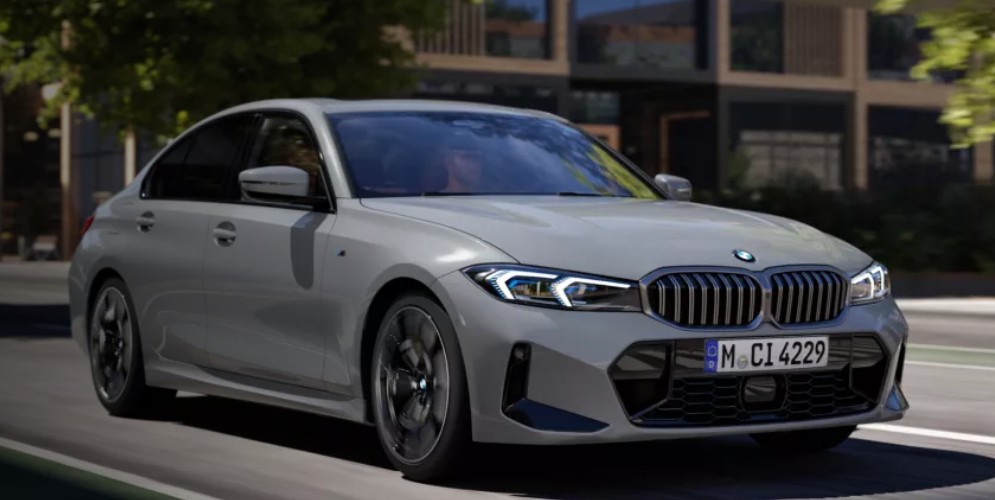
The BMW 3 Series has earned its reputation as one of the most refined luxury sport sedans on the road. Its blend of performance, comfort, and technology makes it a favorite among driving enthusiasts. Yet even a well-engineered vehicle can develop issues over time, and one problem that occasionally frustrates owners is the BMW 3 Series headlight vertical aim control failure.
Imagine driving down a dark road and suddenly noticing your headlights pointing too low, too high, or triggering a dashboard warning. It's like trying to read a book while someone constantly tilts the pages. Visibility suffers, safety declines, and nighttime driving becomes stressful.
In this comprehensive guide, we'll explore everything about BMW 3 Series headlight vertical aim control failure, including symptoms, causes, diagnostics, repair costs, troubleshooting methods, and prevention tips.
Content in this publication
- Understanding BMW Headlight Vertical Aim Control
- What Does Headlight Vertical Aim Control Failure Mean?
- How the BMW Headlight Leveling System Works
- Common Symptoms of Vertical Aim Control Failure
- Most Common Causes of BMW 3 Series Headlight Vertical Aim Control Failure
- Control Module Failures
- Adaptive Headlight System Malfunctions
- Which BMW 3 Series Models Experience This Problem Most Often?
- Diagnosing BMW Headlight Vertical Aim Control Failure
- Can You Drive With Headlight Vertical Aim Control Failure?
- DIY Fixes for BMW Headlight Vertical Aim Control Failure
- Professional Repair Options
- BMW 3 Series Headlight Vertical Aim Control Failure Repair Costs
- Preventing Future Headlight Leveling Problems
- When Should You Visit a BMW Specialist?
- Why Ignoring the Warning Can Become Expensive
- Final Thoughts
- Frequently Asked Questions
- 1. What causes BMW 3 Series headlight vertical aim control failure?
- 2. Is headlight vertical aim control failure dangerous?
- 3. How much does it cost to fix BMW headlight vertical aim control failure?
- 4. Can I reset the headlight vertical aim control warning myself?
- 5. Does a failed ride height sensor affect headlights?
Understanding BMW Headlight Vertical Aim Control
Modern BMW vehicles feature sophisticated lighting systems designed to maximize visibility while minimizing glare for oncoming traffic.
The vertical aim control system automatically adjusts the angle of the headlights based on vehicle load, acceleration, braking, and suspension movement.
Instead of manually adjusting headlights like older vehicles, BMW's electronic system continuously fine-tunes beam positioning.
Benefits include:
- Better nighttime visibility
- Reduced glare for other drivers
- Improved safety
- Compliance with lighting regulations
- Enhanced driving comfort
When the system fails, these advantages disappear almost immediately.
What Does Headlight Vertical Aim Control Failure Mean?
The warning generally indicates that the automatic leveling system can no longer adjust the vertical position of the headlights correctly.
When this occurs, the vehicle's computer detects an issue within one or more components responsible for controlling beam alignment.
Common warning messages include:
- Headlight Vertical Aim Control Failure
- Adaptive Headlight Malfunction
- Headlight Leveling System Failure
- Adaptive Lighting Error
The exact wording may vary depending on the BMW generation and software version.
How the BMW Headlight Leveling System Works
Before diagnosing a failure, it helps to understand how the system operates.
Ride Height Sensors
BMW installs sensors on the suspension to monitor vehicle height.
These sensors continuously measure suspension movement and communicate changes to the control module.
Headlight Control Module
The control module processes data received from sensors.
It calculates the appropriate headlight position and sends commands to adjustment motors.
Headlight Adjustment Motors
Tiny electric motors inside the headlight assembly physically move the reflector or projector lens.
These motors allow precise vertical beam adjustments.
Communication Network
All components communicate through BMW's electronic network.
Any interruption can trigger a system fault.
Common Symptoms of Vertical Aim Control Failure
Not every issue immediately triggers a warning light.
Several symptoms often appear before complete failure.
Dashboard Warning Messages
The most obvious sign is a warning displayed on the instrument cluster or iDrive screen.
Headlights Pointing Too Low
Drivers may notice significantly reduced visibility at night.
The beam appears focused directly in front of the vehicle.
Headlights Pointing Too High
This creates glare for other drivers and increases accident risk.
One Headlight Higher Than the Other
An uneven beam pattern often indicates motor or sensor issues.
Adaptive Headlights Not Moving
BMW adaptive headlights typically swivel and adjust automatically.
Failure to move may indicate a leveling system problem.
Most Common Causes of BMW 3 Series Headlight Vertical Aim Control Failure
Let's examine the most frequent culprits.
Faulty Ride Height Sensors
Ride height sensors are among the most common failure points.
Located near suspension components, they're constantly exposed to:
- Water
- Dirt
- Road salt
- Debris
- Temperature changes
Over time, corrosion and wear can affect sensor accuracy.
Damaged Sensor Linkages
Even if the sensor itself remains functional, linkage arms can break.
These small components connect suspension movement to the sensor mechanism.
A broken linkage prevents accurate height readings.
Failed Headlight Leveling Motors
The electric motors inside the headlight assembly work continuously.
Years of operation can cause:
- Motor wear
- Gear damage
- Electrical failure
- Internal binding
Once a motor stops functioning, headlight adjustment becomes impossible.
You may be interested in reading BMW 3 Series Automatic Gearbox Problems: Causes, Symptoms, Fixes, and Prevention Guide
Headlight Assembly Damage
Impacts from accidents or road debris may damage internal components.
Even minor collisions can affect:
- Motor mounts
- Reflectors
- Wiring
- Adjustment mechanisms
In some cases, the entire headlight assembly requires replacement.
Wiring Problems
BMW vehicles rely heavily on electrical communication.
Damaged wiring may result from:
- Rodent damage
- Corrosion
- Loose connectors
- Water intrusion
A simple wiring fault can mimic a major component failure.
Control Module Failures
Although less common, control modules can fail.
Potential causes include:
- Software corruption
- Electrical surges
- Water damage
- Manufacturing defects
When the module fails, communication with sensors and motors stops.
Adaptive Headlight System Malfunctions
Many BMW 3 Series models include adaptive lighting systems.
These systems integrate with vertical aim control.
Failures within adaptive components can trigger related warning messages.
Affected parts may include:
- Steering angle sensors
- Adaptive motors
- Lighting control units
Which BMW 3 Series Models Experience This Problem Most Often?
While the issue can affect almost any BMW 3 Series generation, certain models appear more susceptible.
E90 (2006–2011)
The E90 generation frequently experiences ride height sensor failures due to age.
Common issues include:
- Corroded sensor arms
- Wiring deterioration
- Adaptive headlight faults
F30 (2012–2019)
F30 models generally show improved reliability but still encounter:
- Sensor failures
- Control module issues
- Adaptive headlight errors
G20 (2019–Present)
Newer G20 models benefit from improved electronics but may occasionally experience:
- Software-related faults
- Module communication errors
- Calibration issues
Diagnosing BMW Headlight Vertical Aim Control Failure
Accurate diagnosis prevents unnecessary repairs.
Step 1: Scan for Error Codes
Using a BMW-compatible scanner is essential.
Popular diagnostic tools include:
- ISTA
- Carly
- Foxwell BMW scanners
- Autel scanners
Fault codes often identify the affected component.
Step 2: Inspect Ride Height Sensors
Check:
- Sensor housing
- Linkage arms
- Mounting brackets
- Electrical connectors
Look for obvious damage or corrosion.
Step 3: Test Headlight Movement
During startup, many BMW headlights perform a self-leveling sequence.
Observe whether:
- Both headlights move
- One headlight moves
- Neither headlight moves
The results can help pinpoint the problem.
Step 4: Examine Wiring
Inspect harnesses for:
- Broken insulation
- Corrosion
- Loose connections
- Water damage
Electrical issues are often overlooked.
Can You Drive With Headlight Vertical Aim Control Failure?
Technically, yes.
However, it's not recommended.
Potential risks include:
- Reduced visibility
- Increased glare
- Failed inspections
- Safety concerns
- Higher accident risk
Driving occasionally while awaiting repairs is generally acceptable, but prolonged neglect isn't wise.
DIY Fixes for BMW Headlight Vertical Aim Control Failure
Some repairs can be handled at home.
Reset the System
Occasionally, a temporary software glitch causes the warning.
Try:
- Turning off the vehicle.
- Waiting several minutes.
- Restarting the vehicle.
- Checking if the warning disappears.
While simple, this sometimes resolves temporary faults.
Clean Electrical Connectors
Corroded connectors may interrupt communication.
Disconnect connectors carefully and inspect for:
- Moisture
- Oxidation
- Dirt
Use electrical contact cleaner if needed.
You may be interested in readingBMW 3 Series Automatic Gearbox Problems: Causes, Symptoms, Fixes, and Prevention GuideYou may be interested in reading
 Ford C-Max Engine Malfunction Service Now: Causes, Fixes, Costs, and Prevention Guide
Replace a Broken Sensor Arm
Many sensor linkage failures are straightforward repairs.
Replacement parts are relatively inexpensive and installation often requires basic hand tools.
Professional Repair Options
Certain repairs demand professional expertise.
Sensor Replacement
A technician can:
- Install new sensors
- Perform calibration
- Verify operation
This is among the most common repairs.
Headlight Motor Replacement
Motor replacement may require:
- Headlight removal
- Internal disassembly
- System recalibration
Labor costs can increase quickly.
Control Module Programming
BMW modules often require coding and programming after installation.
Specialized software is usually necessary.
BMW 3 Series Headlight Vertical Aim Control Failure Repair Costs
Costs vary significantly depending on the root cause.
Ride Height Sensor Replacement
Estimated cost:
- Parts: $50–$250
- Labor: $100–$250
Total:
- $150–$500
Sensor Linkage Replacement
Estimated cost:
- Parts: $20–$80
- Labor: $50–$150
Total:
- $70–$230
Headlight Leveling Motor Repair
Estimated cost:
- Parts: $100–$500
- Labor: $150–$400
Total:
- $250–$900
Complete Headlight Assembly Replacement
Premium BMW headlights can be expensive.
Estimated cost:
- Parts: $800–$2,500+
- Labor: $150–$500
Total:
- $950–$3,000+
Control Module Replacement
Estimated cost:
- Parts: $300–$1,000
- Programming: $100–$300
- Labor: $100–$250
Total:
- $500–$1,550
Preventing Future Headlight Leveling Problems
Prevention often costs far less than repairs.
Inspect Suspension Components Regularly
Routine inspections can reveal damaged sensors before complete failure.
Wash the Undercarriage
Road salt and grime accelerate corrosion.
Regular cleaning helps protect sensitive electronics.
Repair Minor Damage Quickly
Small issues frequently become larger and more expensive over time.
Address warning messages promptly.
Use Quality Replacement Parts
Cheap aftermarket components may fail prematurely.
OEM or reputable aftermarket parts typically provide better longevity.
When Should You Visit a BMW Specialist?
Professional diagnosis is recommended if:
- Warning messages persist
- Multiple lighting faults appear
- Adaptive headlights stop functioning
- Diagnostic codes indicate module failures
- DIY repairs don't resolve the issue
Specialists possess the tools required for calibration and programming.
Why Ignoring the Warning Can Become Expensive
Many drivers postpone repairs because the vehicle still seems drivable.
However, unresolved faults may lead to:
- Additional electrical problems
- Premature component wear
- Failed vehicle inspections
- Reduced nighttime safety
Think of the warning as a smoke alarm. The house may not be on fire yet, but ignoring the signal rarely ends well.
Final Thoughts
BMW 3 Series headlight vertical aim control failure may sound intimidating, but the issue is often manageable when diagnosed correctly. In many cases, the culprit is a faulty ride height sensor, damaged linkage, or malfunctioning leveling motor rather than a complete headlight assembly replacement.
The key is acting early. Modern BMW lighting systems are sophisticated networks of sensors, motors, modules, and software working together. When one piece fails, the entire system can become compromised.
By understanding the warning signs, performing basic inspections, and addressing faults promptly, we can restore proper headlight performance, improve safety, and avoid unnecessary repair expenses. Whether you drive an E90, F30, or G20 BMW 3 Series, staying proactive will keep your headlights shining exactly where they belong.
Frequently Asked Questions
1. What causes BMW 3 Series headlight vertical aim control failure?
The most common causes include faulty ride height sensors, broken sensor linkages, failed leveling motors, wiring issues, and control module malfunctions.
2. Is headlight vertical aim control failure dangerous?
Yes. Improperly aimed headlights can reduce visibility and increase glare for other drivers, creating safety concerns during nighttime driving.
3. How much does it cost to fix BMW headlight vertical aim control failure?
Repairs can range from around $70 for a linkage replacement to over $3,000 for a complete headlight assembly replacement.
You may be interested in readingBMW 3 Series Automatic Gearbox Problems: Causes, Symptoms, Fixes, and Prevention GuideYou may be interested in reading
Ford C-Max Engine Malfunction Service Now: Causes, Fixes, Costs, and Prevention GuideYou may be interested in reading
Ford C-Max Automatic Gearbox Problems: Common Issues, Symptoms, Costs, and Solutions4. Can I reset the headlight vertical aim control warning myself?
Sometimes. A temporary software glitch may clear after restarting the vehicle, but persistent warnings usually require diagnosis and repair.
5. Does a failed ride height sensor affect headlights?
Absolutely. The ride height sensor provides critical data used by the automatic leveling system. When it fails, the headlights cannot adjust correctly.
If you want to know other articles similar to BMW 3 Series Headlight Vertical Aim Control Failure: Causes, Fixes, Costs, and Prevention Guide you can visit the category Common Problems.
Audi A4 Issues: Common Problems, Symptoms, and What Owners Should Know
Audi A4 Glow Plug Light Flashing: Causes, Diagnosis, and Fixes
Audi A4 1.4 TFSI Problems: Reliability, Symptoms, and Fixes

Ram 1500 Smells Like Coolant: Causes, Diagnosis, and Fixes
Problems With Hyundai Veloster: Common Issues, Warning Signs, and What Owners Should Know

Mazda 6 No Sound From Radio: Causes, Diagnosis, and Fixes
Leave a Reply
More content of your interest