

BMW 4 Series Parking Sensors Not Working: Causes, Fixes, Costs, and Prevention Guide

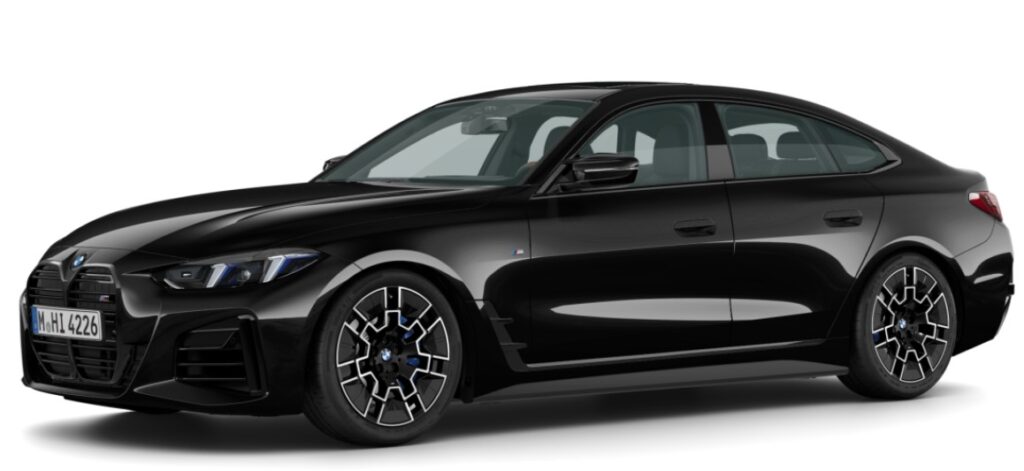
Parking sensors are one of those features we rarely think about—until they stop working. One day your BMW 4 Series is effortlessly guiding you into tight parking spaces, and the next, you're greeted by silence, constant beeping, or an annoying parking assistance error message.
If your BMW 4 Series parking sensors are not working, don't panic. In many cases, the issue is relatively simple to diagnose and repair. Whether you drive an F32 Coupe, F33 Convertible, F36 Gran Coupe, or the newer G22 generation, this guide will walk you through everything you need to know.
Let's dive into the most common causes, diagnostic methods, repair costs, and practical solutions.
Content in this publication
- Understanding BMW 4 Series Parking Sensors
- How BMW Parking Sensors Work
- Common Signs Your BMW 4 Series Parking Sensors Are Failing
- The Most Common Causes of BMW 4 Series Parking Sensor Problems
- BMW 4 Series Generations and Sensor Differences
- How to Diagnose BMW 4 Series Parking Sensors
- Diagnosing Problems with BMW Diagnostic Tools
- Can a Single Faulty Sensor Disable the Entire System?
- How Much Does It Cost to Fix BMW 4 Series Parking Sensors?
- DIY BMW Parking Sensor Replacement
- Do New Sensors Need Programming?
- OEM vs Aftermarket Parking Sensors
- Can Weather Affect BMW Parking Sensors?
- Why Parking Sensors Sometimes Work Intermittently
- How to Prevent Future Parking Sensor Problems
- BMW 4 Series Parking Sensor Troubleshooting Checklist
- When Should You Visit a BMW Specialist?
- Conclusion
- Frequently Asked Questions
Understanding BMW 4 Series Parking Sensors
BMW equips the 4 Series with the Park Distance Control (PDC) system, designed to help drivers avoid obstacles while maneuvering.
The system uses ultrasonic sensors mounted in the front and rear bumpers. These sensors emit sound waves that bounce off nearby objects and return to the sensor, allowing the vehicle to calculate distance accurately.
When functioning properly, the system provides:
- Audible warnings
- Visual parking graphics
- Distance measurements
- Automatic emergency braking on some models
- Parking Assistant integration
When even one sensor fails, the entire system may become compromised.
How BMW Parking Sensors Work
Ultrasonic Technology Explained
Think of parking sensors as miniature bats.
Just as bats navigate through darkness using echolocation, parking sensors use ultrasonic waves to "see" obstacles around the vehicle.
The process happens in milliseconds:
- Sensor sends ultrasonic signal.
- Signal strikes an object.
- Signal returns to sensor.
- Control module calculates distance.
- Driver receives warning.
Any interruption in this chain can trigger a malfunction.
Common Signs Your BMW 4 Series Parking Sensors Are Failing
Before diagnosing the problem, it's important to recognize the symptoms.
Continuous Beeping
A long, uninterrupted beep immediately after engaging reverse often indicates a faulty sensor.
Parking Assistance Failure Message
You may see warnings such as:
- PDC Failure
- Parking Assistance Malfunction
- Park Distance Control Not Available
No Sound at All
The system activates, but there are no audible warnings despite obstacles being present.
Incorrect Distance Readings
The display may show phantom obstacles or inaccurate measurements.
Sensors Activate Randomly
Some owners report false alarms even when nothing is near the vehicle.
The Most Common Causes of BMW 4 Series Parking Sensor Problems
Dirty Sensors
Believe it or not, dirt is among the most common causes.
Road grime, mud, snow, ice, and even wax buildup can block ultrasonic signals.
Typical Contaminants Include:
- Road salt
- Mud
- Insect residue
- Ice accumulation
- Car wash wax
A simple cleaning may solve the issue instantly.
Failed Parking Sensor
Individual sensors eventually wear out.
Exposure to weather, vibration, and impacts can damage internal components.
Signs of a failed sensor include:
- No clicking sound
- Constant warning tone
- Intermittent operation
Damaged Wiring
The wiring harness behind the bumper experiences constant exposure to:
- Water
- Road debris
- Corrosion
- Vibration
Over time, wires may break or connectors may corrode.
Faulty PDC Control Module
The Park Distance Control module acts as the brain of the system.
When it fails, multiple sensors may stop working simultaneously.
Symptoms often include:
- Complete system failure
- Multiple error codes
- Parking camera issues
Although less common than sensor failures, module problems do occur.
Previous Accident Damage
Even minor bumper impacts can affect parking sensors.
A small collision may:
- Crack sensor housings
- Misalign sensors
- Damage wiring
- Break mounting brackets
The bumper may appear fine externally while hidden damage exists underneath.
BMW 4 Series Generations and Sensor Differences
F32 Coupe (2013–2020)
The F32 generation typically uses:
- Four rear sensors
- Optional front sensors
- PDC control module
These systems are generally reliable but susceptible to water intrusion.
F33 Convertible (2014–2020)
Convertible models share most parking sensor components with the coupe.
Additional moisture exposure can occasionally contribute to electrical issues.
F36 Gran Coupe (2014–2020)
Sensor layouts remain largely identical, making diagnostics similar across models.
G22 Coupe (2021-Present)
The latest generation introduces:
- Enhanced Parking Assistant
- 360-degree camera integration
- Automated parking functions
- More advanced sensor networks
While more sophisticated, repairs can be more expensive.
How to Diagnose BMW 4 Series Parking Sensors
The Finger Test
One of the easiest methods requires no tools.
- Turn ignition on.
- Activate parking sensors.
- Place a finger lightly on each sensor.
A healthy sensor produces a faint ticking or clicking sensation.
No clicking usually indicates a faulty sensor.
The Listening Test
Another quick technique involves listening carefully.
Use a mechanic's stethoscope or place your ear near the sensor.
Working sensors emit rapid clicking sounds.
Dead sensors remain silent.
Using a Smartphone Camera
Some smartphone microphones can detect ultrasonic activity.
Record audio near each sensor and compare results.
Differences may help identify a failed unit.
Diagnosing Problems with BMW Diagnostic Tools
Using BMW ISTA
ISTA is BMW's factory diagnostic software.
It can identify:
- Sensor failures
- Wiring issues
- Control module faults
- Communication errors
This is often the fastest route to a precise diagnosis.
Using OBD2 Scanners
Many aftermarket scanners can access BMW parking sensor faults.
Popular options include:
- Carly
- Foxwell
- Launch
- Autel
These tools can save significant diagnostic time.
Can a Single Faulty Sensor Disable the Entire System?
Absolutely.
The BMW PDC system relies on communication among all sensors.
If one sensor stops responding, the control module may disable the entire system to prevent inaccurate readings.
This is why replacing a single failed sensor often restores full functionality.
How Much Does It Cost to Fix BMW 4 Series Parking Sensors?
Repair costs vary considerably.
Cleaning Sensors
Cost:
- DIY: Free
- Professional cleaning: $20–$50
Replacing One Sensor
Average cost:
| Repair | Cost |
|---|---|
| Sensor Part | $40–$150 |
| Labor | $50–$150 |
| Total | $90–$300 |
Wiring Repairs
Typical range:
| Repair Type | Cost |
|---|---|
| Minor Repair | $100–$250 |
| Harness Replacement | $250–$600 |
PDC Module Replacement
This is the most expensive repair.
Expected costs:
| Component | Cost |
|---|---|
| Module | $250–$700 |
| Programming | $100–$300 |
| Labor | $100–$250 |
Total repair may exceed $1,000.
DIY BMW Parking Sensor Replacement
Tools You'll Need
Basic tools include:
- Trim removal tools
- Socket set
- Torx drivers
- Jack and stands
- Diagnostic scanner
Replacement Procedure Overview
Step 1: Remove Bumper
Most BMW 4 Series models require partial bumper removal.
Step 2: Access Sensor Mounts
Locate the faulty sensor behind the bumper cover.
Step 3: Disconnect Sensor
Release electrical connector carefully.
Step 4: Install New Sensor
Snap replacement sensor into mounting bracket.
Step 5: Reassemble Vehicle
Reinstall bumper and verify operation.
Do New Sensors Need Programming?
In most cases, no.
Many BMW parking sensors are plug-and-play.
However, some aftermarket sensors may require coding or calibration.
OEM sensors generally integrate automatically.
OEM vs Aftermarket Parking Sensors
OEM Advantages
Original BMW sensors offer:
- Perfect compatibility
- Accurate performance
- Factory durability
- Correct paint matching
Aftermarket Advantages
Third-party sensors often provide:
- Lower cost
- Wider availability
- Budget-friendly repairs
Which Is Better?
For long-term reliability, OEM components usually remain the safest choice.
Can Weather Affect BMW Parking Sensors?
Yes.
Parking sensors can struggle during:
Heavy Rain
Water droplets scatter ultrasonic signals.
Snow and Ice
Frozen buildup blocks sensor operation.
Extreme Heat
High temperatures may accelerate component aging.
Road Salt Exposure
Corrosion can damage connectors and wiring.
Seasonal maintenance helps minimize these issues.
Why Parking Sensors Sometimes Work Intermittently
Intermittent faults are among the most frustrating issues.
Common causes include:
- Loose connectors
- Moisture intrusion
- Internal sensor deterioration
- Wiring damage
- Module communication problems
These faults often worsen gradually before complete failure occurs.
How to Prevent Future Parking Sensor Problems
Prevention is always cheaper than repair.
Wash Sensors Regularly
Keep sensor faces clean and unobstructed.
Avoid Pressure Washer Abuse
Direct high-pressure water can damage seals.
Inspect After Minor Collisions
Even low-speed impacts can cause hidden damage.
Address Warnings Quickly
Ignoring small faults often leads to larger repairs later.
BMW 4 Series Parking Sensor Troubleshooting Checklist
Before visiting a workshop, perform this quick checklist:
Visual Inspection
Check for:
- Dirt
- Cracks
- Paint damage
- Misalignment
Sensor Click Test
Verify every sensor clicks consistently.
Scan for Fault Codes
Use a BMW-compatible scanner.
Inspect Wiring
Look for:
- Corrosion
- Broken insulation
- Loose connectors
Test Again
Many issues become obvious during systematic testing.
When Should You Visit a BMW Specialist?
Professional diagnosis is recommended when:
- Multiple sensors fail simultaneously
- Wiring damage is suspected
- PDC module faults appear
- Error codes persist after sensor replacement
- Parking camera systems are also affected
Advanced BMW diagnostic equipment can quickly pinpoint complex faults.
Conclusion
A BMW 4 Series parking sensor not working issue can range from something as simple as dirt on a sensor to a failed control module. Fortunately, the majority of problems stem from faulty sensors, damaged wiring, or contamination rather than major electronic failures.
By performing a few simple diagnostic checks—such as the click test, visual inspection, and fault-code scanning—we can often identify the root cause without spending hundreds of dollars unnecessarily. Whether you own an F32, F33, F36, or G22 model, staying proactive with maintenance and addressing warning signs early can keep your parking assistance system functioning exactly as BMW intended.
At the end of the day, parking sensors are like an extra set of eyes around your vehicle. When they stop working, it's worth restoring them quickly to maintain convenience, safety, and confidence behind the wheel.
Frequently Asked Questions
1. Why is my BMW 4 Series parking sensor constantly beeping?
A continuous beep usually indicates a failed sensor, damaged wiring, or a system fault detected by the PDC module.
2. Can I drive with a faulty parking sensor?
Yes. The vehicle remains safe to drive, but parking assistance functionality may be reduced or completely disabled.
3. How do I identify which parking sensor is bad?
Use the click test, diagnostic scanner, or BMW ISTA software to pinpoint the faulty sensor.
4. Do parking sensors stop working after a car wash?
Sometimes. Water, wax residue, or moisture inside connectors can temporarily affect operation.
5. How long do BMW parking sensors last?
Most parking sensors last between 8 and 15 years, depending on climate, driving conditions, and exposure to damage.
If you want to know other articles similar to BMW 4 Series Parking Sensors Not Working: Causes, Fixes, Costs, and Prevention Guide you can visit the category Common Problems.
Nissan Rogue AC Not Working? Causes, Diagnosis, and Fixes

Kia Sorento Issues: Common Problems, Reliability and What to Watch For

Honda Passport Not Starting: Causes, Symptoms, and How to Fix It
Honda Passport Keyless Remote Battery Low: What It Means and How to Fix It
Nissan Rogue Apple CarPlay Not Working: Causes and Fixes
Nissan Rogue No Key Detected: Causes, Fixes, and What to Do
Leave a Reply
More content of your interest