

Mitsubishi Colt Automatic Gearbox Problems: Common Issues, Causes, Fixes, and Prevention Guide

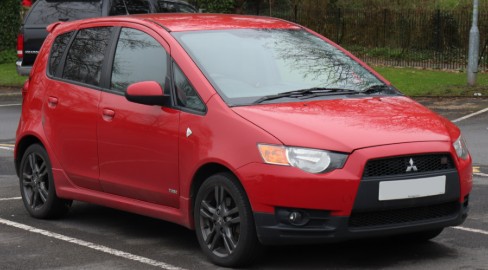
The Mitsubishi Colt has built a reputation as a practical, economical, and surprisingly durable supermini. Whether we're talking about older generations or the popular Colt models sold throughout Europe, these vehicles have earned a loyal following thanks to their affordability and reliability. However, like many compact cars equipped with automatic transmissions, the Mitsubishi Colt is not entirely free from gearbox-related concerns.
Automatic gearbox problems can transform a smooth city commuter into a frustrating ownership experience. Strange noises, delayed shifting, warning lights, jerky acceleration, and transmission overheating can all signal trouble beneath the surface.
In this comprehensive guide, we'll explore the most common Mitsubishi Colt automatic gearbox problems, identify their causes, discuss repair costs, and reveal preventive maintenance strategies that can significantly extend transmission life.
Content in this publication
- Understanding the Mitsubishi Colt Automatic Transmission
- Why Automatic Gearboxes Develop Problems
- Common Mitsubishi Colt Automatic Gearbox Problems
- Gearbox Warning Light Illuminates
- Transmission Stuck in Neutral
- Difficulty Selecting Gears
- Clutch Actuator Failure
- Transmission Overheating Problems
- Gear Slipping During Acceleration
- Transmission Fluid Leaks
- Electronic Control Module Failures
- What Is Limp Mode?
- How Transmission Fluid Affects Reliability
- Diagnosing Mitsubishi Colt Automatic Gearbox Problems
- Repair Costs for Mitsubishi Colt Automatic Gearbox Issues
- Can You Continue Driving with Gearbox Problems?
- Preventing Mitsubishi Colt Automatic Gearbox Problems
- Buying a Used Mitsubishi Colt Automatic
- Are Mitsubishi Colt Automatic Gearboxes Reliable?
- How Long Should a Mitsubishi Colt Automatic Gearbox Last?
- Final Thoughts
- Frequently Asked Questions
- 1. What is the most common Mitsubishi Colt automatic gearbox problem?
- 2. Why does my Mitsubishi Colt automatic gearbox slip?
- 3. Is it expensive to repair a Mitsubishi Colt automatic transmission?
- 4. Can old transmission fluid cause shifting problems?
- 5. How can I make my Mitsubishi Colt gearbox last longer?
Understanding the Mitsubishi Colt Automatic Transmission
Before discussing faults, it's important to understand the type of transmission fitted to the Colt.
Depending on the model year and market, the Mitsubishi Colt was available with:
- Conventional automatic transmissions
- Automated manual transmissions (AMT)
- AllShift automated gearboxes
- Continuously Variable Transmissions (CVT) in certain markets
Each system operates differently, which means symptoms and repair methods can vary significantly.
The AllShift transmission, in particular, is often associated with several of the issues owners report online and in workshops.
Why Automatic Gearboxes Develop Problems
Automatic transmissions are among the most complex mechanical systems in any vehicle.
They combine:
- Hydraulic components
- Electronic sensors
- Solenoids
- Clutches
- Gear sets
- Control modules
When one component begins to fail, it can affect the entire system.
Common causes include:
- Poor maintenance
- Contaminated transmission fluid
- Electrical faults
- Wear and tear
- Aggressive driving
- Software issues
Like a chain, the gearbox is only as strong as its weakest link.
Common Mitsubishi Colt Automatic Gearbox Problems
Jerky Gear Changes
One of the most frequently reported issues involves rough or jerky shifting.
Drivers often notice:
- Sudden lurches during acceleration
- Harsh downshifts
- Unexpected jolts when slowing down
Potential Causes
- Worn clutch actuator
- Faulty transmission control module
- Low gearbox fluid
- Software calibration issues
The problem is particularly common on AllShift-equipped vehicles.
Delayed Gear Engagement
Have you ever shifted into Drive and waited several seconds before the vehicle moved?
That's known as delayed engagement.
Symptoms Include
- Lag after selecting Drive
- Delay when shifting into Reverse
- Hesitation when accelerating
Possible Causes
- Worn internal clutch packs
- Hydraulic pressure loss
- Dirty transmission fluid
- Failing transmission pump
Ignoring this symptom can accelerate transmission wear.
Gearbox Warning Light Illuminates
The transmission warning light is the vehicle's way of waving a red flag.
What Triggers It?
The system monitors:
- Fluid pressure
- Temperature
- Gear selection
- Sensor performance
A fault in any monitored area can trigger a dashboard warning.
Most Common Culprits
- Transmission sensors
- Wiring faults
- Control module errors
- Solenoid failures
Diagnostic scanning is usually necessary to pinpoint the exact cause.
Transmission Stuck in Neutral
Some Mitsubishi Colt owners report the transmission unexpectedly dropping into neutral.
This issue can be alarming, especially during overtaking or motorway driving.
Likely Causes
- Faulty clutch actuator
- Gear selector motor failure
- Transmission ECU malfunction
- Wiring defects
In many cases, the vehicle enters a protective mode to prevent further damage.
Difficulty Selecting Gears
Gear selection issues are another common complaint.
Typical Symptoms
- Unable to select Reverse
- Refusal to engage Drive
- Flashing gear indicator
These problems often originate from electronic components rather than mechanical failures.
Components to Inspect
Gear Position Sensor
This sensor informs the control module which gear has been selected.
Failure may confuse the system.
Transmission Control Unit
Software glitches or hardware faults can interrupt gear selection.
Clutch Actuator Failure
The clutch actuator is a well-known weak point on some Mitsubishi Colt automatic models.
You may be interested in reading Mitsubishi Colt Reliability: The Complete Guide to Ownership, Longevity, and Common Problems
What Does It Do?
The actuator automatically operates the clutch during gear changes.
When it begins to fail, drivers may experience:
- Gearbox warning lights
- Harsh shifts
- Loss of gear engagement
- Unexpected neutral selection
Warning Signs
- Clicking noises
- Delayed shifts
- Inconsistent performance
Replacement can be expensive but often restores normal operation.
Transmission Overheating Problems
Heat is one of the greatest enemies of any automatic gearbox.
Symptoms of Overheating
- Burning smell
- Slipping gears
- Reduced performance
- Warning lights
Common Causes
- Old transmission fluid
- Heavy traffic conditions
- Towing beyond limits
- Cooling system faults
Transmission fluid serves as both lubricant and coolant.
When it deteriorates, temperatures rise rapidly.
Gear Slipping During Acceleration
Gear slipping occurs when engine RPM rises without a corresponding increase in speed.
Drivers Often Notice
- High revs
- Poor acceleration
- Delayed power delivery
Potential Causes
Low Fluid Levels
Insufficient fluid prevents proper hydraulic pressure.
Worn Clutches
Internal clutch packs gradually wear over time.
Valve Body Problems
The valve body directs hydraulic pressure throughout the transmission.
Faults can disrupt gear engagement.
Transmission Fluid Leaks
Leaks may seem minor initially but can quickly become serious.
Where Leaks Commonly Occur
- Transmission pan gasket
- Input shaft seals
- Output shaft seals
- Cooler lines
Signs of a Leak
- Red or brown fluid under the car
- Burning smell
- Slipping gears
- Delayed engagement
Addressing leaks early often prevents major repairs.
Electronic Control Module Failures
Modern transmissions rely heavily on electronics.
The transmission control module acts like the gearbox's brain.
Symptoms of TCM Failure
- Random shifting
- Warning lights
- Limp mode activation
- Gear engagement problems
Software updates occasionally resolve these issues.
In severe cases, replacement is necessary.
What Is Limp Mode?
Limp mode is a protective operating strategy.
When serious faults are detected, the transmission restricts performance.
Purpose of Limp Mode
It helps prevent catastrophic gearbox damage.
Common Symptoms
- Limited gears available
- Reduced speed
- Warning lights illuminated
Although inconvenient, limp mode often saves owners from much larger repair bills.
How Transmission Fluid Affects Reliability
Transmission fluid is often overlooked until problems appear.
Think of it as the bloodstream of the gearbox.
Without clean fluid:
- Components wear faster
- Temperatures rise
- Hydraulic pressure drops
- Shifting quality deteriorates
Recommended Maintenance
Check:
- Fluid level
- Fluid color
- Fluid smell
Healthy fluid is generally clear and reddish.
Dark or burnt-smelling fluid signals trouble.
Diagnosing Mitsubishi Colt Automatic Gearbox Problems
Proper diagnosis saves money and prevents unnecessary parts replacement.
Step 1: Scan for Fault Codes
Modern vehicles store error codes when faults occur.
A professional diagnostic scan can reveal:
- Sensor issues
- Solenoid failures
- Communication errors
Step 2: Inspect Fluid Condition
Transmission fluid tells a story.
You may be interested in readingMitsubishi Colt Reliability: The Complete Guide to Ownership, Longevity, and Common ProblemsYou may be interested in reading
Is Mitsubishi Colt a Good Car? The Complete Buyer’s GuideTechnicians look for:
- Burnt odor
- Metal particles
- Discoloration
Step 3: Road Test
A test drive helps identify:
- Shift quality
- Slipping
- Delayed engagement
Step 4: Mechanical Inspection
If necessary, further investigation may include:
- Pressure testing
- Actuator checks
- Wiring inspection
Repair Costs for Mitsubishi Colt Automatic Gearbox Issues
Repair costs vary widely depending on the fault.
| Problem | Estimated Cost |
|---|---|
| Fluid Service | $100–$250 |
| Sensor Replacement | $150–$400 |
| Solenoid Replacement | $250–$600 |
| Clutch Actuator Replacement | $500–$1,500 |
| Control Module Replacement | $600–$1,800 |
| Full Gearbox Rebuild | $2,000–$4,500 |
Prices vary by country, labor rates, and parts availability.
Can You Continue Driving with Gearbox Problems?
Many owners ask this question.
The short answer is: sometimes, but it's risky.
Minor Issues
- Occasional harsh shifts
- Early warning lights
These may allow limited driving.
Major Issues
- Gear slipping
- Neutral dropouts
- Overheating
Driving under these conditions can dramatically increase repair costs.
Preventing Mitsubishi Colt Automatic Gearbox Problems
Prevention is almost always cheaper than repair.
Best Practices
Change Fluid Regularly
Fresh fluid reduces wear and overheating.
Avoid Aggressive Driving
Hard acceleration places stress on internal components.
Warm the Vehicle in Cold Weather
Cold fluid flows less efficiently.
Address Warning Lights Immediately
Small issues often become large ones when ignored.
Perform Routine Inspections
Early detection is key.
Buying a Used Mitsubishi Colt Automatic
A used Colt can be an excellent purchase, but transmission health should be a priority.
What to Check
- Smooth shifting
- Service records
- Fluid condition
- Dashboard warning lights
Red Flags
- Delayed engagement
- Jerky acceleration
- Burning smells
- Gearbox warning messages
A pre-purchase inspection is money well spent.
Are Mitsubishi Colt Automatic Gearboxes Reliable?
Overall, the Mitsubishi Colt enjoys a relatively positive reliability reputation.
Most gearbox failures stem from:
- Lack of maintenance
- High mileage
- Ignored warning signs
Models equipped with automated manual systems such as AllShift tend to experience more complaints than traditional automatics.
However, many owners achieve well over 100,000 miles without major transmission repairs when maintenance schedules are followed.
How Long Should a Mitsubishi Colt Automatic Gearbox Last?
With proper care, many automatic gearboxes can last:
- 100,000 to 150,000 miles
- 160,000 to 240,000 kilometers
Some exceed these figures significantly.
Regular servicing acts like preventative medicine, extending component lifespan and reducing repair costs.
Final Thoughts
Mitsubishi Colt automatic gearbox problems range from minor sensor issues to major clutch actuator failures and full transmission rebuilds. While symptoms such as jerky shifts, slipping gears, delayed engagement, and warning lights can seem intimidating, many problems become manageable when diagnosed early.
The key lesson is simple: listen to your car. A gearbox rarely fails without warning. Strange noises, unusual shifts, or dashboard alerts are often early whispers before expensive repairs arrive. By maintaining transmission fluid, addressing faults promptly, and performing regular inspections, we can dramatically improve gearbox longevity and enjoy years of dependable driving from the Mitsubishi Colt.
Frequently Asked Questions
1. What is the most common Mitsubishi Colt automatic gearbox problem?
Jerky shifting and clutch actuator failure are among the most frequently reported issues, especially on AllShift-equipped models.
2. Why does my Mitsubishi Colt automatic gearbox slip?
Gear slipping is commonly caused by low transmission fluid, worn clutch packs, valve body faults, or internal transmission wear.
3. Is it expensive to repair a Mitsubishi Colt automatic transmission?
Costs vary significantly. Minor sensor repairs may cost under $400, while a full gearbox rebuild can exceed $4,000.
4. Can old transmission fluid cause shifting problems?
Yes. Contaminated or degraded fluid can lead to harsh shifts, overheating, slipping, and premature transmission wear.
5. How can I make my Mitsubishi Colt gearbox last longer?
Regular fluid changes, prompt repairs, gentle driving habits, and routine inspections are the best ways to maximize gearbox lifespan.
You may be interested in readingMitsubishi Colt Reliability: The Complete Guide to Ownership, Longevity, and Common ProblemsYou may be interested in reading
Is Mitsubishi Colt a Good Car? The Complete Buyer’s GuideYou may be interested in reading
Mitsubishi Colt History: The Complete Evolution of an Automotive IconIf you want to know other articles similar to Mitsubishi Colt Automatic Gearbox Problems: Common Issues, Causes, Fixes, and Prevention Guide you can visit the category Blog.
Volvo S90 Reliability: Problems, Costs & Best Years
Is Haval Jolion a Good Car? Honest Review, Reliability, Pros and Cons
How to Start Haval Jolion With Spare Key: Complete Guide

How to Calculate Per Diem on an Auto Loan

How to Calculate the Residual Value of a Car

Is the Honda Passport Selling Well? Sales Numbers Tell the Story
Leave a Reply
More content of your interest